OUR DEAR DEAD DRUG LORD

*A Regional Premiere*

Growing Up is Messy…Especially When You’re Summoning the Dead

A Theater Review by Julinda D. Lewis

Presented by 5th Wall Theatre

At: The Basement, 300 E. Broad St., RVA 23219

Performances: October 16 – November 9, 2025

Ticket Prices: $30/Adults, $15/Students

Tickets & Info: https://www.5thwalltheatre.org/ or email info@5thwalltheatre.org

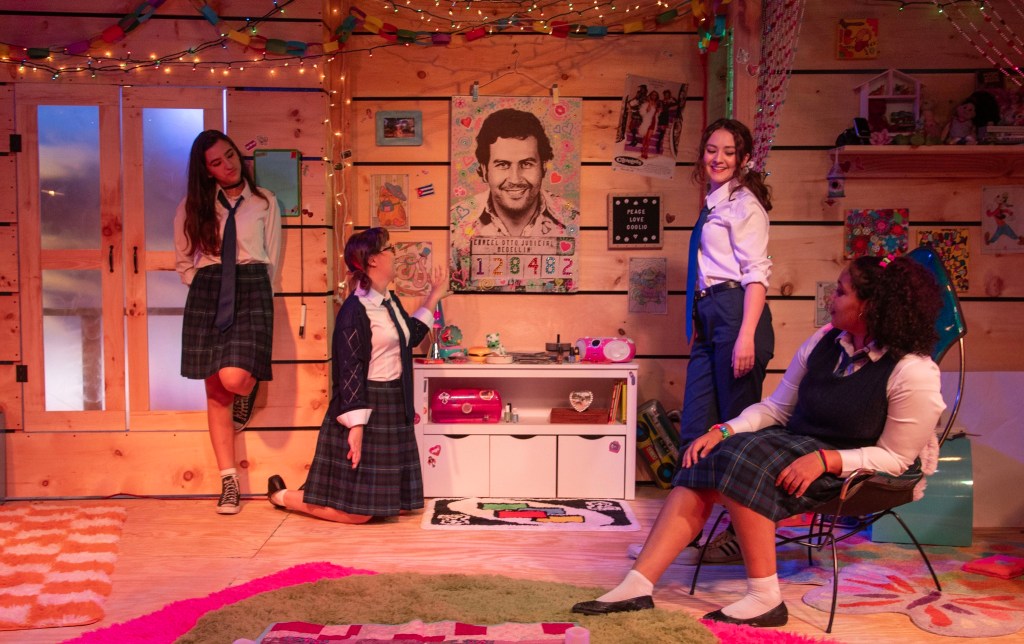
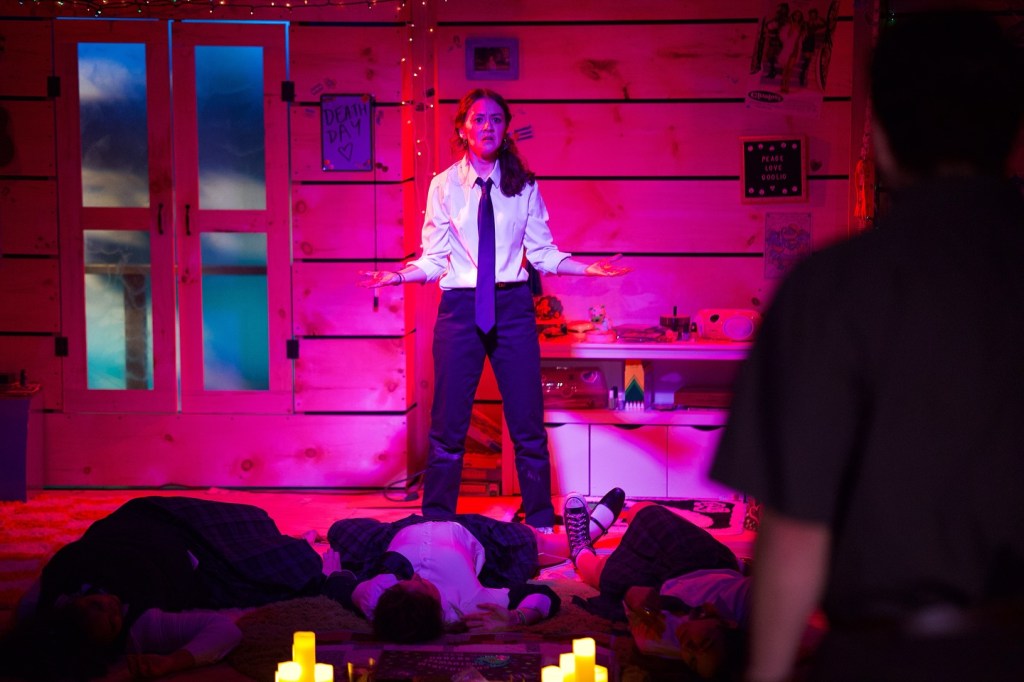
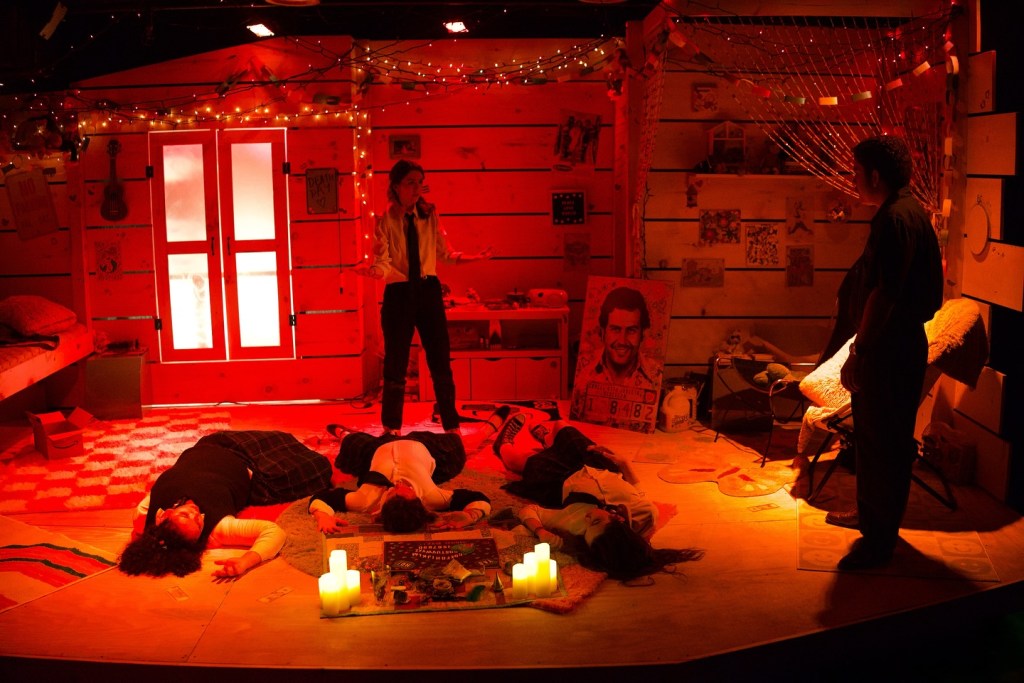
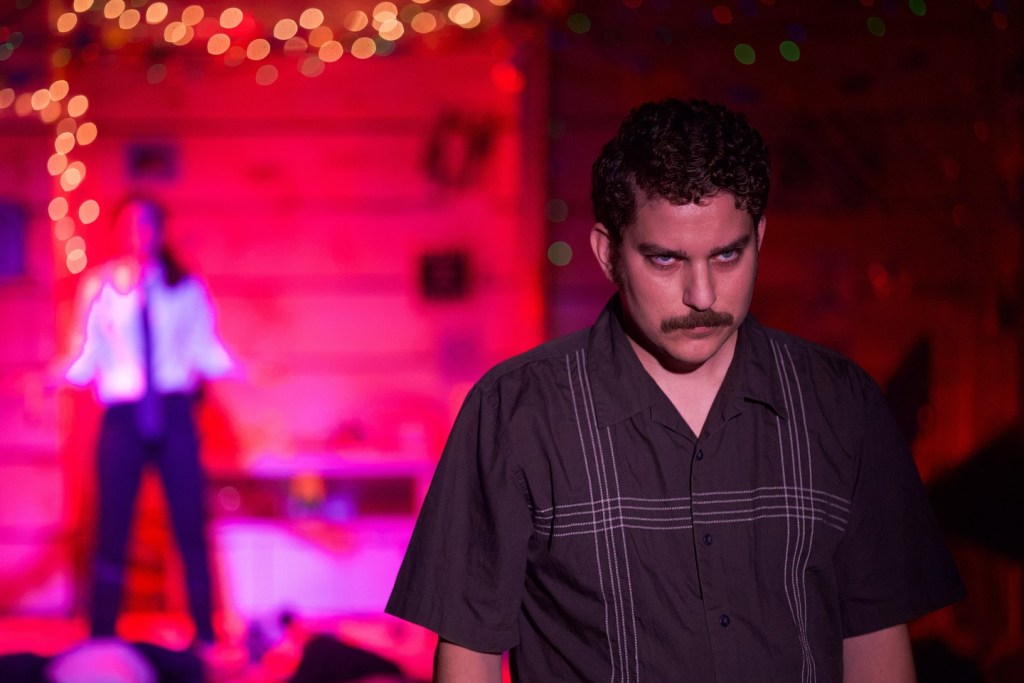
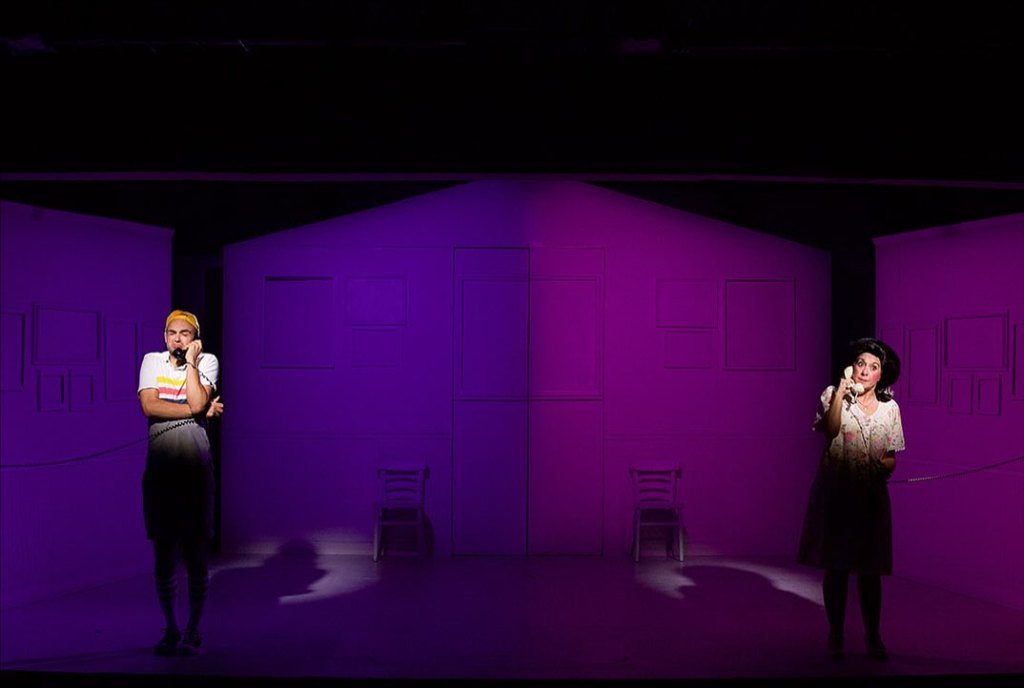
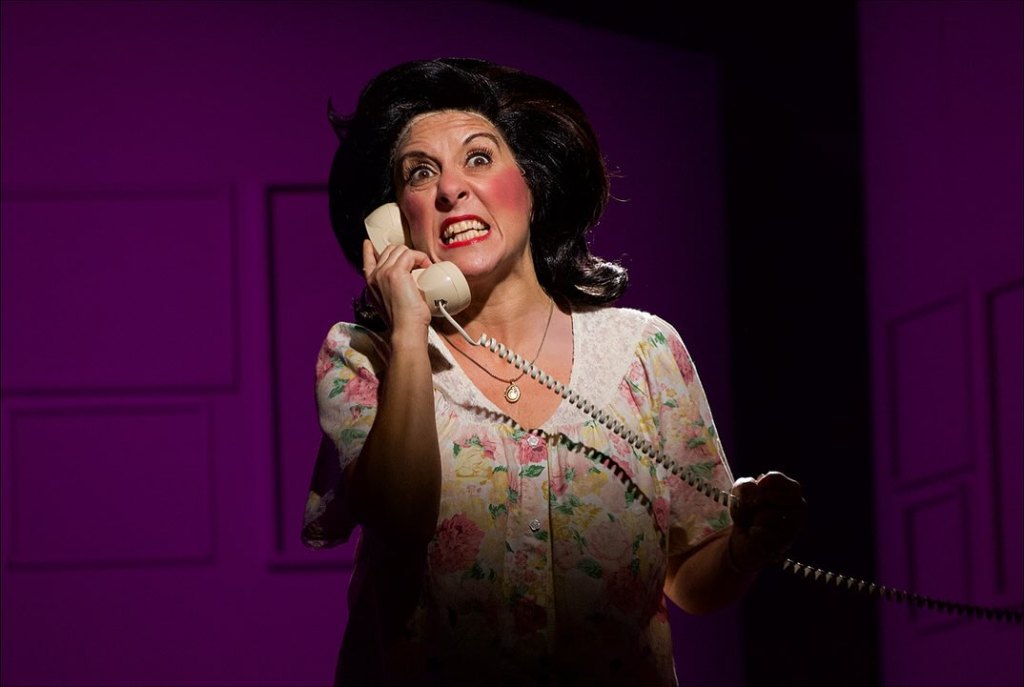
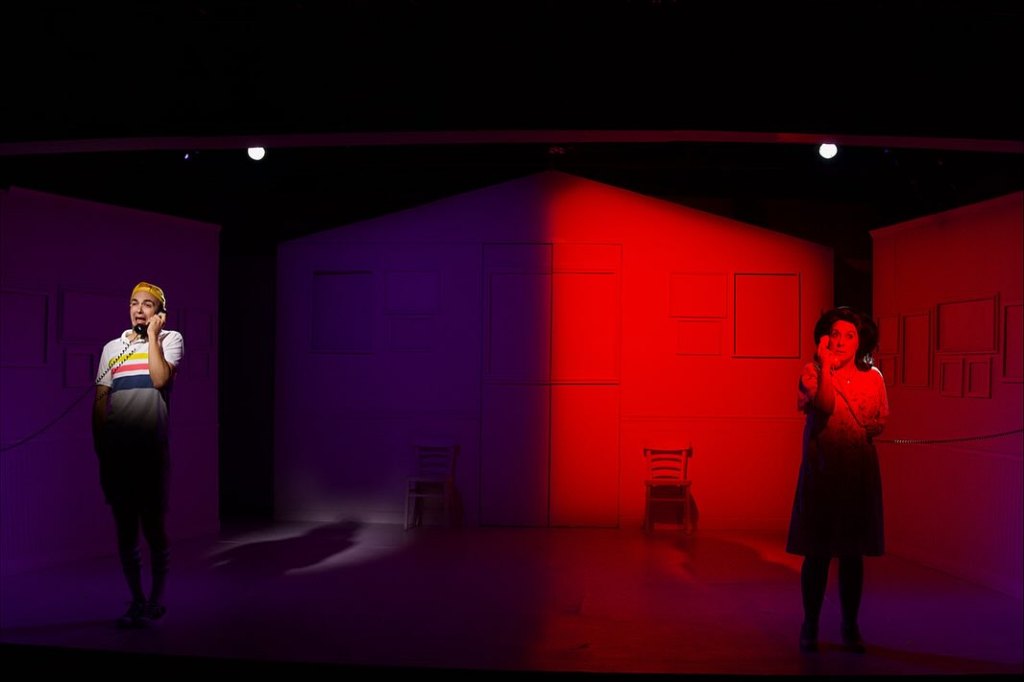
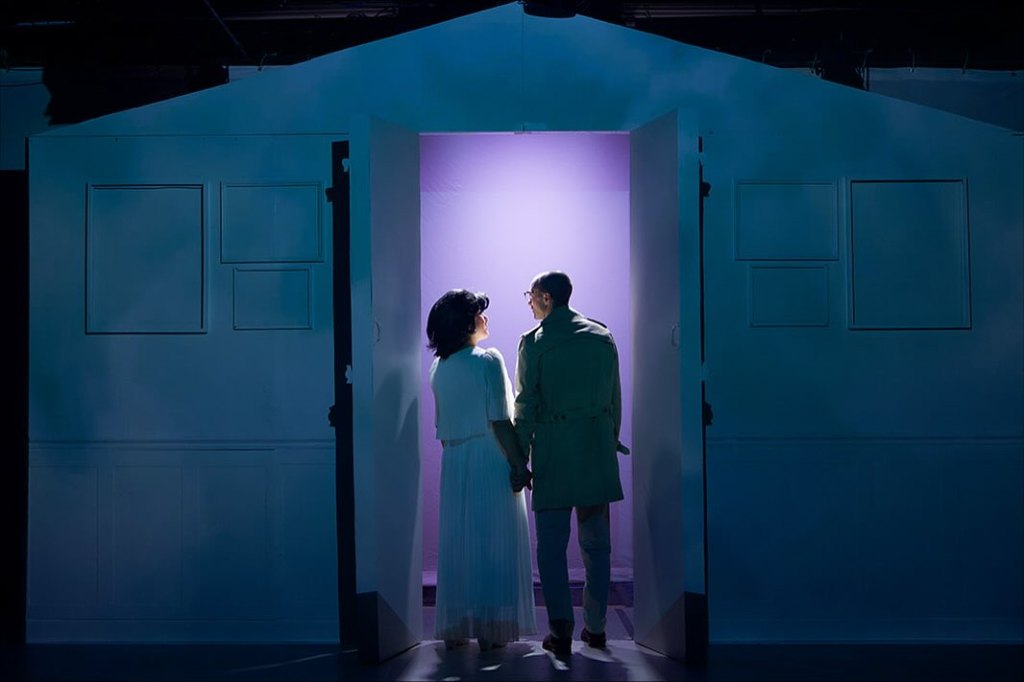
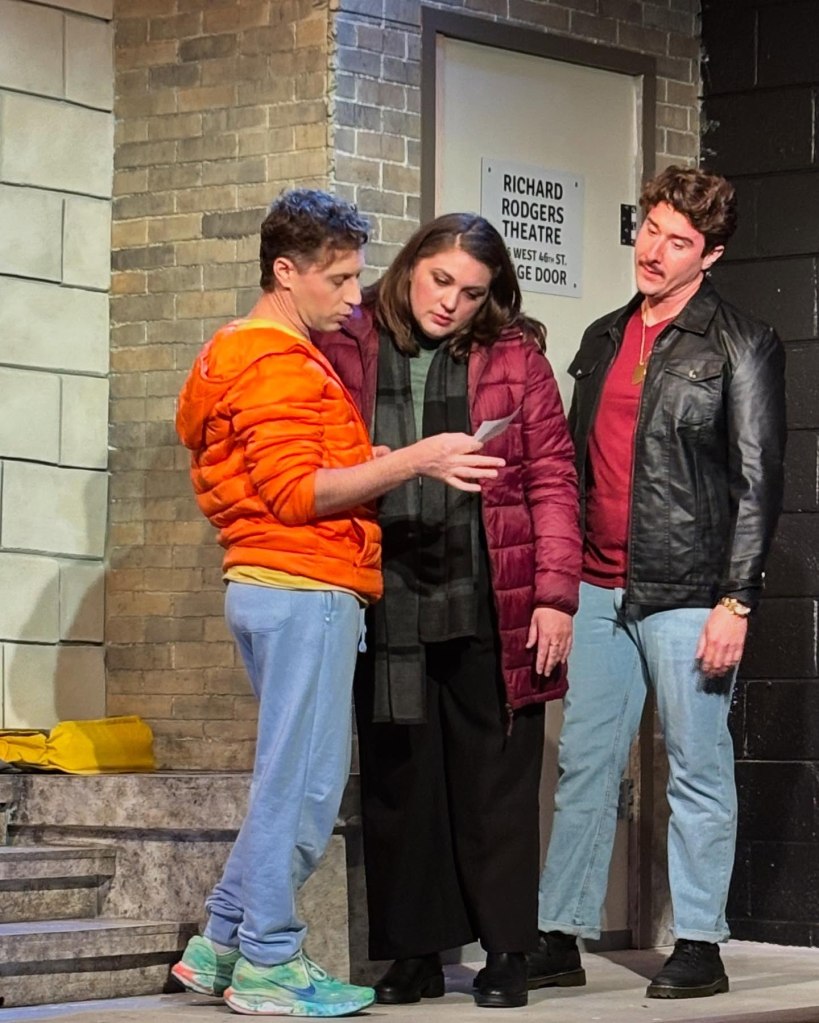
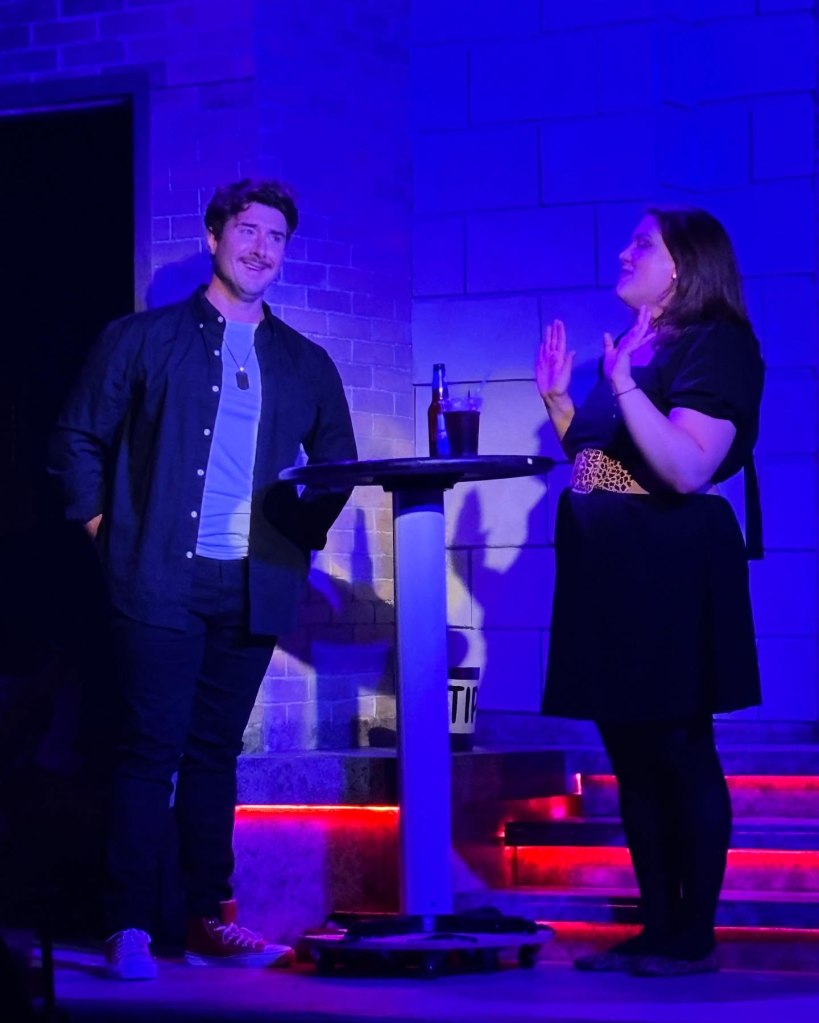
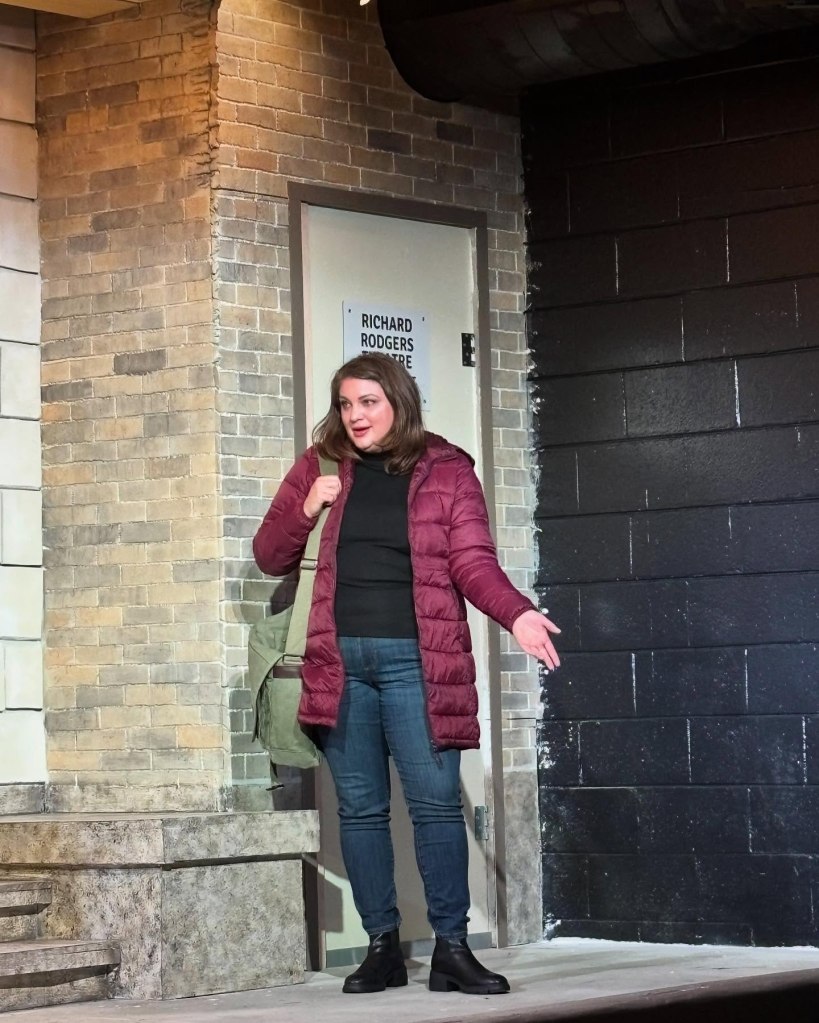
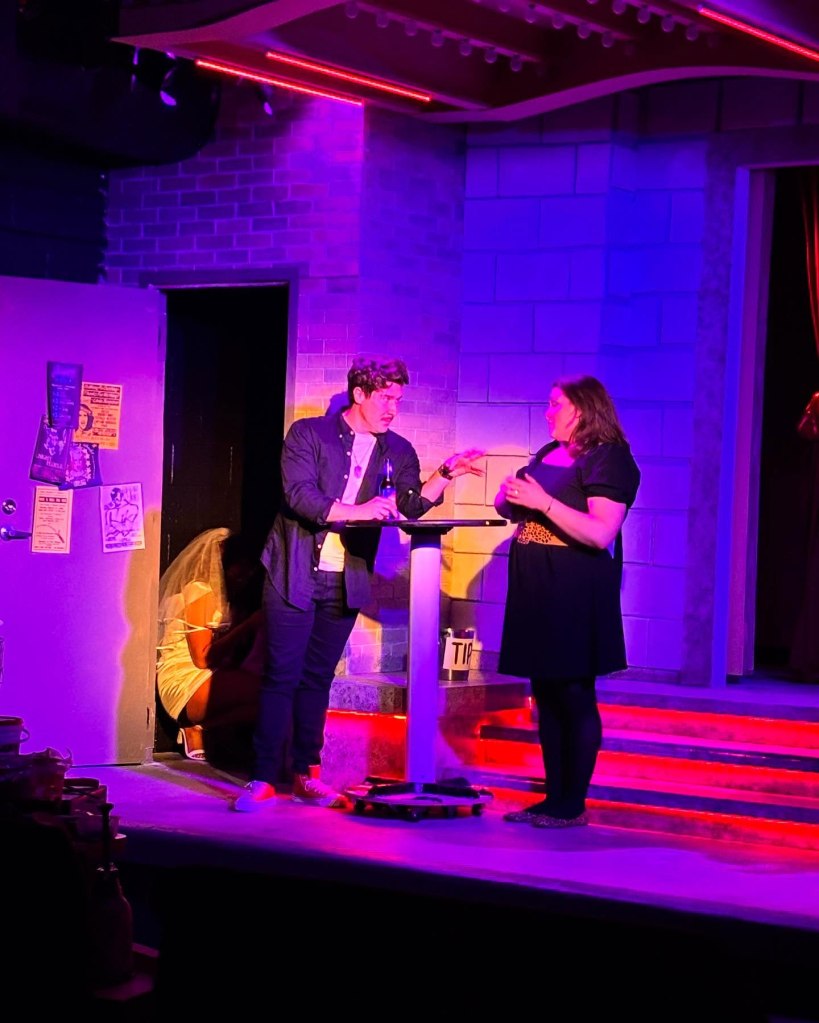
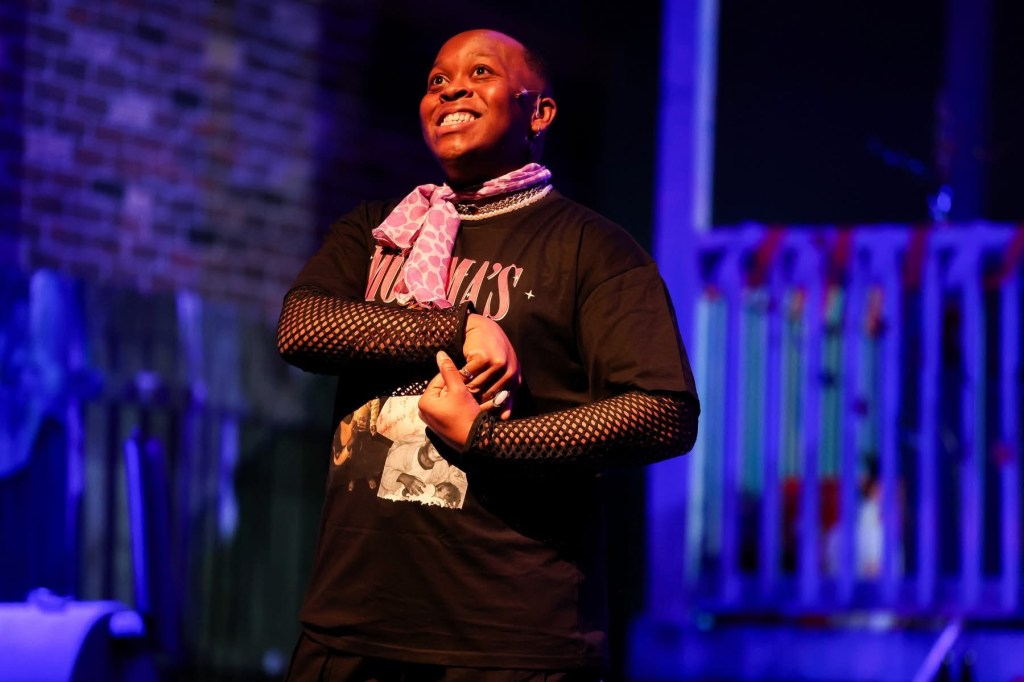
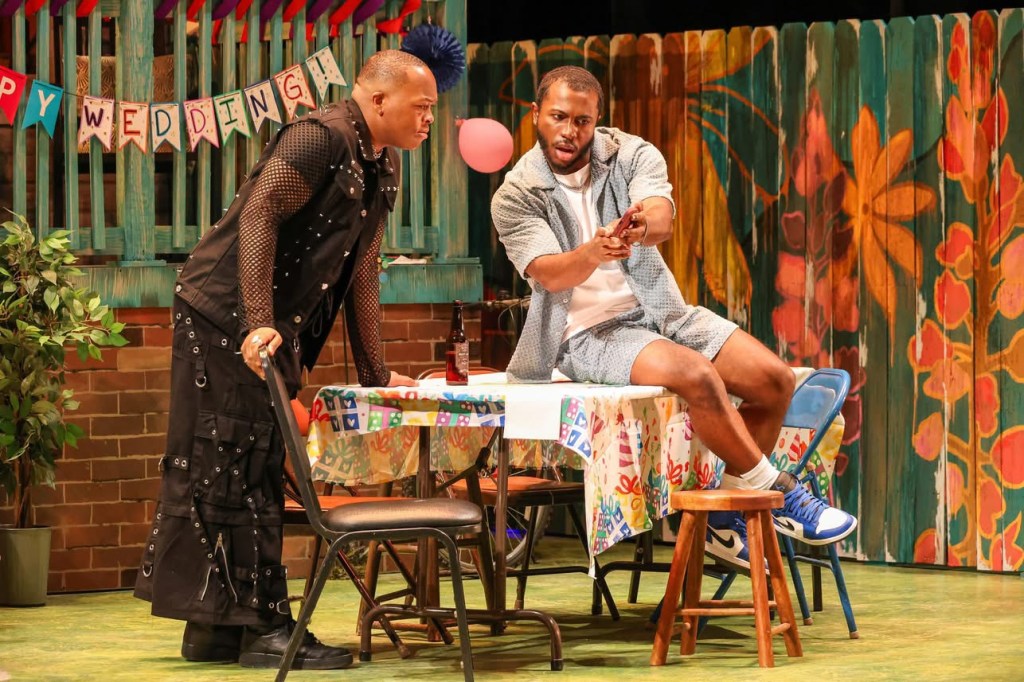
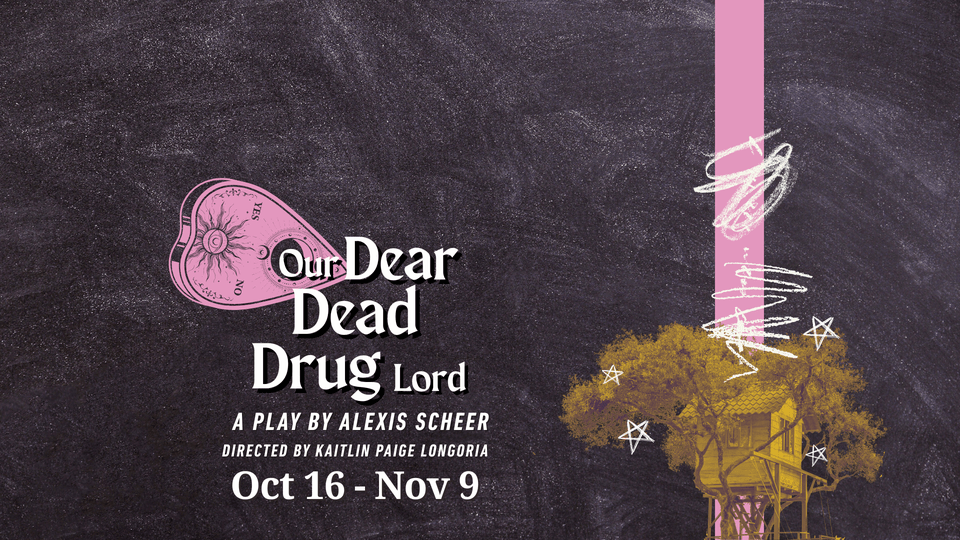
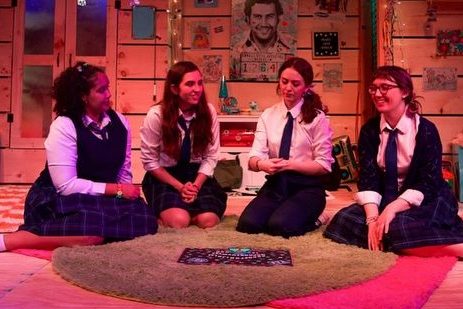
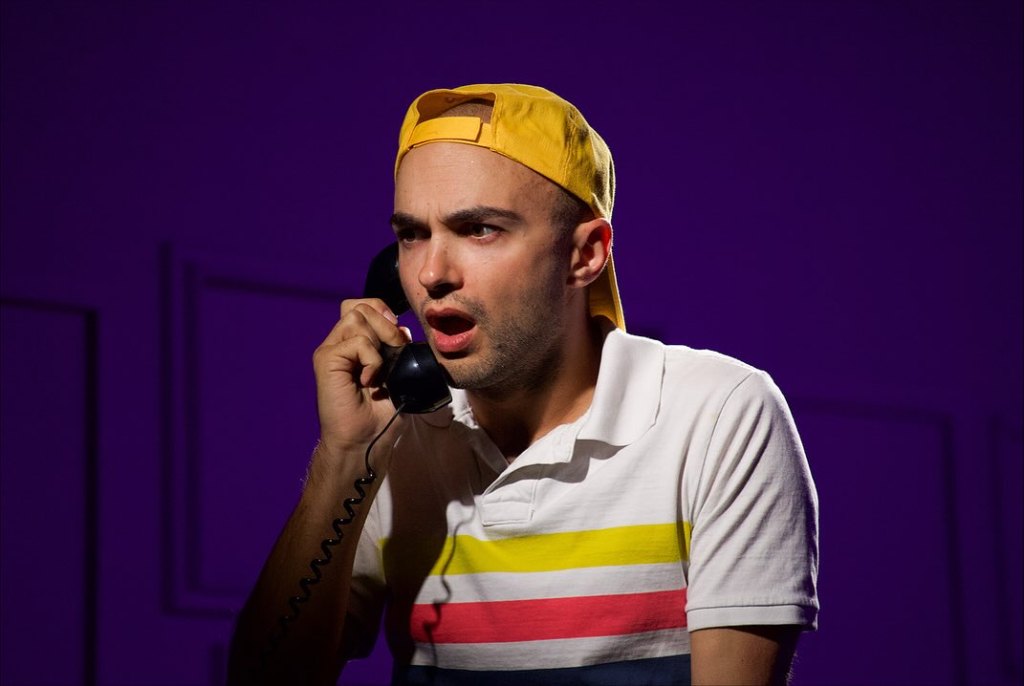
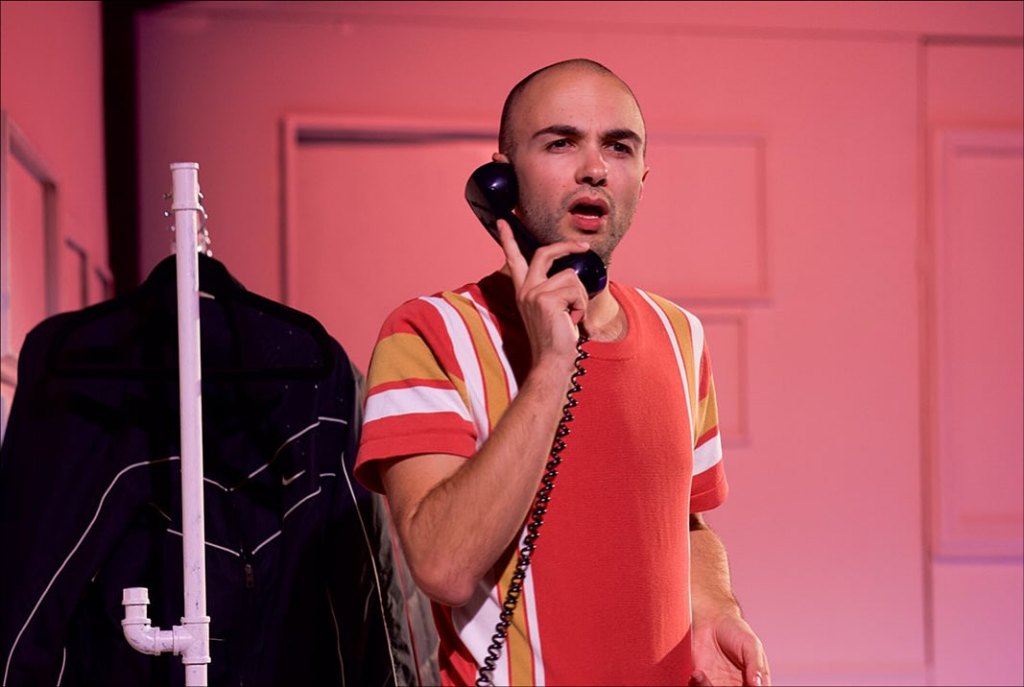
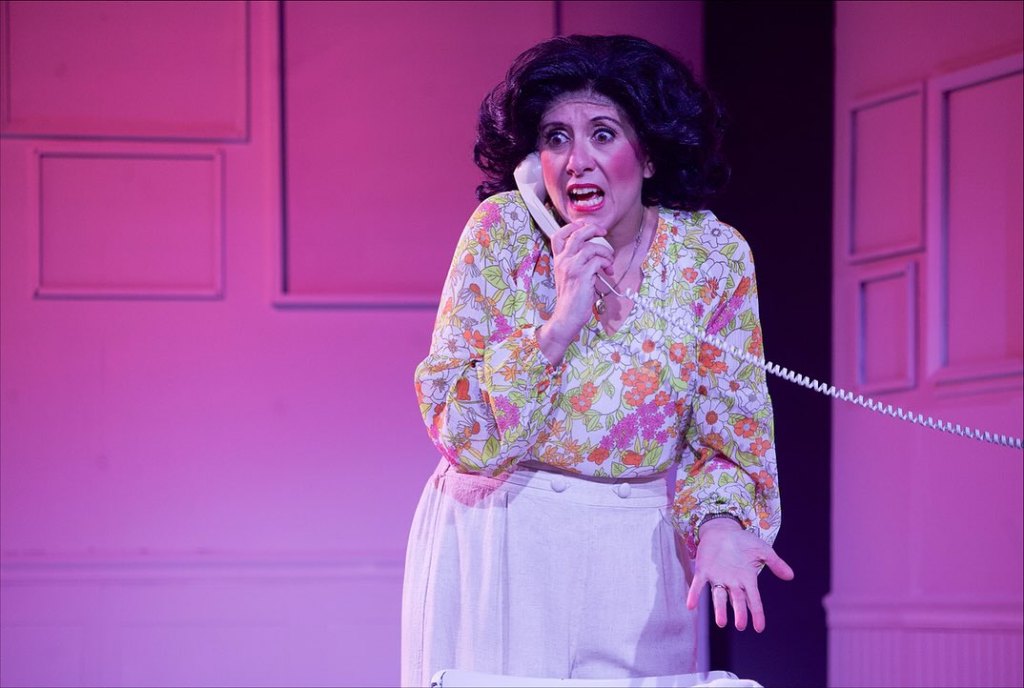
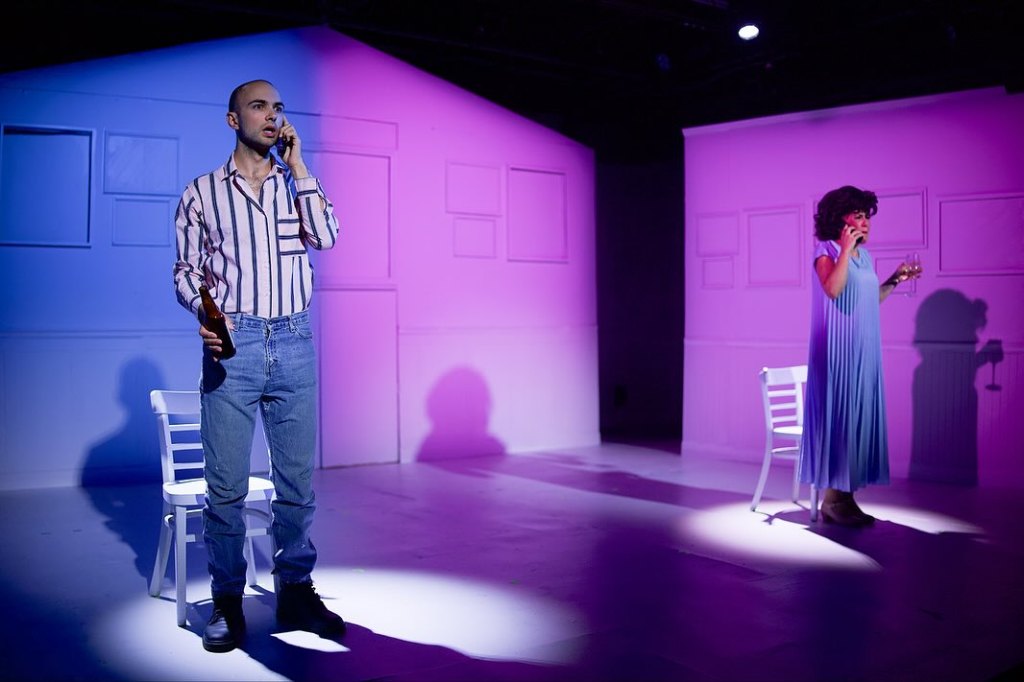
5th Wall Theatre opened its 2025/2026 season in its new, permanent home, the former Basement, now 5th Wall at The Basement or 5th Wall/Basement. In alignment with 5th Wall Theatre’s mission “to provide insights into the human condition through theatrical expression,” the season opener provided new dimensions to the theatrical experience. Alexis Scheer’s Our Dear Dead Drug Lord is a dark comedy about 4 Miami teenaged girls, members of the Dead Leaders Club, who meet in a tree house where they hope to summon the spirit of Pablo Escobar.

In case that name sounds familiar, yes, “that” Pablo Escobar, the Colombian drug trafficker and leader of the infamous Medellín Cartel. In addition to being one of the world’s most notorious narco-terrorists, Escobar was also known as a philanthropist who built housing complexes, parks, football stadiums, hospitals, schools, and churches in some of Colombia’s poorest neighborhoods. So, what about Escobar appeals to a club (or gang?) of teen girls in Miami?

It could be the allure of the illicit, the Robin Hood element of Escobar’s philanthropy, the need to replace the powerlessness of being young and female with the trappings of power, or a misplaced coping mechanism to deal with their own personal traumas. More than likely, it is some combination of these things, along with the normal teenaged tendency to rebel.

In an interview for TheaterMania.com (September 22, 2019), the author explains that Our Dear Dead Drug Lord was created as a way for her to connect with her own roots. The Miami-born, Columbian and Jewish writer’s mother emigrated from Medellín in the 1970s. “The Colombian cartels and Pablo Escobar is a weird part of my family mythology that I don’t understand, because I feel so distant from it. So that’s where that came from. I think it’s a very American play, and part of my experience as an American is trying to touch upon the generation or two before me that was outside of this country and what they fled to get here.” (https://www.theatermania.com/news/alexis-scheer-gives-us-the-dope-on-her-play-our-dear-dead-drug-lord_89801/)

Okay. So, there’s that. But there’s also witchcraft, a Ouija board, a séance, and a special dance choreographed in honor of . There’s a diverse cast, each with a heavy burden of her own. Pipe, the club’s president, is an upper-class Cuban-American and carries the burden of grief from her younger sister’s death. Pipe’s bestie, Squeeze, is Puerto Rican-Haitian who is allergic to cats. Her father committed suicide. Zoom, Pipe’s Jewish-American neighbor, is the baby of the group, and always trying to keep up. Perhaps in an effort to over-compensate for her youth and lower status, she is also coping with the possibility of a teen pregnancy – which factors in the play’s climax. And then there’s Kit, a Columbian-American newcomer with a mysterious past that makes the other girls speculate that she may be the actual daughter of their hero, Pablo Escobar.

The intersection of this combined chaos is where these girls meet to create a sacred space, a sense of community – perhaps much like the community some young people find in gang life. Director Kaitlin Paige Longoria describes is as “an incantation, a call to the ancestors.” In her notes, Longoria writes, “It lives in that delicate space between grief and rebirth, between the ache of what’s been lost and the hope of what might still be found.”

It is in this spirit that these girls, four young women on the cusp of adulthood, seek freedom, power, and self-worth. It is in this spirit that they chant the mantra, “I will not be good. I will be loud, loud, loud. I will make the world in my image and take what I mine!”

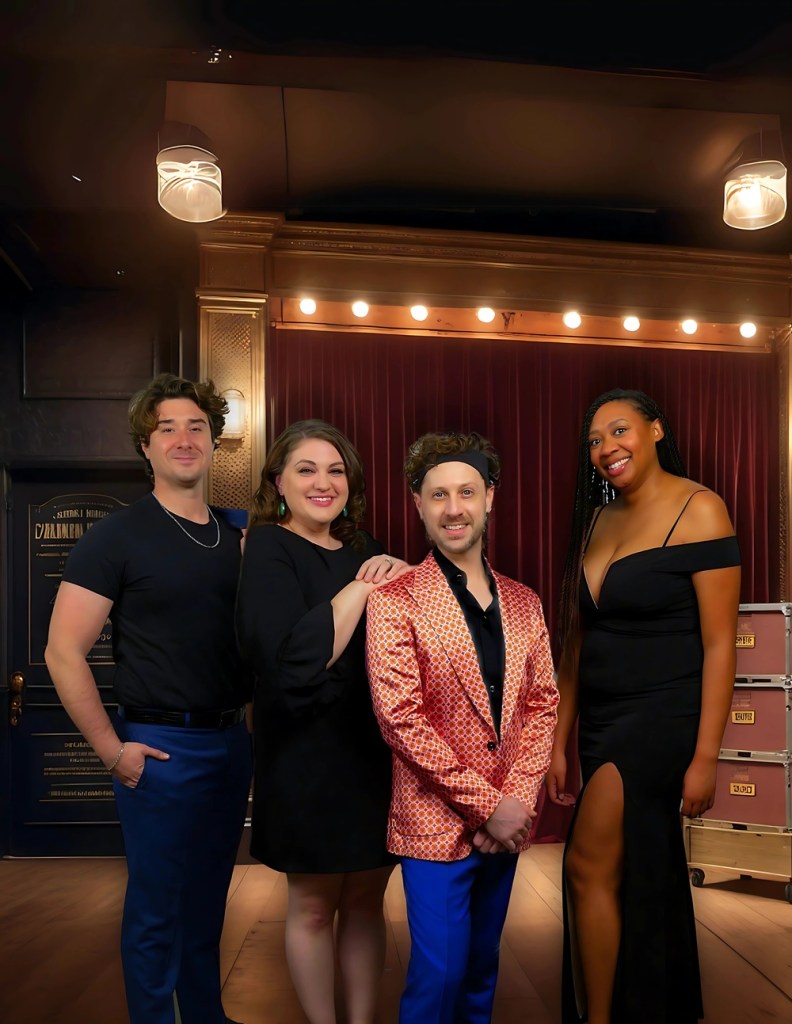
Kylee Márquez-Downie (Pipe), Marya Brice (Squeeze), Eva Linder (Zoom), and Mary Kalinowski (Kit) form a solid ensemble, intense and darkly humorous. The séance is unsettling and the sacrifice is positively horrific and scary. It’s the kind of cast where each member has a distinct role, but it’s almost impossible to single out anyone because each plays an integral part in the whole.

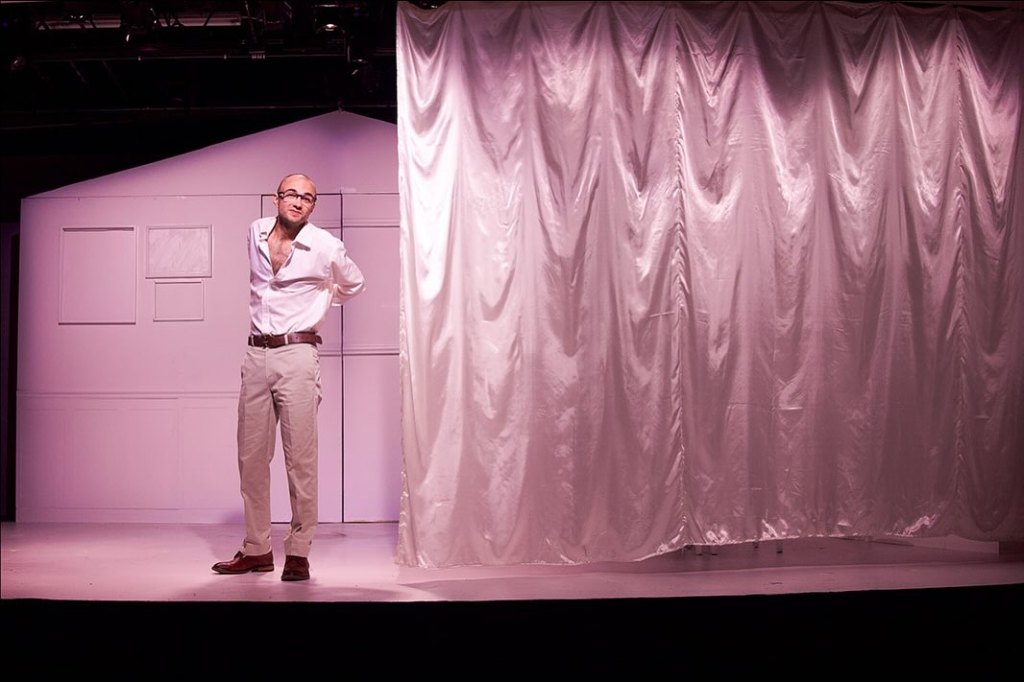
Joey Luck composed an original score using the cast’s own voices and William Luther created a uniquely isolated and compact tree house environment where all the action takes place.

Our Dear Dead Drug Lord is anything but predictable. It is weird, dark, disturbing, and it resonates with the truth that society is failing our young women and if we don’t do something to shape and direct them, they will find someone – or something – to fill that void.

———-

Julinda D. Lewis is a dancer, teacher, and writer who was born in Brooklyn, NY and now lives in Eastern Henrico County. When not writing about theater, she teaches dance history at VCU and low impact dance fitness classes to seasoned movers like herself and occasionally performs. Julinda was recently awarded the Dean’s Distinguished Adjunct Faculty Award 2023-24 Academic Year by VCU School of the Arts and the 2025 Pioneer Award in Dance Ministry by Transformation International Worship Ministries, Newport News, VA.

———-

OUR DEAR DEAD DRUG LORD

A Play by Alexis Scheer

Directed by Kaitlin Paige Longoria

CAST

Kylee Márquez-Downie      ……….           Pipe

Eva Linder                             ……….           Zoom

Marya Brice                           ……….           Squeeze

Mary Kalinowski                   ……….           Kit

UNDERSTUDIES

Natalie Tubia                        ……….           u/s for Pipe & Kit

Kylie Metheny                      ……….           u/s for Zoom

Jada Paul                              ……….           u/s for Squeeze

FEATURING

DJ Cummings Herdoiza     ……….           Pablo

Fio Lo Presti                          ……….           Pipe’s Little Sister

PRODUCTION TEAM

Directed                    ……….             Kaitlin Paige Longoria

Scenic Design          ……….           William Luther

Lighting Design       ……….            Corrine Manderino

Sound Design            ……….            Joey Luck

Costume Design        ……….            Emily Andrew Mateos

Choreography            ……….            Kayce Sullivan & Jamie Hollman

Intimacy Choreography   …..            Kerrigan Sullivan

Stage Management ………            Megan Wave

Technical Direction ……….           Chris Foote

Photography             ……….           @ivyandlacephoto

Performance Schedule:

Thursday, Friday, Saturday 7:30PM

Saturday, Sunday 2:30PM

Tickets: $30/Adult; $15/Student

Run Time: 95 minutes, no intermission

The World Premiere of Our Dear Dead Drug Lord was presented in September 2019 by WP Theater and Second Stage Theater, NYC, NY.

CONTENT WARNING: This play contains strong language, sexual content, depictions of drug use, and scenes of violence. The play also includes references to suicide, sexual assault, and other sensitive subject matter.
One-Time
Monthly
Yearly

PLEASE Make a one-time, MONTHLY, OR ANNUAL donation TO SHOW YOUR APPRECIATION FOR RVART REVIEW!

Make a monthly donation

Make a yearly donation

Choose an amount

$5.00
$15.00
$100.00
$5.00
$15.00
$100.00
$5.00
$15.00
$100.00

Or enter a custom amount

$

Your contribution is appreciated.

Your contribution is appreciated.

Your contribution is appreciated.

DonateDonate monthlyDonate yearly
CONVERSATIONS WITH MOTHER 

“I gave you the things in me I didn’t even know I had.”

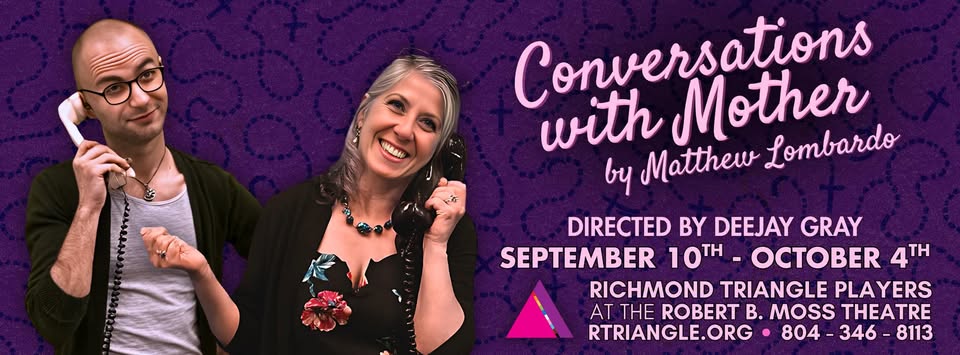
Presented by: Richmond Triangle Players  

At: Richmond Triangle Players at the Robert B. Moss Theatre, 1300 Altamont Avenue, RVA 23220 

Performances: September 10 – October 4, 2025 

Ticket Prices: $15-$50 

Info: (804) 346-8113 or rtriangle.org 

A Theater Review by Julinda D. Lewis 

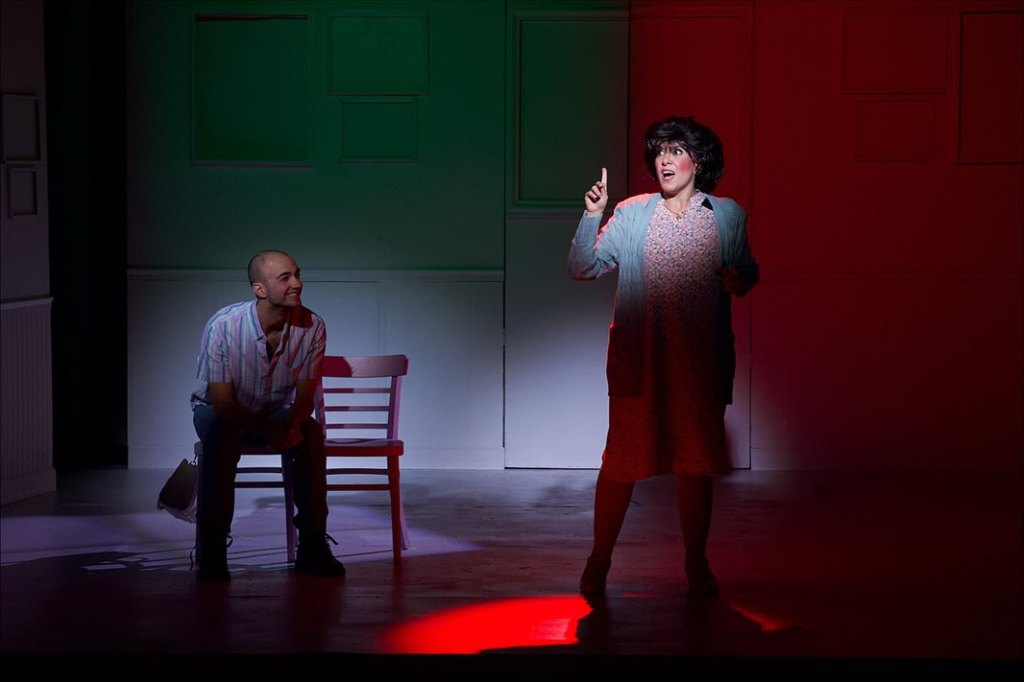
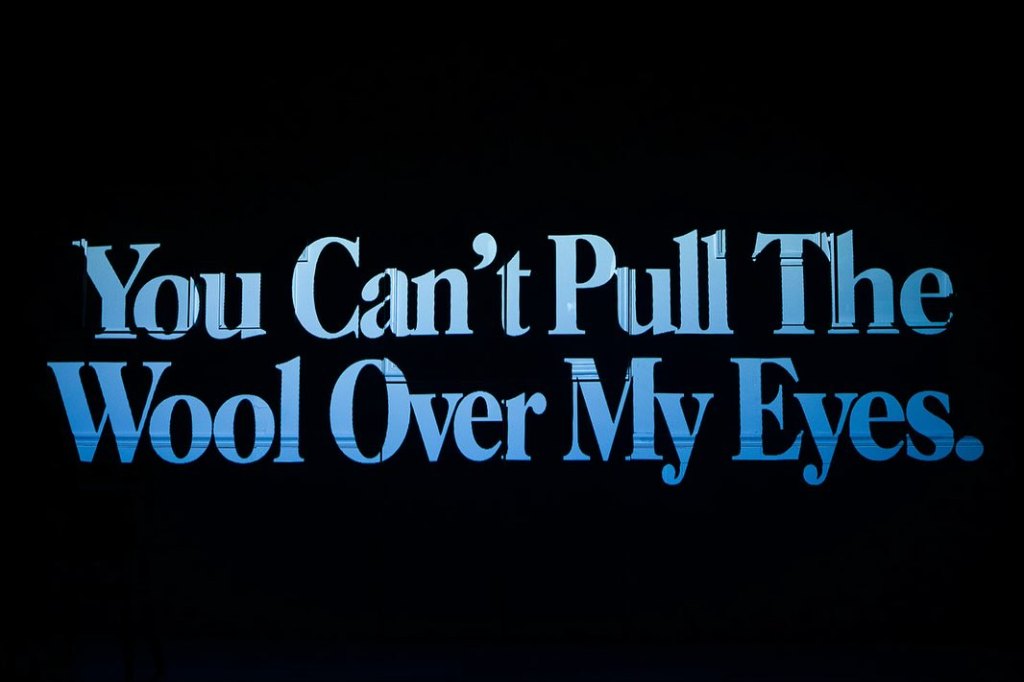
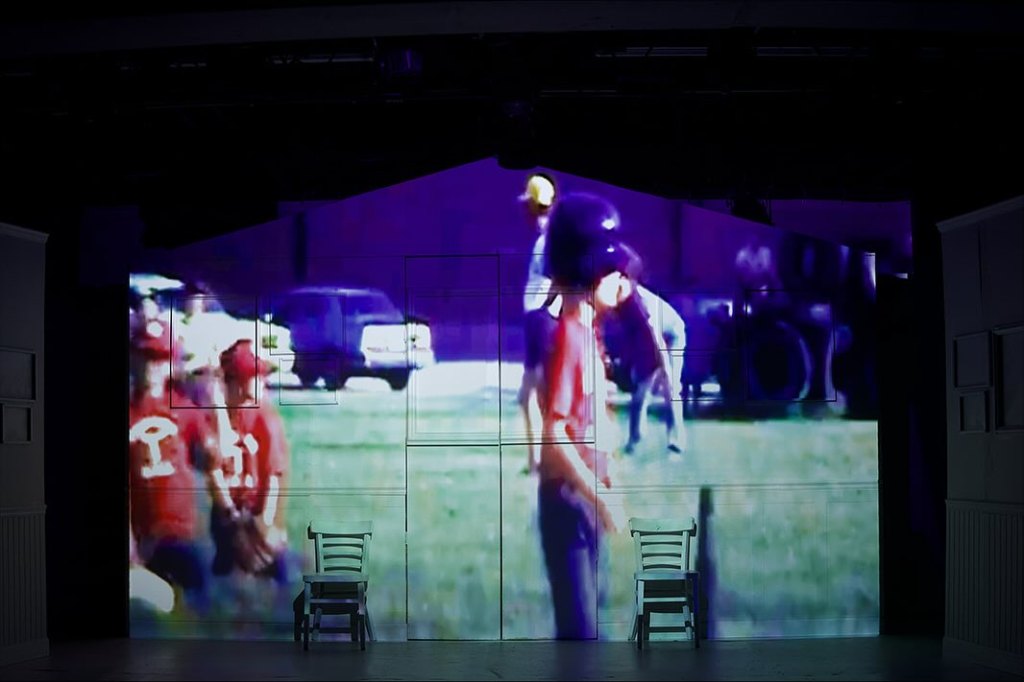
Conversations with Mother is a poignant semi-autobiographical play by Matthew Lombardo that explores the dynamics of a relationship between a fiercely loving and protective mother and her gay son. The story unfolds primarily through their conversations, with the aid of projected subtitles and grainy home movies. Conversations with Mother reveals and celebrates the complexities of love, generational differences, and the challenges of navigating the passing phases of five decades of a shared life. 

As in his play Who’s Holiday, his comedy about the adult Cindy Lou Who that has also graced the RTP stage, Lombardo masterfully balances comedy with real life – intense and unadorned, sometimes snot-nosed ugly. 

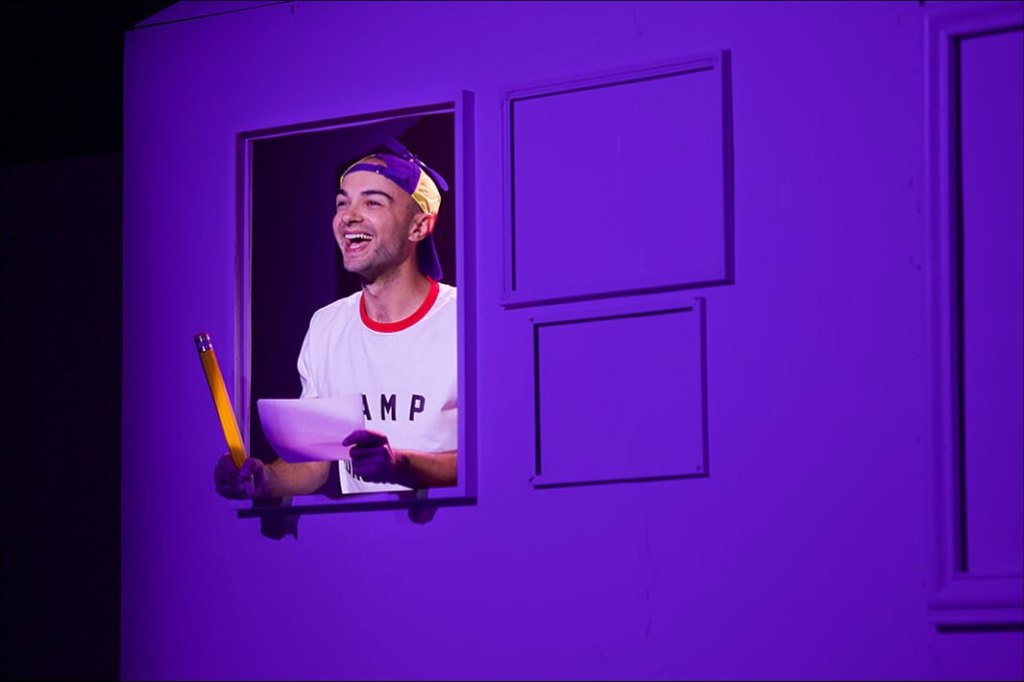
The son, Bobby Collavecchio played by Daniel Daigle, becomes a successful playwright, almost in spite of the roadblocks he erects in his own path. He grapples with bad relationships and writer’s block, drug addiction, and low self-esteem. The mother, Maria Collavecchio, played by Sarah Heifetz, is a strong-willed and traditional Italian matriarch (although I must confess that when she first began talking, I thought we were dealing with a Jewish mother – same character, different recipes…). A running line is, “tell me the truth and I won’t get mad.” Watching Heifetz’s face trying to master this enormous lie is one of the highlights of the play, which runs about 75 minutes with no intermission. 

Bobby and Maria’s dialogues oscillate between humor and deep emotion, reflecting their shared history, familial bonds, and sometimes conflicting perspectives. Maria is not above saying “No,” you can’t come home from camp early to her pre-adolescent son or showing up unannounced at her adult son’s New York apartment, ready to battle his abusive boyfriend. When he finally gets a play produced on Broadway, Maria sits quietly holding his hand, until she can’t contain herself and leaps from her seat screaming with mama bear pride. At one point when Bobby asks, “Do you still love me?” Maria answers truthfully, “Not at this moment.” But love is enduring. A mother’s love – this mother’s love – never fails. And there is hope and the essence of something just out of reach that we’re all seeking underlying every scene of Conversations with Mother

“Did you get a job yet?” 

Why can’t you ever meet a nice boy? 

“You know what the Germans are famous for? Baking people – like crescent rolls!” 

If everyone jumped off a bridge, would you? 

If your phone doesn’t ring, it’s me. 

“If Christ had chosen better friends, He wouldn’t have died so young!” 

“THAT’S MY KID UP THERE!!!” 

As the mother reflects on her life and values, the son confronts his own choices and the realities of adulthood until, one day, the roles are reversed. Then, it’s Maria saying she has something to tell him, and making him promise he won’t get mad. 

Throughout the play, Lombardo captures the essence of the mother-son dynamic, highlighting themes of memory, regret, and acceptance, but most of all, love. The interplay of comedy and drama serves to create a heartfelt narrative that resonates with anyone who has experienced similar familial ties – and perhaps even with those who have not. The play ultimately underscores the enduring nature of love and the bittersweet reality of growing older. I wasn’t ready for the depth of emotion, from laughing out loud to tears streaming down my face at the end. 

Daigle masterfully navigated the decades from the pre-adolescent Bobby to the mature adult facing the same shenanigans from his own son that he once showered upon his own mother. Heifetz captures the range of emotions of Bobby’s mother with amazing grace and agility – she’s outrageous without ever becoming a caricature. 

This is a work that does not need a lot of props or decor. The set is a simple background of window frames, a screen for projecting captions and video, and two chairs the actors move about as they pass from one decade to another, one geographical location to another (primarily New York and Connecticut).  

Kudos to the creative team, starting with director Deejay Gray (I could feel his hand in Daigle’s portrayal of Bobby). Luke Newsome’s hair and makeup were awesome, with a special nod to Mama Maria’s wigs and another hat tip to Amber Marie Martinez’ costumes (and the unseen hands that helped make all those lightning-fast changes). Maria’s outfits were so authentic…Lucien Restivo’s projections (assuming that includes the video work), Weston Corey’s lighting design, and Kelsey Cordrey’s subtle but effective sound design were all perfection.  

Conversations with Mother is a perfect example of a play that stands on the merit of its words and the actors and creative team who curate them into a production that creates beautiful, memorable theater. 

———- 

Julinda D. Lewis is a dancer, teacher, and writer who was born in Brooklyn, NY and now lives in Eastern Henrico County. When not writing about theater, she teaches dance history at VCU and low impact dance fitness classes to seasoned movers like herself and occasionally performs. Julinda was recently awarded the Dean’s Distinguished Adjunct Faculty Award 2023-24 Academic Year by VCU School of the Arts and the 2025 Pioneer Award in Dance Ministry by Transformation International Worship Ministries, Newport News, VA. 

One-Time
Monthly
Yearly

Make a one-time, monthly, or annual donation

Make a monthly donation

Make a yearly donation

Choose an amount

$5.00
$15.00
$100.00
$5.00
$15.00
$100.00
$5.00
$15.00
$100.00

Or enter a custom amount

$

Your contribution in any amount is appreciated. Thank you for your support.

Your contribution is appreciated.

Your contribution is appreciated.

DonateDonate monthlyDonate yearly
BURIAL TAX

A World Premiere

A Theater Review by Julinda D Lewis

Presented by: Firehouse Theatre | A Firehouse Mainstage Production

At: Firehouse Theatre on the Carol Piersol Stage, 1609 W Broad St., RVA 23220

Performances: July 9 – 27, 2025

Ticket Prices: $5-$35

Info: (804) 355-2001 or firehousetheatre.org

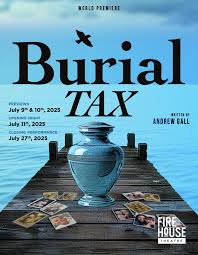
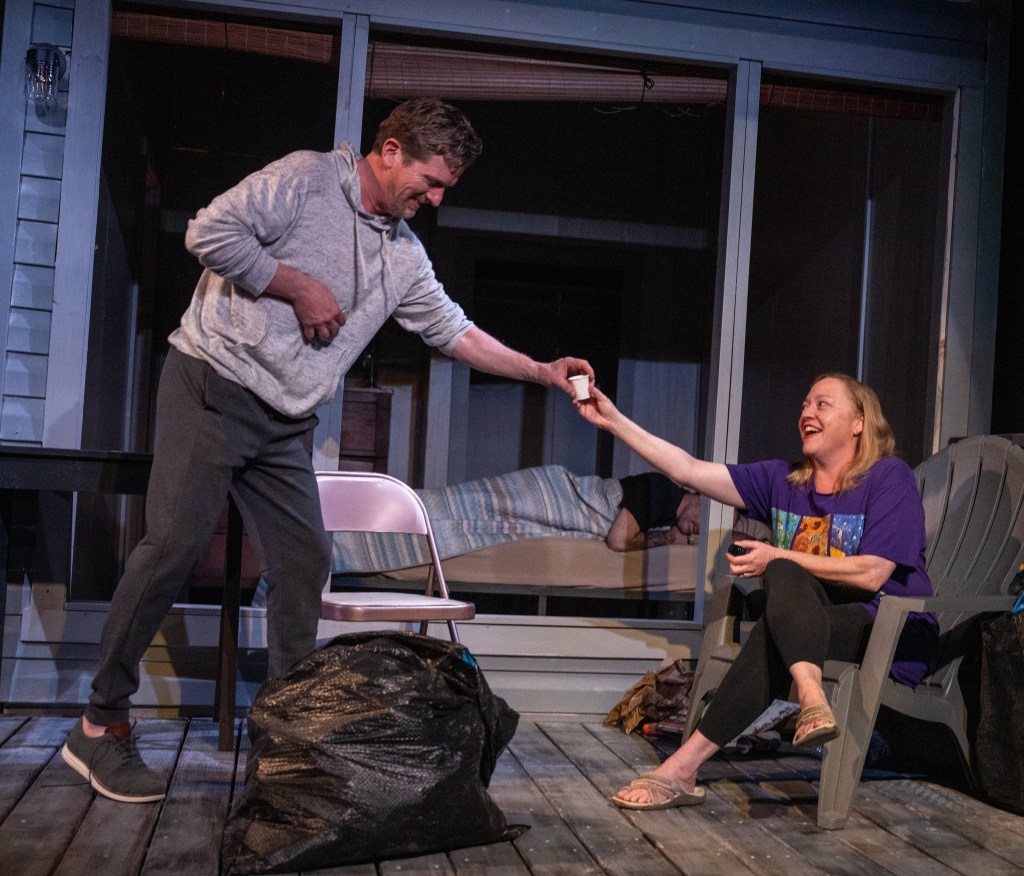
If there is any chance that you think your family might be dysfunctional, you might feel better about your own situation after seeing Andrew Gall’s new play, a dark comedy called Burial Tax.

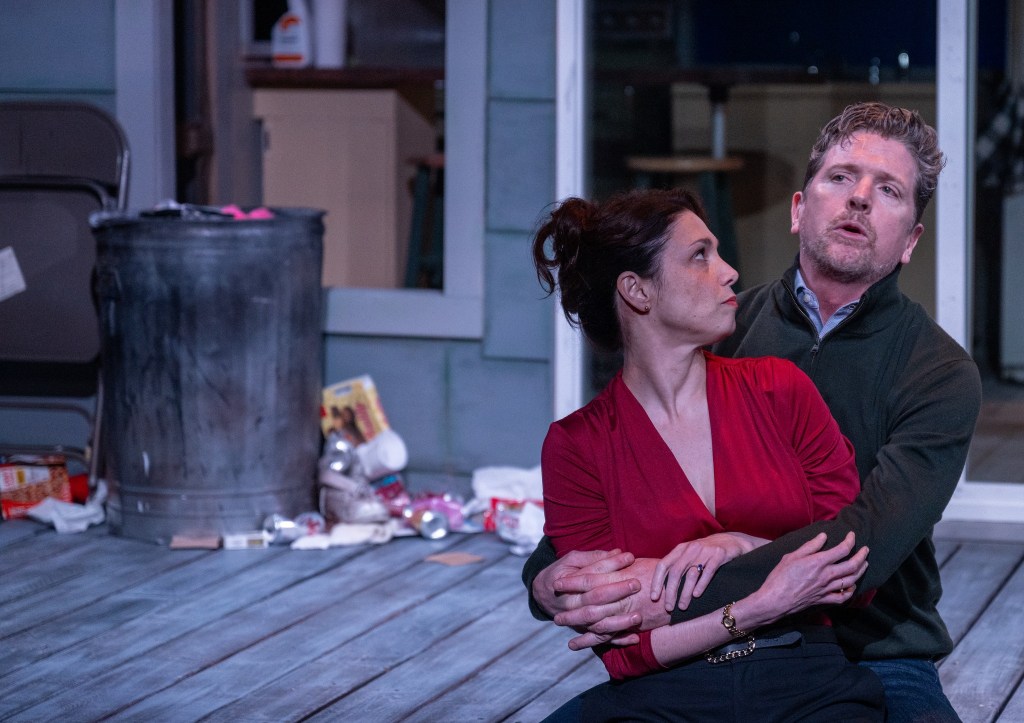
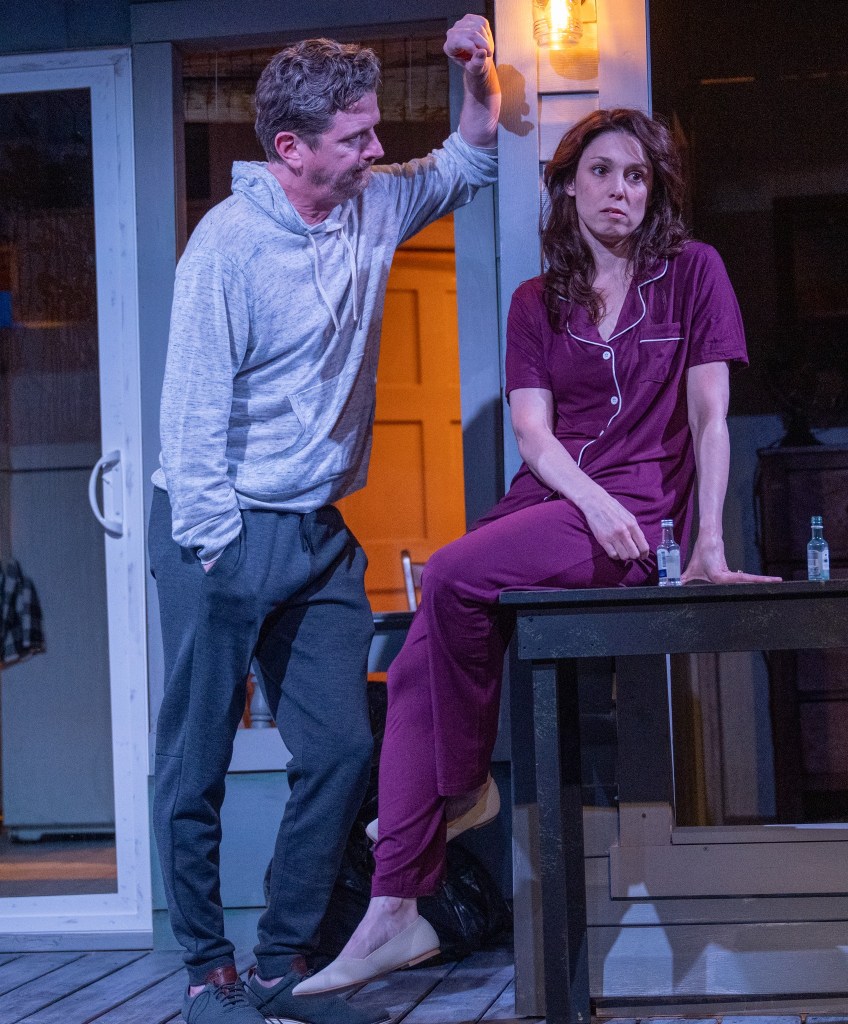
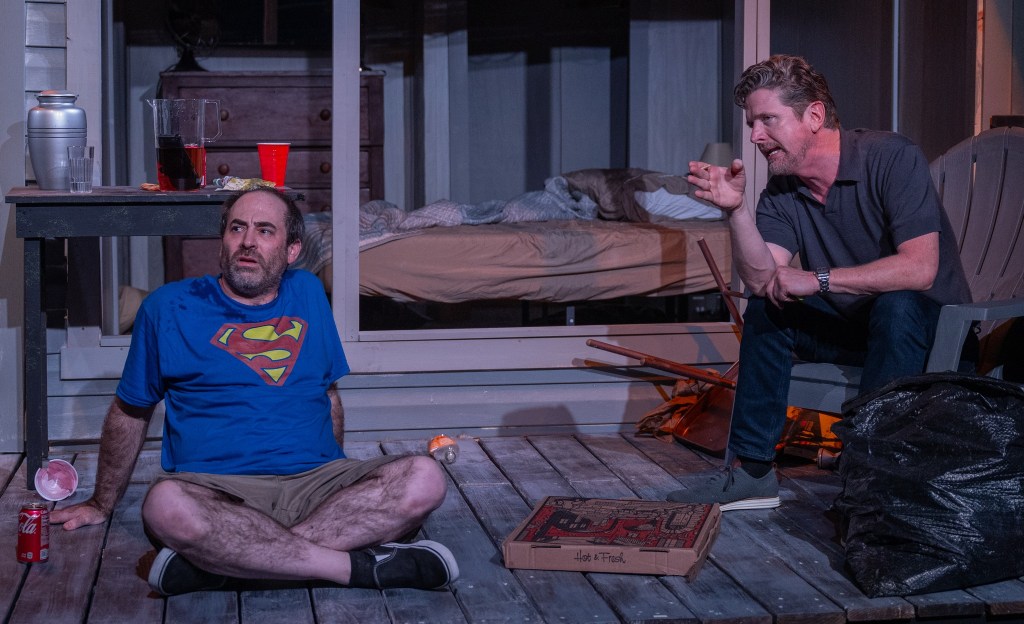
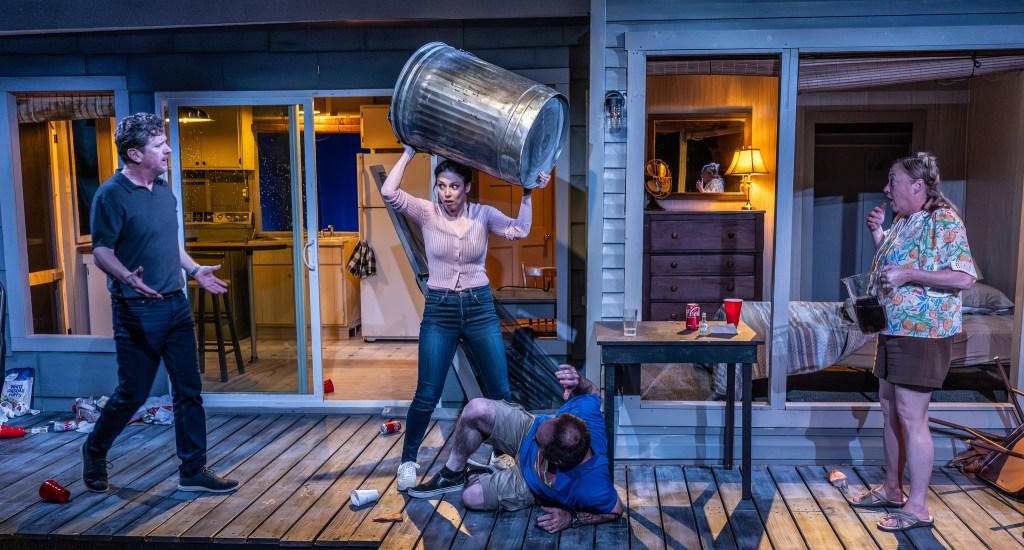
When two estranged siblings bring their respective partners to their family’s lake house to scatter the askes of their recently deceased father, things quickly get out of hand. Sparks fly – and so does scattered debris, a metal trash can, cold pizza, and even their father’s remains.

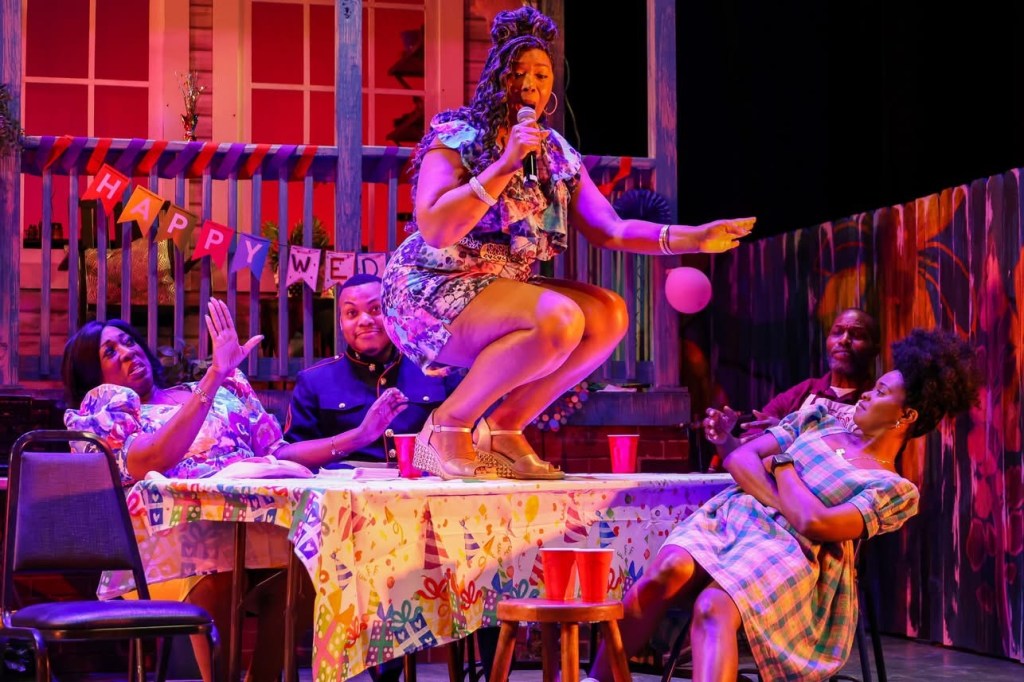
Most of us have probably experienced many of these family dynamics in our own lives: sibling rivalry, parental favoritism, failed educational goals, stagnant marriages. It’s the accumulation of all of these things in one place at the same time that makes this family’s drama exceptional. The shouting, the language, the twisted faces, the presence of alcohol, drugs, a weapon all elevate the tension to an unprecedented level of violence. (Sitting in the front row, we narrowly escaped the carnage when red plastic cups began flying across the stage and through the fourth wall.)

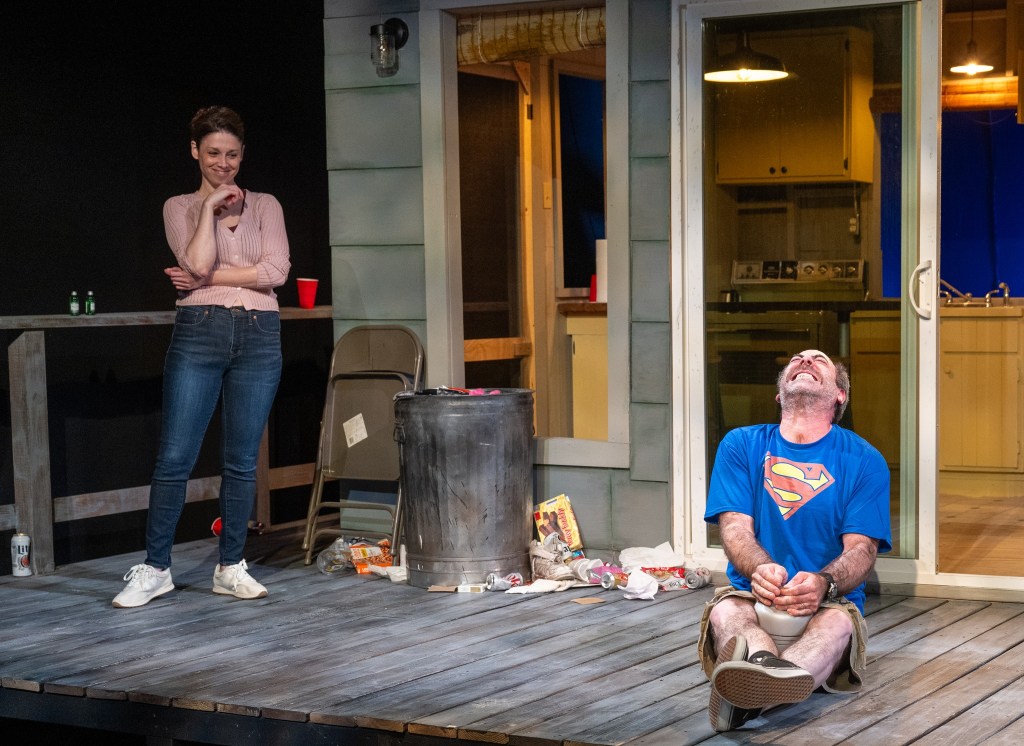
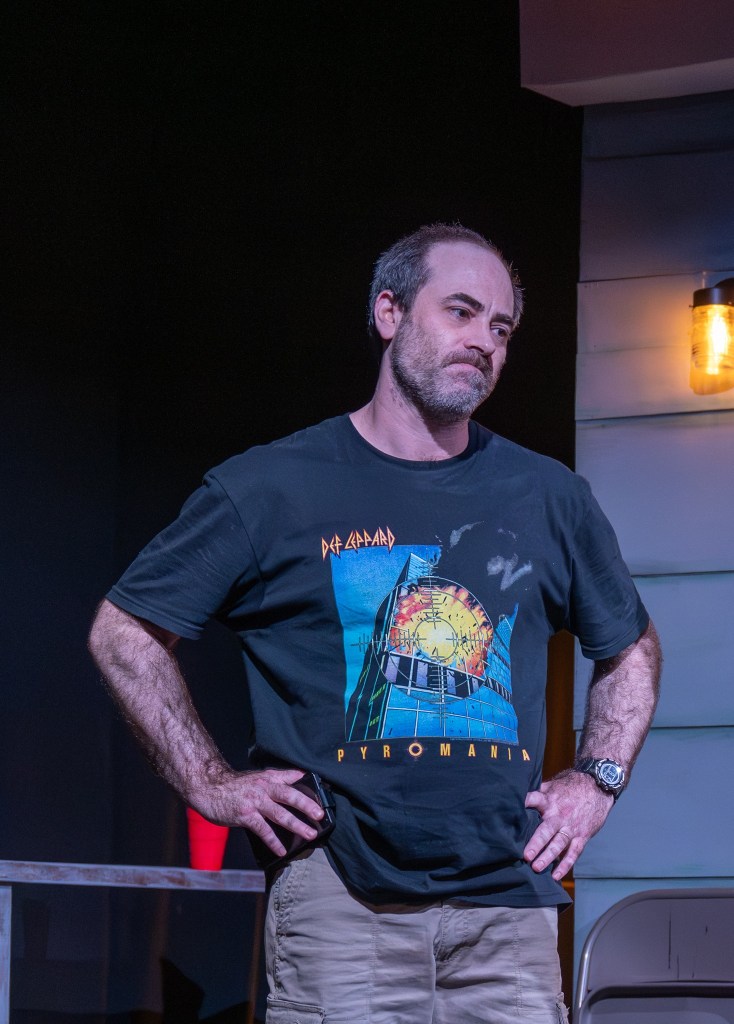
At the center of the controversy we find Steve (Matt Meixler) who once wanted to become a doctor and his younger sister Samantha (Nicole Morris-Anastasi) who is a doctor. The tables have turned since childhood when Steve was the favored child and Sam struggled to be seen. Childhood trauma runs deep, and Sam, despite her accomplishments, still seeks affirmation and appears to suffer from anxiety. Steve, on the other hand, has fallen from grace into an abyss he doesn’t  know how to climb out of.

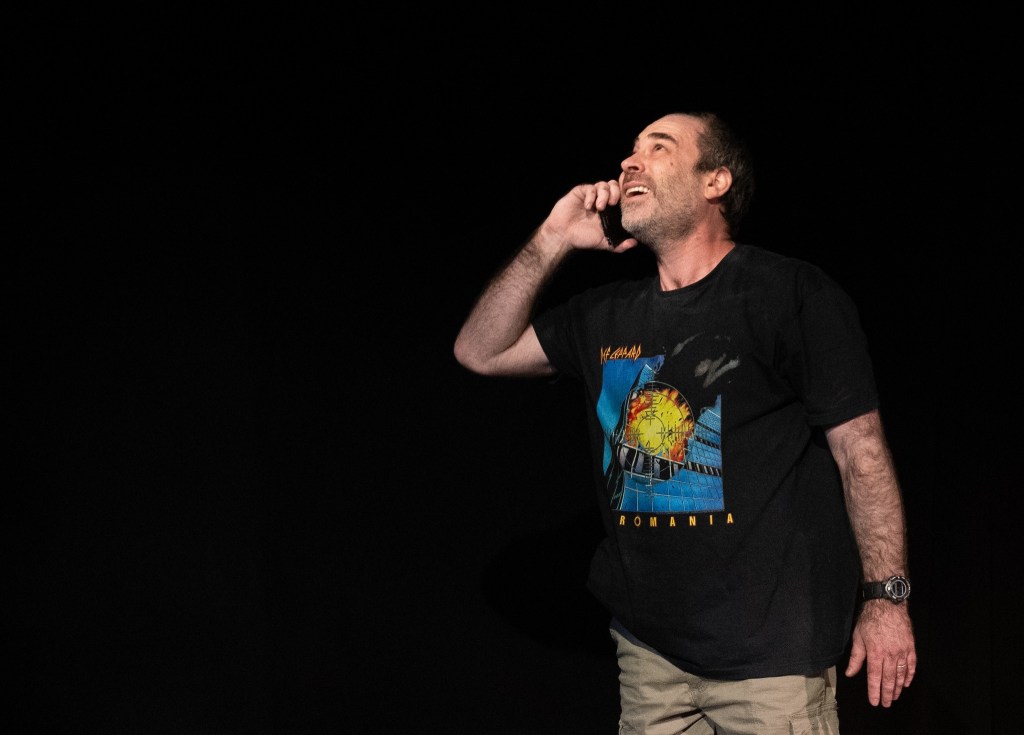
It is here that Steve’s wife Cora (Laine Satterfield) issues an ultimatum while Sam’s partner Dar (short for Darwin) approaches the whole family drama from a more philosophical point of view – fueled by alcohol in tiny airline-sized bottles and week that he somehow managed to sneak through airport security. Sam and Dar are not at each other’s throats like Steve and Cora, but their relationship is no less toxic.

It’s interesting that while Sam and Steve are the main characters, their partners Dar and Cora often have the most interesting things to say, make the most sense, and leave the greatest impression. I’m not sure if this was the intent of Gall’s script or the power of the actors themselves. Laine Satterfield appeared on this same stage just a few weeks prior in another dark comedy about a family drama in Cadence Theatre’s Smoke. [ See my review of Smoke here: https://jdldancesrva.com/2025/07/06/smoke/ ] Satterfield presents Cora as loud and angry, but she also shows a surprisingly unexpected empathy towards Sam. Cora is a more fully developed, three-dimensional character than Steve. Matt Meixler seems to spend much of his stage time on the floor. Sometimes he’s down there painting baseboards in preparation for his mother’s arrival. Sometimes he’s down there wallowing in the detritus of his life and his own bad choices and missed opportunities, all of which are encapsulated in Chris Raintree’s trash strewn set. Raintree’s scenic design, I must add, is phenomenal. The battle weary and generally dilapidated beach cottage, along with Grace Brown LaBelle’s sound design of waves washing the shore of the nearby lake and some appropriately evocative original music by Daniel Clarke are masterfully designed.

Steve’s preference for superhero tee shirts are a stark contrast to his station in life, and this is also masterfully highlighted in a late-night discussion with Dar. The seriousness of this conversation is offset by the humor that arises from Steve’s experience of trying weed for the first time. Meixler plays Steve with such a burden of defeat that there seems little hope of redemption.  Nicole Morris-Anastasi carries the burden of Sam’s childhood neglect to the point that it almost seems unlikely that she could have withstood the pressures of medical school. We never learn why young Steve was so cruel to his sister, and I don’t think Morris-Anastasi ever found out, either. Her character seems never to fully come into focus.

Duke Lafoon, on the other hand – and much like his counterpart in Laine Satterfield – gives his character more depth than the main character he supports. Dar seems to have more of a backstory than Sam, and Lafoon teases by quietly observing and then releasing philosophical tidbits the way Jesus used parables to teach the masses.

Overall, this is a successful world premiere with a strong cast and high production values. Gall’s script and Paul Takács’ direction keep things moving, often using shocking words and outrageous actions. It’s not just, as I believe one character says early in Act 1, “meaningless routine punctuated by Amazon deliveries. Act 1 is full of secrets and anger. “By the end of Act 2, the siblings have made some confessions, realized some truths, and come to a new understanding. But nothing is really resolved. There is no redemption, and whatever victory has been achieved feels less than satisfactory, more of a concession than a real win. “What we have learned from history, is that no one learns from history.” Maybe that’s why we have theater.

———-

Here’s a link to a promo video of Burial Tax: https://www.facebook.com/share/v/1AktDm7pjz/

———-

Here’s my preview from the July 2025 issue of Richmond Magazine:

Firehouse Theatre Producing Artistic Director Nathaniel Shaw says an essential component of the theater “is to amplify local talent.”

Burial Tax, written by Andrew Gall and directed by Paul Takács, will have its world premiere at Firehouse, July 11-27. After two years in development under the working title “Lake Effect,” the work promises to be a hauntingly dark comedy about the reunion of two estranged siblings who gather with their spouses at their family’s lake house to spread the ashes of their recently deceased father. It’s a release of beauty and pain, a comedic experience of family dynamics, and a unique take on the pressures of adulthood.

Gall says, “It makes us think about a shared experience in a new way.”

———-

Julinda D. Lewis is a dancer, teacher, and writer who was born in Brooklyn, NY and now lives in Eastern Henrico County. When not writing about theater, she teaches dance history at VCU and low impact dance fitness classes to seasoned movers like herself and occasionally performs.

———-

BURIAL TAX

Written by Andrew Gall

Directed by Paul Takács

CAST

Cora                   …..        Laine Satterfield

Samantha       …..        Nicole Morris-Anastasi

Steve                 …..        Matt Meixler

Dar                     …..        Duke Lafoon

Cora U/S          …..        Donna Marie Miller

Samantha U/S ….       Rachel Dilliplane

Steve/Dar U/S  ….       Andy Braden

PRODUCTION TEAM & CREW

Direction                        …..        Paul Takács

Scenic Design              …..        Chris Raintree

Lighting Design            …..        Gretta Daughtrey

Costume Design         …..        Sassy Rychalsk

Sound Design               …..        Grace Brown LaBelle

Original Music Composer     Daniel Clarke

Playwright                      …..        Andrew Gall

Assistant Director      …..        Rachel Dilliplane

Stage Management   …..        Emily Sanford Hicks

Asst Stage Management        Isabel Stone

Tickets: $5-$35

Ticket Info: (804) 355-2001 or firehousetheatre.org

Performance Schedule: July 9-27, 2025

Thursdays, Fridays, Saturdays @7:30PM

Saturdays & Sundays @2:00PM

Previews: July 9 & 10 (Pay-What-You-Will)

Opening Night: Friday, July 11

Closing: Sunday, July 27 @2:00PM

Run Time: about 2 hours with one 15-minute intermission

One-Time
Monthly
Yearly

Make a one-time, monthly, or annual donation to support the continued publication of rvart review. writers need $, too!

Make a monthly donation

Make a yearly donation

Choose an amount

$5.00
$15.00
$100.00
$5.00
$15.00
$100.00
$5.00
$15.00
$100.00

Or enter a custom amount

$

Your contribution is appreciated.

Your contribution is appreciated.

Your contribution is appreciated.

DonateDonate monthlyDonate yearly
A MIDSUMMER NIGHT’S DREAM

Potions, Poetry & the Power of Dreams

A Theater Review by Julinda D. Lewis

Presented by: Richmond Shakespeare

Performances: June 19 – July 20, 2025 [Extended to July 27!]

At: Agecroft Hall, 4305 Sulgrave Rd., RVA 23221

Ticket Prices: $22-$47 [Adults $47; Seniors 65+ with ID $42; Military with ID $32; College Students with ID $27 & Children 18 and under $22] Seating is General Admission.

Info: (804) 340-0115 or http://www.richmondshakespeare.org

Shakespeare wrote A Midsummer Night’s Dream in around 1595 or 1596. Here we are in 2025, watching Shakespeare’s sixteenth century comedy about people in Ancient Greece (c. 12th century) being performed by a cast of characters in 1950’s attire. Now that, my friend, is the definition of timeless. [NOTE: A brief synopsis of the play is provided at the end of this reflection.]

As Director James Ricks notes in the Midsummer program, the play was most likely originally performed in an outdoor venue where, much like at Agecroft Hall, the close proximity of audience and actors created a uniquely intimate dynamic. “Here,” Ricks wrote, “we have assembled to ‘rehearse most obscenely and courageously,’ employing Shakespeare’s original practices with a touch of modern technology.”

Lysander (Erich Appleby) slouches onstage looking like he’s auditioning for a role as “the Fonz” in Happy Days and Demetrius (Gordon Graham) shows up wearing his preppy letterman sweater. Hermia (Erin Chaves) wears pink pedal pushers, completing the 1950’s casual couture look, while Hermia’s father, Egeus (Erica Hughes) inexplicably sports the wide-brimmed hat and accent of a landed southern planter. Theseus, the Duke of Athens (Arik Cullen) cautions Hermia in his best Shakespearean intonation to “fit your fancies to your father’s will,” while Bottom (James Ricks), channels Marlon Brandon c.1954 spouting, “I could’a been a contender!”  

And did I mention the doo-wop songs? OMG there were doo wop songs sung by proper quartets with outstanding harmony offering such classics as “In the Still of the Night,” “At Last,” and “A Sunday Kind of Love.” A Midsummer Night’s Dream was filled with one surprise after another – all good – starting when I opened my program and saw that Richmond Shakespeare’s Artistic Director James Ricks had cast himself in the role of Bottom.

What bold choices. What unlikely pairings. What a brilliant production! This is a true ensemble, with nearly every actor getting a chance to shine. Let’s take a look:

Erick Appleby’s insouciance as Lysander, one of the two young male love interests, early on set a tone and laid a foundation for what to expect going forward. Erin Chaves, in the role of Lysander’s beloved Hermia, seems always on the verge of being the mean girl, but it’s obvious she’s got “home training” – as who wouldn’t with an over-bearing parent like Egeus (more about Erica Hughes in just a moment). Gordon Graham as Demetrius was the nerdy guy most likely to be approved by the parents, I almost felt sorry for him under the pressure of hot pursuit by the love-struck Helena, played with over-the-top angst by Paisley LoBue.

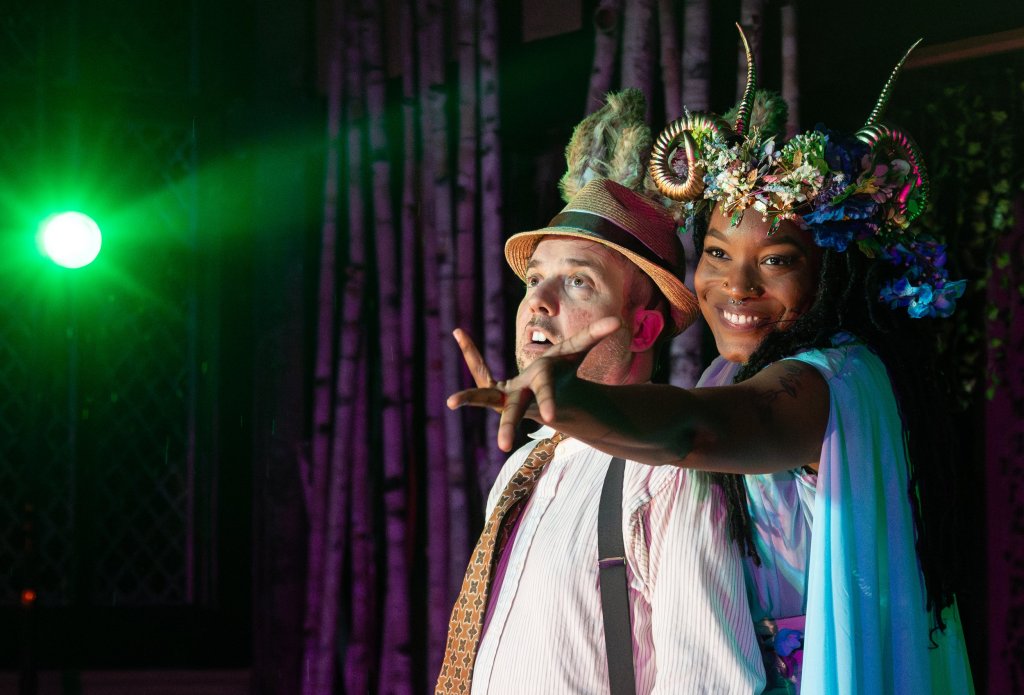
Arik Cullen was regal as Theseus, the Duke of Athens, and almost villainous as Oberon, the King of the Fairies and husband of the Fairy Queen Titania, with whom he is at odds. Jianna Hurt doesn’t have much to do as Theseus’ fiancée Hippolyta but makes up for it in her role as Titania where she gets to be beautiful, independent, and inadvertently funny (when she awakens to fall in love with a donkey) – and also gets to sing her heart out.

Erica Hughes, whose mastery of dialects I have long admired, played Egeus as a domineering parent with a southern accent, but it was as Quince, the leader of the mechanicals – a group of laborers (e.g., a baker, a weaver, a carpenter, etc.) who moonlight as incredibly inept actors whose goal is to perform the play-within-a-play Pyramus and Thisbe for the royal wedding program of Theseus and Hippolyta that she really shines. It is as part of this group that James Ricks has brilliantly inserted himself as Bottom, an overly confident weaver who enthusiastically volunteers to play every part in the play. Ricks turns what might otherwise have been a minor character into a highlight of every scene he tackled.

The ensemble-within-the-ensemble, who played the mechanicals as well as Titania’s fairy court included Alex Godschalk, Enrique Gonzalez, Elle Meerovich, Toby O’Brien, and Abe Timm. Meerovich also served as the play’s Music Director (the main play, that is, not the play-within-the-play) and got to lead at least one song – of course – but also made a lasting impression as The Wall in Pyramus and Thisbe – an intentionally bad parody of a Shakespeare play.

I did not forget about Puck – the mischievous assistant to Oberon whose hurried and impish nature leads to a mistake that sets in motion an epic series of misadventures. Abe Timm (he/she/them) is the most delightful, most energetic Puck I’ve ever seen, and I have seen a few – in both play and ballet form. (And I must confess, the last time I saw a Richmond Shakespeare production of A Midsummer Night’s Dream I was wholly partial because the role was played by Raven Lorraine, who was once a Brownie Girl Scout in the troop I led…)

But to get back to this production, this represents some of James Ricks’ finest work – both as director and as actor. The musical direction by Meerovich added delightfully unexpected and highly satisfying 1950’s harmony and the choreography by Starrene Foster wasn’t so much dance phrases as organic movement designed to keep everyone and everything flowing in one accord.

What more can be said about this production…other than this is what theater was meant to be.

—–

Julinda D. Lewis is a dancer, teacher, and writer who was born in Brooklyn, NY and now lives in Eastern Henrico County. When not writing about theater, she teaches dance history at VCU and low impact dance fitness classes to seasoned movers like herself and occasionally gets to perform.

—–

A MIDSUMMER NIGHT’S DREAM

Written by William Shakespeare

Directed by James Ricks

CAST

Lysander                               …..      Erich Appleby

Hermia                                   …..      Erin Chaves

Oberon/Theseus                 …..      Arik Cullen

Attendant/Fairy                   …..      Kara Finnegan

Starveling/Mustardseed    …..      Alex Godschalk

Flute/Peasblossom             …..      Enrique Gonzalez

Demetrius                             …..      Gordon Graham

Quince/Egeus          .           …..      Erica Hughes

Titania/Hippolyta                …..      Jianna Hurt

Helena                                   …..      Paisley LoBue

Snout/Moth                          …..      Elle Meerovich

Snug/Cobweb                     …..      Toby O’Brien

Bottom                                  …..      James Ricks

Puck/Philostrate                  …..      Abe Timm

PRODUCTION TEAM

Artistic Director/Bottom/

            Director/Production

            Management/

            Scenic Design/

            Sound Design          …..      James Ricks

Managing Director             …..      Jase Smith Sullivan

Production Manager/

Stage Manager        …..      Nata Moriconi

Assistant Stage Manager/

Props Design            …..      Jordan Dively

Assistant Stage Manager   …..      Kathleen Acree

Costume Design                  …..      Anna Bialkowski

Lighting Design                   …..      Griffin Hardy

Choreographer                   …..      Starrene Foster

Music Director/Arranger   …..      Elle Meerovich

Intimacy Director                 …..      Dorothy “Dee D.” Miller

Assistant Director                …..      Andrew Gall

Run Time: About 2 hours 30 minutes; there is one intermission

Setting: Ancient Athens and the nearby forest, approximately 12th Century B.C.

Photo Credits: Aaron Sutten; Richmond Shakespeare Website & Facebook page

A Brief Synopsis of William Shakespeare’s A Midsummer Night’s Dream:

A Midsummer Night’s Dream is a comedic play by William Shakespeare that intertwines the lives of four young Athenian lovers—Hermia, Lysander, Helena, and Demetrius—with a group of mischievous fairies and a troupe of amateur actors. The play is set in the mystical woods outside of Athens, where magic and whimsy reign.

The story begins with Hermia, who is in love with Lysander, but her father Egeus insists she marries Demetrius, who is in love with her. Disregarding her father’s wishes, Hermia flees with Lysander into the forest, followed by Helena, who harbors unrequited feelings for Demetrius. In the enchanted woods, the fairy king Oberon and his queen Titania are embroiled in their own domestic quarrel, leading Oberon to seek revenge using a magical flower that causes love at first sight.

As Oberon instructs his mischievous servant Puck to apply the potion to Titania and to Demetrius so he will fall in love with Helena, chaos ensues. Mistaken identities and unintentional enchantments result in a tangled web of romantic confusion among four young lovers. Meanwhile, a group of amateur actors, led by the bumbling Bottom, unknowingly becomes part of the fairy mischief, resulting in humorous transformations and antics.

Ultimately, love prevails as the magic wears off, misunderstandings are resolved, and the couples reunite correctly. The play concludes with the characters returning to Athens, ready to celebrate their marriages, and Puck delivers a final monologue inviting the audience to view the events as a dream. Shakespeare’s exploration of love, fantasy, and reality culminates in a lively and whimsical tapestry that highlights the folly and joy of human emotion.

[This synopsis was generated with the assistance of AI.]

One-Time
Monthly
Yearly

Make a one-time, monthly, or annual donation to show how much you appreciate rvart review – we receive no funding other than your generous donations

Make a monthly donation

Make a yearly donation

Choose an amount

$5.00
$15.00
$100.00
$5.00
$15.00
$100.00
$5.00
$15.00
$100.00

Or enter a custom amount

$

Your contribution is appreciated.

Your contribution is appreciated.

Your contribution is appreciated.

DonateDonate monthlyDonate yearly
HONKY TONK HISSY FIT

Another Doublewide Texas Comedy

A Theater Review by Julinda D. Lewis

Presented by CAT – Chamberlayne Actor’s Theatre

At: The Bradley Theatre at Hanover Tavern, 13181 Hanover Courthouse Rd., Route 301, Hanover, VA 23069

Performances: June 6-22, 2025

Ticket Prices: $34.00 General Admission. $30.00 Seniors 60+

Info: (804) 362-2950 or www.cattheatre.com

Honky Tonk Hissy Fit is the third in the trilogy of Doublewide comedies written by Jessie Jones, Nicholas Hope, and Jamie Wooten. Published in 2021, HHSF as supposed to have its world premiere at CAT, but COVID happened. The play had its world premiere April 30, 2021 at the Lake Country Playhouse in Mineola, TX, but the published book carries the following dedication:

            HONKY TONK HISSY FIT was originally scheduled to receive

its world premiere at Chamberlayne Actors Theatre, Richmond,

Virginia, on September 18, 2020. Due to the Covid-19 Pandemic,

the premiere had to be cancelled. We dedicate this play to Kelly

St. Clair and all the members of CAT Theatre who tirelessly sought

to find a way to produce this comedy.

The earlier parts of the trilogy have been presented in Richmond and you can find my reviews of Doublewide, Texas performed by CAT Theatre in June 2018 (https://jdldancesrva.com/2018/06/05/doublewide-texas-a-hoot-n-a-hollar/) , followed by A Doublewide, Texas Christmas in November-December 2018 (https://jdldancesrva.com/2018/06/05/doublewide-texas-a-hoot-n-a-hollar/) both at CAT’s former Wilkinson Rd. location.

In the first part of the trilogy, the tiny town of Doublewide is threatened with annexation by the nearby town of Tugaloo. The Christmas show found the little town – population 10 – facing complications as they awaited their incorporation papers. Having survived all of that – plus COVID – Honky Tonk Hissy Fit now finds the town has grown from 4 trailers and a shed to 17 doublewide mobile homes and proudly hosts a weekend farmer’s market. Just when things are looking up, here comes another attack, this time from a corporation in Austin that wants to buy them out and turn the whole town into an immersive experience for tourists. Once it becomes known that the plan would force everyone to relocate, the fight is on, led, once again, by Mayor Joveeta Crumpler, played, for the third time, by Crystal Oakley.

Also returning are Laura McFarland-Bukalski as Big Ether Satterwhite, director of the local senior residence, Stairway to Heaven Retirement Center, Lisa Piper as Georgia Dean Rudd, and Wally Jones as Haywood Sloggett.

The southern-styled comedy is not short of laughs, from “Baby” Crumpler’s dance moves to Haywood Sloggett’s pursuit of the local celebrity and town matriarch Caprice Crumpler. Georgia Dean is still in charge of the local diner, Mayor Joveeta Crumpler maintains her position as the town’s solo voice of reason, and free-spirit Larken Barken trades in her fresh pressed juices for a caffeine kick.

Crystal Oakley owns her character of Joveeta with a deliciously southern genteel passion, while Rebekah Spence plays up the larger-than-life character of Joveeta’s mother, Caprice. Harper Channing, making her CAT debut as the villainous Stacy Parker, introduced a precarious balance between “bless-your-heart” and heartless   businesswoman clawing her way to a promotion.

While Honky Tonk Hissy Fit is a stand-alone play, knowing the background of the previous Doublewide shows provides helpful information and sets up ground level expectations. There were, indeed, laughs aplenty, but…

Overall, Honky Tonk Hissy Fit fell a bit flat. The set looked tired, worn-out, drab. The laughs were genuine, but the delivery seemed at times to be lackluster. The pacing wasn’t too slow, but the delivery sometimes felt…forced? I’m not saying I didn’t have a good time, but I don’t believe CAT pulled out the good company dishes for this one.

———-

Julinda D. Lewis is a dancer, teacher, and writer who was born in Brooklyn, NY and now lives in Eastern Henrico County. When not writing about theater, she teaches dance history at VCU and low impact dance fitness classes to seasoned movers like herself and occasionally gets to perform.

HONKY TONK HISSY FIT:

A Doublewide Texas Comedy

Written by Jones Hope Wooten

Directed by Mike Fletcher

Cast

Big Ethel Satterwhite          …..      Laura McFarland-Bukalski

Georgia Dean Rud              …..      Lisa Piper

Nash Sloggett                      …..      Michael Edward McClain

Larken Barken                      …..      Payton Vernier

Caprice Crumpler               …..      Rebekah Spence

Haywood Sloggett              …..      Wally Jones

Joveeta Inez Crumpler       …..      Crystal Oakley

Norwayne “Baby” Crumpler …..      Chris Yarbrough

Harper Channing                 …..      Stacy Parker

Creative Design Team & Crew

Producer –  Crystal Oakley

Hanover Tavern Executive Director – David Deal

Lighting Design – TJ Washington

Scenic Design – Scott Bergman

Costume Design – Alison Eichler

Sound Design – CC Corrieri

Properties Design – Sandi Bergman

Lights and Sound Operator – CC Corrieri

Publicity – Jason Lucas

Photography – Daryll Morgan Studios

Set Construction – Charles ax, Sandi Bergman Kerrigan Sullivan, Scott Bergman, Crystal Oakley, CC Corrieri

Setting

Doublewide, Texas. The present. The play takes place over 8 days in late spring.

Run Time

Approximately 2 hours, including one 15-minute intermission

One-Time
Monthly
Yearly

Make a one-time, monthly, or annual donation to show your support and love for rvart review. no amount is too small – or too large!

Make a monthly donation

Make a yearly donation

Choose an amount

$5.00
$15.00
$100.00
$5.00
$15.00
$100.00
$5.00
$15.00
$100.00

Or enter a custom amount

$

Your contribution is appreciated.

Your contribution is appreciated.

Your contribution is appreciated.

DonateDonate monthlyDonate yearly
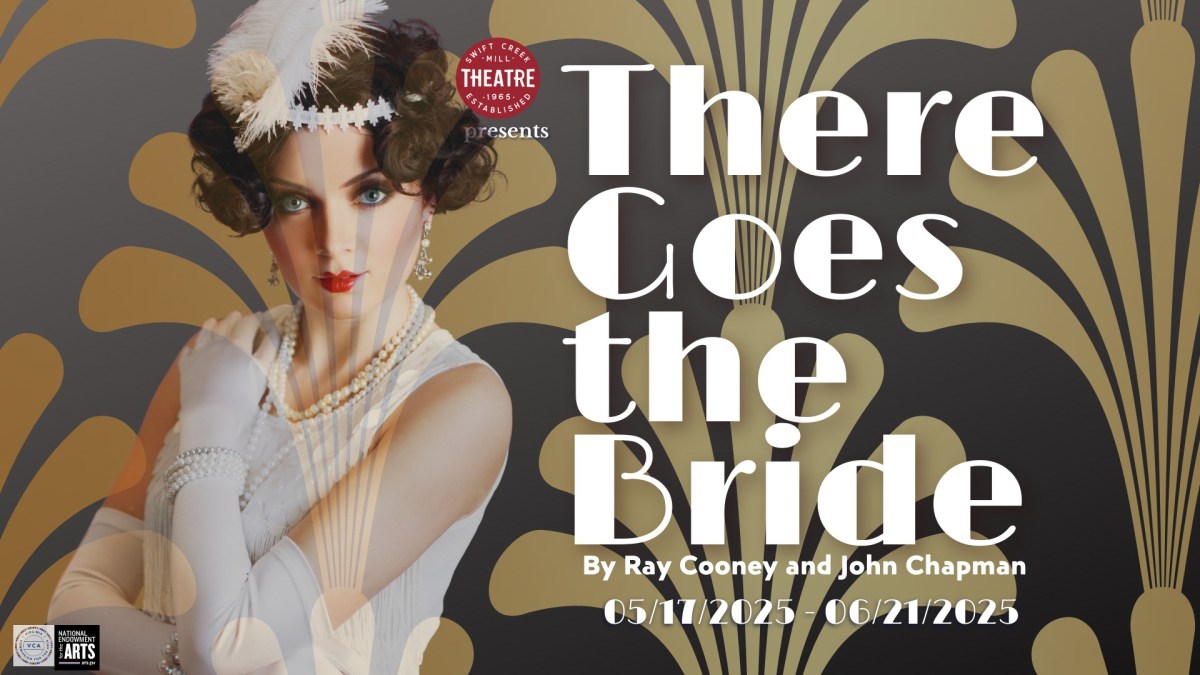
THERE GOES THE BRIDE

A Ray Cooney Farce!

At: The Swift Creek Mill Theatre, 17401 U.S. Route One, Chesterfield, VA 23834

Performances: May 17 – June 21, 2025

Ticket Prices: $44-49. Ask about discounts for students, seniors, and veterans.

Info: (804) 748-5203 or https://www.swiftcreekmill.com

A Theater Reflection by Julinda D. Lewis

In his pre-show curtain talk, director Tom Width told the Wednesday matinee audience that this show, There Goes the Bride, was the seventh Ray Cooney farce to grace the Swift Creek Mill stage*. Just last June we were treated to Run for Your Wife, https://jdldancesrva.com/2024/06/08/run-for-your-wife/ just for the fun of it. This spring, Width brought back There Goes the Bride after a 20-year hiatus, because “it’s just so stupid!”

The Plot

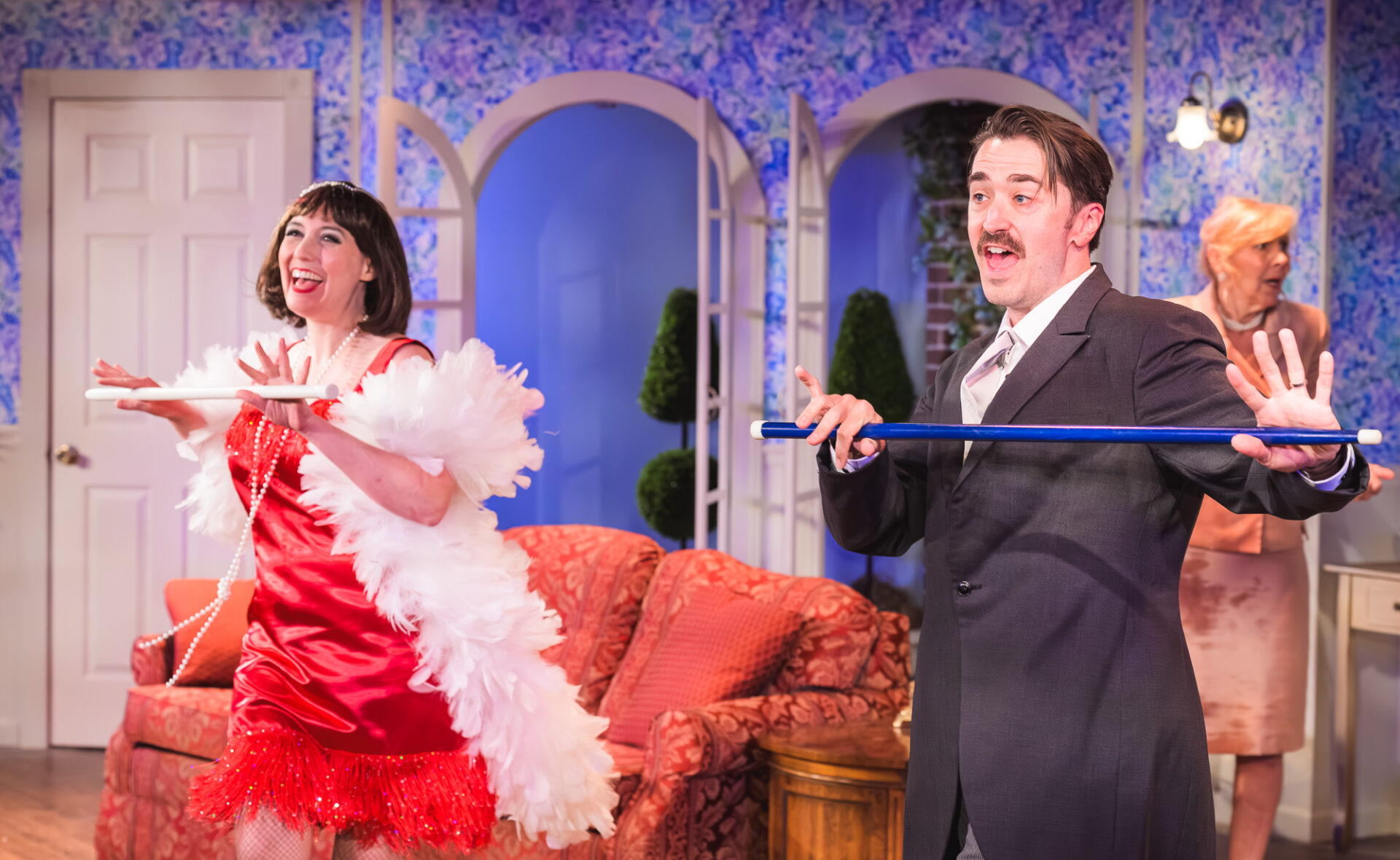
Timothy Westerby, an affable but overworked advertising executive, is trying to complete an ad campaign on the morning of his daughter’s wedding. He has to balance picking up the flowers, getting them to the church and to the prospective in-laws at their hotel, picking up some black socks for his own father-in-law, and along the way picking up the life-sized cut-out of the new ad campaign’s mascot – a 1920s flapper in a red dress and feather boa (and yes, those details are all important). Of course, he botches these assignments and ends up getting a bump in the head that results in him hallucinating that the flapper cut-out is a real woman, who has a crush on him, and who is dance partner in a show-business routine. Whew! Got all that? Because the fun is just getting started.

The Farce

In true farcical style (and I guess that is a real word, since spell check didn’t flag it…), things go downhill quickly. The bride locks herself in her room. Timothy’s wife, Ursula, pretends Timothy’s cousin, Bill, is her husband because Charlotte, the bride’s pretentious mother-in-law-to-be, who has travelled all the way from Australia only to find that Timothy, the bride’s father, had forgotten to confirm her hotel reservation, is appalled at Timothy’s behavior. Ursula’s mother, Daphne, spends much of the morning trying to get into her girdle, while her husband, Gerald, a retired doctor, meddles in everybody’s business and has a grand old time mimicking Timothy who suffers not just one but a series of head bumps, each leading to more outrageous behavior until, finally, he comes to himself. Ursula becomes increasingly distraught trying to compete with Polly who, by the way, no one but Timothy can see, because she is, after all, an hallucination.

My Take

Each of these characters brings something unique to the ensemble. The bride herself is not the main character, spending much of the play locked away in her room, horrified by her father’s behavior as well as the overly elaborate wedding her parents have planned. It seems she and her betrothed – who is not even a character in the play – would just as soon go to the registry and have a civil wedding and avoid all the fuss of a church ceremony followed by a reception in her parent’s garden. But near the beginning of the play Judy, played by Maggie Jordan does manage to create somewhat of a stir by revealing to her parents that she and her fiancé – whose name I can’t even remember – have engaged in some pre-marital shenanigans. While her mother, Ursula, played by Emma Mason, takes this news in stride, it upsets her father Timothy (Robbie Winston) to the point where he is ready to call off the whole wedding. That seems to be just the opposite of the reaction I would have expected of the father, but this is a farce and it’s not my family, so…

Ursula (Emma Mason) and Bill (Matt Hackman) try to keep everything from falling apart, but as soon as they patch up one problem, another pops up; such is the nature of a farce. Both manage to generate humor while attempting to be the face of calm and reason in the midst of madness. Amazingly, I don’t think either of them ever broke character or struggled to hold back a snicker, a giggle, or a full guffaw. Very admirable.

Most of the physical, slapstick style humor was assigned to Robbie Winston’s character, Timothy. Winston navigated his fair share of pratfalls and head bumps, as well as the choreography of slamming doors as he moved Polly around like the bottle cap hidden under the cup in a sleight-of-hand shell game – all while everyone else on stage pretended not to see her.

But we all have personal favorites, and for this production mine were John Hagadorn as the fumbling and forgetful grandfather, Dr. Gerald Drimmond and Valerie Chinn as the invisible flapper, Polly Perkins. Drimmond was droll throughout, dropping one-liners and making pertinent observations that always seemed to hit with extra nuance. His mimicking of Winston’s steps – which he called the doo-dah – was the highlight of his performance. It was the kind of bit that would have made you spit out your drink, if you were drinking. And then there was Valerie Chin, bouncing and bopping, doing the Charleston and swinging her feather boa, always with a huge smile and that laugh – that indescribable, bright, bubbly, cartoonish laugh!

In his Director’s Notes, Tom Width wrote: “We do love our farces here at the Mill!” As silly as it may look, this production required masterful timing to pull off. As Width explained, “the clown has to be a gymnast before he can do his pratfall as a comedian; everything must be planned carefully by the numbers before we can throw the number away and make it look as if there never were any numbers; and whit is seemingly mayhem must be meticulously planned.” Well, There Goes the Bride is masterfully, meticulously planned and executed. It has no deep or hidden messages; it’s just pure fun.

Oh, and Timothy did come up with a jingle for his ad campaign for his important client, a bra company: Perkins can take the flop out of your flappers!

———-

Julinda D. Lewis, EdD is a dancer, minister of dance,  teacher, and writer who was born in Brooklyn, NY and currently resides in Eastern Henrico County. When not writing about theater and dance, she teaches dance history at VCU and low impact dance fitness classes to seasoned movers like herself and occasionally gets to perform.

———-

THERE GOES THE BRIDE

By Ray Cooney and John Chapman

Directed by Tom Width

CAST

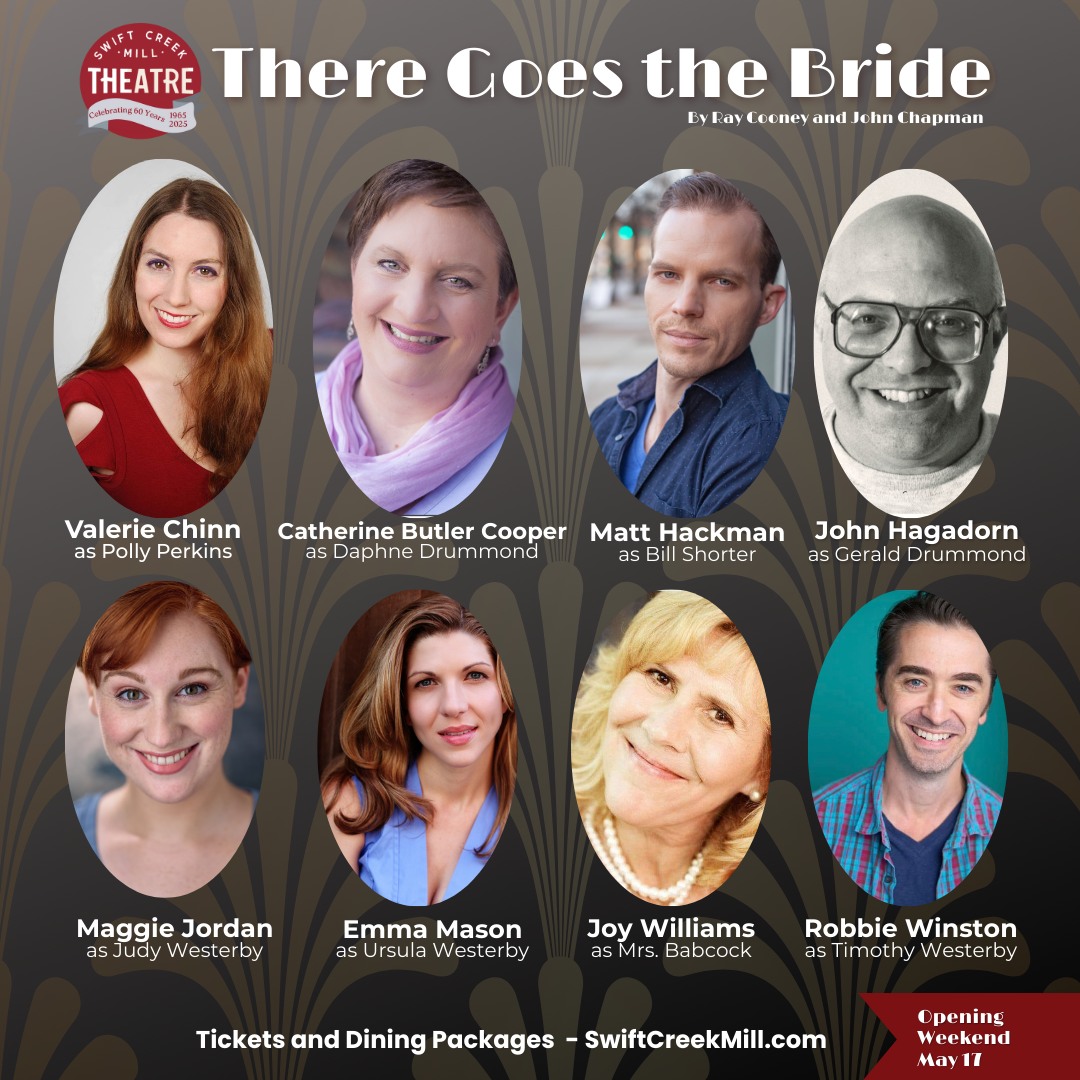
Emma Mason           as Ursula Westerby

Maggie Jordan        as Judy Westerby

John Hagadorn        as Dr. Gerald Drimmond

Matt Hackman          as Bill Shorter

Robbie Winston       as Timothy Westerby

Valerie Chinn            as Polly Perkins

Catherine Butler Cooper   as Daphne Drimmond

Joy Williams             as Charlotte Babcock

CREATIVE TEAM

Directed by Tom Width

Scenic Design by Tom Width

Lighting Design by Joe Doran

Costume Design by Maura Lynch Cravey

Technical Direction by James Nicholas

PRODUCTION STAFF

Producing Artistic Director …. Tom With

Technical Director ….. James Nicholas

Stage Manager ….. Sandy Lambert

Assistant Stage Manager/Props ….. Tom Width

Scenic Carpenter … Peter Prout

Light/Sound Board Operator ….. Brent Deekens

Set Crew ….. Peter Prout, Brent Deekens, Caitlin Tolson, Vincent Prout, Dasia Gregg, Nathan Hamill

Lighting Crew ….. Liz Allmon, Brent Deekens, Caitlin Tolson, Peter Prout

Photographer ….. Daryll Morgan

Wig Design ….. Alia Radabaugh

Time and Place:

The London home of the Westerbys, Summer 1974

Run Time:

About 2 hours, with 1 intermission

Performances:

May 17 – June 21, 2025

Thursdays, Fridays, Saturdays at 8:00PM

Select Wednesdays at 2:30PM

Tickets:

Regular $44-49. Discounts for Seniors, Military & Veterans

*Other Ray Cooney farces produced at Swift Creek Mill over the decades:

Run For Your Wife; Caught in the Net; Out of Order; Move Over, Mrs. Markham; It Runs in the Family; and Funny Money

Photographer: Daryll Morgan

One-Time
Monthly
Yearly

Make a one-time, monthy, or annnual donation to support rvart review

Make a monthly donation

Make a yearly donation

Choose an amount

$5.00
$15.00
$100.00
$5.00
$15.00
$100.00
$5.00
$15.00
$100.00

Or enter a custom amount

$

Your contribution is appreciated.

Your contribution is appreciated.

Your contribution is appreciated.

DonateDonate monthlyDonate yearly
WHICH WAY TO THE STAGE

The Roles We Play

At: Richmond Triangle Players at the Robert B. Moss Theatre, 1300 Altamont Avenue,  RVA 23220

Performances: April 23 – May 17, 2025

Ticket Prices: $50

Info: (804) 346-8113 or rtriangle.org

A Theater Reflection by Julinda D. Lewis

Ana Nogueira’s Which Way to the Stage is one of the funniest plays I’ve seen this season ever seen. It is also one of the most authentic plays I’ve ever seen about the theater, relationships either the theater or relationships. Which Way to the Stage is complex and layered. It’s filled with inside jokes – I’m sure that I probably only caught a quarter of them – that could be used as a test to weed out the true musical theater afficionados from the amateurs. I do know a few people – I won’t call them friends – who don’t like musical theater; this show is not for them.

Judy (Amanda Spellman) and Jeff (Matt Shofner) are best friends and theater buddies. Judy carries around a binder filled with playbills – including one from the original cast production of Rent. She and Jeff enjoy discussing things like who was the best Mama Rose in Gypsy (Bernadette Peters? Patti LuPone?) as if their very lives depend on the correct response.

“Like a caricature of a caricature of a performance by my mother in the Temple Beth Israel talent show.” – Judy

During the course of Which Way to the Stage, the two meet most nights outside the stage door of the Richard Rodgers Theatre, waiting for Idina Menzel* to appear, hoping to get her to sign their programs. She didn’t come out the night they saw the show she’s starring in, If/Then, and they are racing against time as the show is schedule to close soon.

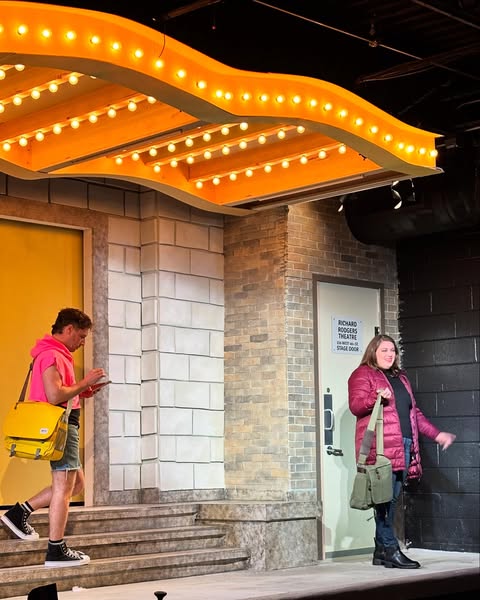
The main part of the set for Which Way to the Stage is outside the stage door of the Richard Rodgers Theatre, located at 226 West 46th Street in New York City’s theater district. The scene was immediately familiar to my daughter, who was my theater date on opening night. When we lived in NY, she attended New York’s High School of Graphic Communication Arts on West 49th Street, a short distance from the theater. Kudos to Daniel Allen, the scenic designer, for the authenticity. The theater marquee and the hallway where the actors wait for their auditions are perfection!

On stage at Richmond Triangle Players (RTP) Spellman and Shofner start off with high spirited theater-nerd banter that – incredibly – just keeps getting better and better as the show goes on. Personal chemistry? Great acting? Let’s say it’s a balanced blending of both. The two usually enter the stage from the audience, starting their loud banter as they walk to the theater – and nearly every time they have a near miss with the NYC traffic.

“I want to be Rent poor!” – Judy

Both Judy and Jeff are actors. Judy is returning to theater after taking time to develop a career in real estate – in New Jersey. She’s talented but lacks confidence. Jeff can’t get the roles he really wants because they’re for cis gender white men – or women. He works as a drag queen and specializes in portraying Streisand as Yentl (there’s some more musical theater history for you!).

Things start to get real when Judy crosses a line. You know how it’s taboo for the white friend to use the word “nigger” around their Black friends? Well, Judy, in an act of solidarity with Jeff, whose ex-boyfriend managed to get Menzel’s autograph on the one night Jeff and Judy could not be there, calls the ex a “faggot.” The atmosphere changes, the mood shifts, and Jeff, as gently as possible, explains that, even thought they have been friends since high school and even though Judy is what we might call an  “ally” these days, she can’t say that word.

At an audition, in which Judy does quite well, but doesn’t quite get the job, she meets and later starts a tenuous relationship with Mark (Calvin Malone). Mark seems to have a leg up on getting parts. He’s tall, white, handsome, and straight – or is he??? This throws a new cog in the wheel of Jeff and Judy’s relationship. There is now sexual tension, rivalry, jealousy, and an unnamed emotion that wells up in Judy when her femininity is not so much questioned as criticized. She is advised to take lessons in being more womanly – from a drag queen.

Spellman manages this brilliantly, starting subtly with a zipper that keeps sliding down, and building up to – well, If I told you, that would be too much of a spoiler. I’ll just say, it builds up, fueled in part by Judy’s own stagnation, Jeff’s insightful but cutting observations, and the Mark triangle.

Speaking of drag queens, Shofner completely slayed in his second act drag scene. First of all, let’s acknowledge the magic of Tariq Kariem (costume designer and wardrobe supervisor) and Like Newsome (who designed the hair and makeup). Shofner’s make-up and wig were applied in record time. At one point, I believe Shofner exited a door in one outfit and reappeared less than a minute later through another door in a completely different outfit! Onstage, after his over the top drag act, ending with a hearty lip-synced rendition of “Defying Gravity,” complete with a black cape, step-ladder and…mop, yes, a mop, not a broom (sigh)…as I was saying, after this number, Shofner, as Jeff, sits at his dressing room table and completes the process of removing every trace of the makeup – and act that is both professional and symbolically profound. As he strips off his character, he reveals more of himself.

There are a lot of symbolic and metaphoric words and actions in Which Way to the Stage. How do we define femininity? Who determines which roles are suitable for a gay actor? (I mean, after all, it’s…acting.) Is bisexuality a valid choice – or is refusing to accept labels just a lack of commitment? How does friendship survive or thrive when career, life, or perhaps being unevenly yoked all sink their hooks into every breath you take, and make it impossible to breathe?

Like most good humor, in my experience, Which Way to the Stage is based on real life: people, situations, circumstances, including identity and belonging – and in this case, all of the above. Shofner and Spellman really shine as the two besties, and Malone is suitably over-confident in a way that makes it seem natural that both Jeff and Judy would be attracted to his character. There is a fourth character, a nameless and over the top entity played by Sydnee Graves.

Graves fills the shoes of an actress at the casting call, a bachelorette at the drag show, and the casting director. I didn’t much like Actress at first. She was bougie, aloof, confrontational. And then she explained to Judy how she had to learn to navigate the world, and she became less of a stereotype and more of a real person. Actress was not written as a fully rounded character, but the tags on her dress, so she can return it after the audition, and her story of sexual harassment are very much true-to-life and provide a much-needed anchor for Judy on her journey. Casting Director is a very minor character, but Bachelorette, a drunken member of a bridal party whooping it up at the drag club where Jeff performs, seems to be included strictly for laughs and seems to have no redeeming qualities other than to provide a vehicle to divert attention from the stresses of the main characters. The three roles serve hilarity to the audience and establish Graves as a versatile comedic actor.

Actress has come to terms with her life, striking an uneasy truce with theater. Jeff has adopted a realistic look at the world of make-believe, and grasps at any straws of hope and love that come his way. Mark, well, he’s the straw. And since he can pass as a straight white male, he has access to privilege. It’s Judy who is floundering, and her way of coming up for air results in one of the most brilliant scenes of the show. (Shofner’s drag show holds two of the top three places.)

Which Way to the Stage is challenging. It unwraps the carefully concealed, seamy side of theater. It’s sort of like a theatrical version of revealing the magician’s secrets. And it’s all brilliantly adorned in witty conversation, complicated friendships, and the “dainties” of life that we usually try so hard to conceal. All out there in the open. With dazzling lights, caterpillar lashes, and the sort of drama that follows you home when you leave the theater.

Directed by RTP’s Artistic Director, Lucian Restivo, who also designed the sound and projections, Which Way to the Stage isn’t a musical, but rather a play centered around a love of musical theater. There is so much familiar music in the pre-show and sound design, and so much talk of musicals, that you almost forget this isn’t actually a musical. Nogueira aptly captures the struggles that artists face in reconciling their personal aspirations with society’s expectations of and for them. Using sharp wit and unusually accurate emotional depth, Which Way to the Stage invites the audience into the inner sanctum, where we can reflect on our own journeys, and perhaps most importantly, it celebrates resilience and offers guidance on how to find and maintain connection in the midst of the chaos of the world. Yeah, you should go see it.

*Idina Menzel, the Queen of Broadway, known for her breakout performance in Rent, her award-winning performance as Elphaba in Wicked, and several award for If/Then. With a voice that spans three octaves, she has been compared to Barbra Streisand – and like her has developed a large gay following. She sand “The Star-Spangled Banner” at Super Bowl LXIX and is known for powerful and empowering songs like “Let It Go” (Disney’s Frozen) and “Defying Gravity” (Wicked).

———-

Julinda D. Lewis is a dancer, minister of dance, teacher, and writer who was born in Brooklyn, NY and currently resides in Eastern Henrico County. When not writing about theater, she teaches dance history at VCU and low impact dance fitness classes to seasoned movers like herself and occasionally performs.

———-

WHICH WAY TO THE STAGE

Written by Ana Nogueira

Directed by Lucian Restivo

Cast

Sydnee Graves        —–     Actress/Bachelorette/Casting Director

Calvin Malone          —–     Mark

Matt Shofner            —–     Jeff

Amanda Spellman  —–     Judy

Wayne Parker           —–     u/s for Mar & Jeff

Shannon Schilstra   —–     u/s for Judy & Actress/Bachelorette/Casting Director

Creative Team

Daniel Allen              —–     Scenic Design

Paul Vaillancourt     —–     Lighting Design

Tariq Karriem           —–     Costume Design & Wardrobe Supervisor

Lucian Restivo          —–     Sound & Projection Design

Tim Moehring          —–     Props Design

Luke Newsome        —–     Hair & Makeup Design

Lauren Langston      —–     Production Stage Manager

Performance Schedule

Wednesday, April 23          8:00PM, Preview

Thursday, April 24               8:00PM, Preview

Friday, April 25                    8:00PM, Opening Night

Saturday, April 26                8:00PM

Sunday, April 27                  4:00PM

Thursday, May 1                  8:00PM

Friday, May 2                        8:00PM

Saturday, May 3                   8:00PM

Sunday, May 4                      4:00PM

Thursday, May 8                  8:00PM

Friday, May 9                        8:00PM

Saturday, May 10                 8:00PM

Sunday, May 11                   4:00PM

Wednesday, May 14           8:00PM

Thursday, May 15                8:00PM

Friday, May 16                     8:00PM

Saturday, May 17                 8:00PM

Tickets

Ticket Prices: $50

Run Time

About 2 hours; one intermission

Setting

2015. The stage door of If/Then at the Richard Rodgers Theatre, an audition waiting room, and a drag club

Which Way to the Stage had its WorldPremiere at the MCC Theater in 2022.

Photos from the RTP Facebook page

One-Time
Monthly
Yearly

Make a one-time, monthly, or annual donation in support of rvart review.
we do not charge a fee, but we aren’t free…

Make a monthly donation

Make a yearly donation

Choose an amount

$5.00
$15.00
$100.00
$5.00
$15.00
$100.00
$5.00
$15.00
$100.00

Or enter a custom amount – no amount is too small (or too large).

$

Your contribution is appreciated.

Your contribution is appreciated.

Your contribution is appreciated.

DonateDonate monthlyDonate yearly
FAT HAM

A Co-Production of Firehouse Theatre and Richmond Triangle Players

A Reflection on a Unique Theater Experience by Julinda D Lewis

At: Firehouse Theatre, 1609 W Broad St., RVA 23220

Performances: April 16-19, 2025

Ticket Prices: $45 [all shows SOLD OUT]

Info: (804) 355-2001 or firehousetheatre.org

Fat Ham is what happens when Shakespeare gets invited to the BBQ and there’s brown liquor and the Electric Slide – the only thing missing is a game of Spades.

What is Fat Ham? James Ijames’ 2022 Pulitzer prize winning play is a modern-day take on Shakespeare’s Hamlet. Set in a small town in North Carolina (or Virginia, or Maryland, or Tennessee), Juicy’s father, Pap, has died and his mother, Tedra, immediately married her deceased husband’s brother, Rev. Mere moments into the contemporary tragedy (or tragi-comedy), Pap appears to Juicy and his friend Tio as a ghost. As if to make sure we get the “comedy” part of tragi-comedy, Pap has thrown a large white sheet, complete with pasted on black eyeballs, over his pristine white funeral suit and strolls into the backyard using the gate. I’m not the only one who wondered why he didn’t just walk through the fence, as his son, Juicy also asked why he wasn’t floating! Point made, he subsequently ditches the sheet and appears in his white suite with a wide-brimmed white hat and white shoes.

Named in honor of Shakespeare’s Hamlet and the BBQ restaurant owned by the play’s fictional family, Fat Ham is equal parts family tragedy and side-splitting comedy. Pap has roused himself from the grave to ask his son to seek revenge. Apparently, while in prison serving a sentence for stabbing a man, he himself became the target of a hitman when his own brother, Rev, has him killed. The plot thickens when Pap, Rev, and just about every other adult in his life           questions Juicy for being “soft,” calling him a sissy and other choice names.

As the drama unfolds, two of Juicy’s friends come – or get forced out – of the closet. Tedra’s conflict is also internal as she faces her own insecurities that make her think she can find her worth only in the arms of man. Criticism is met with a variety of explanations, all ending with, “it’s biblical” or  “it’s in the bible.”

There was plenty of drama off the stage as well. After a successful run in Norfolk earlier in the year, Virginia Rep was set to bring Fat Ham to the November Theatre but cancelled at the last minute due to their on-going financial problems that surfaced for the public in the fall of 2024. While it may be true that finances were the source of the cancellation, the optics were not good. Fat Ham is very much a Black and Queer play, and with all the controversy over Black History Month, DEI, and the like, well feelings were ruffled.

In what was a huge surprise to many if not most of us (the RVA theater community), the Firehouse Theatre, under the direction of Producing Artistic Director Nathaniel Shaw and Richmond Triangle Players, where Philip Crosby is Executive Director, joined together to co-produce Fat Ham with the same Norfolk cast that was originally expected to bring this production to the River City. The five performances were fully sold out before most of the general public even heard about the event. So, for many reasons, Fat Ham is not just any play, this was not just any production, and I felt blessed to secure a seat.

Bringing this show to life, complete with physical comedy, amazing soliloquys, some of which reference Shakespeare and some of which are taken verbatim from the bard’s Hamlet – such as  “what a piece of work is a man” – is a dynamic cast consisting of Marcus Antonio as Juicy/Hamlet, Kevin Craig West as Pap/the ghost of Hamlet’s father and Rev/Claudius, Cloteal L. Horne as Tedra/Hamlet’s mother, Gertrude, and Adam E. Moskowitz as Juicy’s/Hamlet’s sidekick Tio/Horatio. Notice the pattern that is beginning to emerge? Jordan Pearson plays Larry/Laertes, Janae Thompson is his sister Opal/Ophelia, and Candice Heidelberg is their mother Rabby/Polonius.

Antonio is alternately sly, soft, philosophical, and just generally endearing as Juicy (although I had a hard time swallowing that name, LOL). Horne is so over-the-top as his mother, Tedra, that the moments when she is serious are all the more powerful. She stands up for Juicy, refusing to allow Rev to spread his homophobic poison and at the same time, like most of the Black mothers I grew up in community with, was very protective of her son while maintaining a boundary that defined how people defined her and her life choices.

Jordan Pearson was a supporting character who came later on the scene but made a huge impact, transforming from a straight-edged marine to puffed sleeves, feathers, and a metallic gold head piece. Moskowitz – who reminded me more than once of a version of Spike Lee, perhaps from Do the Right Thingshared a bizarre sexual fantasy involving a gingerbread man, a snowball fight, and fellatio that had his character questioning the origins of his weed. It was the kind of story, a confession, that one has to blame on the weed, or on alcohol, in order to be able to hold one’s head up in public ever again!

Another memorable scene Moskowitz shared with Antonio involved Juicy asking his friend Tio about his shoes. This gives rise to another direct Shakespearean reference, “You remember Yurick?” It seems Yurick (who was not give a contemporary name) was Juicy and Tio dead friend, and Tio bought Yurick’s shoe at a yard sale being held to raise money for Yurick’s funeral.

Thompson’s Opal, unlike Ophelia, does not end in death by drowning – or any other means – but, rather, with affirmation and freedom. While her brother, Larry/Laertes, is not happy with the military life he is living to please his mother, Opal longs for it – it would provide her freedom she does not currently have as a woman, as a Black woman, as a Queer Black woman.

West, who played the unlikeable brothers Pap (God doesn’t want him and the devil won’t have him) and Rev (a blend of charming yet controlling as are most narcissists), redeemed himself – in the eyes of the audience and his fellow cast member – with a shocking and hilarious death scene.

Unlike a Shakespearean tragedy that ends with most of the main characters dead and strewn about the stage, Fat Ham  ends with the cast breaking out in dance. (I believe the script may have originally called for a disco ball to descend at this point.) With the suddenness of this production’s manifestation, and the fun-size stage at Firehouse, it was not possible to transport the stage used in Norfolk, so Firehouse staff constructed a new set in 48 hours!

There is tragedy. There is the angst of young people seeking purpose. There’s the dysfunction that results from the machinations of adults trying to make the best of a difficult situation, the burdens society expects them to carry, and the weight of tragedy. There is also humor and an earnest attempt to make the best of whatever life throws at you. As Tio says, “Why be miserable trying to make somebody else happy?”

—–

Julinda D. Lewis is a dancer, teacher, and writer who was born in Brooklyn, NY and now lives in Eastern Henrico County. When not writing about theater, she teaches dance history at VCU and low impact dance fitness classes to seasoned movers like herself and occasionally performs.

—–

FAT HAM

Written by James Ijames

Directed by Jerrell L. Henderson

CAST

Marcus Antonio           …..        Juicy

Candice Heidelberg  …..        Rabby

Cloteal L. Horne          …..        Tedra

Adam E. Moskowitz   …..        Tio

Jordan Pearson            …..        Larry

Janae Thompson         …..        Opal

Kevin Craig West         …..        Pop/Rev

CREATIVE TEAM

Jerrell L. Henderson  …..        Director

James Ijames               …..        Playwright

Nia Safarr Banks         …..        Costume Designer

Caitlin McLeod            …..        Scenic Designer

Jason Lynch                  …..        Lighting Designer

Sartje Pickett                …..        Sound Designer

Kim Fuller                       …..        Production State Manager

Performance Schedule:

Wednesday, April 16, 2025   7:30PM  Opening Night

Thursday, April 17, 2025        7:30PM

Friday, April 18, 2025               7:30PM

Saturday, April 19, 2025         2:00PM

Saturday, April 19, 2025         7:30PM   Closing Performance

Run Time: about 1 hour 45 minutes with no intermission

Photo Credit:  Photos on Firehouse & Richmond Triangle Players Facebook pages by Erica Johnson @majerlycreative

One-Time
Monthly
Yearly

Make a one-time, monthly, or annual donation to support rvart review

Make a monthly donation

Make a yearly donation

Choose an amount

$5.00
$15.00
$100.00
$5.00
$15.00
$100.00
$5.00
$15.00
$100.00

Or enter a custom amount

$

Your contribution is appreciated.

Your contribution is appreciated.

Your contribution is appreciated.

DonateDonate monthlyDonate yearly
THE COMPLETE WORKS OF WILLIAM SHAKESPEARE

(abridged)

A Theater Review by Julinda D. Lewis

Presented by: Richmond Shakespeare

At: Libby S. Gottwald Playhouse, 600 E. Grace St., RVA 23219

Performances:

Ticket Prices: $22-$47 [Adults $47; Seniors 65+ with ID $42; Military with ID $27; College Students with ID & Children $22] Seating is General Admission.

Info: (804) 340-0115 or http://www.richmondshakespeare.org

There’s not much that needs to be said about The Complete Works of William Shakespeare (abridged). The title tells (most of) it all. William Shakespeare is considered (one of) the most famous writers of all time. And in his time, he wrote 37 plays, 154 sonnets, 2 long narrative poems, and a number of other works. The task of The Complete Works of William Shakespeare (abridged) is to perform ALL 37 of Shakespeare’s play in 97 minutes.  Of course, this is impossible. What we get is a side-splitting comedic take on Shakespeare that includes scenes, passages, or catch phrases from every play, along with a more extensive treatment of Romeo and Juliet at the top of the show and Hamlet at the end.

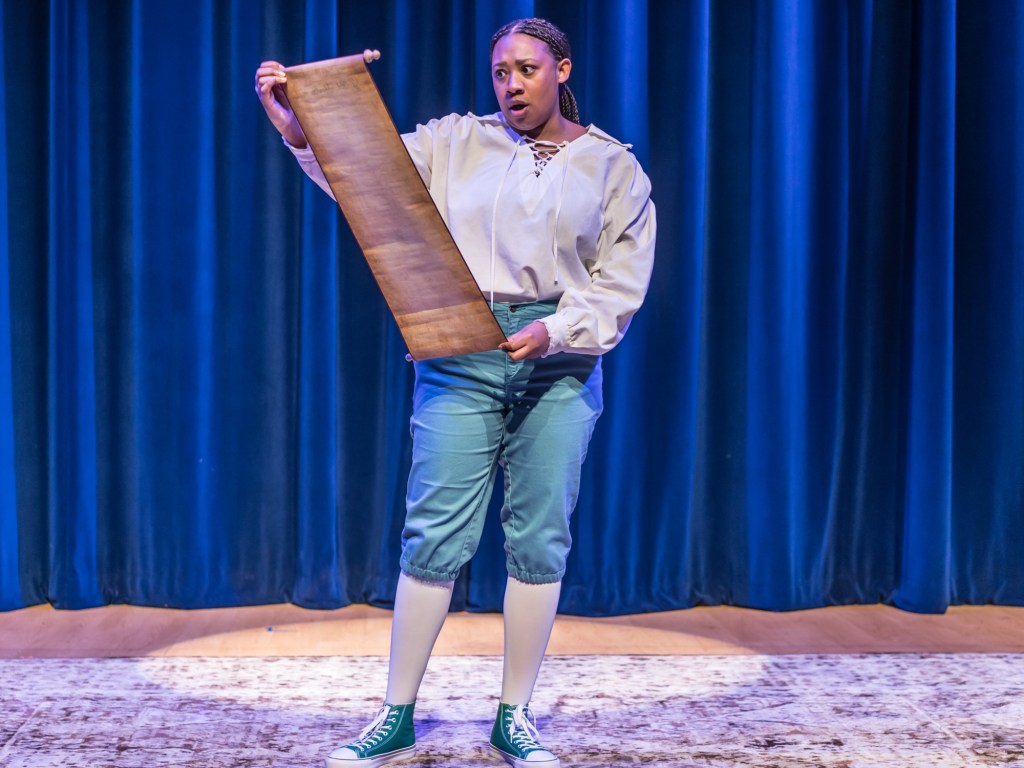
Sydnee S. Graves, one of the trio of thespians in this production, sets the pace with her well-timed introduction by unrolling a long scroll that contains the notes for her “brief” introduction. Graves invites us, in elaborate and flowery terms, to share space in the theater – the place where the magic happens.

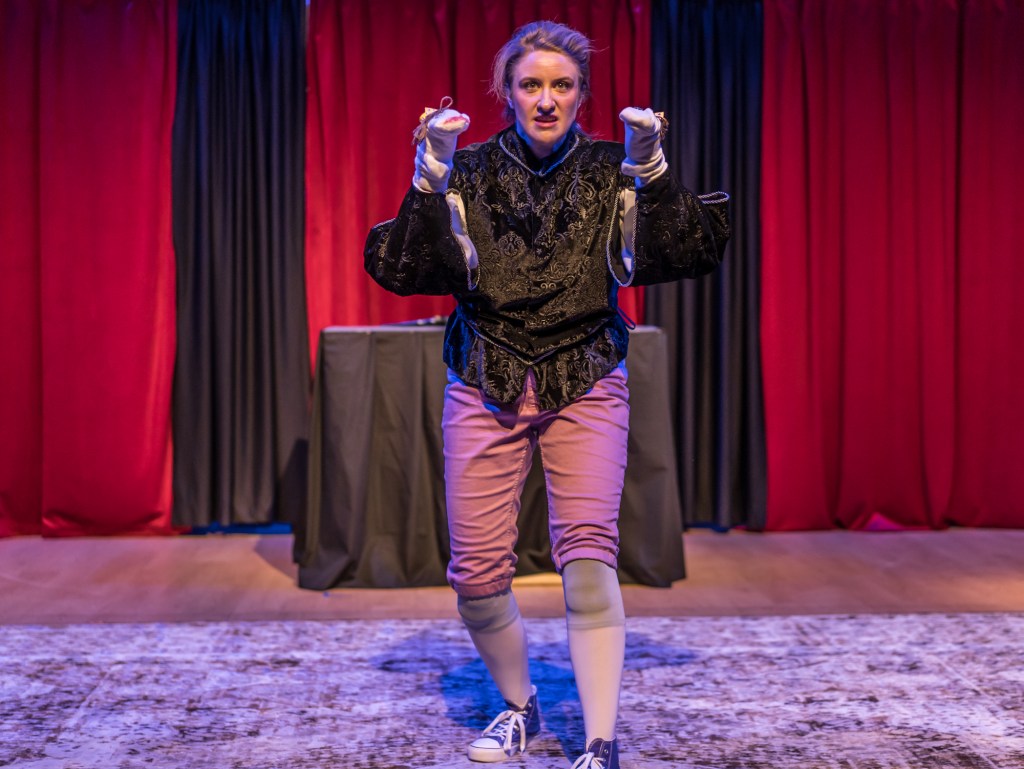
Rachel Marrs is introduced by Graves as a pre-eminent Shakespearean scholar, and Marrs arrives in a black academic gown that does little to conceal her lack of scholarship – all in good fun, of course!

Joshua Mullins completes the pre-show banter with a ChatGPT – generated biography of Shakespeare that conflates the words and deeds of Shakespeare with America’s  16th president – Abraham Lincoln. (This is clearly propaganda designed to convince the audience that reading is fundamental.

Highlights of the show include the rendering of Shakespeare’s first tragedy, Titus Andronicus, as a cooking show, and Othello summarized as a performance by a rap trio. All 14 comedies are rolled into a single medley, Macbeth is performed by two of the actors in kilts, their swords replaced by golf clubs, while Two Noble Kinsman, a play authored jointly by Shakespeare and John Fletcher, (and here characterized as neither a comedy or a tragedy, but a “bad” play) offers Mullins an opportunity to shill T-Mobile Kinsman cell phone service.

Shakespeare’s histories are grouped together and played as a football game. All 154 sonnets have supposedly been printed on a single 3×5 index card that proves impossible for even a young audience member with strong eyes to read – even after Marrs offers her a series of magnifying glasses. But there are two scenes that stood out for me. The first is the abridged Othello performed as a lively rap performance and the second occurred when in the midst of an argument about not wanting to perform Hamlet, Mullins, who has been acting the fool all night, surprises audience and fellow cast members alike by delivering Hamlet’s soliloquy with heartfelt sincerity.

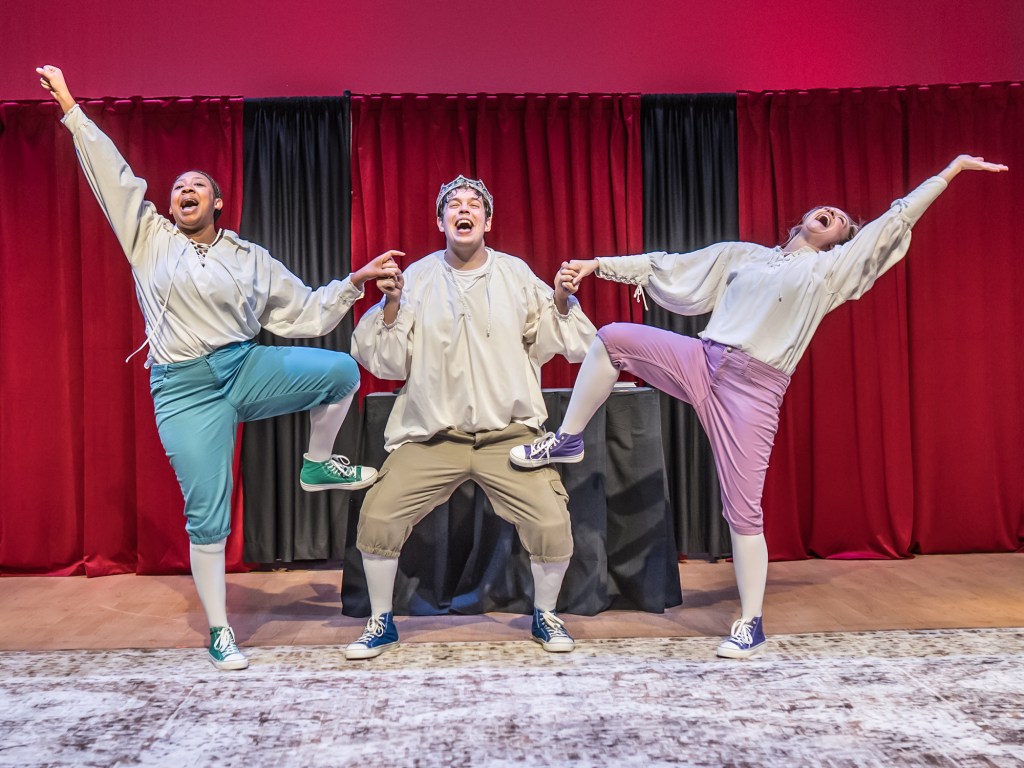
Dressed in a foundation of short pants, long-sleeved peasant-style shirts, and colorful high-top chucks, the tripartite ensemble moves at breakneck speed, adding and subtracting garments, wigs, and props for each play or scene. Shakespeare wrote plenty of racy dialogue and the salacious plot elements and double entendre are emphasized. There are many references to buns and sausages, and Horatio is misnomered as Fellatio, to name just two and, lest I forget, there is high level and intricate audience participation – with multiple parts! Mullins takes an unnatural level of juvenile-level glee in a long-running bit about vomiting, and he runs across the width of the audience, even up the stairs, to pretend to spew vomitus on audience members or in their drinks.

Graves, Marrs, and Mullins have quite different assignments, with Graves seeming to take on the bulk of the organizing and public interaction, such as announcements. Marrs is in charge of history and props. Mullins is, well, Mullins – a master of quick change and pratfalls. The three of them together form a solid ensemble knit together under a banner of riotous comedy, and often very physical humor. They must be exhausted at the end – after performing multiple versions of Hamlet. Speaking of the end, in his end notes for this production, Director Joe Pabst writes, “Comedy is one thing I know a lot about,” and “I love figuring out what makes people laugh.” To that end, I say to Pabst, “No lies detected,” and “You understood the assignment.”

—–

Julinda D. Lewis is a dancer, teacher, and writer who was born in Brooklyn, NY and now lives in Eastern Henrico County. When not writing about theater, she teaches dance history at VCU and low impact dance fitness classes to seasoned movers like herself and occasionally performs.

—–

The Complete Works of William Shakespeare (abridged)

Written by Adam Long, Daniel Singer, Jess Winfield

with new revisions by Daniel Singer and Jess Winfield

Directed by Joe Pabst

CAST

Sydnee S. Graves

Rachel Marrs

Joshua Mullins

PRODUCTION TEAM

Costume Design      ……………    Anna Bialkowski

Lighting Design       ……………    Trisan Ketcham

Scenic Design          ……………    James Ricks

Production State Manager ……   Jordan Dively

Run Time: 97 minutes; there is one intermission

———-

The Complete Works of William Shakespeare

– Comedies –

All’s Well That Ends Well

As You Like It

The Comedy of Errors

Love’s Labour’s Lost

Measure for Measure

The Merchant of Venice

The Merry Wives of Windsor

A Midsummer Night’s Dream

Much Ado About Nothing

The Taming of the Shrew

The Tempest

Twelfth Night

The Two Gentlemen of Verona

The Winter’s Tale

– Tragedies –

Antony and Cleopatra

Coriolanus

Cymbeline

Hamlet

Julius Caesar

King Lear

Macbeth

Othello

Romeo and Juliet

Timon of Athens

Titus Andronicus

Troilus and Cressida

– Histories –

Henry IV, Part I

Henry IV, Part II

Henry V

Henry VI, Part I

Henry VI, Part II

Henry VI, Part III

Henry VIII

King John

Pericles

Richard II

Richard III

The Complete Works of William Shakespeare (abridged) premiered at the Edinburgh Festival Fringe in 1987.

Photo Credits: Richmond Shakespeare Facebook page

One-Time
Monthly
Yearly

Make a one-time, monthly, or annual donation to show how much you love rvart review.

Make a monthly donation

Make a yearly donation

Choose an amount

$5.00
$15.00
$100.00
$5.00
$15.00
$100.00
$5.00
$15.00
$100.00

Or enter a custom amount

$

Your contribution is appreciated.

Your contribution is appreciated.

Your contribution is appreciated.

DonateDonate monthlyDonate yearly
A CAMPY CHRISTMAS

WITH BELLS ON by Darrin Hagen

WHO’S HOLIDAY by Matthew Lombardo

With Bells On and Who’s Holiday!

A Theater Review by Julinda D. Lewis

At: Richmond Triangle Players at the Robert B. Moss Theatre | Carpenter Foundation Stage, 1300 Altamont Ave, RVA 23230

Performances:  November 13 – December 22, 2024, 2024

Ticket Prices: $55

Info: (804) 346-8113 or rtriangle.org

———-

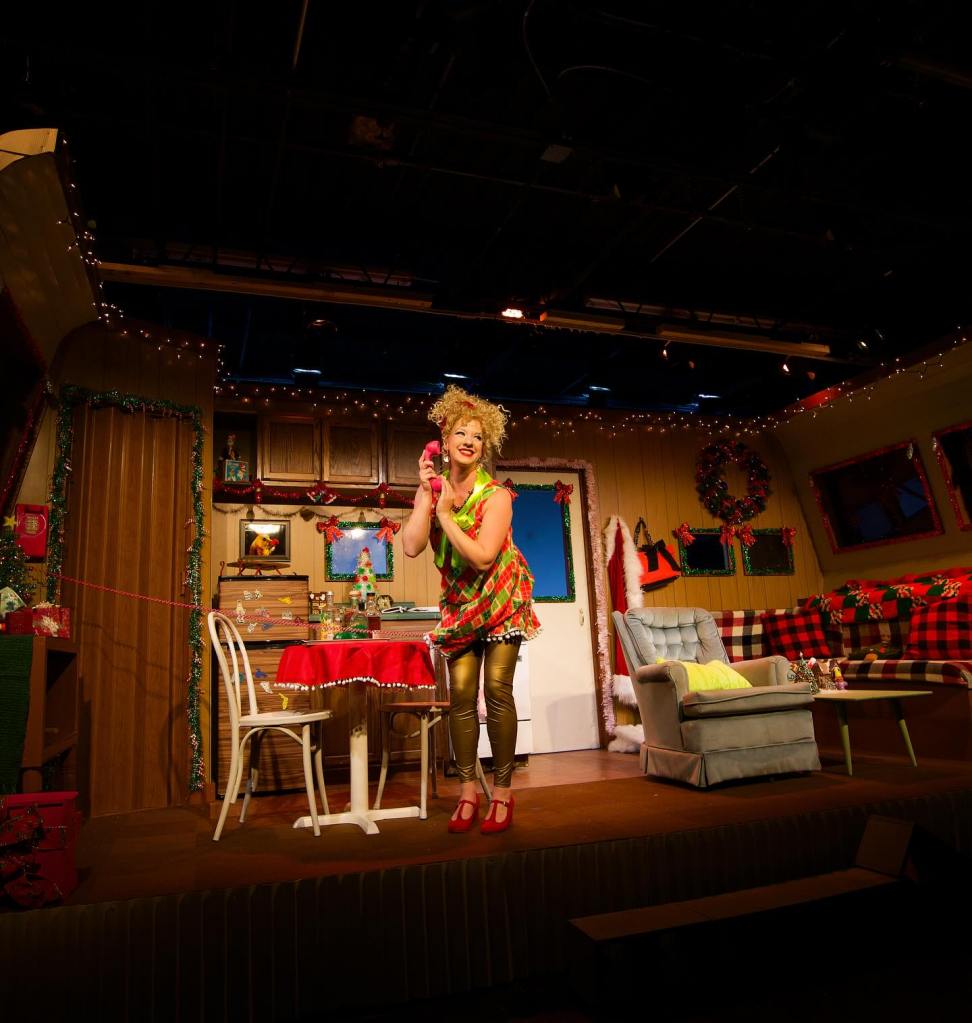
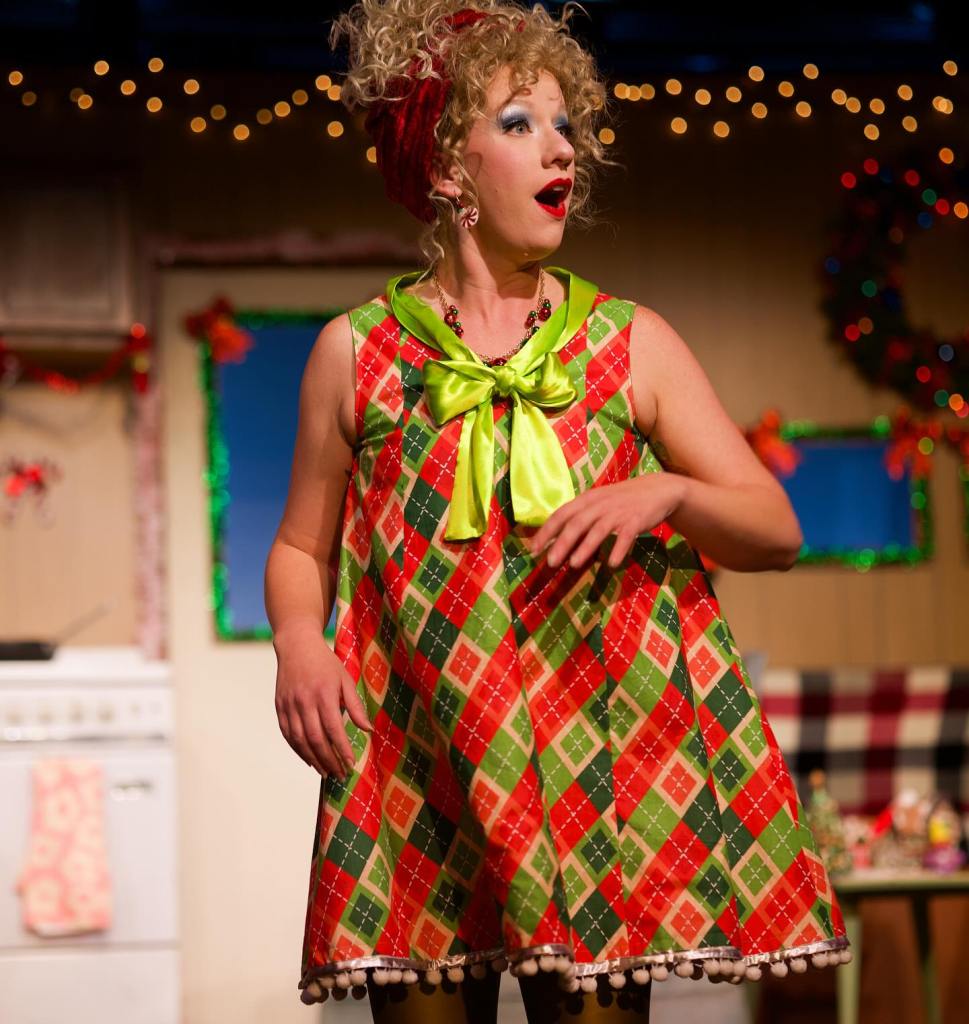
For some, the holiday season is heralded by a performance of The Nutcracker ballet. For others, it may be the arrival of the Richmond Triangle Players’ annual Christmas play. This year’s offering is a double bill of one-act plays: Darrin Hagen’s With Bells On and Matthew Lombardo’s Who’s Christmas.

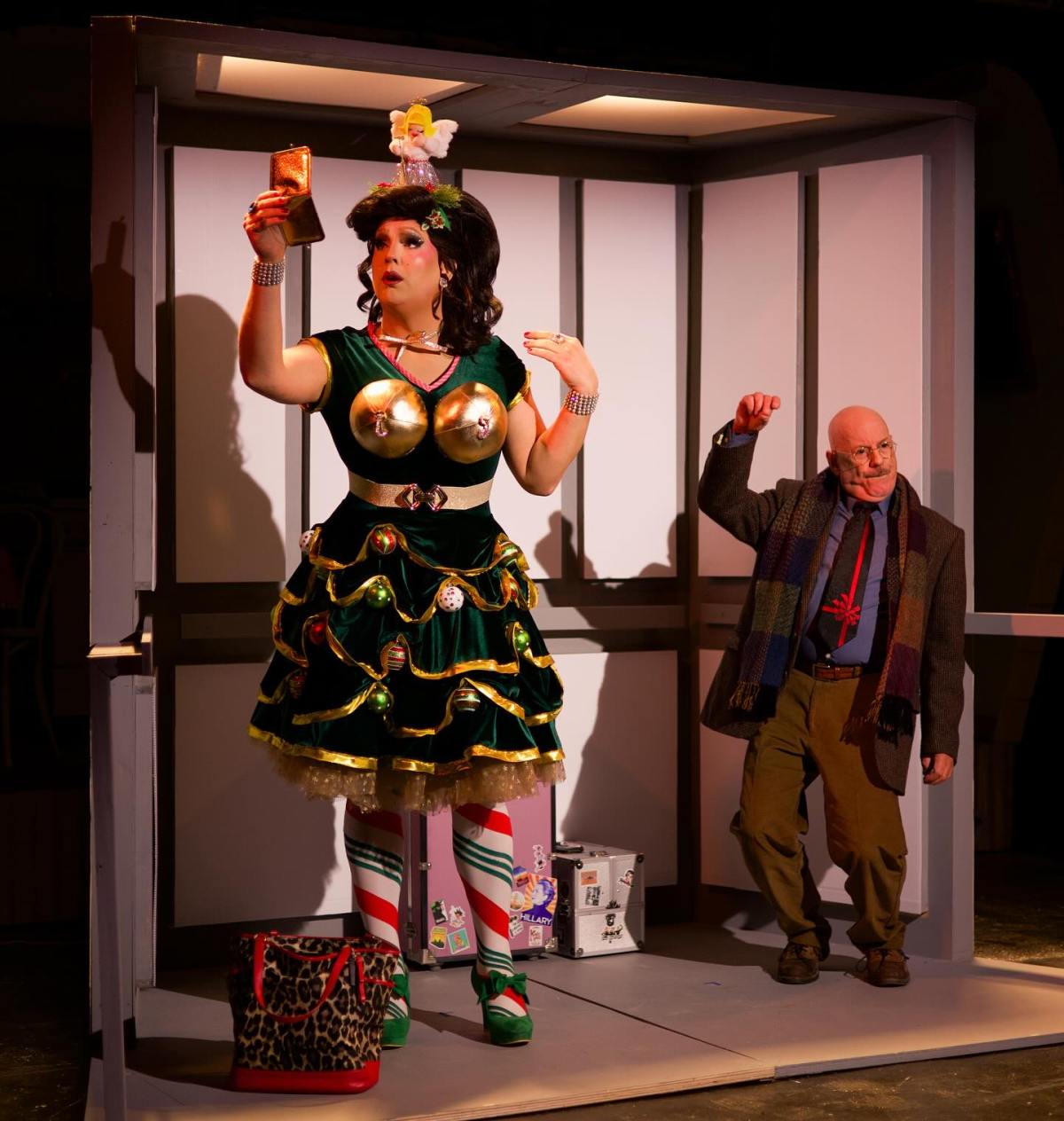
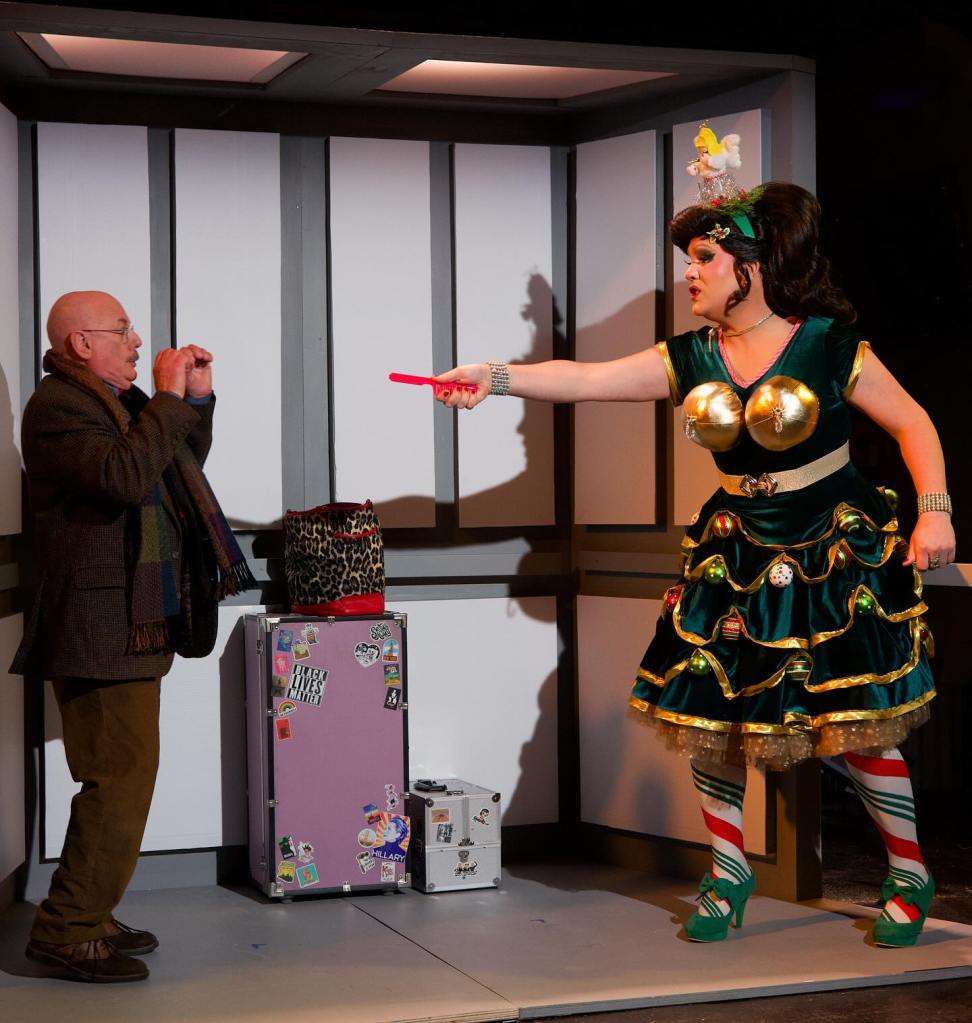
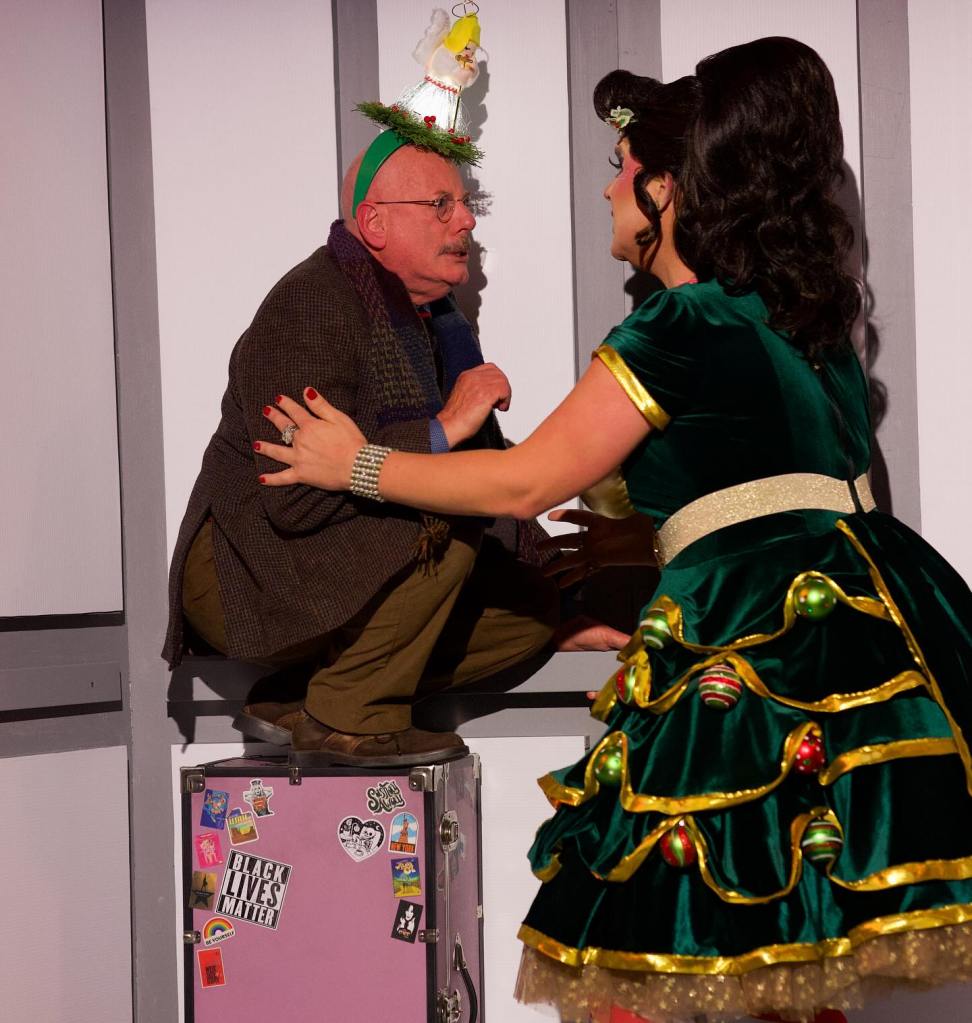
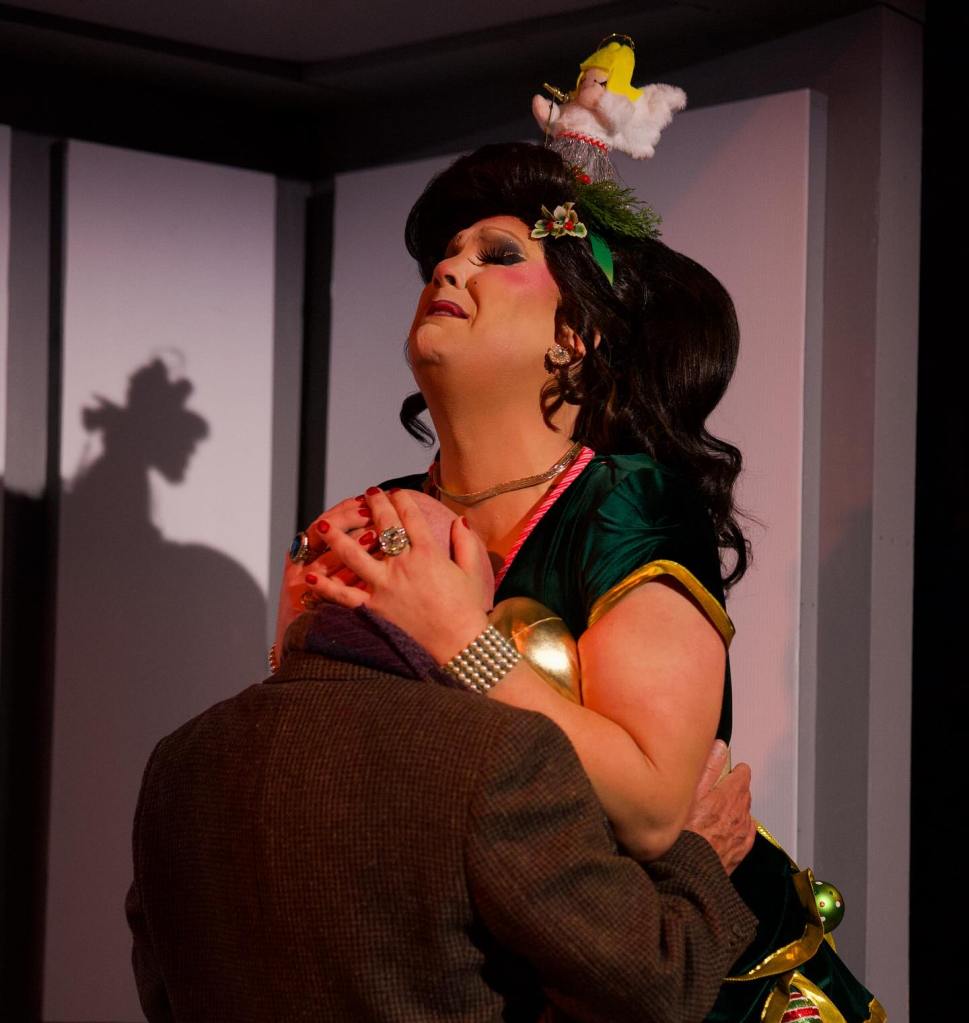
First up is a zany yet somehow heart-warming tale of an introverted divorcé and a towering drag queen who get stuck in an elevator a few days before Christmas. Wette Midler plays the “glamazon” Natasha, who is on her way to an important, life-affirming pageant, while Doug Schneider plays Ted, an accountant who is venturing out on his own for the first time since his divorce.

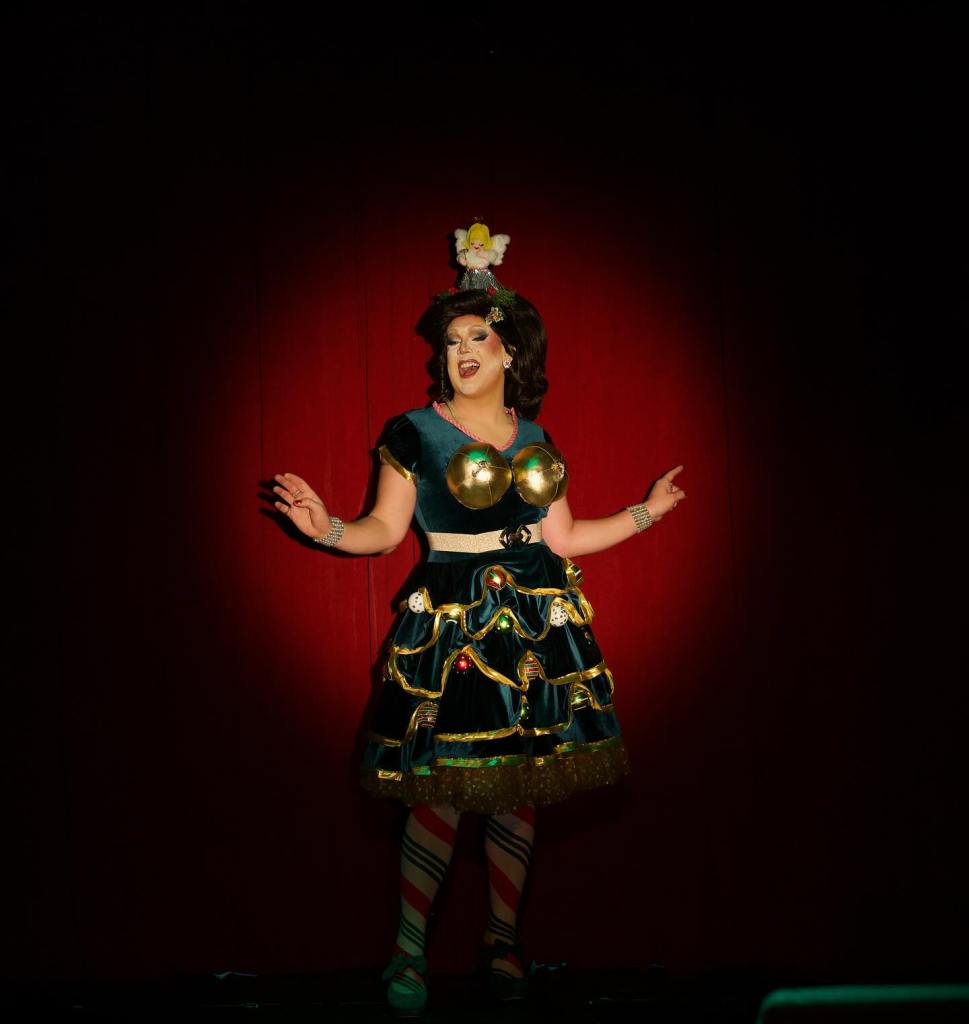
William Luther’s scenic design is a simple open sided box, providing a wide-angled perspective of an elevator car, while all the attention is on Natasha, decked out in a glittery green Christmas themed dress topped off with an illuminated fascinator. Kudos to Alex Valentin for designing the posh queenly garb.  

With Bells On is equal part light-hearted romp and entwined tales of self-discovery or liberation, in which Midler and Schneider’s characters gradually, warily warm up to one another, find a point of connection, and hang on for dear life. Along the way, they leave a trail of verbal gems the way Hansel and Gretel dropped breadcrumbs.

Natasha, feeling threatened by the more diminutive Ted, says, “I have fuchsia belt in whipping your ass.” (This reminded me of a line by the great poet James Brown: I don’t know karate, but I know ka-razor! from “The Payback.”) Later she says, “If you’re not standing out, you’re lurking.” Softening up, she parries with, “Do you know what drag queens call Halloween? Amateur night!” Midler is a force and a vision, but she and Schneider share space as equals who balance each other in sometimes unexpected ways. And, BTW, where can I get those green pumps in a size 10W?

Emily Dandridge held her own in a one-handed performance as a grown-up Cindy Loy Who, sharing just a tad TMI on her relationship with that mean old Grinch. (And yes, isn’t it a coincidence that, what with the near-simultaneous of the film version of Wicked, green is suddenly “in” as an identity (for lack of a better word).

This Cindy Lou Who has traded pink pajamas for metallic gold leggings and a Christmas-themed top – just the thing to wear while searching for tramadol in the couch cushions and washing it down with a cocktail of clear spirits (gin and vodka, I think). This Cindy Lou Who may be down on her luck, having spent time in prison and living in a well-worn trailer at the foot of Mount Crumpit, but she’s smart, exhibiting advanced critical thinking skills as each of her so-called friends calls to cancel their attendance at her holiday party, Highlights of Dandridge’s performance include an unexpected rap performance and sharing a very much real pan of pigs-in-blankets with the audience.

I don’t know if it was the luck of the draw or if a certain seat (whose location I will not disclose, just in case it’s part of the plot – I mean script) is always selected, but on opening night my husband Albert Ruffin was selected from the audience to join Cindy Lou onstage to be plied with alcohol and offered a little extra for dessert. It may have been all in good fun, but now I must live with the aftermath of him walking around talking about (a) how much fun he had and (b) how he always dreamed of a career onstage.

Thinking back, I think I like this version of Who’s Christmas more than I did RTP’s 2018 version. (See my review of the 2018 version here: https://wordpress.com/post/jdldancesrva.com/700). This parody has its dark moments, its alarming images, and it is not without valuable life lessons on the downside of mixed marriage, diversity, and who your real friends are. Dandridge did a decent job of interacting with the audience, as this play requires. So, grab a drink, sit back, and enjoy the show. No stress. No worries. No need to overthink.

———-

Julinda D. Lewis is a dancer, teacher, and writer who was born in Brooklyn, NY and now lives in Eastern Henrico County. When not writing about theater, she teaches dance history at VCU and low impact dance fitness classes to seasoned movers like herself, and occasionally performs. Her most recent (ad)venture was the premiere of a solo work, The Waters of Babylon or Psalm 137 Revisited: a Post-Exodus Reflection in Movement Choreographed From Collective Memories for the debut of the Critical Race Theatre Project, right here at RTP in August 2024.

———-

A CAMPY CHRISTMAS

Act One: WITH BELLS ON

Written by Darrin Hagen

Act Two: WHO’S HOLIDAY!

Written by Matthew Lombardo

Directed by Joe Pabst

Cast

Wette Midler as Natasha in With Bells On

Doug Schneider as Ted in With Bells On

Emily Dandridge as Cindy Lou Who in Who’s Holiday!

Understudies

Keegan Ferrell u/s for Natasha

Travis Williams u/s for Ted

CC Gates u/s for Cindy Lou Who

Production & Design

Playwrights – Darrin Hagen (With Bells On) and Matthew Lombardo (Who’s Holiday!)

Director – Joe Pabst

Scenic Design – William Luther

Lighting Design – Gabriel Beard

Costume Design – Alex Valentin

Sound Design – Lucian Restivo

Props Design – Tim Moehring

Hair & Makeup Design – Luke Newsome

Production Stage Manager – Lucian Restivo

Assistant Stage Manager – Finn Thomason

Gender Consultant – August Hundley

Master Electrician – Gabriel Beard

Technical  Director & Scenic Artist – Rebecka Russo

Backstage Crew – Adri Ulm

Scenic Construction – David Ballas, Hunter Keck, Marcos O’Connor, Katie White

Settings & Times

With Bells On – An elevator in a high-rise apartment building, a few days before Christmas

Who’s Christmas! – A dilapidated trailer at the base of Mount Crumpit, Christmas Eve

Run Time

Approximately two hours, with one fifteen-minute intermission

Schedule of Performances

Thursday, November 21 at 8:00PM – OPENING NIGHT

Fridays, November 22, 29 & December 6, 13 & 20 at 8:00PM

Saturday, November 7 at 2:00PM

Saturdays, November 22, 29 & December 6, 13 & 20 at 8:00PM

Sundays, November 24,  & December 1, 8, 15 & 22 at 4:00PM

Wednesday, December 18 at 8:00PM

Thursdays, December 5, 12 & 19 at 8:00PM

Ticket Information

$55, Info: (804) 346-8113 or rtriangle.org

Photo Credit

One-Time
Monthly
Yearly

Make a one-time HOLIDAY donation
if you enjoy reading RVART Review

Make a monthly donation

Make a yearly donation
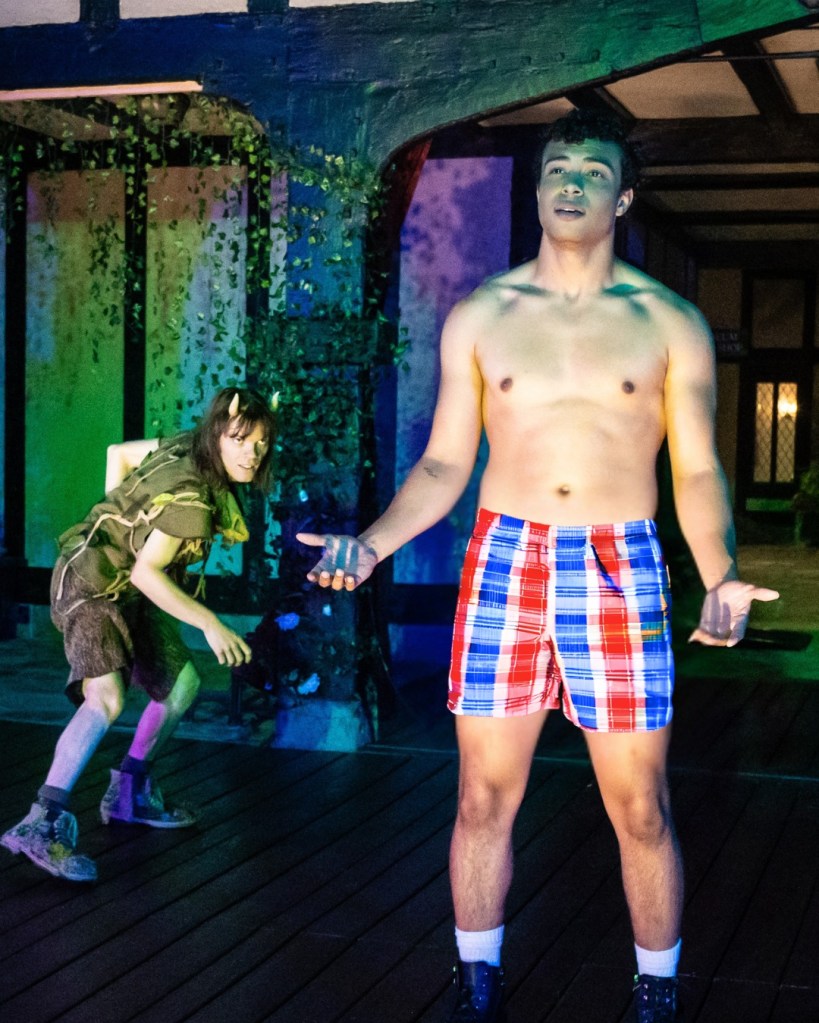
Choose an amount

$5.00
$15.00
$100.00
$5.00
$15.00
$100.00
$5.00
$15.00
$100.00

Or enter a custom amount – no amount is too large…

$

Your contribution is appreciated.

Your contribution is appreciated.

Your contribution is appreciated.

DonateDonate monthlyDonate yearly