Natasha, Pierre & The Great Comet of 1812

Gender-bending Pop Opera Adaptation of Tolstoy’s War and Peace

A Theater Reflection by Julinda D Lewis

Presented by: Firehouse Theatre | A Firehouse Mainstage Production

At: Firehouse Theatre on the Carol Piersol Stage, 1609 W Broad St., RVA 23220

Performances: August 20 – September 7, 2025

Ticket Prices: $45

Info: (804) 355-2001 or firehousetheatre.org

It’s not fair that the new theater season started with the Firehouse production of Dave Malloy’s sung-through musical (aka pop opera) Natasha, Pierre & the Great Comet of 1812. This production has set the bar so high that all other productions will have a lot to live up to.

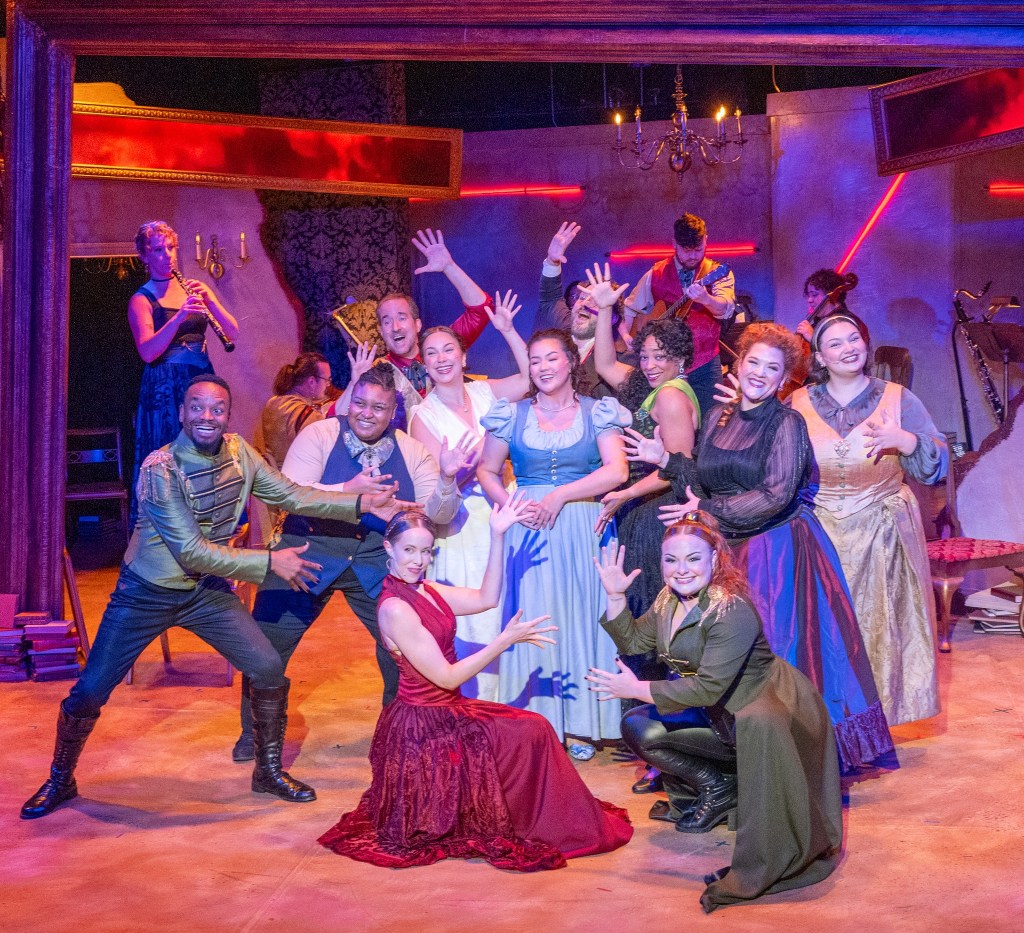
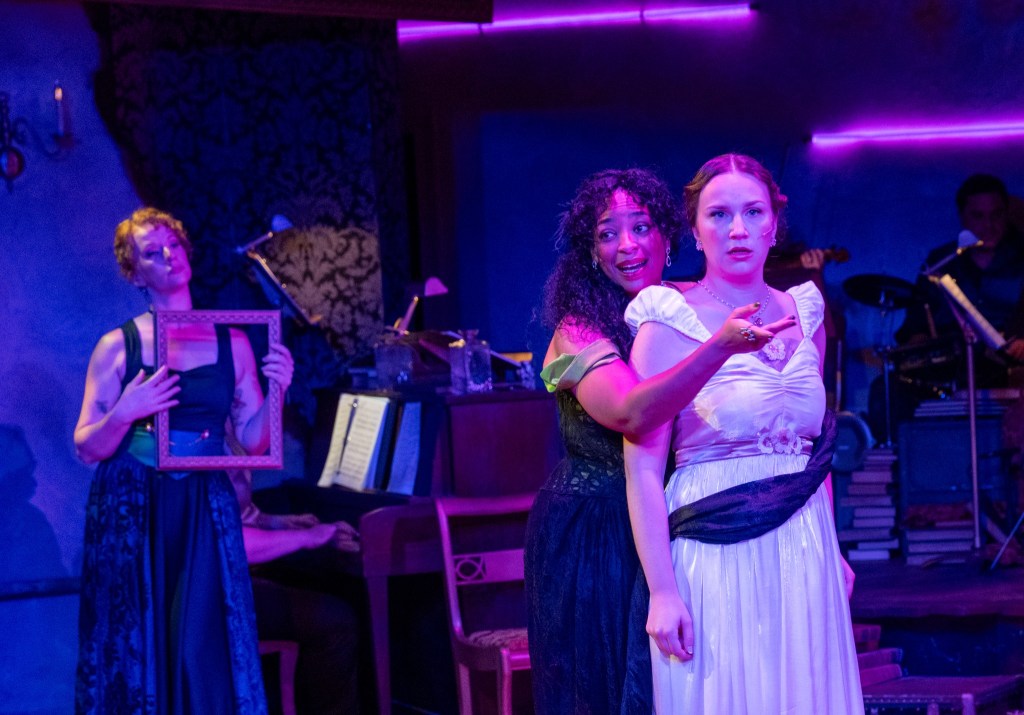
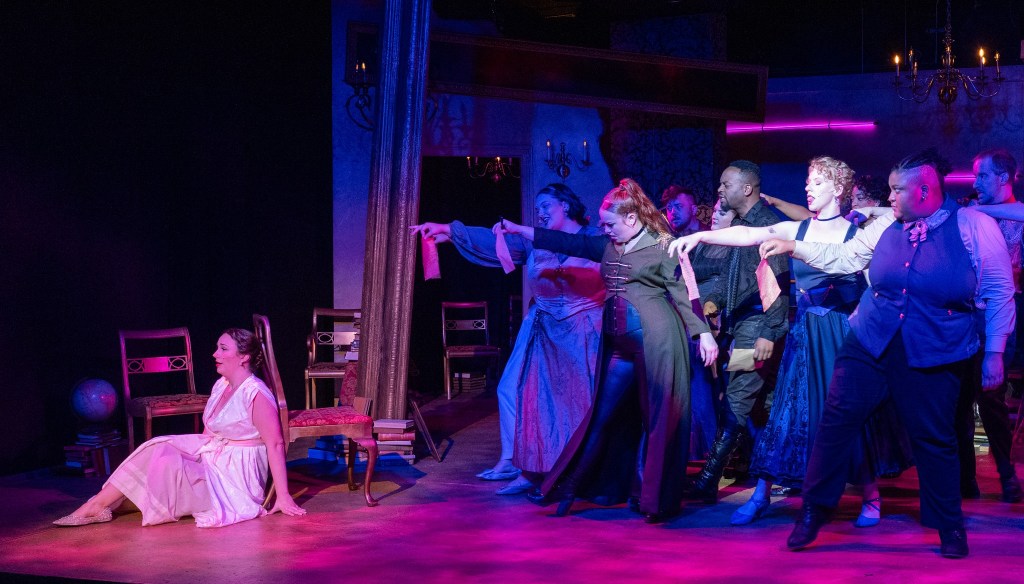
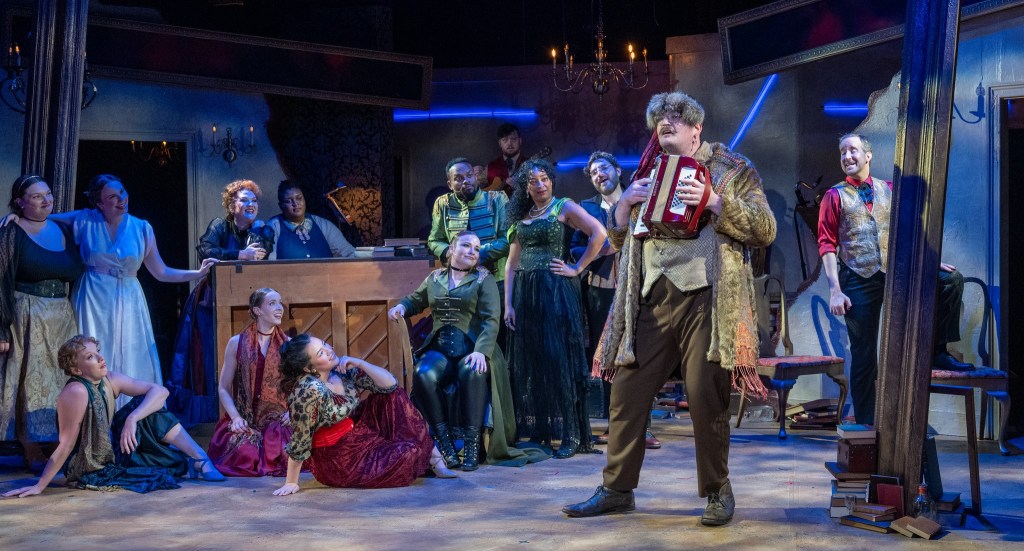
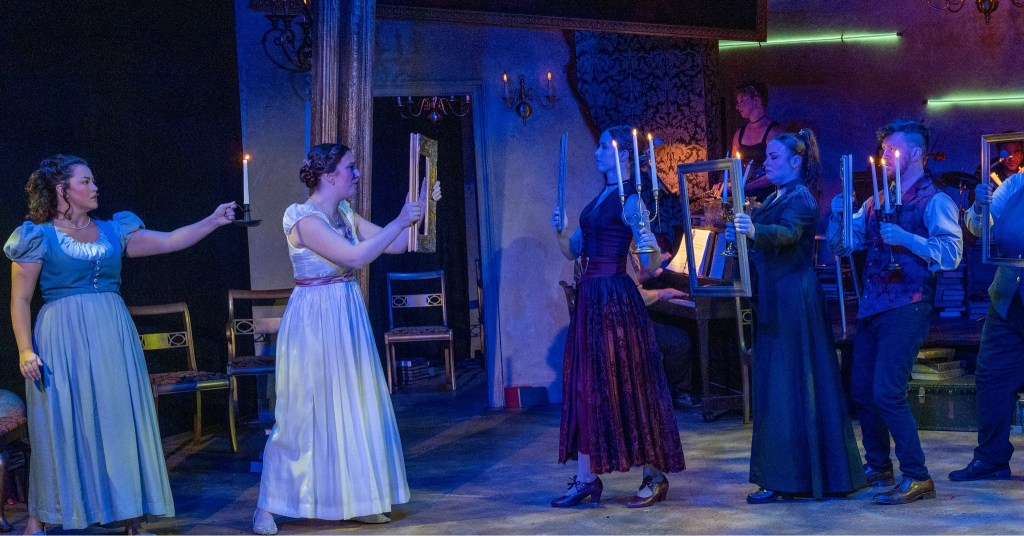
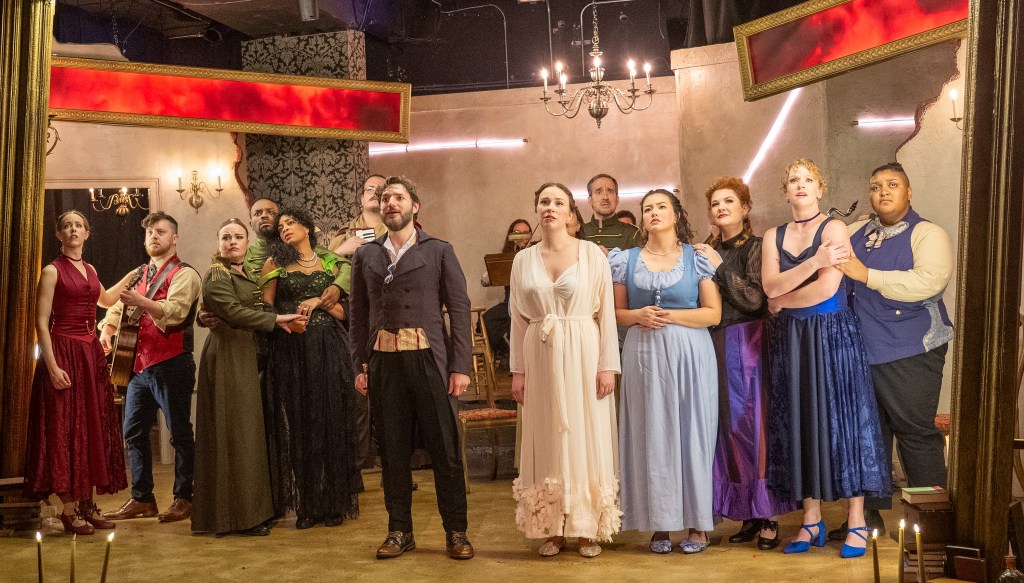
Where to start…This is the second time in recent memory I’ve walked into the Firehouse Theatre space and had my flabbers gasted by a stunning stage set. Craig Napoliello’s interpretation of Tolstoy’s war-torn 19th century Moscow features a broken wall, a large asymmetrical frame that creates a sense of the audience looking in as voyeurs, and a general vintage patina that reinforces the weight of history and the passage of time.

Then there’s the opening number that starts at a level 10 and sets the tone and pace for the dynamic range of the rest of the evening. The opening also introduces us to each of the characters from this complicated Russian novel in which everyone has “nine names.” Well, nine names plus a nickname: Natasha is young, Anatole is hot, Hélène is a slut, and Andrey isn’t here, for starters.

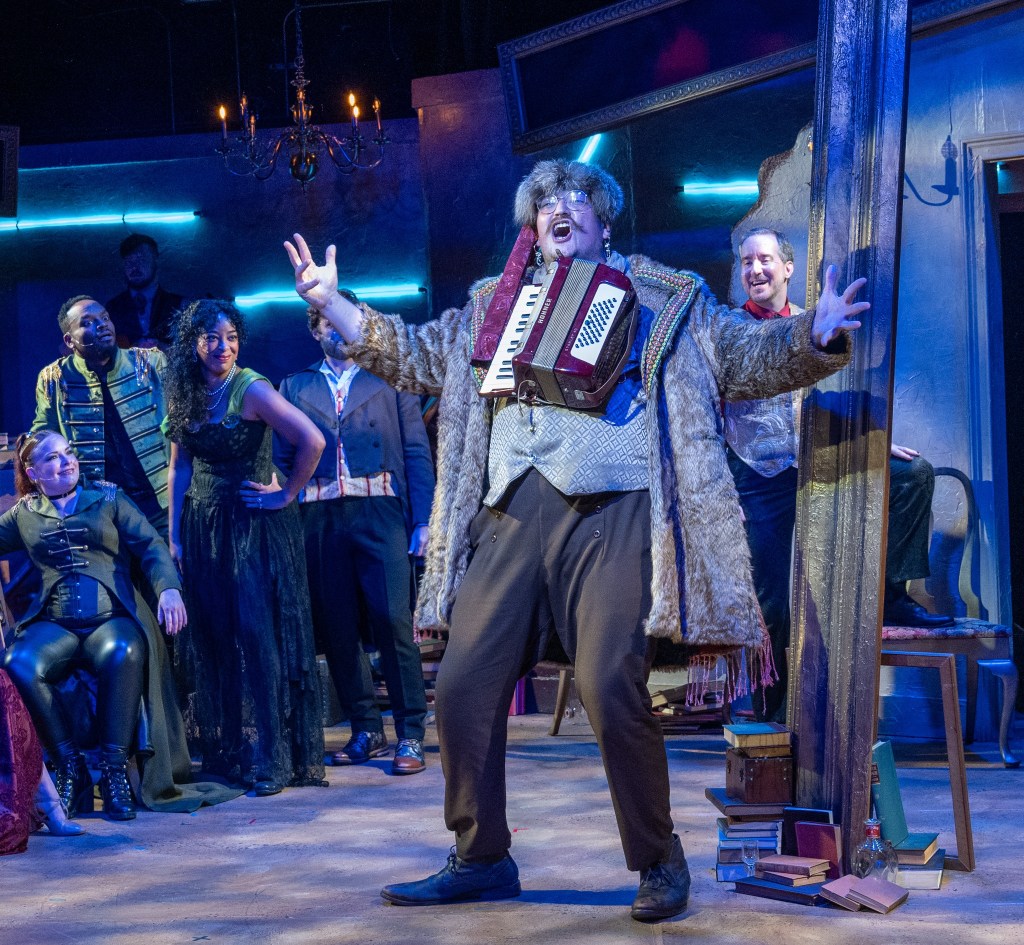
One thing I don’t often talk about is choreography, which you might find curious given my obsession with the art of dance. One of the reasons for that is that the choreography for musicals – even good to excellent ones – too often underwhelms me. But not this time. Firehouse producing artistic director Nathaniel Shaw, assisted by Shauna Paddyfote, has created choreography that is dynamic and immersive. The cast doesn’t break out into a random dance to get our attention, take up time, or fill space. The choreography includes full-out dancing, such as an occasional Russian folk dance, and high-kicking show dancing by women wearing heels and full skirts (Shannon Schilstra and Emily Dandridge), as well as choreographed movement that unites the scenes and creates a sense of zeitgeist. And then there was the brilliant, energetic “Troika” dance that involved several cast members – some in the role of horses. Their costumes, a piano, and an accordion were all part of the choreography. One prop in particular, earned its one “bio” in the program. A doorframe created in the Firehouse shop that is used in several scenes has been given the grande title of Framecesca Doormitryevna.

The cast is powerful and multi-talented (singing, dancing, acting) – and some of them multi-task (playing instruments in the band). Each of the main characters gets a chance to shine with a solo (or aria if we’re being operatic), as part of a duet or trio. Kudos to Ally Dods, Drew Seigla, Shinji Elspeth Oh, Taylor Baltimore, Durron Marquis Tyre, Katrinah Carol Lewis, Madison Hatfield, Eddie Webster, Tessa DeGrace, Elle Meerovich, Shannon Schilstra, Chewie Lo Moore, Toby O’Brien, and Emily Dandridge. Ally Dods and Drew Seigla may have had the title roles of Natasha Rostova and Pierre Bezukhov, but siblings Anatole Kuragin and Helene Kuragina Bezukhova (Durron Marquis Tyre and Katrinah Carol Lewis), and Natasha’s loyal cousin Sonya (Shinji Elspeth Oh), and Anatole’s faithful friend Fedya Dolokhov (played by Madison Hatfield) were all shining stars and each and every one of them deserved a standing ovation. I didn’t mention every character, but that was not to short-change anyone – even those designated only as Ensemble were essential to the plot. A family tree diagram was included in the program to help keep the relationships straight.

Ah, the plot. Yes, there is one. But first, let me add here that somewhere near the end of Act One or shortly into Act Two, I recall thinking that it didn’t matter what the plot was – or even if there was one – because the performance was of such a high caliber that I didn’t care if there was a plot or if the plot made sense.

Many, like me, may not be familiar with this musical. Natasha, Pierre & The Great Comet of 1812 is a modern, immersive musical adaptation of a 70-page segment from Leo Tolstoy’s War and Peace – Volume 2, Part V. (The full book is 1,200-1,450 pages, or more than half a million words!) The plot revolves around the beautiful but naïve Natasha, a young woman in 19th-century Russia who falls in love with the charming Anatole while visiting her godmother in Moscow. However, Natasha is already engaged to Andrey, who is away fighting in the Napoleonic Wars (France invaded Russia in 1812), and Anatole is married to a woman he apparently left behind in Poland. Natasha finds herself torn between the two men and Pierre, a close friend of Andrey, attempts to help Natasha navigate her romantic struggles while grappling with his own existential crisis – which he does by reading and drinking, both to excess. Natasha, Pierre & The Great Comet of 1812  explores multiple themes, including love, betrayal, forgiveness, and the complexities of human relationships (e.g., the contentious relationship between Andrey’s sister Mary (Tessa DeGrace) and their father, the elderly and lecherous Prince Bolkonsky (Eddie Webster), for whom Mary is a loving but reluctant and frequently abused caretaker.

The program for Natasha, Pierre & The Great Comet of 1812  conveniently included a full page of History and Context in addition to the aforementioned family tree. Yes, there was an actual comet in 1811-1812. It lingered so long it became associated with all sorts of ominous things from earthquakes to the Napoleonic wars and earned a place in the writing of Sherlock Holmes, Victor Hugo (Les Misérables), and of course, Tolstoy. Comets were often seen as portents of impending disaster by the Russian aristocracy of the 19th century. Coupled with the Napoleonic Wars, the invasion of Russia in 1812 and the burning of Moscow, it is no wonder that comets became symbolic of monumental change and existential crises.

Natasha, Pierre & The Great Comet of 1812  has love, romance, infidelity, drinking, dancing, revelry, drama, humor, war, politics, music…all the makings of a great musical. It did not disappoint. Far from it – it has earned a place as one of my favorite musicals of all time.

———-

Julinda D. Lewis is a dancer, teacher, and writer who was born in Brooklyn, NY and now lives in Eastern Henrico County. When not writing about theater, she teaches dance history at VCU and low impact dance fitness classes to seasoned movers like herself and occasionally performs. Julinda was recently awarded the Dean’s Distinguished Adjunct Faculty Award 2023-24 Academic Year by VCU School of the Arts and the 2025 Pioneer Award in Dance Ministry by Transformation International Worship Ministries, Newport News, VA.

———-

NATASHA, PIERRE & THE GREAT COMET OF 1812

Written by Dave Malloy

Directed by Chelsea Burke

CAST

Natasha                         …..        Ally Dods

Pierre                               …..        Drew Seigla

Sonya                              …..        Shinji Elspeth Oh

Marya D. ….. Taylor Baltimore

Anatole                           …..        Durron Marquis Tyre

Hélène                            …..        Katrinah Carol Lewis

Dolokhov                        …..        Madison Hatfield

Bolkonsky/Andrey      …..        Eddie Webster [u/s for Pierre]

Mary/Opera Singer     …..        Tessa DeGrace

Balaga/Opera Singer …..        Elle Meerovich

Maidservant                 …..        Shannon Schilstra [u/s for Natasha]

Servant                           …..        Chewie Lo Moore [u/s for Dolokhov]

Ensemble                       …..        Toby O’Brien [u/s for Balaga & Bolkonsky]

Ensemble                       …..        Emily Dandridge

u/s for Sonya, Mary, Maidservant     …..        Korinne Brier

u/s for Anatole, Servant                       …..        Wayne Parker

u/s for Marya, Hélène                            …..        Rachel Sper

BAND

Cello                                …..        MJ Laskey

Violin                                …..        Marisa Resmini

Clarinet, Bass Clarinet           …..        Jale Wise

Piano, Accordion        …..        Elle Meerovich

Oboe, Piano                  …..        Emily Dandridge

Drums                             …..        Joe Lubman

Guitar                              …..        Toby O’Brien

PRODUCTION TEAM & CREW

Director                          …..        Chelsea Burke

Music Director             …..        Elle Meerovich

Choreographer/Asst Dir.        …..        Nathaniel Shaw

Assistant Choreographer      …..        Shauna Paddyfote

Dramaturg/Asst to the Dir     …..        Claire Wittman

Scenic Designer          …..        Craig Napoliello

Lighting Designer       …..        BJ Wilkinson

Costume Designer     …..        Ruth Hedberg

Sound Designer          …..        Grace Brown Labelle

Stage Manager             …..        Emily Vial

Asst Stage Manager   …..        Makaila Henderson

Asst Sound Designer/Scenic Charge            …..        Patrick Rooney

Dance Captain            …..        Shannon Schilstra

Shadow/Observer      …..        Merit Lavelle

Stage Crew                    …..        Marcely Villatoro

Tickets: $45. A 15% discount is available to active-duty military and veterans. $15 tickets available for college and high school students. Pay-What-You-Will performances will be offered for both preview performances, as well as all matinees (excluding closing, September 7th).

Ticket Info: (804) 355-2001 or firehousetheatre.org

Performance Schedule: August 20-September 7, 2025

Thursdays, Fridays, Saturdays @7:30PM

Saturdays & Sundays @2:00PM (Pay-What-You-Will, except for September 7)

Previews: August 20 and 21 (Pay-What-You-Will)

Opening Night: Friday, August 22

Closing: Sunday, September 7 @2:00PM

Run Time: about 2 hours 30 minutes with one 10-minute intermission
One-Time
Monthly
Yearly

Make a one-time, monthly, or annual donation to support RVArt review & show your love for julinda

Make a monthly donation

Make a yearly donation

Choose an amount

$5.00
$15.00
$100.00
$5.00
$15.00
$100.00
$5.00
$15.00
$100.00

Or enter a custom amount

$

Your contribution is appreciated.

Your contribution is appreciated.

Your contribution is appreciated.

DonateDonate monthlyDonate yearly
TEACHER, TEACH

TEACHER, TEACH

A World Premiere

Presented by HATTheatre

At: HATTheatre, 1124 Westbriar Dr., Richmond, VA 23238

Performances: June 20, 22, 27, 29, 2025

Ticket Prices: $30 General Admission. $25 Seniors/Students/Military. $20 Youth up  to 17.

Info: 804-343-6364  or https://hattheatre.org

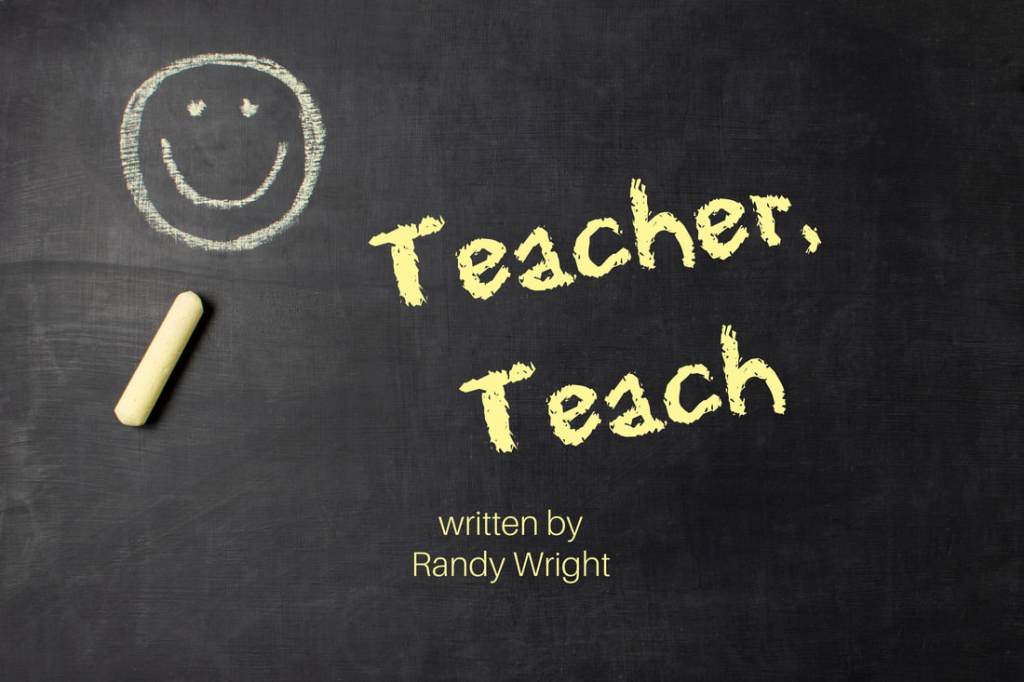
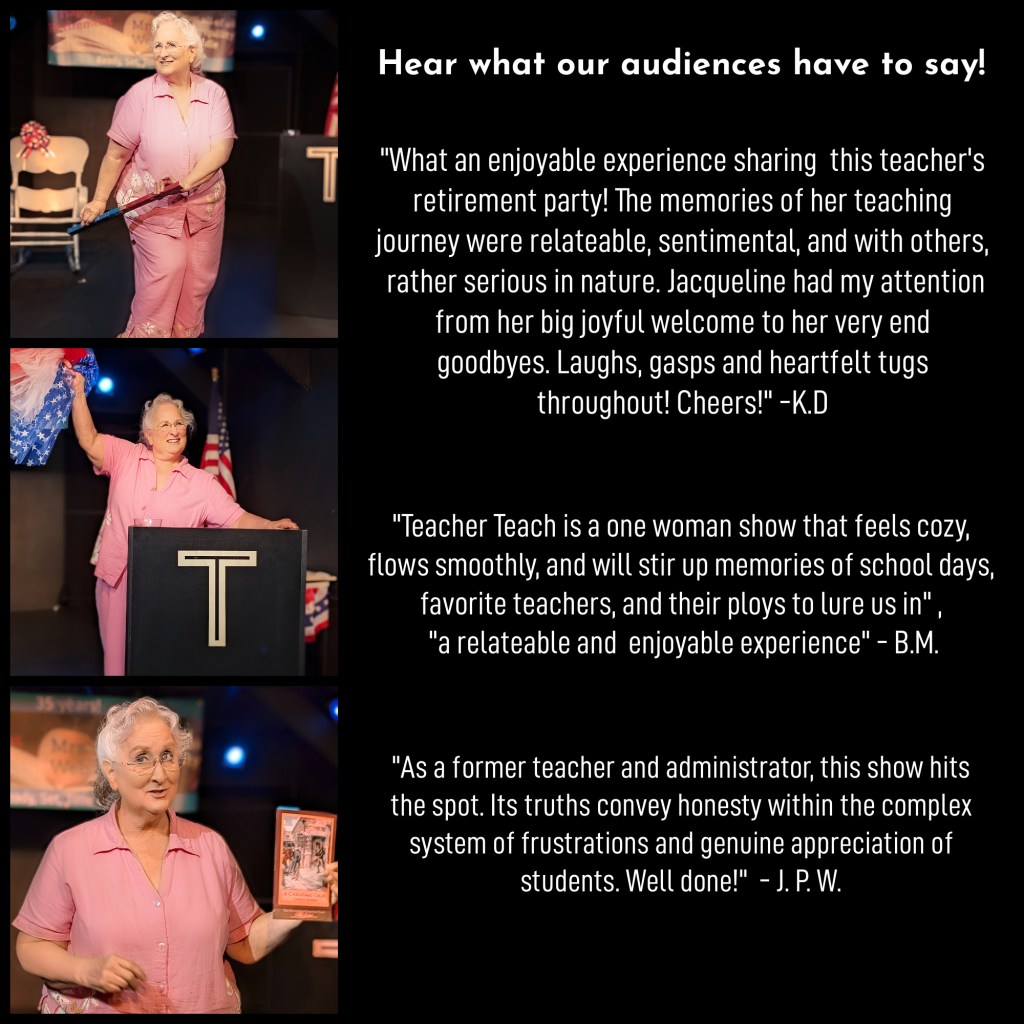
There were only four opportunities to see the world premiere of Randy Wright’s delightful little gem, Teacher, Teach, a one-woman show performed by Jacqueline Jones.

Set in the auditorium of Tranquility Middle School, where Mrs. Web is saying good-bye to her colleagues and her teaching career, Teacher, Teach pays homage to all who, like Mrs. Web, didn’t go to college just to get rich, but to become a problem solver – a teacher.

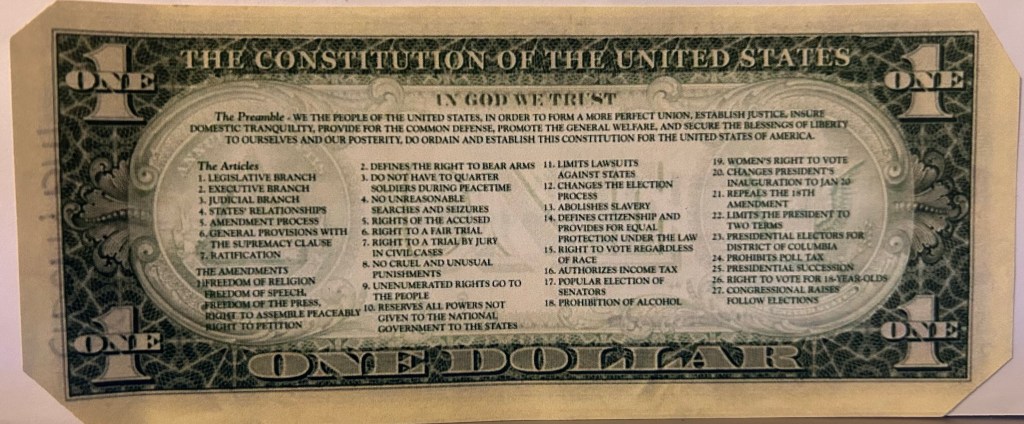
On entering the theater, there was free coffee and cake available, as well as a souvenir: a replica of the Liberty Bill – a student-led effort to have an abridged version of the US Constitution placed on the back of one-dollar bills.

Mrs. Web, dressed in the sort of two-piece pants outfit common to many veteran teachers of a certain era, and fortified with a glass of “ginger ale” that looked suspiciously like brown liquor shared her decades of wit and wisdom.

Among them: it’s important to develop a strong vocabulary and have written goals; a quote from Mark Twain – “The two most important days in your life are the day you’re born and the day you find out why.” There were many anecdotes, but one of the most memorable was the story of a young student names Averett whose presentation led to changing the name of the school, which had originally been named for the Vice President of the Confederate States of America, Alexander Stephens, to Tranquility Middle School.

Like the playwright, I, too, am a veteran of thirty or more years of teaching in public schools, and I can attest to the authenticity of these stories. Teacher, Teach would make any teacher or former teacher laugh, cry, nod one’s head in agreement, and reminisce. Every anecdote, every word rings true, and Jackie Goldberg Jones is the perfect vehicle to deliver this treasure.

P.S. – I hope HATTheatre brings this one back – with plenty of advanced notice – so more theatergoers and teachers and former teachers and people who ever had a teacher can get a chance to see this.

———-

Julinda D. Lewis is a dancer, teacher, and writer who was born in Brooklyn, NY and now lives in Eastern Henrico County. When not writing about theater, she teaches dance history at VCU and low impact dance fitness classes to seasoned movers like herself and occasionally performs.

———-

TEACHER, TEACH

Written by Randy Wright

Directed by Frank Foster

Cast

Jacqueline Jones as Mrs. Web

Introduction by Randy Wright

Creative Design Team

Direction by Frank Foster

Stage Management & Lighting by Scott Bryan

Costuming by Jacqueline Jones

House Management by Vickie L. Scallion

Dates

June 20 & 27 at 7:30PM

June 22 & 29 at 2:00PM

Ticket Information

Ticket Prices: $30 General Admission. $25 Seniors/Students/Military. $20 Youth up to 17

Info: 804-343-6364  or https://hattheatre.org

Setting:

Tranquility Middle School Auditorium, directly after school, the present day

Run Time

Approximately 80 minutes with no intermission

Photo Credits: N/A

One-Time
Monthly
Yearly

Make a one-time, MONTHLY, OR ANNUAL donation TO SHOW YOUR SUPPORT OF RVART REVIEW AND TO LET jULINDA KNOW HOW MUCH YOU APPRECIATE HER WORK…

Make a monthly donation

Make a yearly donation

Choose an amount

$5.00
$15.00
$100.00
$5.00
$15.00
$100.00
$5.00
$15.00
$100.00

Or enter a custom amount

$

Your contribution is appreciated.

Your contribution is appreciated.

Your contribution is appreciated.

DonateDonate monthlyDonate yearly
Richmond Ballet: Moving Art Two

A World Premiere, A Virginia Premiere, and A Revival

A Dance Review

Program By: The Richmond Ballet

At: Virginia Museum of Fine Arts, Leslie Cheek Theater, on the Armstrong Family Stage in Honor of Richmond, 200 N. Arthur Ashe Boulevard, RVA 23220

Performances: May 8-18, 2025

Ticket Prices: $25 – $85 ($85 – $125 on opening night)

Info: (804) 344-0906, etix.com, or richmondballet.com

THE PROGRAM

SLUMP

Choreography by Joshua L. Peugh

Music by Klezmer Juice, Yma Sumac, Ella Fitzgerald

Costumes Provided by Richmond Ballet

Lighting Design by Nathan W. Scheuer

World Premiere: June 21, 2012 by Bruce Wood Dance Project at Booker T. Washington’s <Montgomery Arts Theater, Dallas, TX; Richmond Ballet Premiere: May 8, 2025, Leslie Cheek Theater, Virginia Museum of Fine Arts, Richmond, VA

ECHOING PAST      

Choreography by Stoner Winslett

Music by Fanny Mendelssohn-Hensel

Costume Design by Susan Cologne

Lighting Design by Nathan W. Scheuer

Pianist: Joanne Kong

World Premiere: May 15, 1996 by Richmond Ballet at Leslie Cheek Theater, Virginia Museum of Fine Arts, Richmond, VA

FADING CREATURES

Choreography by Yury Yanowsky

Music by Senking and Henryk Gorecki

Costumes by Christi Owen after Original Costume Design by Emily Morgan

Lighting Design by Nathan W. Scheuer

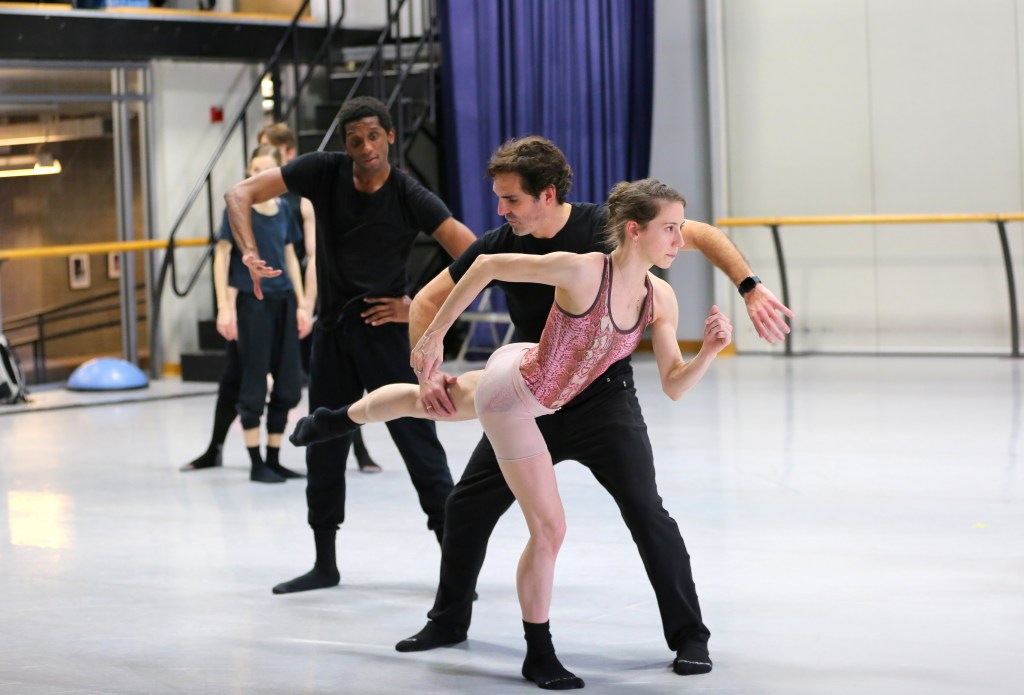
Following their March 2025 return to the VMFA’s Leslie Cheek Theater after an absence of 30 years, Richmond Ballet’s Moving Art Two program offered an audience pleasing trio of works. In order, the audience enjoyed a quirky modern Richmond premiere, a revival of a more classically themed ballet by founding artistic director Stoner Winslett, and a world premiere of a work that began as an entry in the Richmond Ballet’s 2023 New Works Festival. Interestingly, and to my surprise, most of the people I chatted with after the show were most drawn to the more contemporary works.

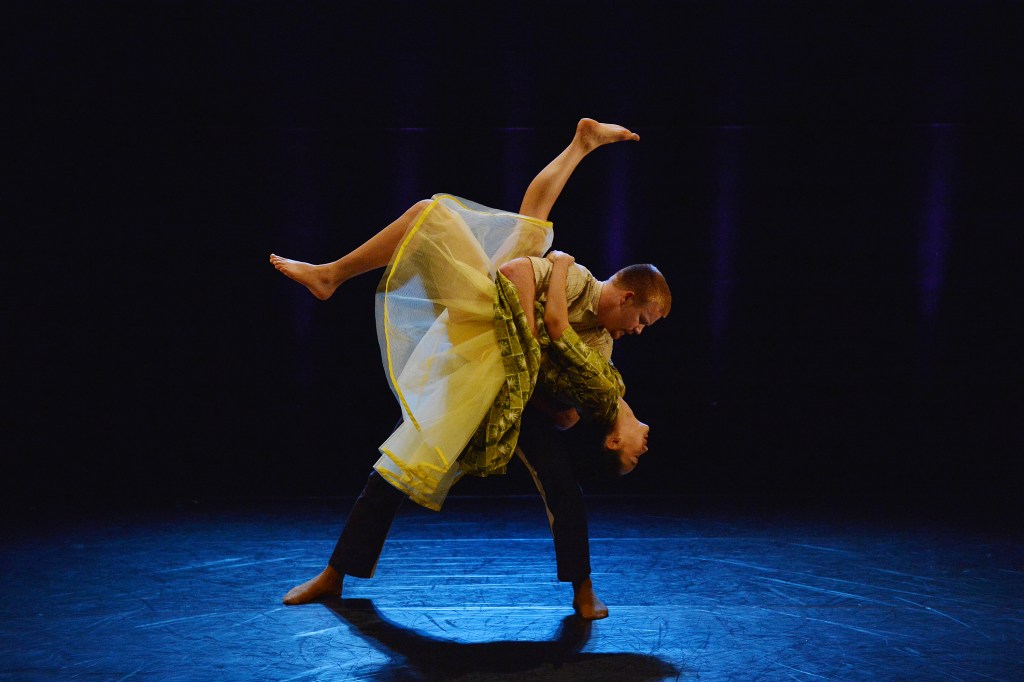
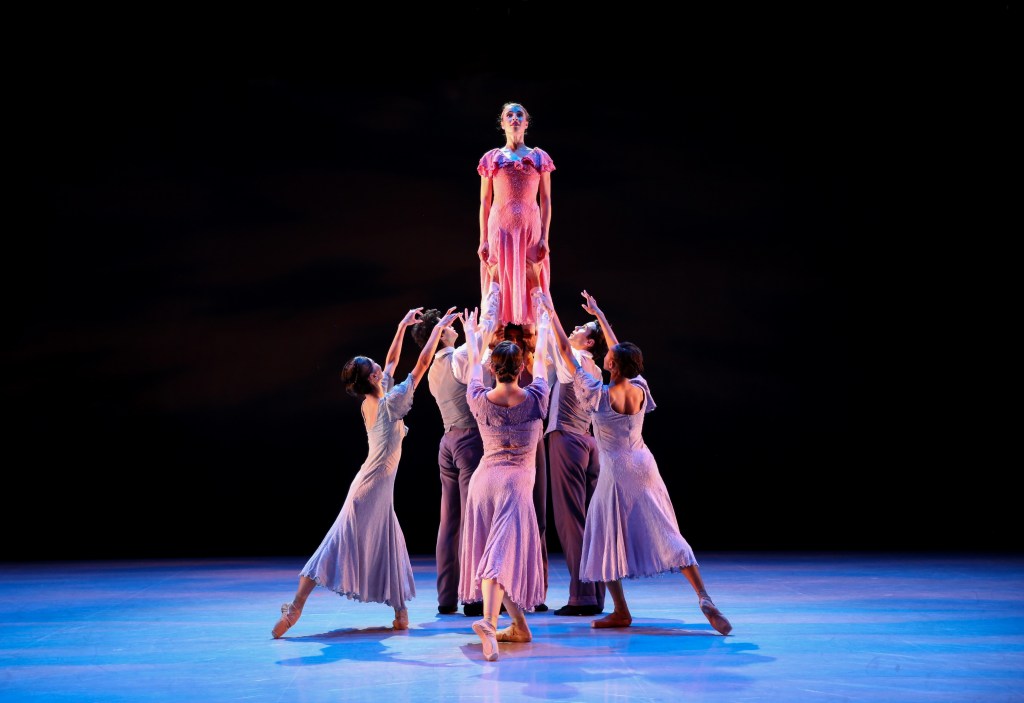
The program opened with a colorful, upbeat work by Joshua L. Peugh, the New Mexico-based founder and artistic director of Dark Circles Contemporary Dance. Slump defies categorization with its musical environment ranging from Klezmer Juice (described online as Jewish Soul musicians) to Peruvian singer Yma Sumac to jazz icon Ella Fitzgerald. The women are dressed in 1950s-style party dresses with crinoline underskirts that give a sassy nod to tulle tutus while emphasizing the pointedly un-classical and often upside-down lifts with one leg hooked around the partner’s neck.

At one point the men perform a rubbery, jelly-legged movement that used to be known as “eccentric” dancing, and later they walk with what my grandmother would have called a “switch,” as if mocking their female partners.  The partner dancing includes the kind of weight-bearing that remind me of when little girls dance with their feet planted atop their daddies’ feet like life-sized rag dolls. They slouch, they drop, they roll in joyous freedom. The women’s wide-legged stance, the men’s swirling hips, the flirtatious and irreverent partnering all seemed to be as much fun for the dancers as it was for the audience.

Stoner Winslett’s Echoing Past was in stark contrast to the shenanigans of Slump. Described as a ballet about one woman’s journey, looking back while moving forward, the work is set to music by Fanny Mendelssohn-Hensel and played live by pianist Joanne Kong. Originally titled “Das Alte Jahr” (“The Old Year”), the ballet was choreographed in honor of Leslie Peck, a former member of the New York City Ballet, a recognized authority on Balanchine ballets, and a former ballet mistress with Richmond Ballet.

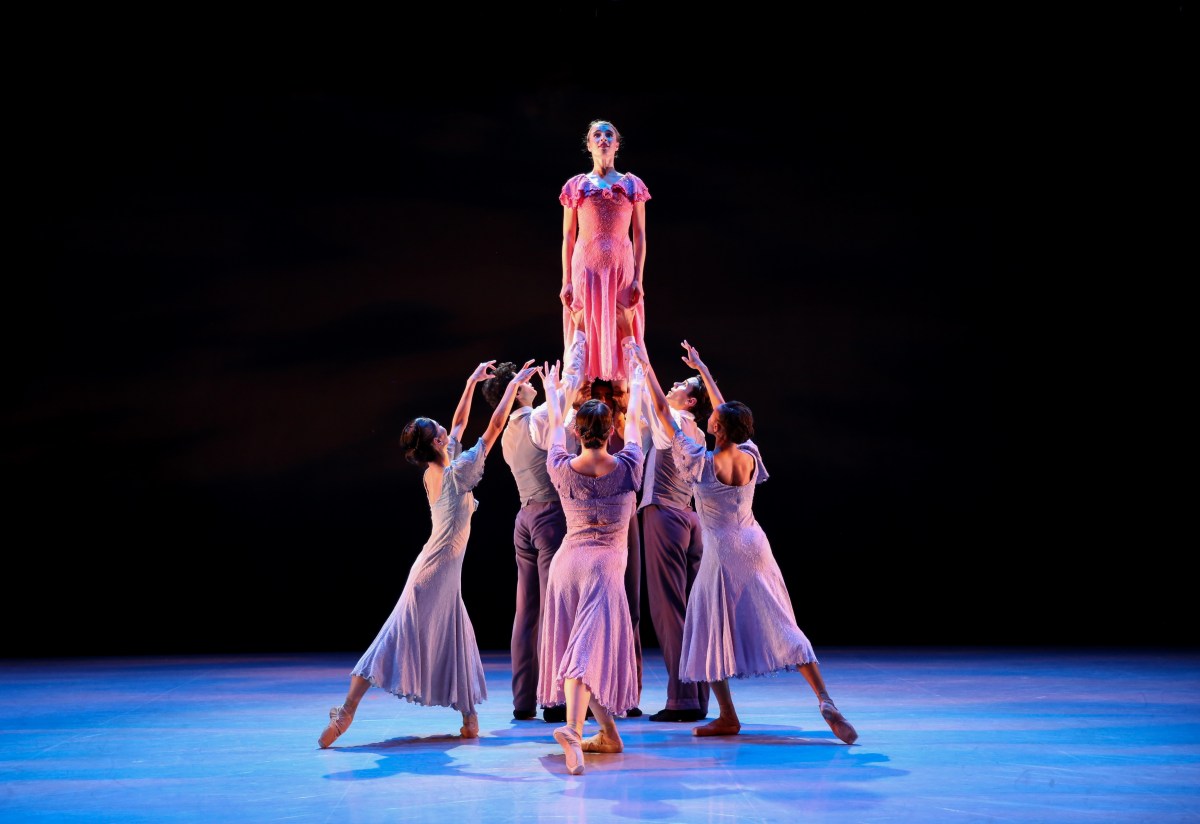
Eri Nishihara represents this woman, with Annika Kuo, Kaitlin Roemer, and Kennady Jackson dancing the roles of her past selves. Nishihara wears pink while the past selves are dressed in gray. Nishihara seamlessly trades places with her past selves, sometimes dancing back-to-back or mirroring the other women, as the peace evolves into a rich and satisfying conclusion. The ballet may be a metaphor for the company itself. Echoing Past was first performed at the VMFA in 1996, and Winslett formally stepped down as Artistic Director just under a year ago, in July 2024. So, the ballet somewhat mirrors Winslett’s own journey as artistic director, choreographer, and a woman in a position that is still dominated by men.

Yury Yanowsky, a former principal dancer with the Boston Ballet, first introduced Richmond audiences to his work Fading Creatures as a part of the Richmond Ballet’s New Works Festival in 2023. Inspired by Salvador Dali’s familiar melting clocks, the work begins with the feeling of a sci-fi ritual as the dancers lie on the floor with small lights hoovering over them. Once the lights have ascended and the dancers have risen from the floor, the dancers adopt an athletic style of movement – muscular, posed, poised, measured, abstract.

While inhabiting the lower level, the dancers flip, slide, reach, and lunge, but once the lights rise above them like a constellation, the dancers’ movements become bolder and more sinuous at the same time. Sometimes they appear to float or glide, only to suddenly run and freeze, or rewind and repeat, bending and stretching time, ending with a sudden stop!

What a satisfying conclusion to the company’s 2024-2025 season, the first under the artistic leadership of Ma Cong. Much like the woman in Echoing Past, perhaps intentionally so, this season has been marked by reflection and change and concluded on a rich and satisfying note.

The Richmond Ballet 2025-2026 season begins with Moving Art One, September 11-21 featuring Wild Seet Love by Trey McIntrye and a world premiere by Ma Cong.

Moving Art Two, October 16-26 is scheduled to present Slice to Sharp by Jorma Elo, a world premiere by Andrea Schermoly, and French Twist by Ma Cong. The Nutcracker will be performed at Dominion Energy Center December 6-23 and Giselle will be performed there February 13-15. The season will continue with Moving Art Three, the company’s New Works Festival with works by Natasha Adorlee, David Morse, Price Suddarth, and Serkan Usta from March 19-29, and conclude May 14-24 with Moving Art Four with George Balanchine’s Apollo, John Butler’s After Eden, and a world premiere by Val Caniparoli.

———-

Julinda D. Lewis is a dancer, teacher, and writer who was born in Brooklyn, NY and now lives in Eastern Henrico County. When not writing about theater and dance, she teaches dance history at VCU and low impact dance fitness classes to seasoned movers like herself and occasionally gets to perform.

One-Time
Monthly
Yearly

Make a one-time, monthly, or annual donation to support rvart review

Make a monthly donation

Make a yearly donation

Choose an amount

$5.00
$15.00
$100.00
$5.00
$15.00
$100.00
$5.00
$15.00
$100.00

Or enter a custom amount

$

Your contribution is appreciated.

Your contribution is appreciated.

Your contribution is appreciated.

DonateDonate monthlyDonate yearly
THE COMPLETE WORKS OF WILLIAM SHAKESPEARE

(abridged)

A Theater Review by Julinda D. Lewis

Presented by: Richmond Shakespeare

At: Libby S. Gottwald Playhouse, 600 E. Grace St., RVA 23219

Performances:

Ticket Prices: $22-$47 [Adults $47; Seniors 65+ with ID $42; Military with ID $27; College Students with ID & Children $22] Seating is General Admission.

Info: (804) 340-0115 or http://www.richmondshakespeare.org

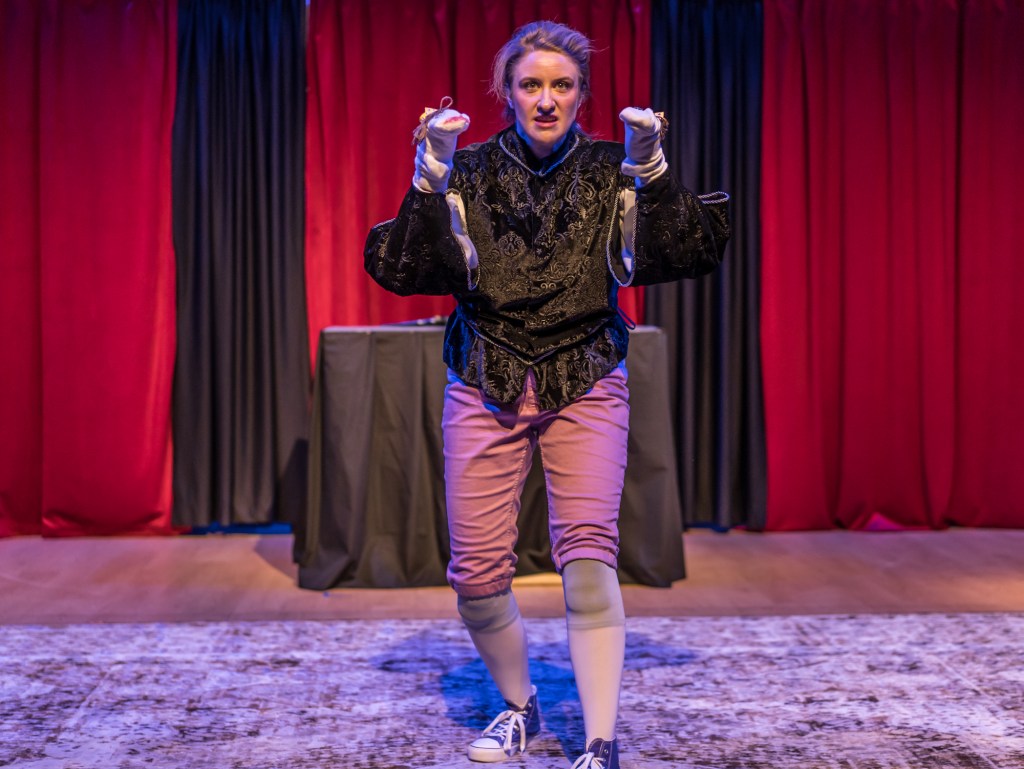
There’s not much that needs to be said about The Complete Works of William Shakespeare (abridged). The title tells (most of) it all. William Shakespeare is considered (one of) the most famous writers of all time. And in his time, he wrote 37 plays, 154 sonnets, 2 long narrative poems, and a number of other works. The task of The Complete Works of William Shakespeare (abridged) is to perform ALL 37 of Shakespeare’s play in 97 minutes.  Of course, this is impossible. What we get is a side-splitting comedic take on Shakespeare that includes scenes, passages, or catch phrases from every play, along with a more extensive treatment of Romeo and Juliet at the top of the show and Hamlet at the end.

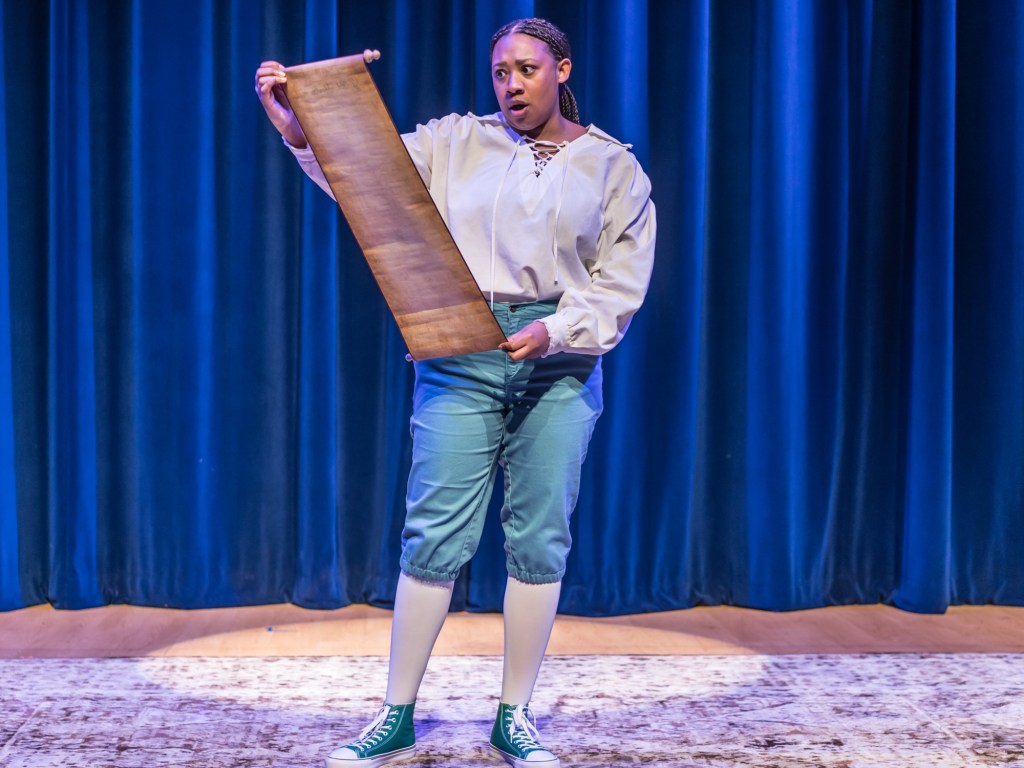
Sydnee S. Graves, one of the trio of thespians in this production, sets the pace with her well-timed introduction by unrolling a long scroll that contains the notes for her “brief” introduction. Graves invites us, in elaborate and flowery terms, to share space in the theater – the place where the magic happens.

Rachel Marrs is introduced by Graves as a pre-eminent Shakespearean scholar, and Marrs arrives in a black academic gown that does little to conceal her lack of scholarship – all in good fun, of course!

Joshua Mullins completes the pre-show banter with a ChatGPT – generated biography of Shakespeare that conflates the words and deeds of Shakespeare with America’s  16th president – Abraham Lincoln. (This is clearly propaganda designed to convince the audience that reading is fundamental.

Highlights of the show include the rendering of Shakespeare’s first tragedy, Titus Andronicus, as a cooking show, and Othello summarized as a performance by a rap trio. All 14 comedies are rolled into a single medley, Macbeth is performed by two of the actors in kilts, their swords replaced by golf clubs, while Two Noble Kinsman, a play authored jointly by Shakespeare and John Fletcher, (and here characterized as neither a comedy or a tragedy, but a “bad” play) offers Mullins an opportunity to shill T-Mobile Kinsman cell phone service.

Shakespeare’s histories are grouped together and played as a football game. All 154 sonnets have supposedly been printed on a single 3×5 index card that proves impossible for even a young audience member with strong eyes to read – even after Marrs offers her a series of magnifying glasses. But there are two scenes that stood out for me. The first is the abridged Othello performed as a lively rap performance and the second occurred when in the midst of an argument about not wanting to perform Hamlet, Mullins, who has been acting the fool all night, surprises audience and fellow cast members alike by delivering Hamlet’s soliloquy with heartfelt sincerity.

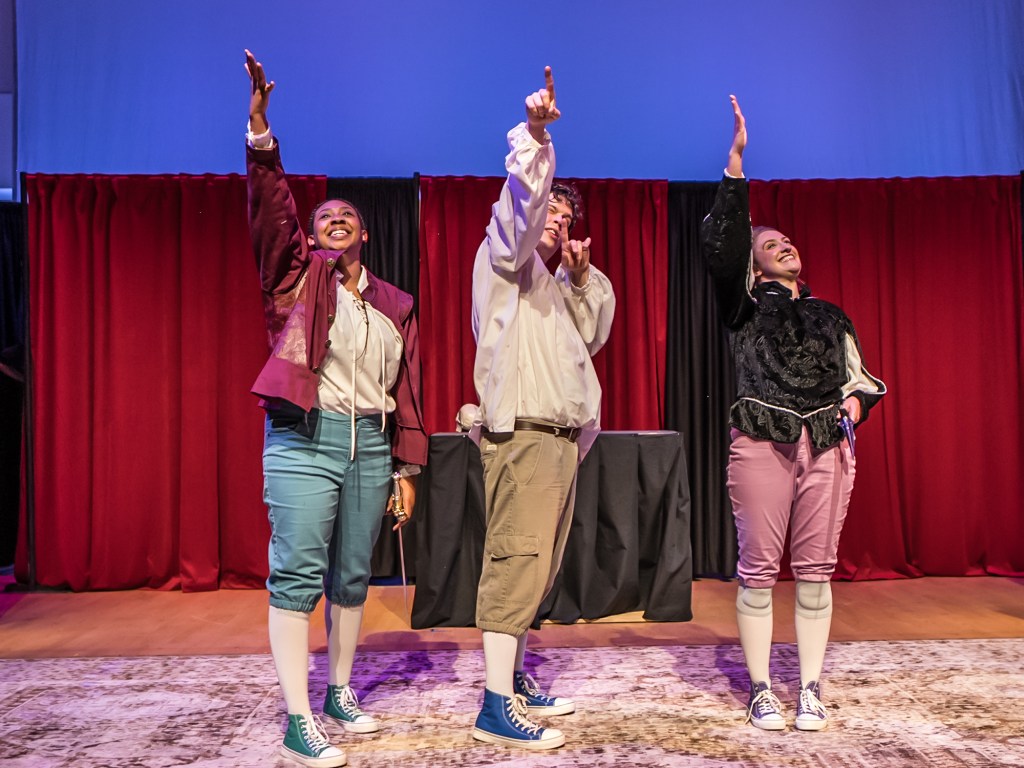
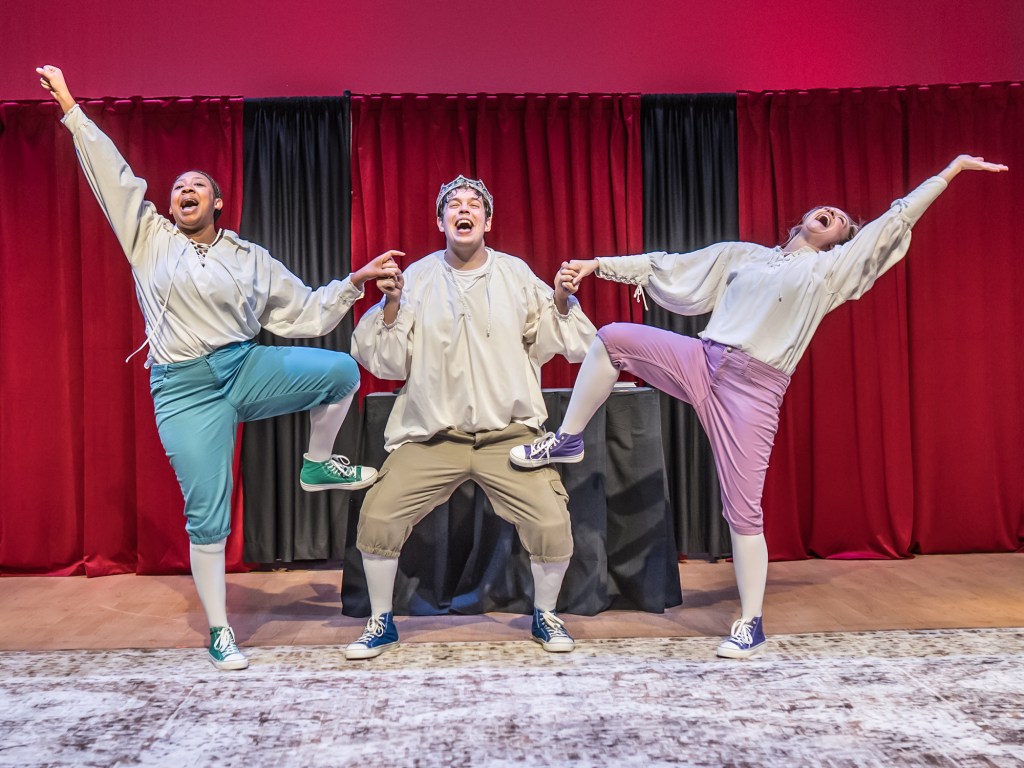
Dressed in a foundation of short pants, long-sleeved peasant-style shirts, and colorful high-top chucks, the tripartite ensemble moves at breakneck speed, adding and subtracting garments, wigs, and props for each play or scene. Shakespeare wrote plenty of racy dialogue and the salacious plot elements and double entendre are emphasized. There are many references to buns and sausages, and Horatio is misnomered as Fellatio, to name just two and, lest I forget, there is high level and intricate audience participation – with multiple parts! Mullins takes an unnatural level of juvenile-level glee in a long-running bit about vomiting, and he runs across the width of the audience, even up the stairs, to pretend to spew vomitus on audience members or in their drinks.

Graves, Marrs, and Mullins have quite different assignments, with Graves seeming to take on the bulk of the organizing and public interaction, such as announcements. Marrs is in charge of history and props. Mullins is, well, Mullins – a master of quick change and pratfalls. The three of them together form a solid ensemble knit together under a banner of riotous comedy, and often very physical humor. They must be exhausted at the end – after performing multiple versions of Hamlet. Speaking of the end, in his end notes for this production, Director Joe Pabst writes, “Comedy is one thing I know a lot about,” and “I love figuring out what makes people laugh.” To that end, I say to Pabst, “No lies detected,” and “You understood the assignment.”

—–

Julinda D. Lewis is a dancer, teacher, and writer who was born in Brooklyn, NY and now lives in Eastern Henrico County. When not writing about theater, she teaches dance history at VCU and low impact dance fitness classes to seasoned movers like herself and occasionally performs.

—–

The Complete Works of William Shakespeare (abridged)

Written by Adam Long, Daniel Singer, Jess Winfield

with new revisions by Daniel Singer and Jess Winfield

Directed by Joe Pabst

CAST

Sydnee S. Graves

Rachel Marrs

Joshua Mullins

PRODUCTION TEAM

Costume Design      ……………    Anna Bialkowski

Lighting Design       ……………    Trisan Ketcham

Scenic Design          ……………    James Ricks

Production State Manager ……   Jordan Dively

Run Time: 97 minutes; there is one intermission

———-

The Complete Works of William Shakespeare

– Comedies –

All’s Well That Ends Well

As You Like It

The Comedy of Errors

Love’s Labour’s Lost

Measure for Measure

The Merchant of Venice

The Merry Wives of Windsor

A Midsummer Night’s Dream

Much Ado About Nothing

The Taming of the Shrew

The Tempest

Twelfth Night

The Two Gentlemen of Verona

The Winter’s Tale

– Tragedies –

Antony and Cleopatra

Coriolanus

Cymbeline

Hamlet

Julius Caesar

King Lear

Macbeth

Othello

Romeo and Juliet

Timon of Athens

Titus Andronicus

Troilus and Cressida

– Histories –

Henry IV, Part I

Henry IV, Part II

Henry V

Henry VI, Part I

Henry VI, Part II

Henry VI, Part III

Henry VIII

King John

Pericles

Richard II

Richard III

The Complete Works of William Shakespeare (abridged) premiered at the Edinburgh Festival Fringe in 1987.

Photo Credits: Richmond Shakespeare Facebook page

One-Time
Monthly
Yearly

Make a one-time, monthly, or annual donation to show how much you love rvart review.

Make a monthly donation

Make a yearly donation

Choose an amount

$5.00
$15.00
$100.00
$5.00
$15.00
$100.00
$5.00
$15.00
$100.00

Or enter a custom amount

$

Your contribution is appreciated.

Your contribution is appreciated.

Your contribution is appreciated.

DonateDonate monthlyDonate yearly
SATCHMO AT THE WALDORF

“I Smile for the People ‘Cause I Like to See Them Smiling Back”

and I Think to Myself, What a  Wonderful World*

A Theater Review by Julinda D. Lewis

By: Virginia Repertory Theatre (Virginia Rep)

At: The Sara Belle and Neil November Theatre | Marjorie Arenstein Stage

When: March 1 – April 7, 2024

Ticket Prices: $39-$59.

Info: (804) 282-2620 or www.virginiarep.org

I see trees of green
Red roses too
I see them bloom
For me and you
And I think to myself
What a wonderful world

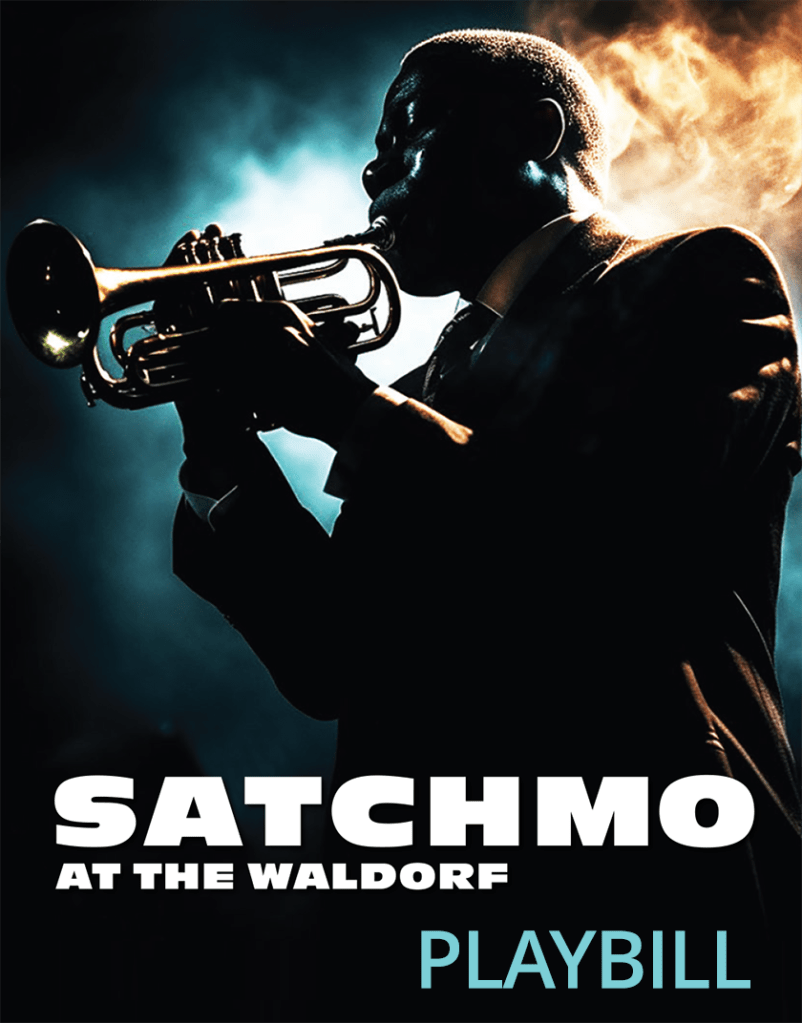
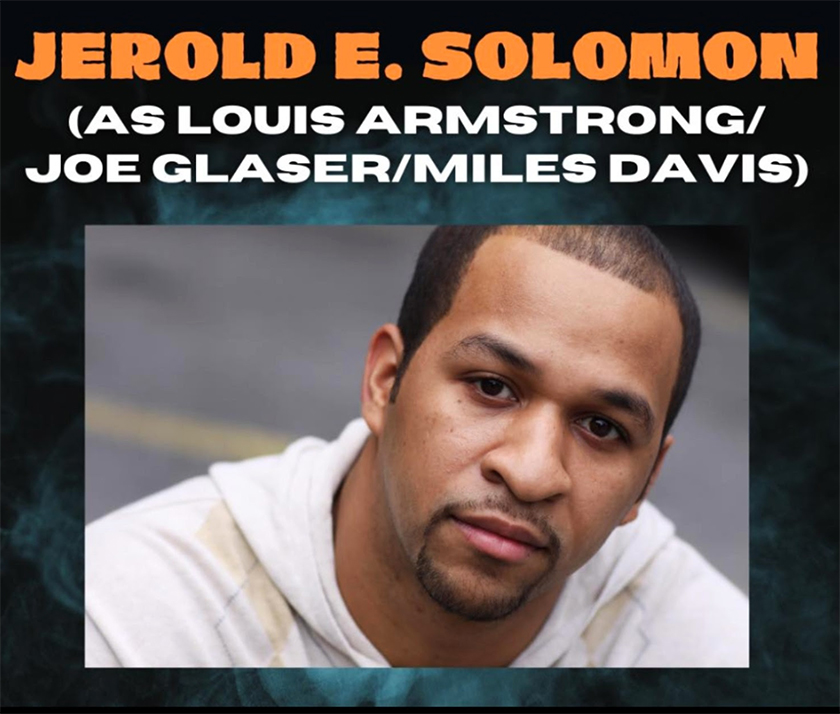
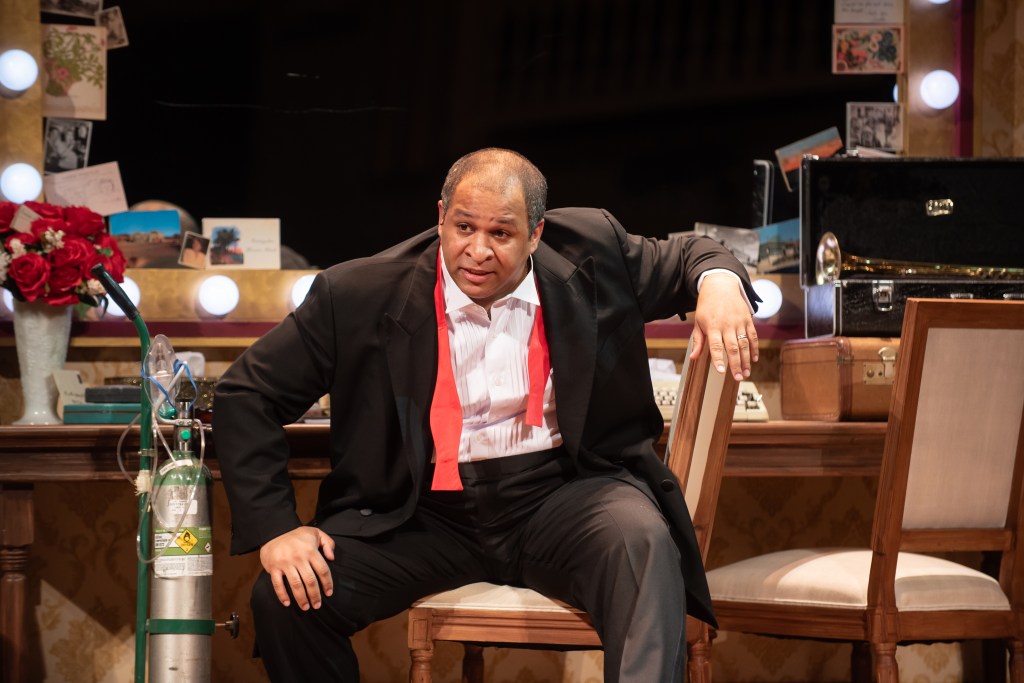
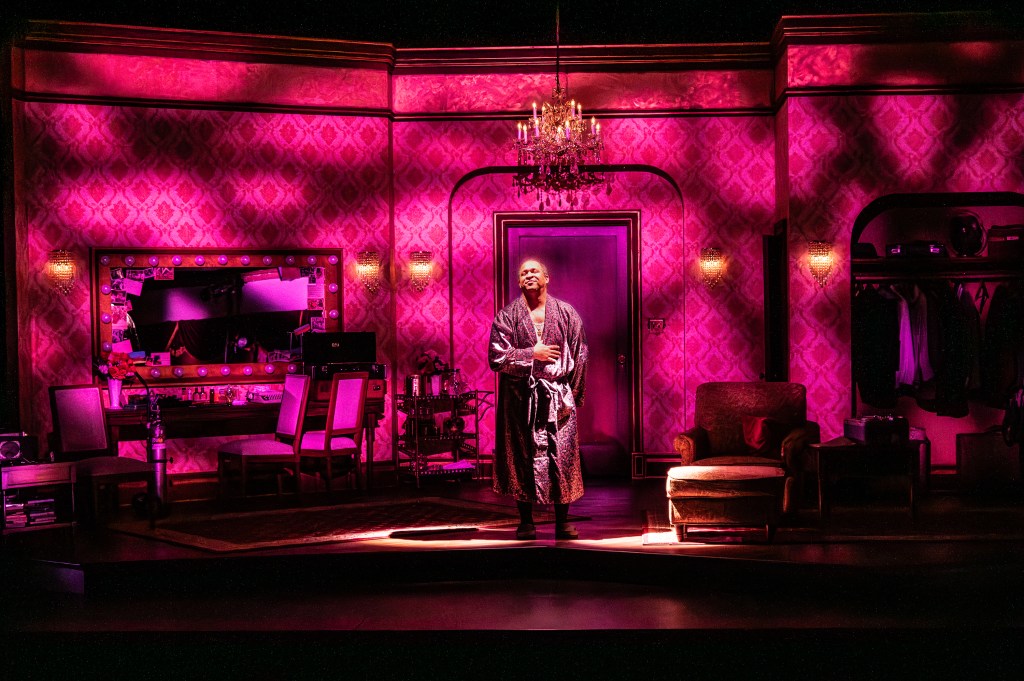
American trumpeter, vocalist, and jazz innovator Louis Armstrong died in New York City, July 6, 1971 at age 69 of a heart attack. Terry Teachout’s one-man play, SATCHMO AT THE WALDORF (2012),is a work of historical fiction set in a comfortably appointed dressing room at the Waldorf Astoria’s Empire Room a few months before Armstrong’s death. The VaRep production features Jerold E. Solomon, who catches us off-guard in the first 30 seconds of the play by (a) stumbling into the dressing room and heading straight for an oxygen tank, (b) speaking in an amazingly accurate approximation of Armstrong’s gravelly voice, and (c) immediately announcing, “I shit my pants.”

Although it is a work of fiction, SATCHMO AT THE WALDORF has so much historical truth that it is an educational experience. We learn of Armstrong’s four wives and how he finally got it right with his fourth wife, Lucille – the first dark-skinned Black woman hired by Harlem’s Cotton Club. We share the outrage when he talks about traveling in the south during the era of Jim Crow segregation when even internationally known starts like Armstrong could not stay in a hotel or eat in a restaurant. We hear about Armstrong’s long-tern symbiotic relationship with his manager, Joe Glaser, and the heartache the followed when all Glaser left him on his death – his best friend and client/business partner – was a “tip.” There was a time spent working for the notorious crime boss Al Capone. He had beef with jazz trumpeter and bandleader Dizzie Gillespie and unpleasant rivalry with the influential jazz trumpeter and bandleader Miles Davis, who called him an Uncle Tom. We learn of Armstrong’s wide-ranging and eclectic interest in multiple music genres, including classical, opera, and country.

I see skies of blue
And clouds of white
The bright blessed day
The dark sacred night
And I think to myself
What a wonderful world

Solomon arrives onstage carrying a trumpet, which he immediately places in its case. He does not attempt to play or portray trumpet playing, nor does he sing, although he does toss off a little scatting. Solomon’s depiction of Armstrong’s voice is unwavering and I kept wondering if it was painful. But wait, that’s not all. When portraying Glaser, Solomon seamlessly shifts to a stereotypical New York Jewish accent without missing a beat. The portrayals of the outspoken Davis are less outstanding – although I think the reason lies less with Solomon than with the script. For someone known to be so outspoken and independent, Davis is written as a flat, uni-dimensional.

The colors of the rainbow
So pretty in the sky
Are also on the faces
Of people going by
I see friends shaking hands
Saying, “How do you do?”
They’re really saying
I love you

Mercedes Schaum’s set is sturdy and well appointed with a makeup area, a lounge area, two carpets, a wardrobe, an offstage bathroom and all the amenities one would expect from an exclusive venue located in a five-star hotel. Joe Doran’s lighting is mostly non-descript, but occasionally reaches for some noteworthy effects. I was surprised by the short audience on a Saturday night, the second night of the run. I’m not sure if this was due to a lack of interest in the subject matter or to the political activity occurring in the nearby downtown area, or to the 7PM curtain, or the fact that this play is a one-hander (rare for a VaRep mainstage production), or a combination of factors. Granted, Louis Armstrong may not be everyone’s cup of tea, and – as I found out shortly after the show – not everyone knows that Satchmo, a contraction of Satchel Mouth, was one Armstrong’s nicknames.

I hear babies cry
I watch them grow
They’ll learn much more
Than I’ll ever know
And I think to myself
What a wonderful world
Yes, I think to myself
What a wonderful world
Ooh, yes

I, for one, thoroughly enjoyed Solomon’s performance and the impromptu history lesson of Satchmo at the Waldorf – it appealed to my artsy side and my nerdy side. What a wonderful combination.

———-

Julinda D. Lewis is a dancer, teacher, and writer who recently had both knees replaced due to a manufacturer’s recall. Born in Brooklyn, NY, she now lives in Eastern Henrico County where she can be found kicking up her heels as best she can any day of the week.

———-

SATCHMO AT THE WALDORF

Written by Terry Teachout

Directed by Rick Hammerly

Cast

Louis Armstrong/Joe Glaser/Miles Davis             ……….         Jerold E. Solomon

u/s Louis Armstrong/Joe Glaser/Miles Davis ……….       David Watkins

Direction & Design

Direction ………………………….             Rick Hammerly

Scenic Design ……………………             Mercedes Schaum

Costume Design …………………             Sue Griffin

Lighting Design …………..………            Joe Doran

Sound Design ……………………..           Jonathan Pratt

Stage Management ………….…..          Donna Warfield

Ticket Information

Box Office: (804) 282-2620

www.virginiarep.org

Tickets range from $39 – $59

Run Time

The play runs for approximately 95 minutes; there is no intermission.

Lyrics to “It’s a Wonderful World”

Source: LyricFind

Songwriters: George David Weiss & Robert Thiele

“What a Wonderful World” lyrics © BMG Rights Management, Concord Music Publishing LLC

Photo Credits: Aaron Sutten

One-Time
Monthly
Yearly

Make a donation
TO SUPPORT rvaRT rEVIEW

Make a monthly donation

Make a yearly donation

Choose an amount

$5.00
$15.00
$100.00
$5.00
$15.00
$100.00
$5.00
$15.00
$100.00

Or enter a custom amount

$

Your contribution is appreciated.

Your contribution is appreciated.

Your contribution is appreciated.

DonateDonate monthlyDonate yearly