Tickets & Info: kdance.org or rtriangle.org or call (804) 346-8113 or (804) 270-4944
Sweet Bird of Youth picks up the theme Kaye Weinstein Gary laid down with 2024’s production of Shorts (i.e., short dance-theater works that blend text, movement, and music), entitled Coming of Age. Right off the bat, Gary confirms that Sweet Bird of Youth is at least partially autobiographical by sharing a humorous tale of going out with friends, all of whom were unashamed to claim their senior discounts – all, that is, except her. Gary confesses that she threw away her AARP mail, didn’t want to claim Social Security, and eschewed senior discounts. Garys’s denial was so extreme that eventually her husband pointed out that she was throwing away money by not embracing the senior savings.
Equal parts humorous and heartfelt, this exploration of aging and life transitions is supported by Jane Cafarella’s monologue, “Sweet Bird of Youth,” Andrew Bliss’ “Cuthbert’s Last Stand,” and Tracy Letts’ August Osage County as well as other monologues, poems and songs (e.g., Nat King Cole’s “Sweet Bird of Youth”). Cafarella’s “Sweet Bird of Youth” is spread over three ensemble sections and Gripp’s “Hap Hap Hap Birthday” song appears twice; these, along with Cafarella’s words provide a sort of loose structure to this seemingly free-form enterprise.
The “Sweet Bird of Youth” theme is echoed in Frank Foster’s set – his first for a dance company – a flock of translucent birds appearing to emerge from a picture frame that rests with a corner on the floor. There is also a red cushion or hassock, 2 of those clear acrylic Ghost Chair armchairs, and 2 barstools, allowing for quick and seamless scene changes.
Between the introduction and the closing bow, the audience gets to experience a range of significant life-stage events, including the death of a parent, a confession of not being homosexual, and milestone birthdays of 40 and 50 years. The program addresses the arc of sexuality as we age, symbolized by moving from a twin bed to a double bed, then a queen-sized or king-sized bed before moving back to separate beds and finally separate rooms.
Just as Gary has staged an opposite-of-coming-out scene, she starts from the end, with the performers wearing wigs and shawls that they shed as they regress to earlier, younger versions of themselves or their characters. The audience loved every bit of it – after all, Gary has tapped into an area of need, the aging are too often socially neglected and invisible. During a talk-back with the audience, someone summed up this need and Gary’s collaborative response like this (or something pretty close): “Dance is kind of the ultimate triumph of the body…tension between words and movement.”
———-
Julinda D. Lewis is a dancer, teacher, and writer who was born in Brooklyn, NY and now lives in Eastern Henrico County. When not writing about theater, she teaches dance history at VCU and low impact dance fitness classes to seasoned movers like herself and occasionally performs. Julinda was recently awarded the Dean’s Distinguished Adjunct Faculty Award 2023-24 Academic Year by VCU School of the Arts and the 2025 Pioneer Award in Dance Ministry by Transformation International Worship Ministries, Newport News, VA.
———-
CAST of DANCERS/ACTORS
Andrew Etheredge
Kaye Weinstein Gary
Melanie Richards
PRODUCTION TEAM
Director/Choreographer ….. Kaye Weinstein Gary
Lighting Designer ….. Gretta Daughtrey
Set Designer ….. Frank Foster with Jessica Chivington
Hat/Wig Consultant ….. Heidi Rugg
Stage Manager ….. Jake Buccella
Production Assistant ….. Gina Maria McKenzie
Performance Schedule:
Thu Oct 16 @ 8pm, Fri Oct 17 @ 8pm, Sat Oct 18 @ 4pm & 8pm
Tickets: $30
Run Time: Approximately 40 minutes, no intermission
Melanie Richards, Kaye Weinstein Gart, Andrew EtheredgeMelanie Richards, Andrew Etheredge, Kaye Weinstein GaryMelanie Richards, Andrew Etheredge, Kaye Weinstein Gary
Photos by Tom Topinka
One-Time
Monthly
Yearly
PLEASE Make a one-time, MONTHLY, or ANNUAL donation donation to support rvart review
Info: (804) 344-0906, etix.com, or richmondballet.com
THE PROGRAM
SLUMP
Choreography by Joshua L. Peugh
Music by Klezmer Juice, Yma Sumac, Ella Fitzgerald
Costumes Provided by Richmond Ballet
Lighting Design by Nathan W. Scheuer
World Premiere: June 21, 2012 by Bruce Wood Dance Project at Booker T. Washington’s <Montgomery Arts Theater, Dallas, TX; Richmond Ballet Premiere: May 8, 2025, Leslie Cheek Theater, Virginia Museum of Fine Arts, Richmond, VA
ECHOING PAST
Choreography by Stoner Winslett
Music by Fanny Mendelssohn-Hensel
Costume Design by Susan Cologne
Lighting Design by Nathan W. Scheuer
Pianist: Joanne Kong
World Premiere: May 15, 1996 by Richmond Ballet at Leslie Cheek Theater, Virginia Museum of Fine Arts, Richmond, VA
FADING CREATURES
Choreography by Yury Yanowsky
Music by Senking and Henryk Gorecki
Costumes by Christi Owen after Original Costume Design by Emily Morgan
Lighting Design by Nathan W. Scheuer
Following their March 2025 return to the VMFA’s Leslie Cheek Theater after an absence of 30 years, Richmond Ballet’s Moving Art Two program offered an audience pleasing trio of works. In order, the audience enjoyed a quirky modern Richmond premiere, a revival of a more classically themed ballet by founding artistic director Stoner Winslett, and a world premiere of a work that began as an entry in the Richmond Ballet’s 2023 New Works Festival. Interestingly, and to my surprise, most of the people I chatted with after the show were most drawn to the more contemporary works.
The program opened with a colorful, upbeat work by Joshua L. Peugh, the New Mexico-based founder and artistic director of Dark Circles Contemporary Dance. Slump defies categorization with its musical environment ranging from Klezmer Juice (described online as Jewish Soul musicians) to Peruvian singer Yma Sumac to jazz icon Ella Fitzgerald. The women are dressed in 1950s-style party dresses with crinoline underskirts that give a sassy nod to tulle tutus while emphasizing the pointedly un-classical and often upside-down lifts with one leg hooked around the partner’s neck.
At one point the men perform a rubbery, jelly-legged movement that used to be known as “eccentric” dancing, and later they walk with what my grandmother would have called a “switch,” as if mocking their female partners. The partner dancing includes the kind of weight-bearing that remind me of when little girls dance with their feet planted atop their daddies’ feet like life-sized rag dolls. They slouch, they drop, they roll in joyous freedom. The women’s wide-legged stance, the men’s swirling hips, the flirtatious and irreverent partnering all seemed to be as much fun for the dancers as it was for the audience.
Stoner Winslett’s Echoing Past was in stark contrast to the shenanigans of Slump. Described as a ballet about one woman’s journey, looking back while moving forward, the work is set to music by Fanny Mendelssohn-Hensel and played live by pianist Joanne Kong. Originally titled “Das Alte Jahr” (“The Old Year”), the ballet was choreographed in honor of Leslie Peck, a former member of the New York City Ballet, a recognized authority on Balanchine ballets, and a former ballet mistress with Richmond Ballet.
Eri Nishihara represents this woman, with Annika Kuo, Kaitlin Roemer, and Kennady Jackson dancing the roles of her past selves. Nishihara wears pink while the past selves are dressed in gray. Nishihara seamlessly trades places with her past selves, sometimes dancing back-to-back or mirroring the other women, as the peace evolves into a rich and satisfying conclusion. The ballet may be a metaphor for the company itself. Echoing Past was first performed at the VMFA in 1996, and Winslett formally stepped down as Artistic Director just under a year ago, in July 2024. So, the ballet somewhat mirrors Winslett’s own journey as artistic director, choreographer, and a woman in a position that is still dominated by men.
Yury Yanowsky, a former principal dancer with the Boston Ballet, first introduced Richmond audiences to his work Fading Creatures as a part of the Richmond Ballet’s New Works Festival in 2023. Inspired by Salvador Dali’s familiar melting clocks, the work begins with the feeling of a sci-fi ritual as the dancers lie on the floor with small lights hoovering over them. Once the lights have ascended and the dancers have risen from the floor, the dancers adopt an athletic style of movement – muscular, posed, poised, measured, abstract.
While inhabiting the lower level, the dancers flip, slide, reach, and lunge, but once the lights rise above them like a constellation, the dancers’ movements become bolder and more sinuous at the same time. Sometimes they appear to float or glide, only to suddenly run and freeze, or rewind and repeat, bending and stretching time, ending with a sudden stop!
What a satisfying conclusion to the company’s 2024-2025 season, the first under the artistic leadership of Ma Cong. Much like the woman in Echoing Past, perhaps intentionally so, this season has been marked by reflection and change and concluded on a rich and satisfying note.
The Richmond Ballet 2025-2026 season begins with Moving Art One, September 11-21 featuring Wild Seet Love by Trey McIntrye and a world premiere by Ma Cong.
Moving Art Two, October 16-26 is scheduled to present Slice to Sharp by Jorma Elo, a world premiere by Andrea Schermoly, and French Twist by Ma Cong. The Nutcracker will be performed at Dominion Energy Center December 6-23 and Giselle will be performed there February 13-15. The season will continue with Moving Art Three, the company’s New Works Festival with works by Natasha Adorlee, David Morse, Price Suddarth, and Serkan Usta from March 19-29, and conclude May 14-24 with Moving Art Four with George Balanchine’s Apollo, John Butler’s After Eden, and a world premiere by Val Caniparoli.
———-
Julinda D. Lewis is a dancer, teacher, and writer who was born in Brooklyn, NY and now lives in Eastern Henrico County. When not writing about theater and dance, she teaches dance history at VCU and low impact dance fitness classes to seasoned movers like herself and occasionally gets to perform.
“Slump” Virginia Premiere by Joshua L Peugh“Echoing Past” by Stoner Winslett“Fading Creatures” World Premiere by Yury Yanowsky
One-Time
Monthly
Yearly
Make a one-time, monthly, or annual donation to support rvart review
A Co-Production of Firehouse Theatre and Richmond Triangle Players
A Reflection on a Unique Theater Experience by Julinda D Lewis
At: Firehouse Theatre, 1609 W Broad St., RVA 23220
Performances: April 16-19, 2025
Ticket Prices: $45 [all shows SOLD OUT]
Info: (804) 355-2001 or firehousetheatre.org
Fat Ham is what happens when Shakespeare gets invited to the BBQ and there’s brown liquor and the Electric Slide – the only thing missing is a game of Spades.
What is Fat Ham? James Ijames’ 2022 Pulitzer prize winning play is a modern-day take on Shakespeare’s Hamlet. Set in a small town in North Carolina (or Virginia, or Maryland, or Tennessee), Juicy’s father, Pap, has died and his mother, Tedra, immediately married her deceased husband’s brother, Rev. Mere moments into the contemporary tragedy (or tragi-comedy), Pap appears to Juicy and his friend Tio as a ghost. As if to make sure we get the “comedy” part of tragi-comedy, Pap has thrown a large white sheet, complete with pasted on black eyeballs, over his pristine white funeral suit and strolls into the backyard using the gate. I’m not the only one who wondered why he didn’t just walk through the fence, as his son, Juicy also asked why he wasn’t floating! Point made, he subsequently ditches the sheet and appears in his white suite with a wide-brimmed white hat and white shoes.
Named in honor of Shakespeare’s Hamlet and the BBQ restaurant owned by the play’s fictional family, Fat Ham is equal parts family tragedy and side-splitting comedy. Pap has roused himself from the grave to ask his son to seek revenge. Apparently, while in prison serving a sentence for stabbing a man, he himself became the target of a hitman when his own brother, Rev, has him killed. The plot thickens when Pap, Rev, and just about every other adult in his life questions Juicy for being “soft,” calling him a sissy and other choice names.
As the drama unfolds, two of Juicy’s friends come – or get forced out – of the closet. Tedra’s conflict is also internal as she faces her own insecurities that make her think she can find her worth only in the arms of man. Criticism is met with a variety of explanations, all ending with, “it’s biblical” or “it’s in the bible.”
There was plenty of drama off the stage as well. After a successful run in Norfolk earlier in the year, Virginia Rep was set to bring Fat Ham to the November Theatre but cancelled at the last minute due to their on-going financial problems that surfaced for the public in the fall of 2024. While it may be true that finances were the source of the cancellation, the optics were not good. Fat Ham is very much a Black and Queer play, and with all the controversy over Black History Month, DEI, and the like, well feelings were ruffled.
In what was a huge surprise to many if not most of us (the RVA theater community), the Firehouse Theatre, under the direction of Producing Artistic Director Nathaniel Shaw and Richmond Triangle Players, where Philip Crosby is Executive Director, joined together to co-produce Fat Ham with the same Norfolk cast that was originally expected to bring this production to the River City. The five performances were fully sold out before most of the general public even heard about the event. So, for many reasons, Fat Ham is not just any play, this was not just any production, and I felt blessed to secure a seat.
Bringing this show to life, complete with physical comedy, amazing soliloquys, some of which reference Shakespeare and some of which are taken verbatim from the bard’s Hamlet – such as “what a piece of work is a man” – is a dynamic cast consisting of Marcus Antonio as Juicy/Hamlet, Kevin Craig West as Pap/the ghost of Hamlet’s father and Rev/Claudius, Cloteal L. Horne as Tedra/Hamlet’s mother, Gertrude, and Adam E. Moskowitz as Juicy’s/Hamlet’s sidekick Tio/Horatio. Notice the pattern that is beginning to emerge? Jordan Pearson plays Larry/Laertes, Janae Thompson is his sister Opal/Ophelia, and Candice Heidelberg is their mother Rabby/Polonius.
Antonio is alternately sly, soft, philosophical, and just generally endearing as Juicy (although I had a hard time swallowing that name, LOL). Horne is so over-the-top as his mother, Tedra, that the moments when she is serious are all the more powerful. She stands up for Juicy, refusing to allow Rev to spread his homophobic poison and at the same time, like most of the Black mothers I grew up in community with, was very protective of her son while maintaining a boundary that defined how people defined her and her life choices.
Jordan Pearson was a supporting character who came later on the scene but made a huge impact, transforming from a straight-edged marine to puffed sleeves, feathers, and a metallic gold head piece. Moskowitz – who reminded me more than once of a version of Spike Lee, perhaps from Do the Right Thing – shared a bizarre sexual fantasy involving a gingerbread man, a snowball fight, and fellatio that had his character questioning the origins of his weed. It was the kind of story, a confession, that one has to blame on the weed, or on alcohol, in order to be able to hold one’s head up in public ever again!
Another memorable scene Moskowitz shared with Antonio involved Juicy asking his friend Tio about his shoes. This gives rise to another direct Shakespearean reference, “You remember Yurick?” It seems Yurick (who was not give a contemporary name) was Juicy and Tio dead friend, and Tio bought Yurick’s shoe at a yard sale being held to raise money for Yurick’s funeral.
Thompson’s Opal, unlike Ophelia, does not end in death by drowning – or any other means – but, rather, with affirmation and freedom. While her brother, Larry/Laertes, is not happy with the military life he is living to please his mother, Opal longs for it – it would provide her freedom she does not currently have as a woman, as a Black woman, as a Queer Black woman.
West, who played the unlikeable brothers Pap (God doesn’t want him and the devil won’t have him) and Rev (a blend of charming yet controlling as are most narcissists), redeemed himself – in the eyes of the audience and his fellow cast member – with a shocking and hilarious death scene.
Unlike a Shakespearean tragedy that ends with most of the main characters dead and strewn about the stage, Fat Ham ends with the cast breaking out in dance. (I believe the script may have originally called for a disco ball to descend at this point.) With the suddenness of this production’s manifestation, and the fun-size stage at Firehouse, it was not possible to transport the stage used in Norfolk, so Firehouse staff constructed a new set in 48 hours!
There is tragedy. There is the angst of young people seeking purpose. There’s the dysfunction that results from the machinations of adults trying to make the best of a difficult situation, the burdens society expects them to carry, and the weight of tragedy. There is also humor and an earnest attempt to make the best of whatever life throws at you. As Tio says, “Why be miserable trying to make somebody else happy?”
—–
Julinda D. Lewis is a dancer, teacher, and writer who was born in Brooklyn, NY and now lives in Eastern Henrico County. When not writing about theater, she teaches dance history at VCU and low impact dance fitness classes to seasoned movers like herself and occasionally performs.
—–
FAT HAM
Written by James Ijames
Directed by Jerrell L. Henderson
CAST
Marcus Antonio ….. Juicy
Candice Heidelberg ….. Rabby
Cloteal L. Horne ….. Tedra
Adam E. Moskowitz ….. Tio
Jordan Pearson ….. Larry
Janae Thompson ….. Opal
Kevin Craig West ….. Pop/Rev
CREATIVE TEAM
Jerrell L. Henderson ….. Director
James Ijames ….. Playwright
Nia Safarr Banks ….. Costume Designer
Caitlin McLeod …..Scenic Designer
Jason Lynch ….. Lighting Designer
Sartje Pickett ….. Sound Designer
Kim Fuller ….. Production State Manager
Performance Schedule:
Wednesday, April 16, 2025 7:30PM Opening Night
Thursday, April 17, 2025 7:30PM
Friday, April 18, 2025 7:30PM
Saturday, April 19, 2025 2:00PM
Saturday, April 19, 2025 7:30PM Closing Performance
Run Time: about 1 hour 45 minutes with no intermission
Photo Credit: Photos on Firehouse & Richmond Triangle Players Facebook pages by Erica Johnson @majerlycreative
Heidelberg, Pearson, and Thompson around the table and Horne atop the tableMarcus AntonioMarcus Antonio and Adam E Moskowitz
One-Time
Monthly
Yearly
Make a one-time, monthly, or annual donation to support rvart review
Costumes designed and constructed by Starrene Foster, except as noted
Lighting designed by Gretta Daughtrey
Live Oak inspired by a photograph by Mike Harrell
Performed by Fran Beaumont, Shannon Comerford, Madison Ernsted, Angela Palmisano
Music by Tamar Halperin, Etienne Abelin, Tokek Kolczynski, Johann Sebastian Bach; Constellation 999:999 After BWV 99 & BWV 1018
_____
Saving Grace inspired by a photograph by Caroline Frye
Performed by Fran Beaumont and Madison Ernstes
Music by Adam Krieger, Andreas Scholl, Tamar Halperin; Nun sich der Tag Geendet hat and Carl Friedrich Abel, Paolo Pandolfo; Viola da Gamba Suite in D Minor: I. Arpeggiata
_____
Wisp inspired by a photograph by Becky Atkins
Performed by Adria Applebee (Thursday, Saturday), Alex Atkins, Roya Baker-Vahdani, Sarah Carrington, Lena Cohen, Ma-Siya Dycus, Sophie Smith 9friday, Sunday), Ella Holland, Molly Huey, Janelle Ragland
Music by Simon Goff; Elowen
Costumes designed and constructed by Johann Stegmeir
_____
Lies Lies Lies inspired by a photograph by PJ Sykes
Performed by Fran Beaumont, Shannon Comerford, Madison Ernstes, Molly Huey, Angela Palmisano
Original music composition by Daniel Deckelman
_____
Flight inspired by a photograph by Georgianne Stinnett
Performed by Molly Huey
Original music soundscape by Starrene Foster with Hour of the Witch composed by Scott Buckley
Costume constructed by Starrene Foster based off a design by Karl Green
_____
Run to You inspired by a photograph by Shannon Mills Guest
Performed by Shannon Comerford and Angela Palmisano
Music by Luca D’Alberto; Beautiful As a Memory
_____
Garnish inspired by a photograph by Allison Patel
Performed by Fran Beaumont, Shannon Comerford, Madison Ernstes, Molly Huey, Angela Palmisano, and guest artists Adia Applebee (Thursday, Saturday), Alex Atkins, Roya Baker-Vahdani, Sarah Carrington, Lena Cohen, Ma-Siya Dycus, Sophie Smith (Friday, Sunday), Ella Holland, Molly Huey, Janelle Ragland
Music by Adrián Berenguer; Reset
____________________________________
The Starr Foster Dance (SFD) website informs us that the company is “committed to their mission to collaborate with all genres of artists in their quest to make the world richer with art.” For Spitting Image 2025, Foster embarked on a collaborative journey with her core company of 5 dancers, 9 guest dancers, and 7 photographers.
Foster notes in the program (always a stunningly beautiful publication in its own right) that the SFD Art Director, Douglas Hayes, is at least in part responsible for her love of photography. In 2018 (in the “time before”) the company produced the first Spitting Imageprogram at TheatreLab, The Basement, inviting photographers from the Richmond area to contribute images to the project. Spitting Image 2025 is the third iteration of this collaborative creation. (The second was in 2023, also at the Firehouse.)
The phrase “spitting image” usually refers to something that looks remarkably similar to another, such as a mother and daughter or father and son. But in the execution of these collaborative offerings the seven brief works are not intended to bring to life carbon copies of the still images, but rather each captures a moment, an essence, a fleeting fragment from the photograph and then builds on it, takes flight, elevates it, or even takes a quirky turn. The photographs were on view in the theater lobby, and are available to view on the SFD website, https://www.starrfosterdance.org/spittingimage2025, but due to copyright may not be reproduced here.
Mike Harrell’s black and white photograph depicts an aisle of tall trees whose tops meet and intertwine above the road. The Live Oak dancers’ white palazzo pants and lacy white tops mimic the lacy tree branches and at one point the lacy pattern is recreated on the floor in lights. Their movements are mysterious and weighted, a lift and drag suggests the strength, durability flexibility, and stability of trees, and the shapes fit together like puzzle pieces. Very mindful. Very demure.
Caroline Frye submitted a photo of a backyard clothesline with what appears to be a heavy rug hanging out to air or to dry. Fran Beaumont wears neatly tailored pants and a button-down shirt that reminded me of a schoolgirl’s uniform, while Madison Ernstes, lingering in the background, wore a dark shirtwaist dress. For me, Saving Grace created an image of a portal, a doorway, perhaps into the past. The atmosphere made me consider various meanings of the phrase, “saving grace.” It can mean a redeeming quality, but it could also, literally mean saving someone named Grace – or it could be a bit of both…
Becks Atkins photo of clouds inspired Wisp, one of my personal favorites. Dressed in short white or pale gray pants with asymmetrical tops, the dancers began in a single file line, facing the audience and ended in a cluster like delicate flower petals. The music and movement both seemed to have a delicate Asian flavor, simple, and beautiful.
The first half of the program closed with Lies Lies Lies, inspired by PJ Skyes’ angular, industrial offering – three views of a wall that holds the remains of a sign that once said “SUPPLIES.” Hmm, could this be a subtle statement about how things are not always what they seem to be – or an even more rare statement on the current political climate? Without reading more into it than intended, Foster’s choreography for this piece is urgent, driven, and percussive, and set to an original score that is equally urgent, driven, and percussive. Altogether, Lies Lies Lies is quite a departure from other works on the program, aggressive, but not angry.
The second part of the program opened with a solo, Flight, performed by Molly Huey. Inspired by Georgianne Stinnett’s intimate close-up of a bee collecting pollen from the reproductive organs of a flower, Huey’s movement are big and remind me of the inner workings of a traditional timepiece. The original soundscape consists of a series of musical explosions with an underlying base of small ticks, like a fine watch – or a time bomb.
Run to You, another personal favorite is a tender duo, performed by Shannon Comerford and Angela Palmisano. Intriguing lighting creates shadow play that makes the two dancers appear to be four or six. Inspired by Shannon Mills Guest’s photograph of two women sitting side-by-side, one with long blond hair and one with long dark hair. Foster carries out the visual opposition with costuming: one dancer wears white ruffled fabric on top, the other on the bottom, while the shadows double and triple the relationships, building and extending the connection between the sisters, friends, or whatever you need the relationship to be.
The program closed on a humorous and quirky note with Garnish, a work for 13 dancers, each wearing a flower-patterned dress, each in a different pattern. Lined up across the stage, they grimace, give a side eye, and more in a cork that is casual, funny, and energetic. Garnish is inspired by Allison Patel’s photograph of a woman applying makeup. Eyes wide, lips pursed, the image fuels the dancers’ facial gymnastics and extends the movement through their entire bodies. Garnish is definitely the icing on the cake.
———-
Julinda D. Lewis is a dancer, teacher, and writer who was born in Brooklyn, NY and now lives in Eastern Henrico County. When not writing about theater, she teaches dance history at VCU and low impact dance fitness classes to seasoned movers like herself and occasionally performs.
Company Artists: Fran Beaumont, Shannon Comerford, Madison Ernstes, Molly Huey, Angela Palmisano
Guest Performers: Adria Applebee, Alex Atkins, Roya Baker-Vahdani, Sarah Carrington, Lena Cohen, Ma-Siya Dycus, Sophie Smith, Ella Holland, Janelle Ragland
Costumes Designed and Constructed by: Starrene Foster, with the exception of the costumes for “Wisp,” designed and constructed by Johann Stegmeir
Starr Foster Dance is a Resident Company of the Firehouse Theatre
Performance Schedule
SPITTING IMAGE PERFORMANCE SCHEDULE Thursday, April 3rd 7:30PM Opening Night/Post Show Q&A Friday, April 4th 7:30PM Champagne Night with Cast & Artistic Team Saturday, April 5th 2:00PM Saturday, April 5th 5:00PM Post Show Q&A Sunday, April 6th 2:00PM Closing night
Run Time
1 hour 20 minutes plus one15-minute intermission
One-Time
Monthly
Yearly
Make a one-time, monthly, or annual donation to support the publication of rvart review. we receive no funding and do not charge you for a subscription or require you to navigate a paywall…
Info: (804) 344-0906, etix.com, or richmondballet.com
THE PROGRAM
PENTAPTYCH
Choreography by Ma Cong
Music by Ryan Lott
Costume Design by Emma Kingsbury
Lighting Design by Les Dickert
Visual Artist: Eric Sall
World Premiere: September 14, 2018, Tulsa Ballet, Tulsa Ballet’s Studio K Theatre, Tulsa, OK. Richmond Ballet Premiere: March 20, 2025, Leslie Cheek Theater, Virginia Museum of Fine Arts, Richmond, VA
AFTER THE RAIN Pas de Deux
Choreography by Christopher Wheeldon, OBE
Music by Arvo Pärt
Staged by Jason Fowler and Craig Hall
Costume Design by Holly Hynes
Lighting Design by Les Dickert after Original Design by Mark Stanley
Pianist: Dr. Douglas-Jayd Burn
Violinist: Karen Johnson
World Premiere: January 22, 2005, New York City Ballet, New York State Theater, New York, NY. Richmond Ballet Premiere: March 20, 2025, Leslie Cheek Theater, Virginia Museum of Fine Arts, Richmond, VA
LAMBARENA
Choreography by Val Caniparoli
Music by Johann Sebastian Bach and traditional African (as arranged by Pierre Akendengué and Hughes de Courson)
African Dance Consultants: Dr. Zakarya Diouf, Naomi Johnson-Diouf, Ibrahima O. Diouf
Scenic and Costume Design by Lisa J. Pinkham, Recreated by Les Dickert
Staged by Maiqui Manosa
World Premiere: March 28, 1995, San Francisco Ballet, War Memorial Opera House, San Francisco, CA. Richmond Ballet Premiere: March 20, 2025, Leslie Cheek Theater, Virginia Museum of Fine Arts, Richmond, VA
—–
In celebration of the very first performance of the Richmond Ballet’s new Moving Art series – replacing the long-time, popular Studio Series – current Artistic Director Ma Cong, Founding Artistic Director Stoner Winslett, and VMFA Director and CEO Alex Nyerges shared the stage on Thursday evening, March 20, for an enthusiastic pre-show welcome. There was a full house for this gala event, and all performances of the March 20-30 program were already sold out.
Moving Art One marks the return of the Richmond Ballet to the VMFA after last performing there in the 1990s and the first major renovation of the Leslie Cheek Theater stage since it was built some 70 years ago. The renovations include widening the stage to better accommodate ballet, new lighting for the house and the stage, and upgraded A-V equipment. A press release indicates that the performers’ dressing rooms and restrooms and the green room have also been upgraded. The theater seats 472 audience members, and the seating has reportedly been refurbished but in my opinion the seats are still a bit too tight and would probably not be comfortable for all audience members, and the raking does not allow for an unobstructed view if you are vertically challenged, or if a tall person sits in front of you. But that’s just my two cents.
As with the Studio Series performances, the Moving Art series consists of a program of three works and features both classical and contemporary ballets produced in an intimate setting (as compared to, say, the 1,800-seat Carpenter Theatre where large works such as The Nutcracker Ballet or Cinderella are performed).
Moving Art One opened with the world premiere of Ma Cong’s Pentaptych (def., a work of art consisting of five panels or sections). There is a live artist onstage, Eric Sall, who interacts with the dancers and creates a large, colorful abstract painting. The bold brushstrokes are a stark contrast to the black, white, and gray costumes worn by the dancers – except for one dancer whose costume appears to be a part of or an inspiration for the painting. The ballet is of the contemporary genre, and the dancers’ monochrome costumes, paired with the abstract, ethereal, and sometimes athletic stretching motions and the original score by Ryan Lott, for a moment I had a flashback of sitting in Merce Cunningham’s Westbeth studio in Manhattan’s artists’ community, watching his company perform. (For those not familiar with Cunningham’s work – this is a positive comparison, and you should look him up!) The finished painting, by the way, is available for purchase via an online auction. The proceeds are to benefit the Richmond Ballet.
The classical portion of the program was provided by Eri Nishihara and Jack Miller, performing the pas de deux from Christopher Wheeldon’s After the Rain. Commissioned for a New York City Ballet program in honor of George Balanchine’s birthday, the ballet is in two parts. The first part is a dance for three couples, and the second part, the pas de deux, is often performed separately, as it was here on the new Richmond Ballet Stage. The dance is set to music by Arvo Pärt, played live by Dr. Douglas-Jayd Burn and Karen Johnson, and is notable for placing the ballerina in flat shoes instead of en pointe.
It is a stunningly beautiful and tender ballet in which the male dancer, Miller, sometimes lifts his partner is the most unexpected ways – for example, frozen into a position that I can only describe rather awkwardly as table-like. Another moment, Nishihara gently caresses her partner’s face while he stands strong and unmoving, or she perches delicately on his extended thigh. Burn’s piano and Johnson’s violin emit gentle, almost ambient sounds, like, yes, like raindrops. The piece ends with a silent embrace and the partners gently melt into one another.
Val Caniparoli’s Lambarena is much more difficult to write about, not because it was not beautifully performed, but because I am not sure what to think of it. Colorful, energetic, and fun, the work is performed to a rather unique blend of music by Johann Sebastian Bach and traditional African (what part of Africa?) music arranged by Pierre Akendengué and Hughes de Courson.
Performed by the full company, the work serves as a showcase for dancer Naomi Robinson who leads the women in leaping lightly like gazelles over the savanna. (This brought back another memory, that of seeing a herd of gazelles dashing through the grasslands of Kenya.) In a later section, they held their arms back and arched, reminding me of ostriches – and the beautiful solo Awassa Astrige created by Asadata Dafora (1932). The men, at times, reminded me of giraffes – also common to Kenya and other parts of East Africa. There was lots of light footwork and hip action unlike anything one usually sees in a traditional ballet. Sometimes I heard strains of a stringed instrument that reminded me of a berimbau – a one-stringed instrument I’m familiar with from Brazilian dance and capoeira (a Brazilian martial art/dance). I believe the berimbau originated in Angola, in southwestern Africa. The music also incorporated choral sections and clapping.
Overall, the work is sassy and joyous, and performed with extraordinary energy. My dilemma, perhaps, comes from recent discussions I have been having with my dance history students at VCU, where we have been mulling over the differences between cultural appreciation and cultural appropriation. The program lists African Dance Consultants – Dr. Zakarya Diouf, Naomi Johnson-Diouf, and Ibrahima O. Diouf – and the company hosted a Community Dance Class with local dance organization Ezibu Muntu on March 16, shortly before the opening of the Moving Art One program.
Still, I felt a certain uneasiness as I watched – and enjoyed – Lambarena, and watched others enjoying it, too. I appreciated it, but there does seem to be more than a little cultural appropriation – context? accreditation? intent? Acknowledgement – beyond the generic designation of “African” – or at least an appearance thereof. I need to look more deeply into Caniparoli’s inspiration and motivation before making a final decision on this work.
In the meantime, while I’m rummaging around in the stack of dance history, if you can’t get to see Moving Art One, there will be a Moving Art Two, running from May 8 – 18. That program will include Joshua L. Peugh’s Slump, a ballet about modern courtship, Stoner Winslett’s Echoing Past (set to a score by Fanny Mendelssohn-Hensel), and Yury Yanowsky’s newly completed Fading Creatures, a work-in-progress he introduced at Richmond Ballet’s 2023 New Works Festival. It draws inspiration from the melting clocks of Salvador Dalí’s popular painting The Persistence of Memory.
—–
Julinda D. Lewis is a dancer, teacher, and writer who was born in Brooklyn, NY and now lives in Eastern Henrico County. When not writing about theater and dance, she teaches dance history at VCU and low impact dance fitness classes to seasoned movers like herself and occasionally performs.
Richmond Ballet dancers in Pentapych by Ma Cong. Photo by Sarah Ferguson.
Richmond Ballet dancers in Pentaptych by Ma Cong. Photo by Sarah Ferguson.
Eri Nishihara and Jack Miller in the pas de deux from After the Rain by Christopher Wheeldon. Photo by Sarah Ferguson.
Eri Nishihara and Jack Miller in the pas de deux from After the Rain by Christopher Wheeldon. Photo by Sarah Ferguson.
Naomi Robinson in Lambarena by Val Caniparoli. Photo by Sarah Ferguson.
Richmond Ballet dancers in Lambarena by Val Caniparoli. Photo by Sarah Ferguson.
One-Time
Monthly
Yearly
Make a one-time, monthly or annual donation to show how much you love rvart review
Inspired by an excerpt from a memoir written by Sheena Jeffers
Performed by Fran Beaumont, Shannon Commerford, Madison Ernstes, Molly Huey, Angela Palmisano
Music by Scott Buckley, Balefire
Costumes designed and constructed by Starrene Foster
Ned, Steven
Inspired by a story written by Dr. Tim Wenzell
Performed by Molly Huey & Angela Palmisano
Original Music Composition by Daniel Deckelman
Costume Design by Starrene Foster
A Soft Neglect
Inspired by a poem by Tara Shea Burke
Performed by Sara Burtner, Danielle Cecile, Hailey Clevenger, Ma-Siya Dycus, Madison Ernstes, Olivia Gotsch, Janelle Ragland, Roya Baker-Vahdani
Music by Pieter de Graaf, OCD
Costumes Designed and Constructed by Starrene Foster
Elegy to Childhood
Inspired by a story written by Judith Rice
Performed by Fran Beaumont, Shannon Comerford, Molly Huey, Angela Palmisano
Music by Morryc, Saint-Saens
Costume Designed and Constructed by Tamara Cobus
Good Mourning
Inspired by a poem written by Geraldine Beaumont
Performed by Shannon Comerford & Fran Beaumont
Original Music Composition by Daniel Deckelman
Costume Designed and Constructed by Johann Stegmeir
Not a Dream
Inspired by an excerpt from a memoir written by Caitlin McGill
Performed by Madison Ernstes
Music by Valgeir Sigurõsson, The Crumbling
Costume Designed and Constructed by Starrene Foster
Middle Passage
Inspired by a poem written by Y.B. Taylor
Performed by Fran Beaumont, Shannon Comerford, Madison Ernstes, Molly Huey, Angela Palmisano, and guest artists Sara Burtner, Danielle Cecile, Hailey Clevenger, Ma-Siya Dycus, Olivia Gotsch, Janelle Ragland, Roya Baker-Vahdani
Music by Ran Bagno, Sticks (Vertigo 20)
Costume Designed and Constructed by Starrene Foster
**********
A few days before the opening of Starr Foster’s latest iteration of her Page to Stage project, I sat with Starr watching her company rehearse. It was the night of the Richmond Dance Awards, and during the rehearsal Starr received word that her company had been recognized as the Best Professional Dance Company in Richmond for the 2024 season. She was honored but humble. I was not surprised that she was honored. I was also not surprised that she was humble. She deserved it. But she had work to do, and celebrating would come later.
Page to Stage III, like its predecessors, is an artistic marriage of dance with poetry or short stories. Building on the programs that came before (in 2015 and 2022), the concept has matured, it has reached a place of balance and – dare I say – perfection. There was drama, humor, and even controversy. It’s dance for people who like movement, and movement for people who like words – a visualization of the words on paper, but without mimicking or condescending.
The program began with Living Tidal, a work for five dancers inspired by Sheena Jeffers’ story of the end of a relationship – that point when you feel you no longer belong, that you’re in the wrong place, when, quite simply, “our time has come.” For the stage Foster crafted a tight drama that veers away from the idea of a couple. It becomes personal, not just for Foster or Jeffers, but for each of us in our own way.
Ned, Steven is a comedic duet performed by two dancers in workman-like jumpsuits with name tags. Here, Foster has taken a tiny snippet of a story and turned it into a whole scenario – one can’t help but wonder what goes on Foster’s mind to produce these flashes of brilliance. The one word that best describes A Soft Neglect is “relational.” The work, performed by the talented troupe of guest performers, ended with a haunting image of the soloist’s chattering hands that, for me, seemed to perfectly capture the poet’s words: “Maybe families kill. Not with their hands, but a soft neglect – they let the needy bird stay stuck chirping in the mud, one foot too deep to be free.”
The first half of this program closed with Elegy to Childhood. The dancers began in individual squares of light, moving with simplicity and repetition that contrasted interestingly with the edgy, anxious complexity of Good Mourning that opened the second half. Even more noteworthy, the poem, Good Mourning by Geraldine Beaumont, was written by a company member who also performed in the duet. Not a Dream, inspired by a story by Caitlin McGill, is filled with subtle details and articulations of the smallest joint, in stark contrast to big, bold movements. Overall, the work – the only solo on the program, performed by the talented and versatile Madison Ernstes, reminded me of a visualization of good touch/bad touch.
The program concluded with what could have been the most controversial work on the program. The title, Middle Passage refers, of course, to the transporting of enslaved Africans from West Africa to the Americas. This is a topic most White choreographers would – rightfully – steer clear off, for obvious reasons [you know…appropriation]. Author Y.B. Taylor, who, according to Style Weekly, was Huguenot High School’s first African American homecoming queen in 1971 and one of six African American students to integrate Albert H. Hill Junior High School in 1966 has an interesting personal history and was apparently more than willing to entrust her story to Starr Foster. [https://www.styleweekly.com/third-times-a-charm/]https://www.styleweekly.com/third-times-a-charm/https://www.styleweekly.com/third-times-a-charm/
Rather than a retelling of the horrors of the cross-Atlantic slave trade, Taylor’s poem, written on a flight home from Europe, contrasts her own experience with that of those earlier, reluctant passengers. Given this perspective, Middle Passage becomes a story that belongs to anyone in a period of major transition. Given that Foster’s company is an all-female ensemble, it becomes a story of women.
Mechanical sounds, distant whirrs and thunderings and the echoes of time ticking away support the movement. A group of women leans side-to-side, moving as a unit, their palms barely supporting their heads. Little tags on their dresses, barely visible to the naked eye, subliminally suggest a label, a brand, a way, perhaps, of reminding someone they are a commodity – but maybe I’m going deeper than necessary. At the end, the women are kneeling, but not bowed – resilient, resistant, released…
Some say the third time is the charm. This is Foster’s third iteration of Page to Stage, and the shows just keep getting better. This program developed a unique collaboration of words and movement, not a visualization of the word, but a whole new creation with a life of its own, and an underlying theme of various kinds of relationships. Taken together, the separate works seem meant to be together – and they are also worthy of discussion. A casual post-performance discussion with a friend predictably revealed questions – even a bit of confusion – about Middle Passage. I hope there are future opportunities to pursue much needed discussions about difficult topics to their logical conclusion: a deeper understanding and greater inclusiveness.
———-
Julinda D. Lewis is a dancer, teacher, and writer who was born in Brooklyn, NY and now lives in Eastern Henrico County. When not writing about theater, she teaches dance history at VCU and low impact dance fitness classes to seasoned movers like herself, and occasionally performs.
IMPORTANT PROGRAM NOTE: The poetry and stories appearing in the playbill and on the Starr Foster Dance website were published with the permission of the authors and publishers. All material is protected by copyright under U.S. Copyright laws and may not be copied or reproduced without permission of the copyright holder.
Starr Foster Dance is a Resident Company of the Firehouse Theatre
Performance Schedule
Thursday, December 5th, 7:30PM
Friday, December 6th, 7:30PM
Saturday, December 7th, 2:00PM & 5:00PM
Sunday, December 8th, 2:00PM
Post-performance Q&A after the Thursday and Saturday evening performances
Champagne toast after the Friday evening performance
Run Time
About 2 hours
Living TidalA Soft NeglectElegy to ChildhoodGood MourningGood MourningNot a DreamNot a DreamMiddle PassageMiddle Passage
One-Time
Monthly
Yearly
Won’t you Please Make a one-time donation to support rvart review?
At: The Richmond Ballet Studio Theatre, 407 E Canal St, RVA 23219
Performances: September 17-22, 2024
Ticket Prices: $25 – $51
Info: (804) 344-0906, etix.com, or richmondballet.com
THE PROGRAM
EN CHALANT
Choreography by Ma Cong
Music by Nils Frahm, Hauschka, and Jóhann Jóhannsson
Costume Design by Rebecca Turk
Lighting Design by Trad A Burns
World Premiere: September 17, 2024, Richmond Ballet, Richmond Ballet Studio Theatre, Richmond, VA
WHAT’S GOING ON
Choreography by Val Caniparoli
Music by Leonard Cohen, Bob Dylan, Marvin Gaye, Meanie, Buffy Sainte-Marie, Jimmie Rodgers, Pete Seeger
Assistant to the Choreographer: Maiqui Manosa
Staged by Jerri Kumery
Costume Design by Susan Roemer
Lighting and Projection Design by Trad A Burns
Music Research by Lauren Morrison
World Premiere: May 10, 2022, Richmond Ballet, Richmond Ballet Studio Theatre, Richmond, VA
Fifteen years ago Ma Cong presented his first work for the Richmond Ballet as a guest artist participating in the company’s annual New Works Festival. This week, he presented his first full length work as the newly installed Artistic Director of the Richmond Ballet.
“En Chalant,” a work he described as “the complete opposite of nonchalant” is an abstract ballet that takes its inspiration from the music – in this case a selection of contemporary classic compositions by three composers, two German and one Icelandic, known for their contemporary classic work infused with elements of electronic music or, in one case, prepared piano.
In Ma’s own words, “En Chalant” is an exploration into “the deeply human feeling of seeking connection through the shared experience of music.” To the viewer, it is a stunningly beautiful work with its simple black and nude costuming that praises the human form. Designer Rebecca Turk explained that the limb-lengthening design – featuring a soft sculpted neckline for the women and bare chest for the men – was inspired by the lines of the calla lily. Abstract, elegant, and edgy was the goal and the achievement. Trad A. Burns took his cue from the music and movement in designing the lighting that started off as a sort of wavy sun burst that evolved throughout the development of the dance, eventually returning to its original shape. “I hear music in color,” he said during the opening night post-performance discussion.
The first movement, “Radar,” by Volker Bertelmann who performs under the name Hauschka, floods the stage with motion – quick, winding, lively, purposeful, yet lighthearted. The second section, set to the music of Nils Frahm, “Some,” strives to achieve new shapes in partnering. Ma succeeds in bringing the music to human form, combining both classical and contemporary elements of the music and dance.
In the third section, performed to Jóhann Jóhannsson’s “Payphone,” further explores partnering, extending to a trio that somehow still manages to feel like a duet, as when Aleksey Babayev seemingly effortlessly supports Eri Nishihara and Celeste Gaiera in tandem. By the fourth movement, Burns’ projection has evolved from a sunburst to a single horizontal shaft to four radiating bars, to a galaxy – an animated swirl of not-quite concentric not-quite circles. The piece turns somewhat moody, somewhat futuristic, and I thought I heard a thunderclap in the distance near the end of Jóhannsson’s “The Rocket Builder (Lo Pan!).”
For the final section, Ma returns to Bertelmann/Hauschka and Burns resurrects the original sun ray and bathes the stage in a golden glow. Classical ballet lines both blend and contrast with quirky contemporary shapes and movements: big and open versus small and inward, sort of like if Balanchine met Fosse.
WE NEED LEADERS NOT IN LOVE WITH MONEY BUT IN LOVE WITH JUSTICE. – MLK, Jr.
The second half of the program saw the return of Val Caniparoli’s “What’s Going On,” a contemporary work that begins and ends with quotes by the Rev. Dr. Martin Luther King, Jr. and features protest songs and music by artists familiar to those of us who were in high school during the final years of the Vietnam war: Marvin Gaye’s “What’s Going On,” Buffy Sainte-Marie’s “Little Wheel Spin and Spin,” Melanie’s gospel-folk protest song from Woodstock, 1969 “Lay Down (Candles in the Rain),” Bob Dylan’s “All Along the Watchtower,” which became Jimi Hendrix’s biggest hit, as well as his “Things Have Changed,” Pete Seeger’s “Where Have all the Flowers Gone?” and more.
While the soundtrack is from the hey day of the Boomer generation, the subject matter spans decades and generations: the Civil Rights movement, AIDS, COVID-19, forest fires, climate change, equality, equity, decent housing, measles, childhood vaccines, the pandemic of 1918, Woodstock, big pharma, the Tulsa race massacre, the war on reproductive rights, the murder of trans people, the hanging of a man in Iran for being homosexual, the list goes on…And yes, there is a list – a projection of news articles, photos of anti-war protestors. This is the backdrop for Caniparoli’s “exploration of the modern human experience,” a work that uses music, visual images, and a blend of ballet, contemporary dance, and social dance to remind us of where we came from, and stirring up memories for some and planting the seeds of history in others. Dressed in everyday clothing, with lots of denim and a subdued brown – lighter than brown but deeper than tan – in various styles from skirts and dresses to shorts and jumpsuits, the dancers march, leap, stride.
In one striking scene, Izabella Tokev performs a tortured solo, to Pete Seeger’s “Where Have All the Flowers Gone?” as Alejandro Marino Hechavarria (how I love to say that name) and Ira White stride backwards in a low lunge across the back of the stage and as the song ends she slides into a prostrate position that mirrors the projection of a woman stretched forlornly across the grave a soldier who was returned home in a wooden box.
There is much to hear, see, and think about in “What’s Going On?” Caniparoli may have intended the final song, Bob Dylan’s “Things Have Changed” and the full group finale as an uplifting, hopeful conclusion, but are we really there yet? This work is dynamic and moving yet at the same time disturbing. In some ways, it reminds me of the group works created by Talley Beatty (e.g., “The Road of the Phoebe Snow”) and Donald McKayle (e.g., “Blues Suite”) and other creative expressions of embodied resistance in the 1950s and 1960s and beyond, but that would take us into a discussion of cultural identity and appropriation versus appreciation, and that’s a whole other article.
This is the kind of work that deserves a post-performance discussion – every single time it is performed.
EVERYTHING THAT IS DONE IN THE WORLD IS DONE BY HOPE. -MLK, Jr.
Finally, this program marks the end of the Richmond Ballet’s Studio series that started in 2002. During the past 22 years, 60 new works were premiered in the studio theatre as well as 33 New Works Festival sketches or works-in-progress. In March 2025, the Richmond Ballet will move the studio series to the Virginia Museum of Fine Arts, under the banner of Moving Art. Moving Art 1 begins March 20 with works by Ma Cong, Christopher Wheeldon, and Val Caniparoli. In Ma’s work, “Pentaptych,” a painter will be onstage with the dancers creating a one-of-a-kind painting for each performance. Moving Art 2 begins May 8, and will feature works by Joshua L. Peugh, Stoner Winslett, the company’s recently retired artistic director, and Yury Yanowsky, who will show the completed version of a work he began at the 2023 New Works Festival.
And of course, The Nutcracker returns to Dominion Energy Center beginning December 7 and Cinderella will be looking for her prince February 14-16. There is much to do, much to look forward to in the coming months.
———-
Julinda D. Lewis is a dancer, teacher, and writer who was born in Brooklyn, NY and now lives in Eastern Henrico County. When not writing about theater, she teaches dance history at VCU and low impact dance fitness classes to seasoned movers like herself, and occasionally performs. Her most recent (ad)venture was the premiere of a solo work, The Waters of Babylon or Psalm 137 Revisited: a Post-Exodus Reflection in Movement Choreographed From Collective Memories for the debut of the Critical Race Theatre Project, right here at RTP in August 2024.
———-
Photos by Sarah Ferguson (background images in “What’s Going On” photos licensed for remix)
En ChalantEn ChalantEn ChalantWhat’s Going OnWhat’s Going OnWhat’s Going OnWhat’s Going On
RICHMOND BALLET: STUDIO FINALEOne Door Closes, Another OpensA Dance Review By: The Richmond BalletAt: The Richmond Ballet Studio Theatre, 407 E Canal St, RVA 23219Performances: September 17-22, 2024Ticket Prices: $25 – $51Info: (804) 344-0906, etix.com, or richmondballet.comTHE PROGRAMEN CHALANTChoreography by Ma CongMusic by Nils Frahm, Hauschka, and Jóhann JóhannssonCostume Design by Rebecca TurkLighting Design by Trad A BurnsWorld Premiere: September 17, 2024, Richmond Ballet, Richmond Ballet Studio Theatre, Richmond, VAWHAT’S GOING ONChoreography by Val CaniparoliMusic by Leonard Cohen, Bob Dylan, Marvin Gaye, Meanie, Buffy Sainte-Marie, Jimmie Rodgers, Pete SeegerAssistant to the Choreographer: Maiqui ManosaStaged by Jerri KumeryCostume Design by Susan RoemerLighting and Projection Design by Trad A BurnsMusic Research by Lauren MorrisonWorld Premiere: May 10, 2022, Richmond Ballet, Richmond Ballet Studio Theatre, Richmond, VA Fifteen years ago Ma Cong presented his first work for the Richmond Ballet as a guest artist participating in the company’s annual New Works Festival. This week, he presented his first full length work as the newly installed Artistic Director of the Richmond Ballet. “En Chalant,” a work he described as “the complete opposite of nonchalant” is an abstract ballet that takes its inspiration from the music – in this case a selection of contemporary classic compositions by three composers, two German and one Icelandic, known for their contemporary classic work infused with elements of electronic music or, in one case, prepared piano. In Ma’s own words, “En Chalant” is an exploration into “the deeply human feeling of seeking connection through the shared experience of music.” To the viewer, it is a stunningly beautiful work with its simple black and nude costuming that praises the human form. Designer Rebecca Turk explained that the limb-lengthening design – featuring a soft sculpted neckline for the women and bare chest for the men – was inspired by the lines of the calla lily. Abstract, elegant, and edgy was the goal and the achievement. Trad A. Burns took his cue from the music and movement in designing the lighting that started off as a sort of wavy sun burst that evolved throughout the development of the dance, eventually returning to its original shape. “I hear music in color,” he said during the opening night post-performance discussion. The first movement, “Radar,” by Volker Bertelmann who performs under the name Hauschka, floods the stage with motion – quick, winding, lively, purposeful, yet lighthearted. The second section, set to the music of Nils Frahm, “Some,” strives to achieve new shapes in partnering. Ma succeeds in bringing the music to human form, combining both classical and contemporary elements of the music and dance. In the third section, performed to Jóhann Jóhannsson’s “Payphone,” further explores partnering, extending to a trio that somehow still manages to feel like a duet, as when Aleksey Babayev seemingly effortlessly supports Eri Nishihara and Celeste Gaiera in tandem. By the fourth movement, Burns’ projection has evolved from a sunburst to a single horizontal shaft to four radiating bars, to a galaxy – an animated swirl of not-quite concentric not-quite circles. The piece turns somewhat moody, somewhat futuristic, and I thought I heard a thunderclap in the distance near the end of Jóhannsson’s “The Rocket Builder (Lo Pan!).” For the final section, Ma returns to Bertelmann/Hauschka and Burns resurrects the original sun ray and bathes the stage in a golden glow. Classical ballet lines both blend and contrast with quirky contemporary shapes and movements: big and open versus small and inward, sort of like if Balanchine met Fosse. WE NEED LEADERS NOT IN LOVE WITH MONEYBUT IN LOVE WITH JUSTICE. – MLK, Jr.The second half of the program saw the return of Val Caniparoli’s “What’s Going On,” a contemporary work that begins and ends with quotes by the Rev. Dr. Martin Luther King, Jr. and features protest songs and music by artists familiar to those of us who were in high school during the final years of the Vietnam war: Marvin Gaye’s “What’s Going On,” Buffy Sainte-Marie’s “Little Wheel Spin and Spin,” Melanie’s gospel-folk protest song from Woodstock, 1969 “Lay Down (Candles in the Rain),” Bob Dylan’s “All Along the Watchtower,” which became Jimi Hendrix’s biggest hit, as well as his “Things Have Changed,” Pete Seeger’s “Where Have all the Flowers Gone?” and more. While the soundtrack is from the hey day of the Boomer generation, the subject matter spans decades and generations: the Civil Rights movement, AIDS, COVID-19, forest fires, climate change, equality, equity, decent housing, measles, childhood vaccines, the pandemic of 1918, Woodstock, big pharma, the Tulsa race massacre, the war on reproductive rights, the murder of trans people, the hanging of a man in Iran for being homosexual, the list goes on…And yes, there is a list – a projection of news articles, photos of anti-war protestors. This is the backdrop for Caniparoli’s “exploration of the modern human experience,” a work that uses music, visual images, and a blend of ballet, contemporary dance, and social dance to remind us of where we came from, and stirring up memories for some and planting the seeds of history in others. Dressed in everyday clothing, with lots of denim and a subdued brown – lighter than brown but deeper than tan – in various styles from skirts and dresses to shorts and jumpsuits, the dancers march, leap, stride. In one striking scene, Izabella Tokev performs a tortured solo, to Pete Seeger’s “Where Have All the Flowers Gone?” as Alejandro Marino Hechavarria (how I love to say that name) and Ira White stride backwards in a low lunge across the back of the stage and as the song ends she slides into a prostrate position that mirrors the projection of a woman stretched forlornly across the grave a soldier who was returned home in a wooden box. There is much to hear, see, and think about in “What’s Going On?” Caniparoli may have intended the final song, Bob Dylan’s “Things Have Changed” and the full group finale as an uplifting, hopeful conclusion, but are we really there yet? This work is dynamic and moving yet at the same time disturbing. In some ways, it reminds me of the group works created by Talley Beatty (e.g., “The Road of the Phoebe Snow”) and Donald McKayle (e.g., “Blues Suite”) and other creative expressions of embodied resistance in the 1950s and 1960s and beyond, but that would take us into a discussion of cultural identity and appropriation versus appreciation, and that’s a whole other article. This is the kind of work that deserves a post-performance discussion – every single time it is performed. EVERYTHING THAT IS DONE IN THE WORLDIS DONE BY HOPE. -MLK, Jr. Finally, this program marks the end of the Richmond Ballet’s Studio series that started in 2002. During the past 22 years, 60 new works were premiered in the studio theatre as well as 33 New Works Festival sketches or works-in-progress. In March 2025, the Richmond Ballet will move the studio series to the Virginia Museum of Fine Arts, under the banner of Moving Art. Moving Art 1 begins March 20 with works by Ma Cong, Christopher Wheeldon, and Val Caniparoli. In Ma’s work, “Pentaptych,” a painter will be onstage with the dancers creating a one-of-a-kind painting for each performance. Moving Art 2 begins May 8, and will feature works by Joshua L. Peugh, Stoner Winslett, the company’s recently retired artistic director, and Yury Yanowsky, who will show the completed version of a work he began at the 2023 New Works Festival. And of course, The Nutcracker returns to Dominion Energy Center beginning December 7 and Cinderella will be looking for her prince February 14-16. There is much to do, much to look forward to in the coming months. ———-Julinda D. Lewisis a dancer, teacher, and writer who was born in Brooklyn, NY and now lives in Eastern Henrico County. When not writing about theater, she teaches dance history at VCU and low impact dance fitness classes to seasoned movers like herself, and occasionally performs. Her most recent (ad)venture was the premiere of a solo work, The Waters of Babylon or Psalm 137 Revisited: a Post-Exodus Reflection in Movement Choreographed From Collective Memories for the debut of the Critical Race Theatre Project, right here at RTP in August 2024.
At: The Richmond Ballet Studio Theatre, 407 E Canal St, RVA 23219
Performances: March 19-24, 2024
Ticket Prices: $25 – $130, Student discounts available
Info: (804) 344-0906, etix.com, or richmondballet.com
THE PROGRAM
GHOST AT THE PARTY
Choreography by Emily Adams [Ballet West]
Original Score by Katy Jarzebowski
Score Mix by Peter Horner
Costume Design by Emily Morgan
Lighting Design by Nathan W. Scheuer
World Premiere: March 19, 2024, Richmond Ballet, Richmond Ballet Studio Theatre, Richmond, VA
LAST TOUCH
Choreography by Andrea Schermoly [Louisville Ballet]
Music by Gustav Mahler
Costume Design by Emily Morgan
Lighting Design by Nathan W. Scheuer
World Premiere: March 19, 2024, Richmond Ballet, Richmond Ballet Studio Theatre, Richmond, VA
ONE STEP CLOSER
Choreography by Ricardo Graziano
Music by Philip Glass
Costume Design by Emily Morgan
Lighting Design by Nathan W. Scheuer
World Premiere: March 19, 2024, Richmond Ballet, Richmond Ballet Studio Theatre, Richmond, VA
TRIPLE STEP
Choreography by Ira White
Music by Alex da Kid, Gil Scott-Heron, Jamie xx, Yussef Dayes, Venna, Charlie Stacey
Costume Design by Emily Morgan
Lighting Design by Nathan W. Scheuer
World Premiere: March 19, 2024, Richmond Ballet, Richmond Ballet Studio Theatre, Richmond, VA
The Background
The four choreographers selected for The New Works Festival are each given 25 hours to work with their cast. The result is a 10-minute original work, either a full ballet, an excerpt of a longer ballet, or a work-in-progress.
The New Works Festival was started in 2008 as a way for choreographers – both new and established – to introduce their creative ideas to the Richmond Ballet dancers and audiences.
This year, one of the choreographers was Ira White. The home-grown dancer and now rehearsal assistant and choreographer is an 11-year member of the company (three years with the apprentice company, RBII, now re-branded as the Studio Company, and eight years with the main company) and got his start as a member of the Richmond Ballet’s Minds In Motion Youth Program.
The Review
The program opened with the heart-thumping “restlessness of the soul” of Emily Adams “Ghost at the Party.” The ensemble was led by Jack Miller, Izabella Tokev, Aleksey Babayev, and Christian Renforth. The women’s corseted dresses with filmy skirts paired with the men’s bare chests lent an air of romanticism as well as mystery to this ballet by Emily Adams, a Principal with Battel West (Salt Lake City, UT).
From there, we ventured to Last Touch, by Andrea Schermoly,123 Resident Choreographer of the Louisville Ballet (KY). Set to the “Adagietto” movement of Gustav Mahler’s Fifth Symphony,” the ballet features a beautiful opening and a moving, organic duet.
Ricardo Graziano, a Principal dancer with the Sarasota Ballet (FL) brought us One Step Closer, a surprisingly lyrical ballet set to two etudes by Philip Glass. Eri Nishihara and Christian Renforth led the ensemble in this satisfyingly pared down leotard ballet.
Richmond Ballet’s own Ira White earned a standing ovation with his jazzy Triple Step, set to selections by Alex da Kid Gil Scott-Heron, Jamie xx, Yussef Dayes, Venna, and Charlie Stacey. The upbeat, colorful, and flirtatious work visually borrowed from a 1950s sock hop and dynamically reminded me, nostalgically, of the phenomenal group works of Talley Beatty and Donald McKayle.
All costumes were designed by Emily Morgan, and lighting by Nathan W. Scheuer, both talented members of the Richmond Ballet team.
The Richmond Ballet’s annual New Works Festival did not disappoint, and it is highly likely that we will see more from one or more of the 2024 choreographers. For many of us, after all, the New Works Festival was our introduction to Ma Cong. He presented Ershter Vals for the 2009 New Works Festival and will become the company’s the Artistic Director when Stoner Winslett completes the transition to Founding Artistic Director on July 1.
The Author
Julinda D. Lewis is a dancer, teacher, and writer who was born in Brooklyn, NY and now lives in Eastern Henrico County. When not writing about theater, she teaches dance history at VCU and low impact dance fitness classes to seasoned movers like herself, and occasionally performs.
Photos by Sarah Ferguson
One-Time
Monthly
Yearly
do you like what you see here Make a donation to RVART REVIEW
By: The Richmond Ballet with the Richmond Symphony
At: Dominion Energy Center’s Carpenter Theatre, 600 E. Grace St., RVA 23219
Performances: February 16-18, 2024
Ticket Prices: $25 – $130
Info: (804) 344-0906, etix.com, or richmondballet.com
THE PROGRAM
DRACULA
Choreography by Ben Stevenson, O.B.E.*
Music by Franz Liszt, arranged by John Lanchbery
Staging by Dominic Walsh
Scenery Design by Thoms Boyd
Costume Design by Judanna Lynn
Original Lighting Design by Timothy Hunter
Lighting Supervisor: Christina R . Gianelli
Guest Piano Soloist: Douglas-Jayd Burn
Flying by Foy
World Premiere: March 13, 1997, Houston Ballet, Worthan Center, Houston, TX
Richmond Ballet Premiere: February 16, 2024, Dominion Energy Center, Richmond, VA
Costumes and Scenery courtesy of Pittsburgh Ballet Theatre
*OBE = Officer of the Order of the British Empire: a British order of chivalry, rewarding contributions to the arts and sciences, among other fields
The Cultural Excursion
I’d been looking forward to seeing the Richmond Ballet’s premiere of DRACULA for months. (See my preview for Richmond Magazine: https://richmondmagazine.com/arts-entertainment/richmond-events/richmond-ballet-dracula/) But even though I had read the press release and had obtained a quote from Associate Artistic Director Ma Cong about the ballet’s high production values and dramatic choreography, I was not prepared for what I saw – both onstage and offstage – when I arrived at the Dominion Energy Center for the final performance of the three day run. I am so glad I got to witness this event with my own eyes and ears. Ben Stevenson’s choreography was every bit as dramatic as promised. The set resembled a towering gothic fairytale. The music lured you in, and there was even a red-colored, vampire themed drink available at the bar. But more on the actual ballet after this brief detour. [You may avoid the detour by skipping the next three paragraphs.]
First, the event started even before I got inside the theatre. While searching for parking, and then walking to the Dominion Energy Center, I noticed a number of people who were clearly headed to see Dracula. There was a veritable fashion show of goth gear, black lace, pale foundation and black eyeliner. The number of capes – in black and red – was astounding. A car parked across from mine in the parking deck even bore a license plate with some variation of the word “vampire.” All of this made me wonder, does Richmond have a vampire community? I know about the theatre community, the dance community, the spoken word community, even the drag community and the burlesque community – but a vampire community?
That brings us to the second point. Much to my surprise, a cursory online search turned up several articles on an urban legend known as The Richmond Vampire, also known as The Hollywood Vampire. (Am I the last to know?) There is a story, dating back to the 1920s, of a vampire entombed in Hollywood Cemetery, near Oregon Hill. The legend is linked to the very real and verified collapse of a railway tunnel in Church Hill, where the train engine, flatcars, and bodies of laborers remain to this day.
Another part of the legend identifies the Richmond Vampire as one W. W. Pool, whose tomb is located in Hollywood Cemetery, as a vampire who was run out of England in the 1800s. And then, my husband reminded me of someone we know who, a few years ago, was said to have been “studying” to become a vampire. While none of this is directly related to the ballet, it does explain some of the things I saw, and some of the cultural aspects that were attached to the theatrical experience. One final note before going on to my third and final point – a discussion of the actual ballet – vampires, or vampire allies, seem to be quite friendly.
The Review
Finally, there was the ballet itself – a three act production (The Crypt, The Village, The Bedroom) running approximately two and a half hours, including two intermissions. Make no mistake, Dracula is, indeed, a ballet in the traditional sense. There is plenty of classical technique, including pointe work, and partnering. The second act, set in an Eastern European village, includes the familiar characters (an innkeeper, a matriarch, a pair of innocent young lovers) and peasant costumes and folk dances that populate many story ballets.
Dracula is also quite different from most classic ballets. The women of the corps who dance the roles of Dracula’s brides may initially remind you of the Willis in Giselle. They have been tasked with dancing gracefully and on pointe while carrying their arms stiffly in front of them, affecting the posture of the ”undead.” To do this while maintaining flexibility and gracefulness throughout the rest of the body must have been a challenge. There are flying dancers in several scenes (Anne Sydney Heatherington and Valerie Tellman-Henning were credited in the program, but I thought there was a third as well) and some impressive pyrotechnics near the end when Dracula is finally hunted down and destroyed by Frederick, Svetlana’s innkeeper father (Gabor Szigeti), and the village Priest (Jack Miller) – and while these effects proved to be delightful for adults and children alike, there were many themes that dealt with morality and sexuality that were not recommended for children under the age of 8.
For instance, Dracula’s henchman, Renfield (danced by Zacchaeus Page for the final performance) procures young women for his master. Come to think of it, Renfield’s status is little more than that of an indentured servant or slave, so there’s that issue of oppression as well. Dracula’s dozen wives would constitute polygamy by today’s standards, but then there is also the issue of them aiding and abetting the procuring of “fresh blood” which can only be obtained by kidnapping more women. If this were a TV show, I’m sure Capt. Olivia Bensen would be called in because this sounds like a case for “Law & Order: SVU.”
Irish author Bram Stoker published the gothic horror novel Dracula in 1897. British-born choreographer Ben Stevenson (who spent 27 years as artistic director of the Houston Ballet) created the masterful Dracula,the ballet, to commemorate the 100th anniversary of Stoker’s masterpiece. (Stoker and Stevenson even share the same initials.) Given the differences in media, the two vampire tales are quite distinct, yet recognizably related.
Richmond Ballet rehearsed two complete casts for Dracula. Sunday evening, the lascivious vampire was danced by Christian Renforth, his newest bride Flora by Izabella Tokev, his henchman Renfield by Zacchaeus Page, and Svetlana, the innocent young villager on whom Dracula has cast his eye as his next prize, by Eri Nishihara. Aleksey Babayev danced the role of Svetlana’s beloved Frederick and the two of them had a wonderful chance to shine in a celebratory dance scene. After drinking too much, rather than losing his composure, Frederick demonstrated a stunning virtuosity, and Svetlana temporarily lost her shyness – turning not on her toes but on her heels.
Dracula’s cape is both a fashion statement and a work of art in blood red and black with tapestry-like designs. The brides’ white dresses, pale makeup and pale locks set a new standard for “undead” beauty. The set for Acts I and III (The Crypt and The Bedroom) are majestic and spooky, in contrast to the once-upon-a-time innocence The Village set of Act II. Last but not least, I must mention the dreadful carriage that Renfield uses to procure Dracula’s new brides. Drawn by two horses (Tekhylon Armour and Darius Mealy), the dark and ragged carriage with a hint of smoke at the top shouts “stranger danger” but even Svetlana’s strongest kicks and screams are no match for the evil that lies within.
The Richmond Symphony, under the direction of Erin Freeman, with guest pianist Douglas-Jayd Burn played Franz Liszt’s haunting and dramatic score arranged by John Lanchbery specifically for Stevenson’s ballet. Dracula is truly a collaboration of elements: the choreography, the music, the story, the set, the costumes all work together to create theatre magic.
The Richmond Ballet offered this production of Dracula the weekend after Valentine’s Day. I have often complained that Romeo and Juliet was not my idea of a proper Valentine’s offering, since they both end up dead. Cinderella has been a happier alternative. Dracula has many of the elements – both pros and cons – of other romantic ballets, but the addition of a vampire somehow makes it sooooo much more satisfying…
Julinda D. Lewis is a dancer, teacher, and writer who was born in Brooklyn, NY and now lives in Eastern Henrico County. When not writing about theater, she teaches dance history at VCU and low impact dance fitness classes to seasoned movers like herself, and occasionally performs.
Swallow (Premiere): Fran Beaumont, Shannon Comerford, Molly Huey, Maeve Dick. Music composed and performed by Elisabeth Shornik, Guy Shornik
Proof: Mosca Mavrophilipos-Flint, Madison Ernestes, Maeve Dick, Fran Beaumont (Sat/Sun), Shannon Comerford (Thu/Fri). Original music composed by Daniel Deckelman.
In Rest and Sleep: Fran Beaumont, Shannon Comerford, Molly Huey, Madison Ernestes. Music by Nils Frahm, Olafur Arnalds, Anna Müller.
A premiere, a renewal, and a curation. That’s how I would summarize the three works presented by Starr Foster Dance in their fall 2023 performance at the Firehouse Theatre. Three works, three words. Of course, one can’t stop there – that’s just a teaser.
Swallow, parts of which were performed in the 19th Annual Mid-Atlantic Choreographers Showcase last July, was inspired by the phrase “swallow your pride” – or maybe not. Performed for the first time in its entirety, it is a work of enfolding and unfolding, connecting and reconnecting. The four dancers move in and out of linear formations, and honor the four corners, as the music – Elisabeth and Guy Skornik’s “Time Machine Suite” provides a source of urgency. At the same time Michael Jarrett’s balance of light and shadow offers a sense of dimensionality beyond the mere physical dimensions of the stage. “Swallow” could refer to the bird, nicknamed the “bird of freedom.” The bird is also a symbol of good luck or positive change. To “swallow one’s pride” involves adopting a positive attitude, taking on a posture of humility, opening new lines of communication, stepping outside one’s comfort zone, being willing to do something new, difficult, or uncomfortable – so many words to describe what a movement can convey wordlessly.
Proof, inspired by a photograph by Jay Paul that shows a group of people taking photographs, begins with the dancers circling clockwise. One by one, the dancers enter the circle and expand on simple yet mesmerizing motifs. The soundscape includes grinding sounds, booms, clatters, clicks and clacks and shuffles that suggest the sounds of a camera lens – with the dancers’ movements mimicking the workings of a camera. Large strides contrast with the tiniest wiggling finger motions. Mechanical patterns are balanced by sensuous body rolls. Mottled lighting peeks through a lattice-like template and the work ends with a flash and blackout. In photography, a proof is a sample, an unedited image. But a photograph may also be used as a sort of legal proof – proof that something really happened. Foster, as always, leave it up to the viewer to settle on a definition.
And that takes us to the second part of the program, the titular In Rest and Sleep, first seen at TheatreLab the Basement just a few short years ago. Seen with different dancers – or dancers in different roles – in a different space, the work is just as impactful as it was on its debut, if not more so. This time, Foster selected members of the audience to gently toss lilies onto the stage at the start of the piece. Three dancers were laying quietly on the stage, where there were also two large patches of artificial grass. A fourth dancer waited at the edge of the stage, also holding a flower.
The funeral connection was inescapable, but this is Starr Foster’s mind, so of course In Rest and Sleep is more than that. It resonates with a sense of grief and loss, but the bubbling music suggests resurrection. The dancers repeat a movement in which they plié, lean to the side, and swing their right arms. At other times, they gently pull their partners across the floor by an arm or leg. Both movements could have come from or taken us to a place of darkness, of lifelessness, or loss of control. Instead, they seemed more like affirmations of peace, of letting go. The work is marked by a virtuosity of contrasts that gently wrestles the audience into contemplative silence. In Rest and Sleep is more than choreography – it is therapy. It encourages us to re-examine memories, voices, and lessons from the past in new ways that make them sustenance for the present and fuel for the future.
In Rest and Sleep, the program, not just the one piece, is an artistic curation that attunes us to the ways we relate to others and touches us in places we had long forgotten.
Julinda D. Lewis is a dancer, teacher, and writer who was born in Brooklyn, NY and now lives in Eastern Henrico County, VA.
Costumes Designed and Constructed by: Starrene Foster
Lighting Designer: Michael Jarett
Music Director: Daniel Deckelman
Thursday, November 30th 7:30PM OPENING NIGHT/ Q&A following show Friday, December 1st 7:30PM CHAMPAGNE TOAST following the show with the artists Saturday, December 2nd 5:00PM Matinee Saturday, December 2nd 7:30PM Q&A following show Sunday, December 3rd 5:00PM Matinee
One-Time
Monthly
Yearly
Make a one-time or monthly donation If YOU LIKE RVART REVIEW

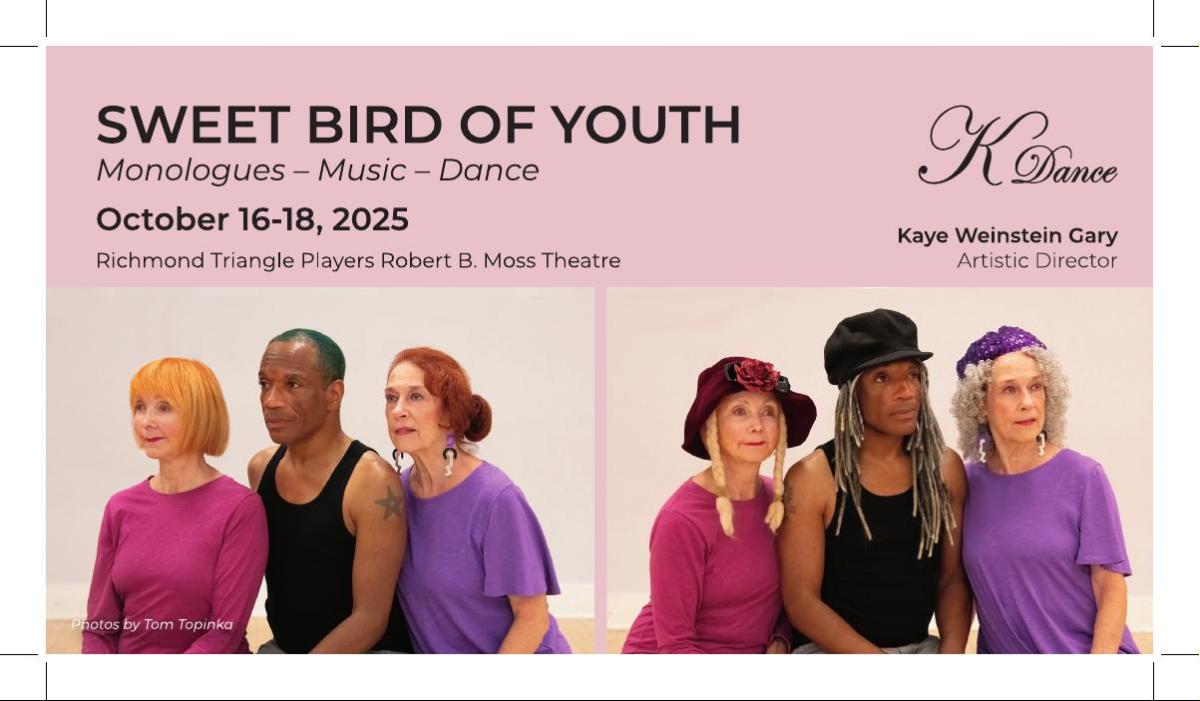
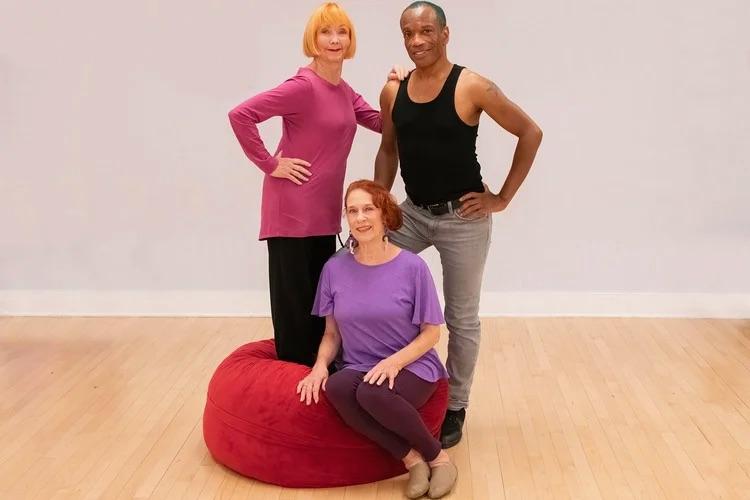
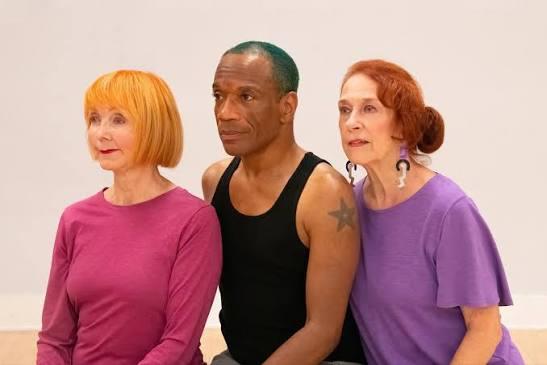
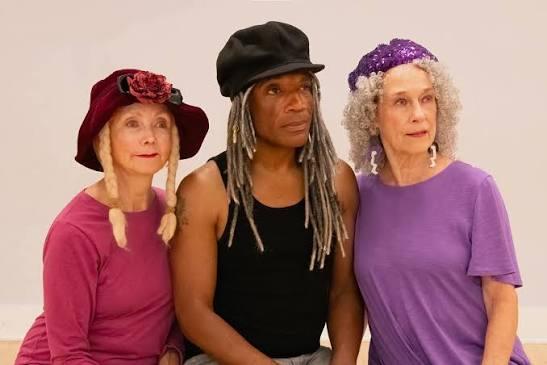
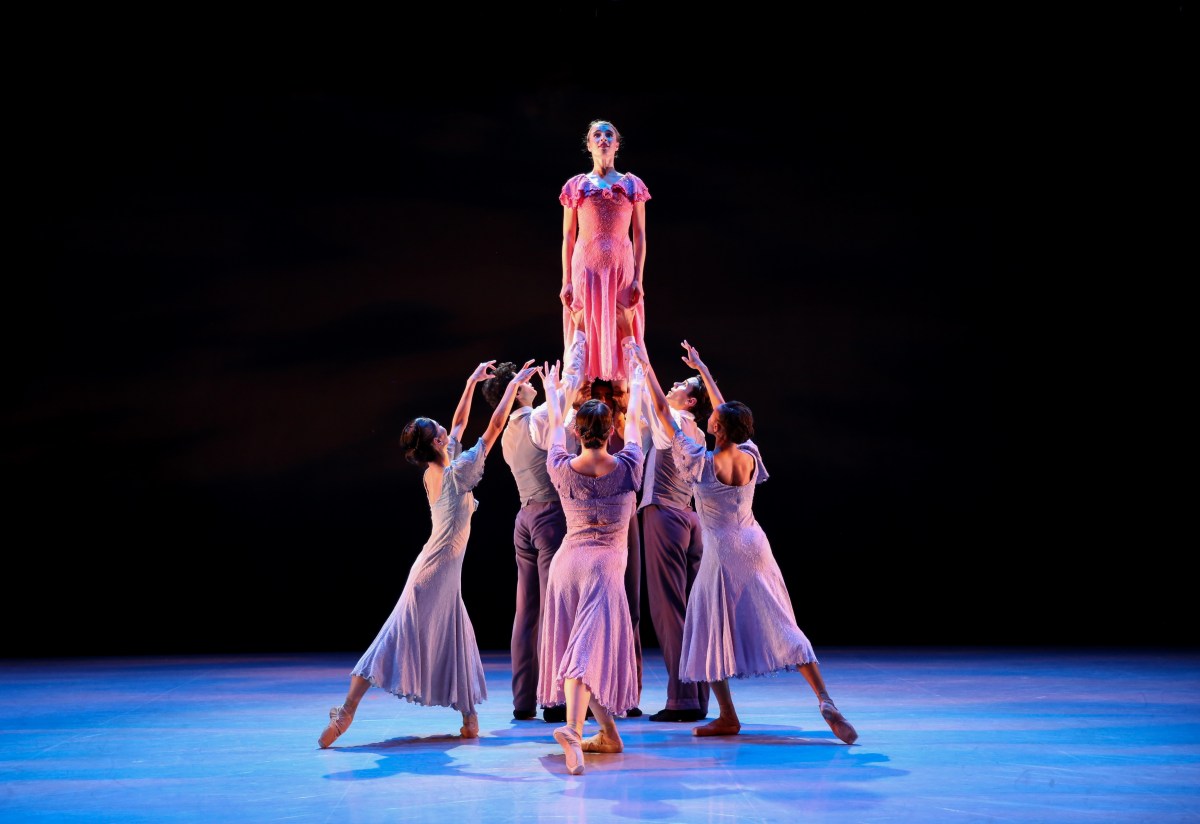
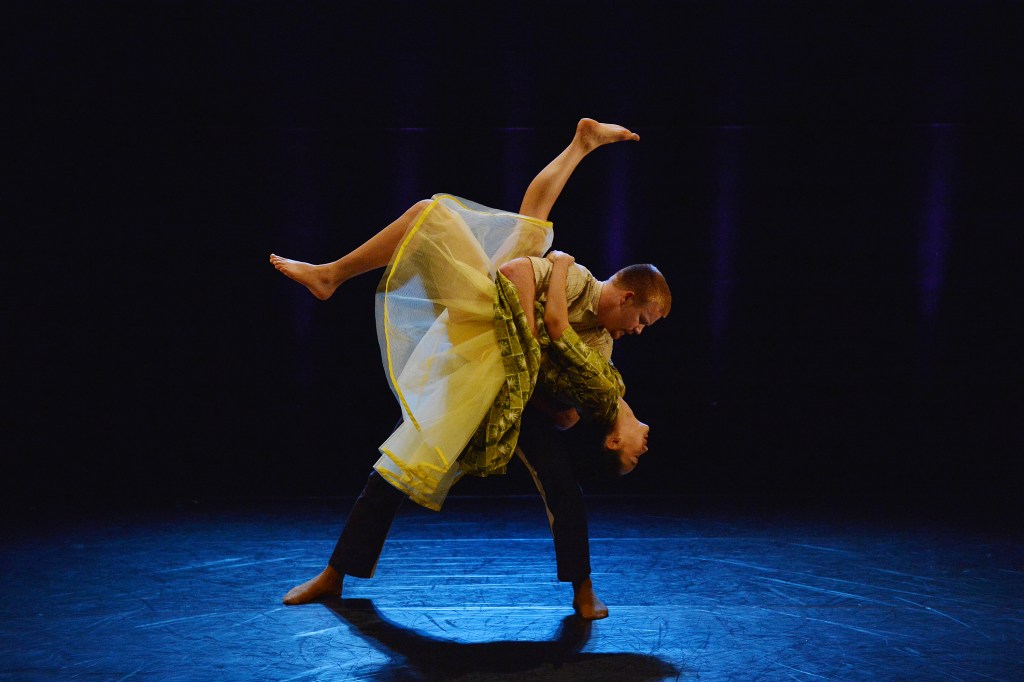
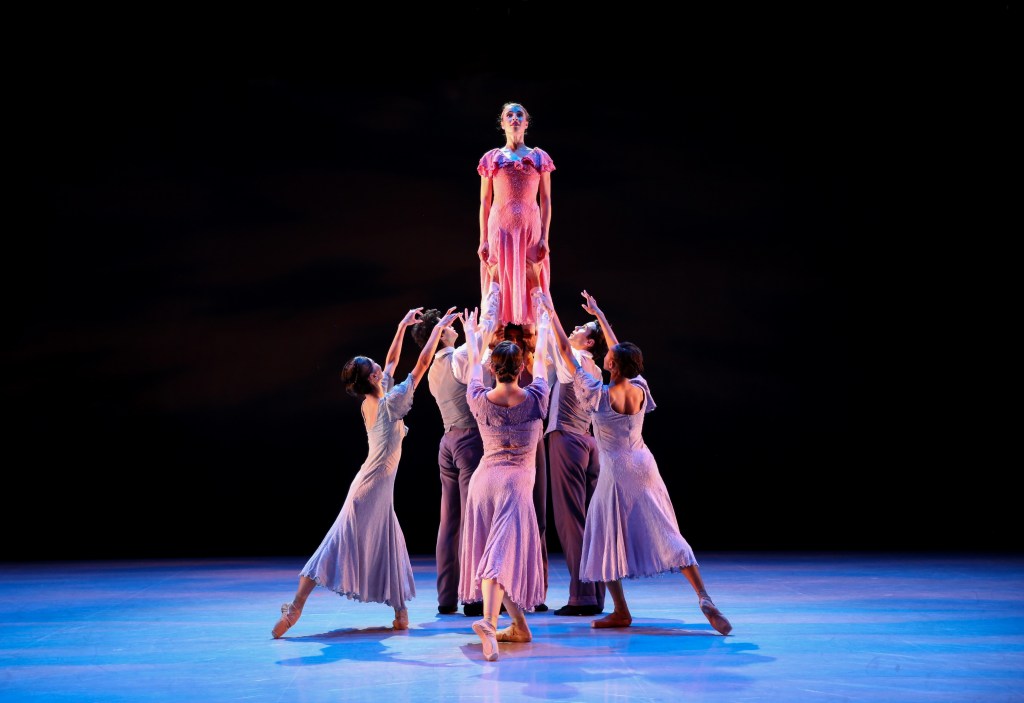
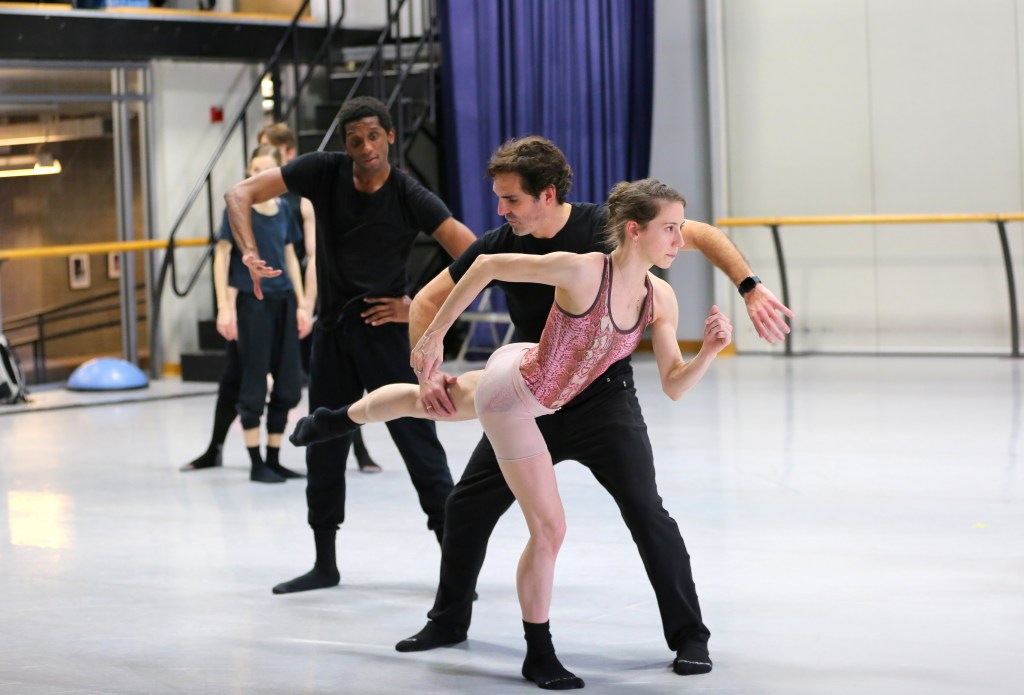
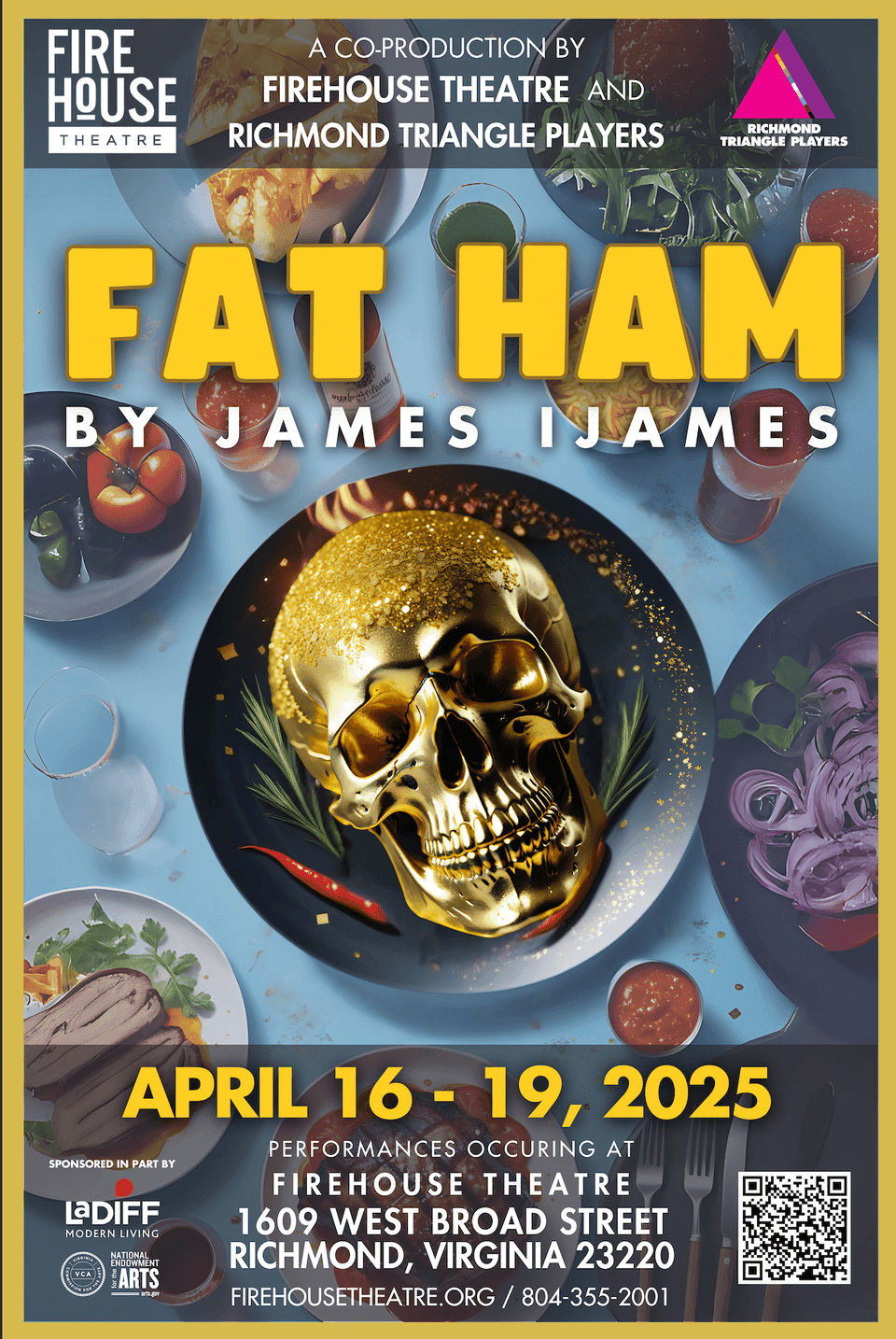
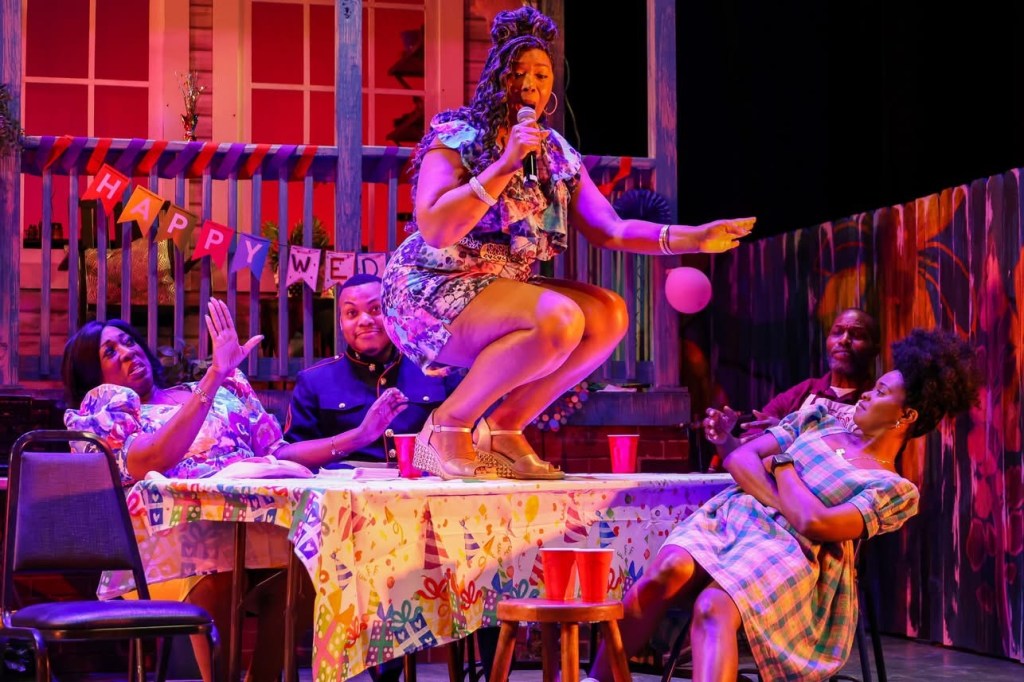
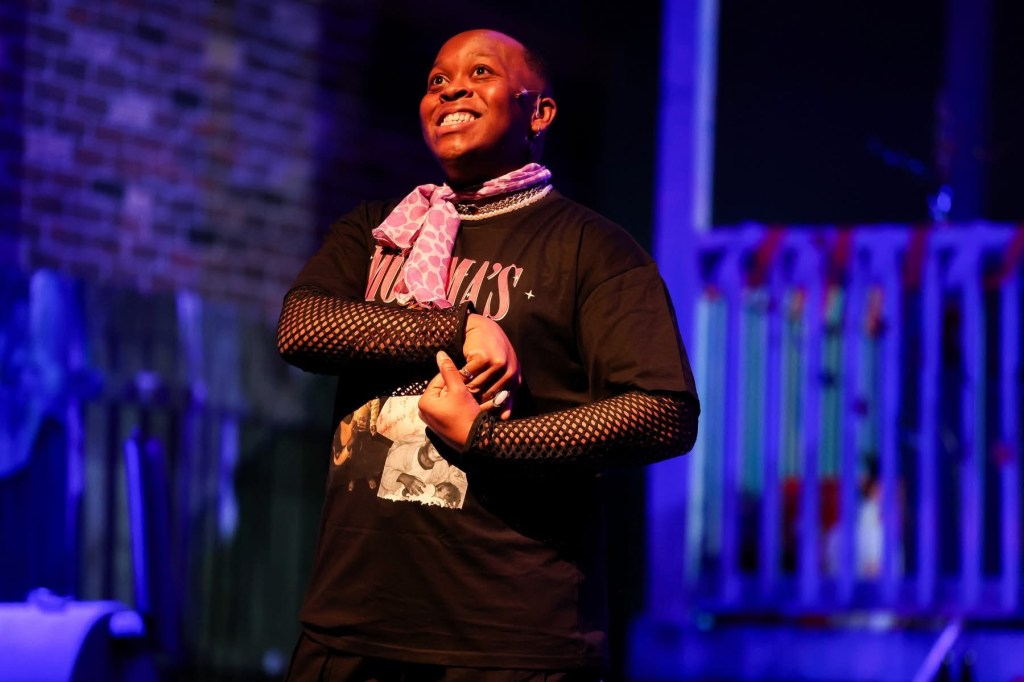
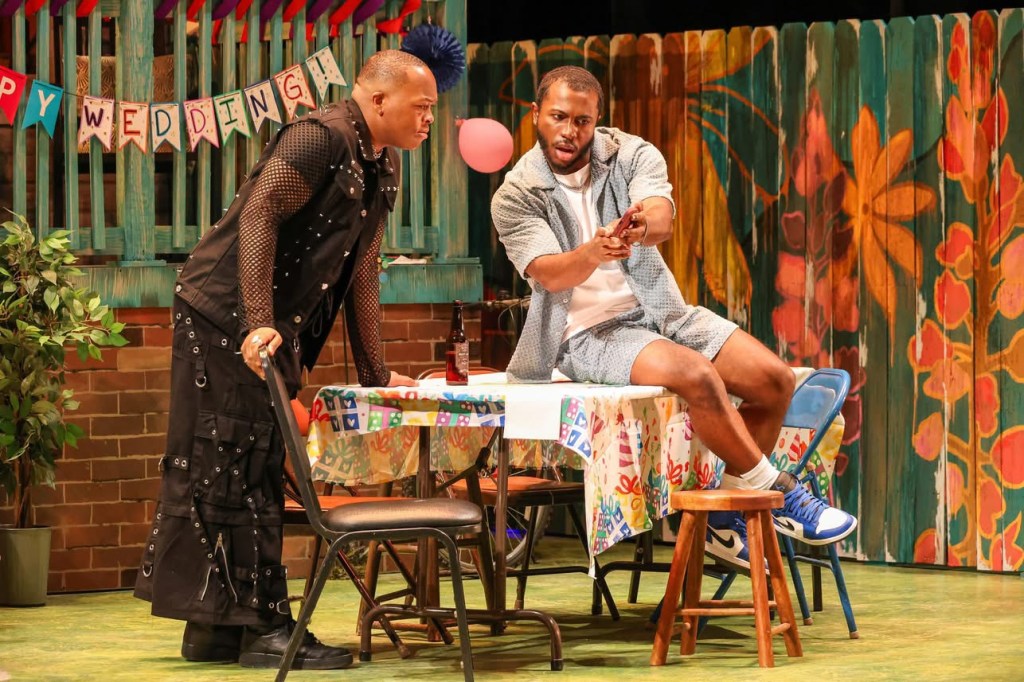

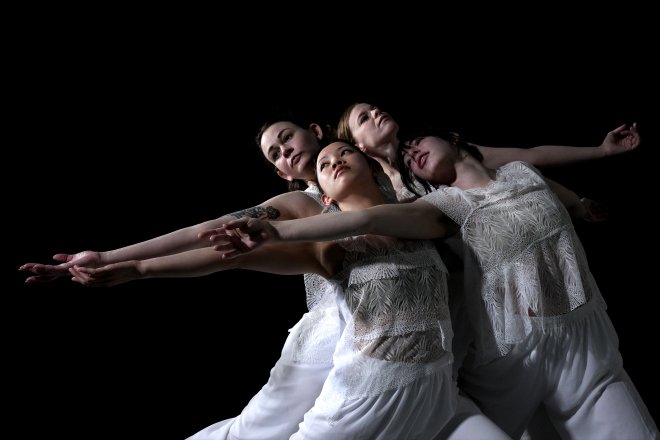
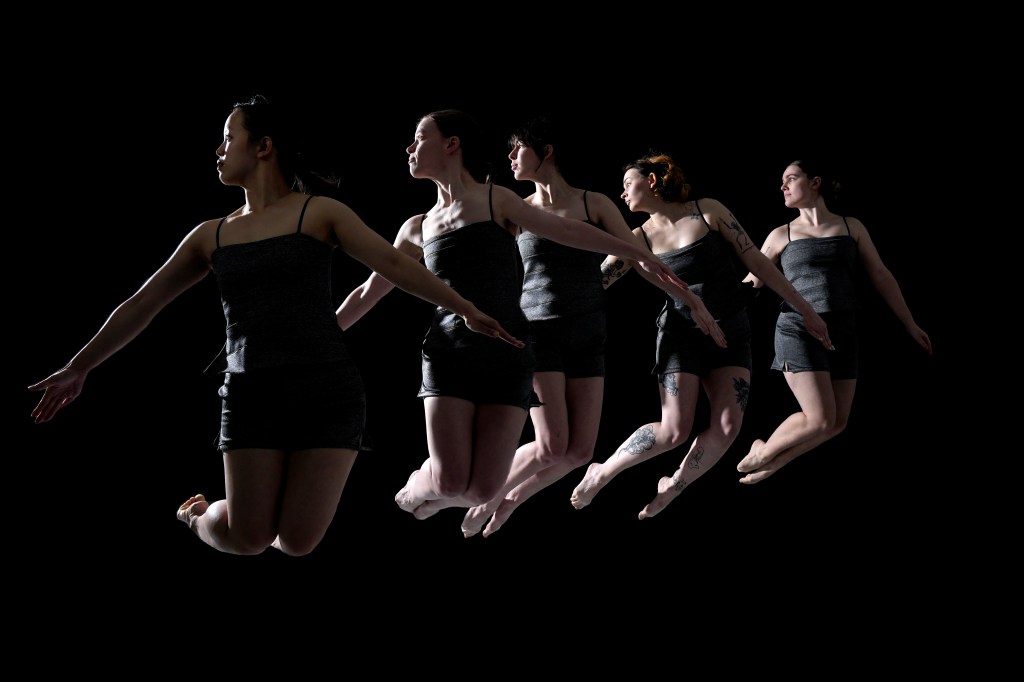
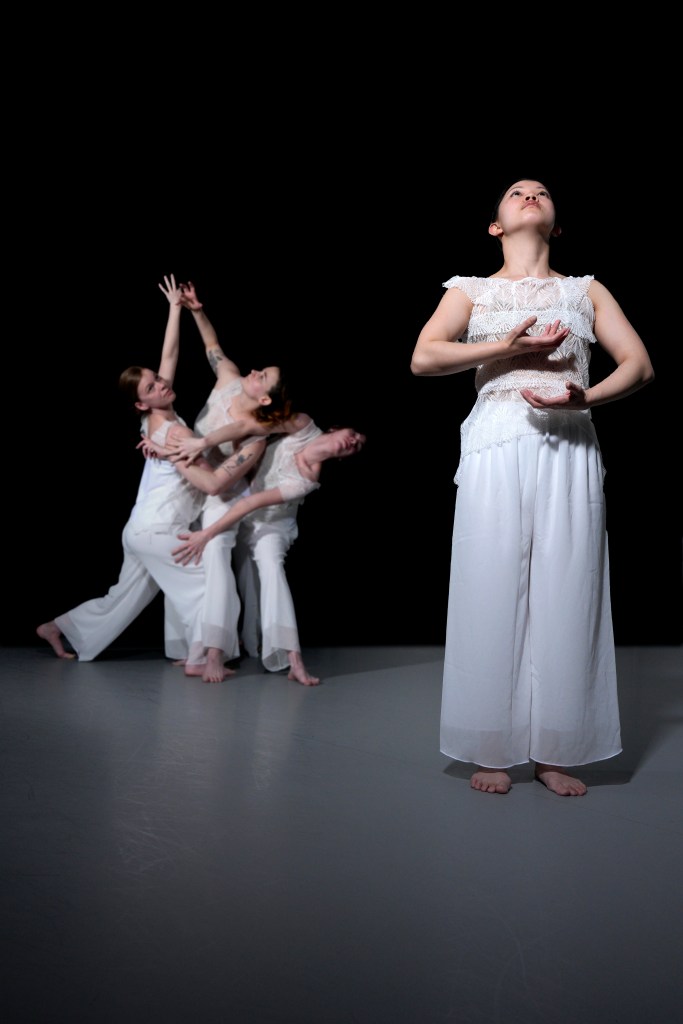
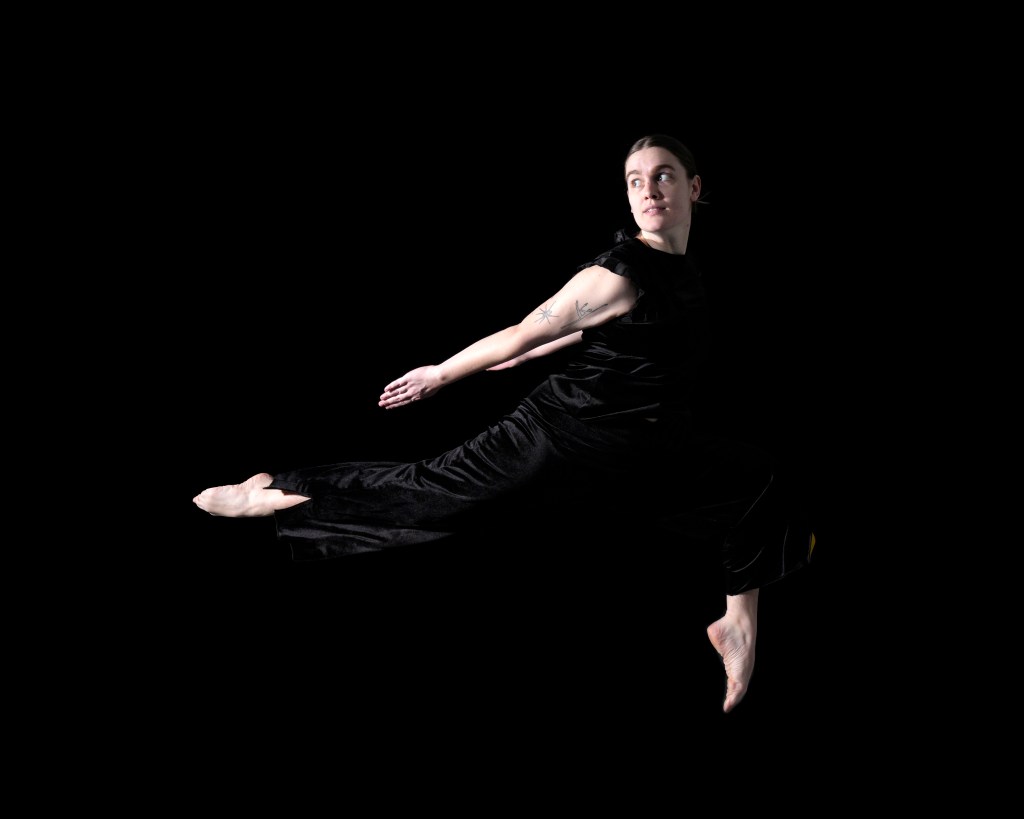
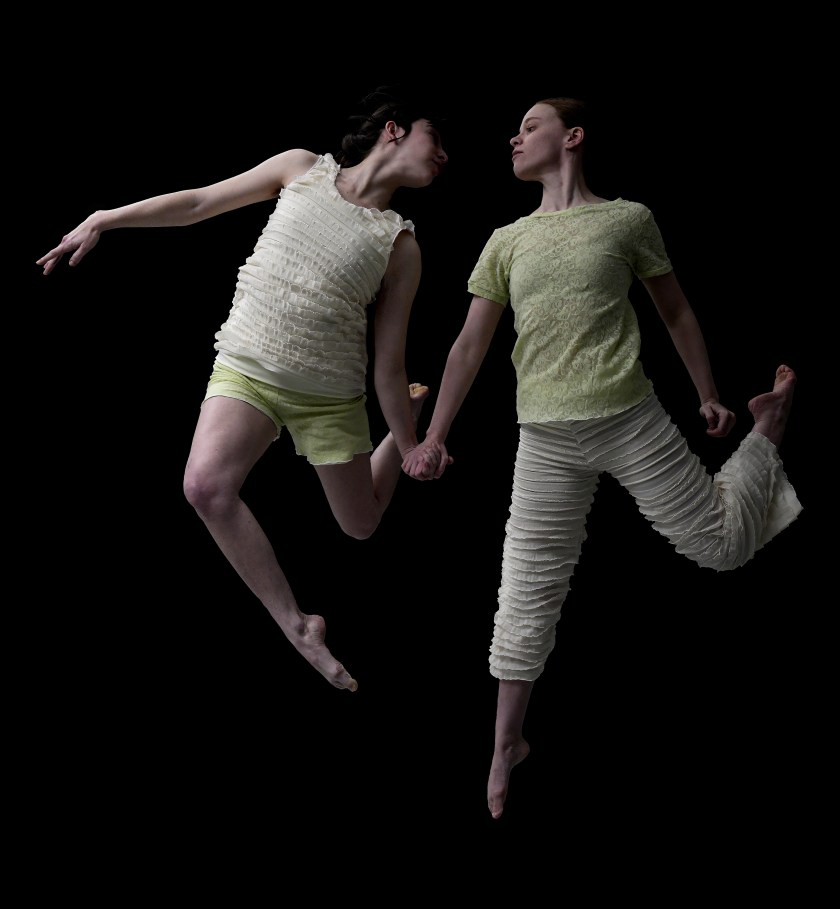
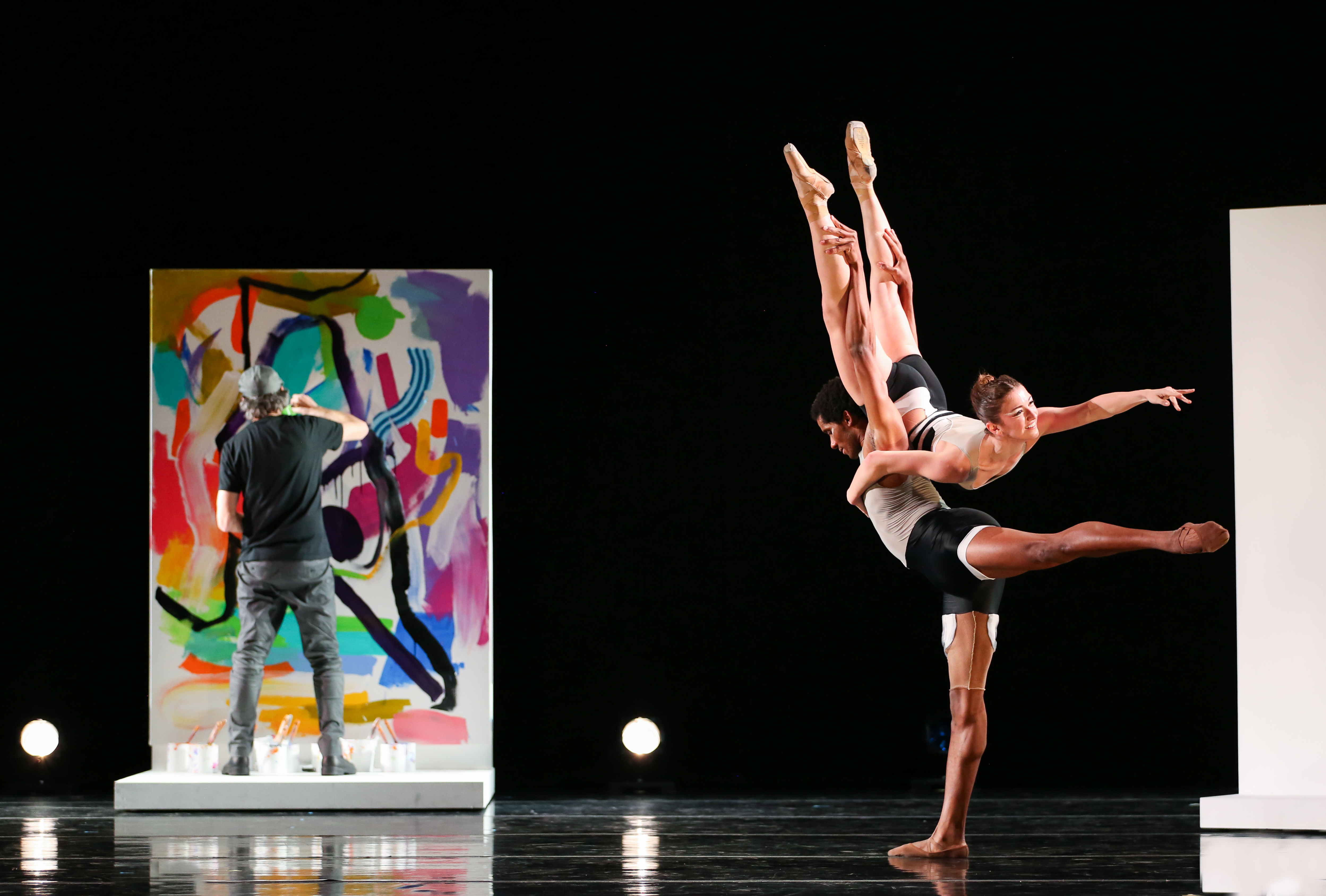
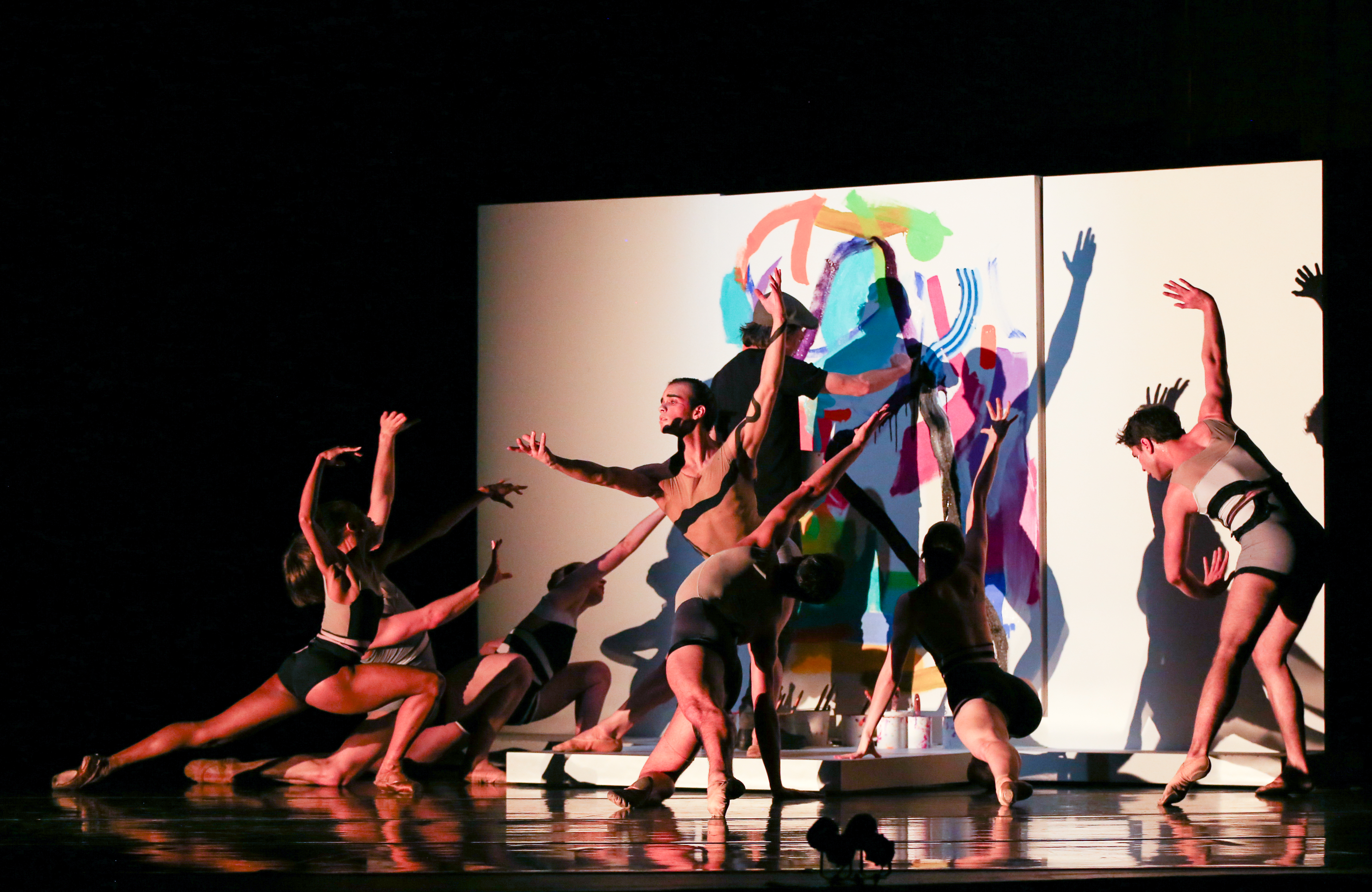
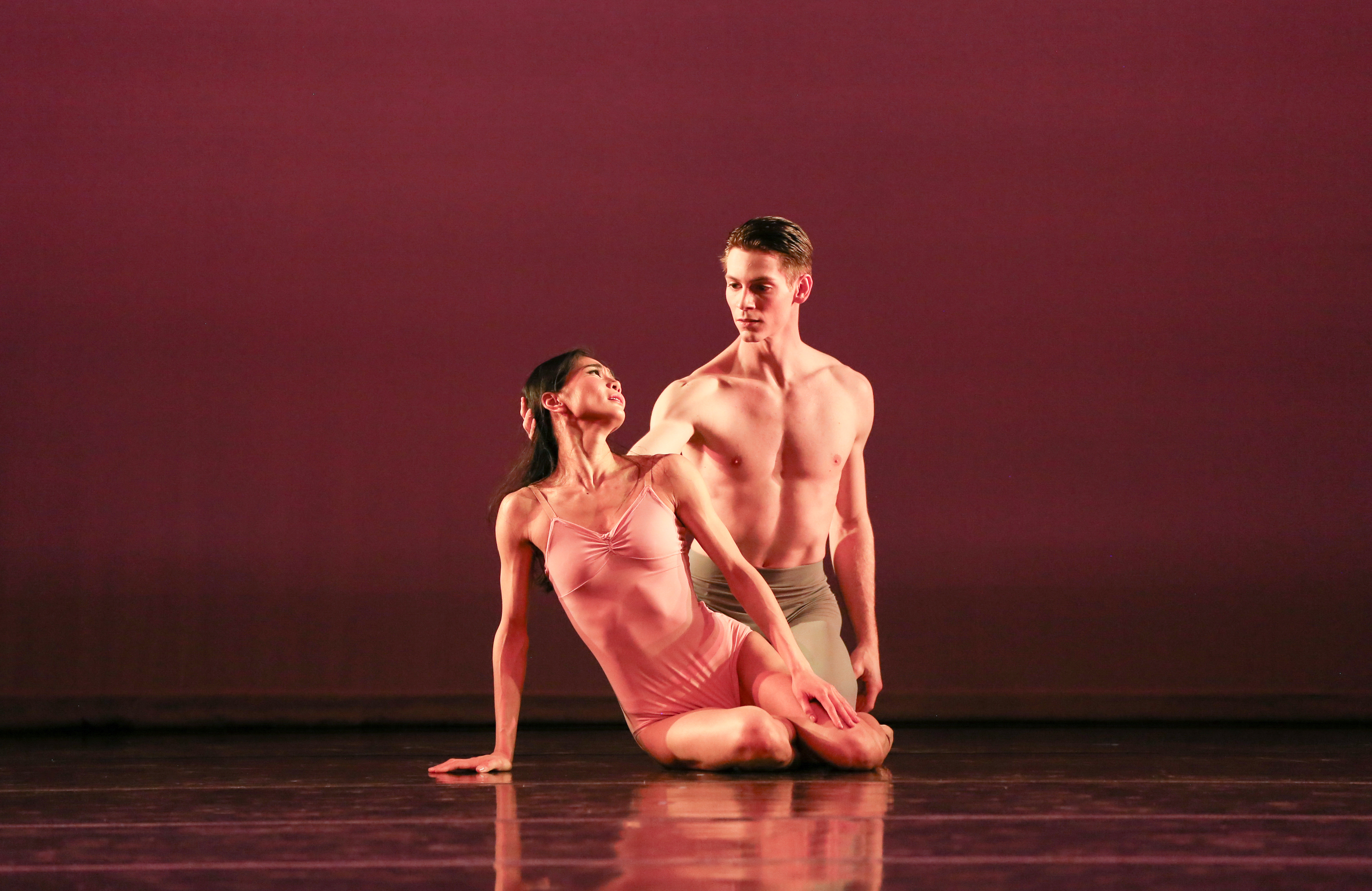
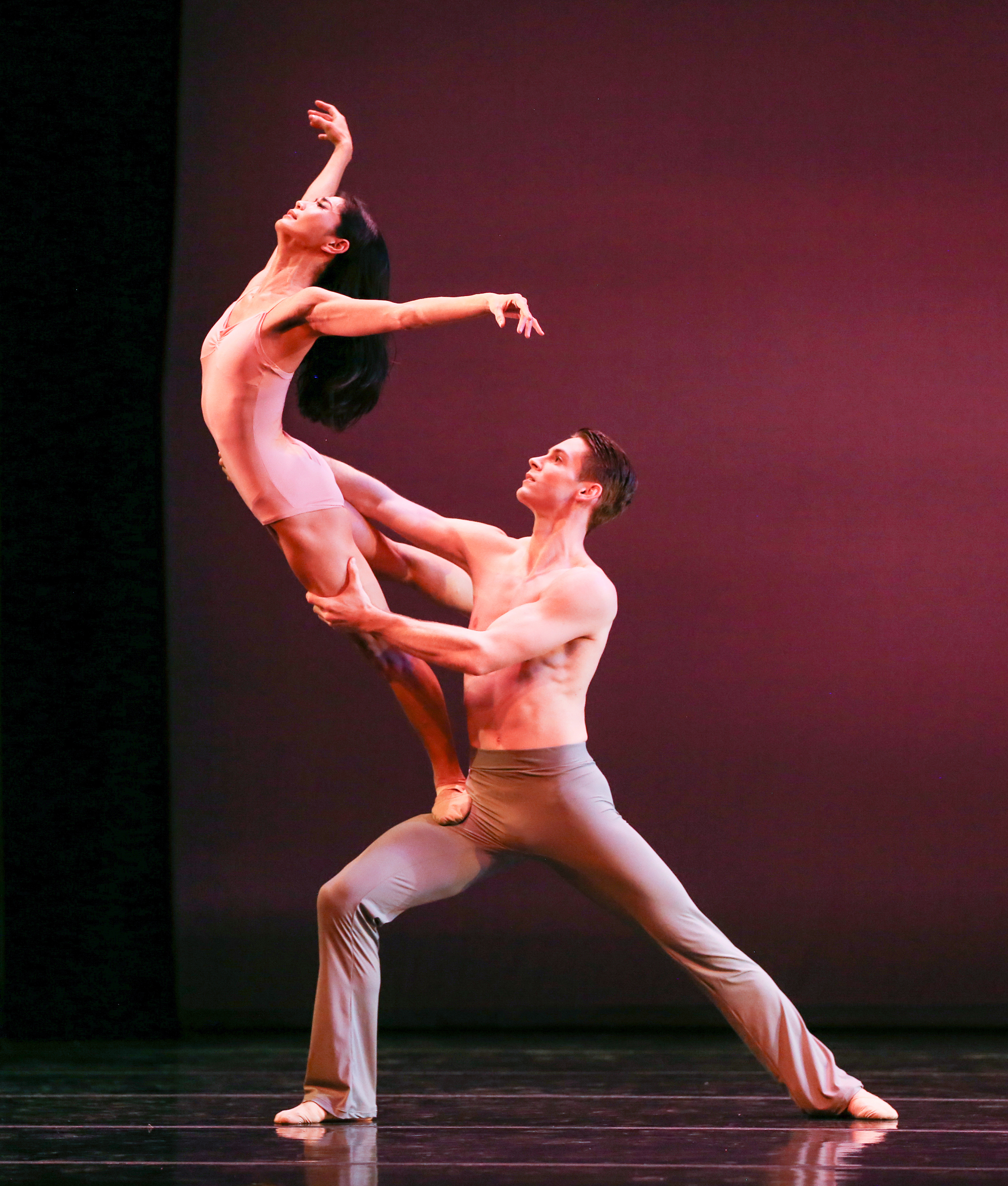
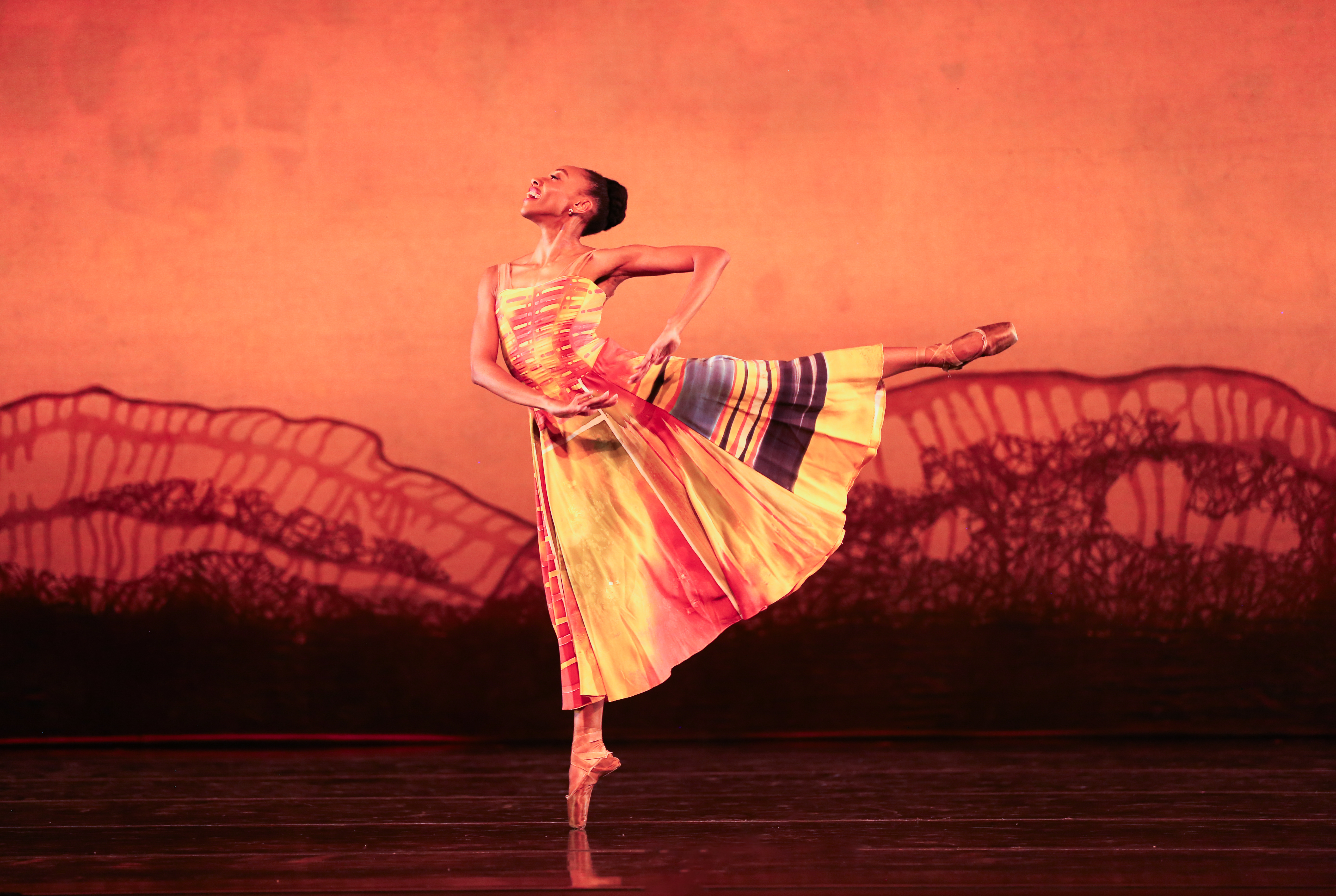
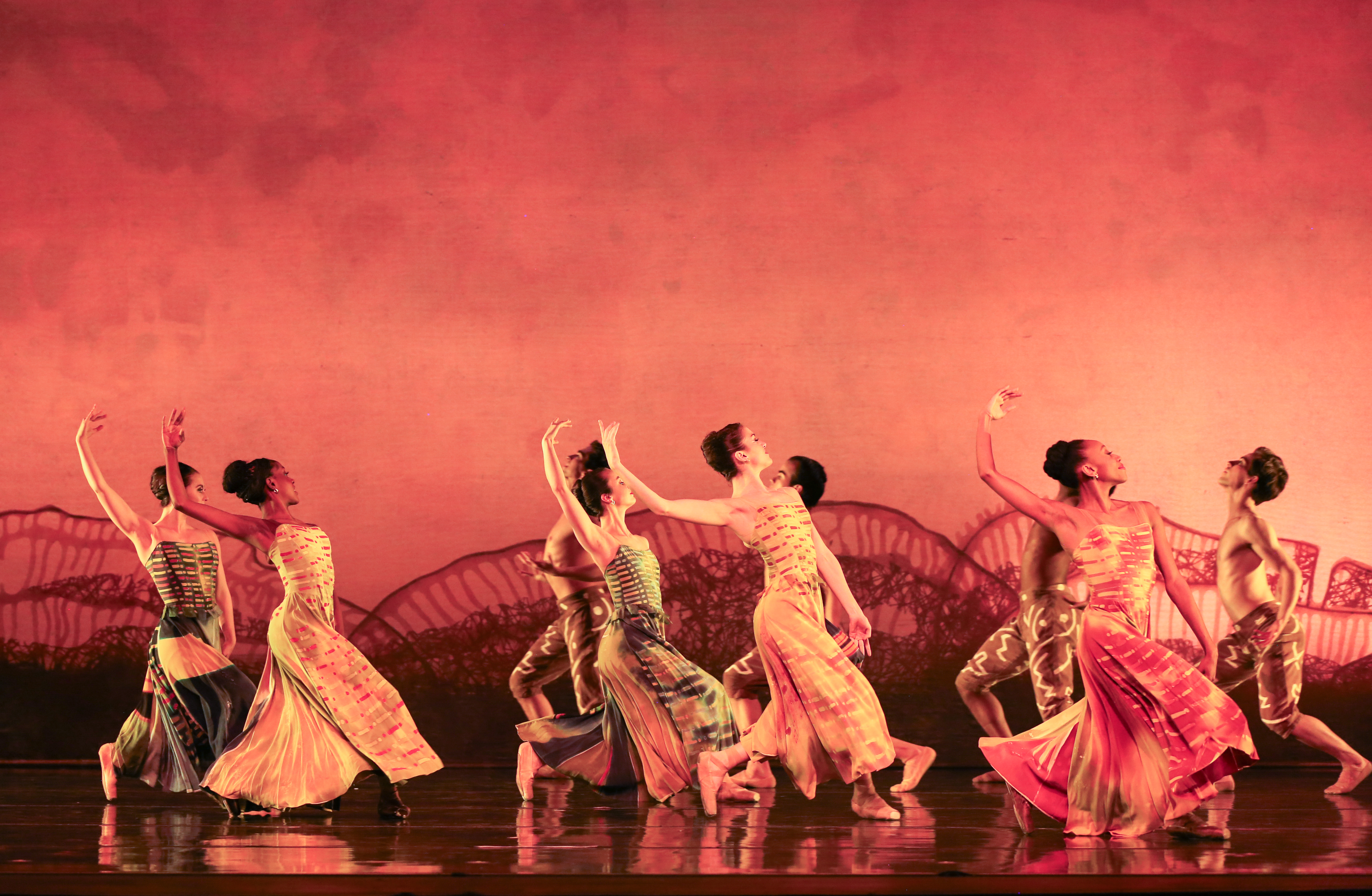
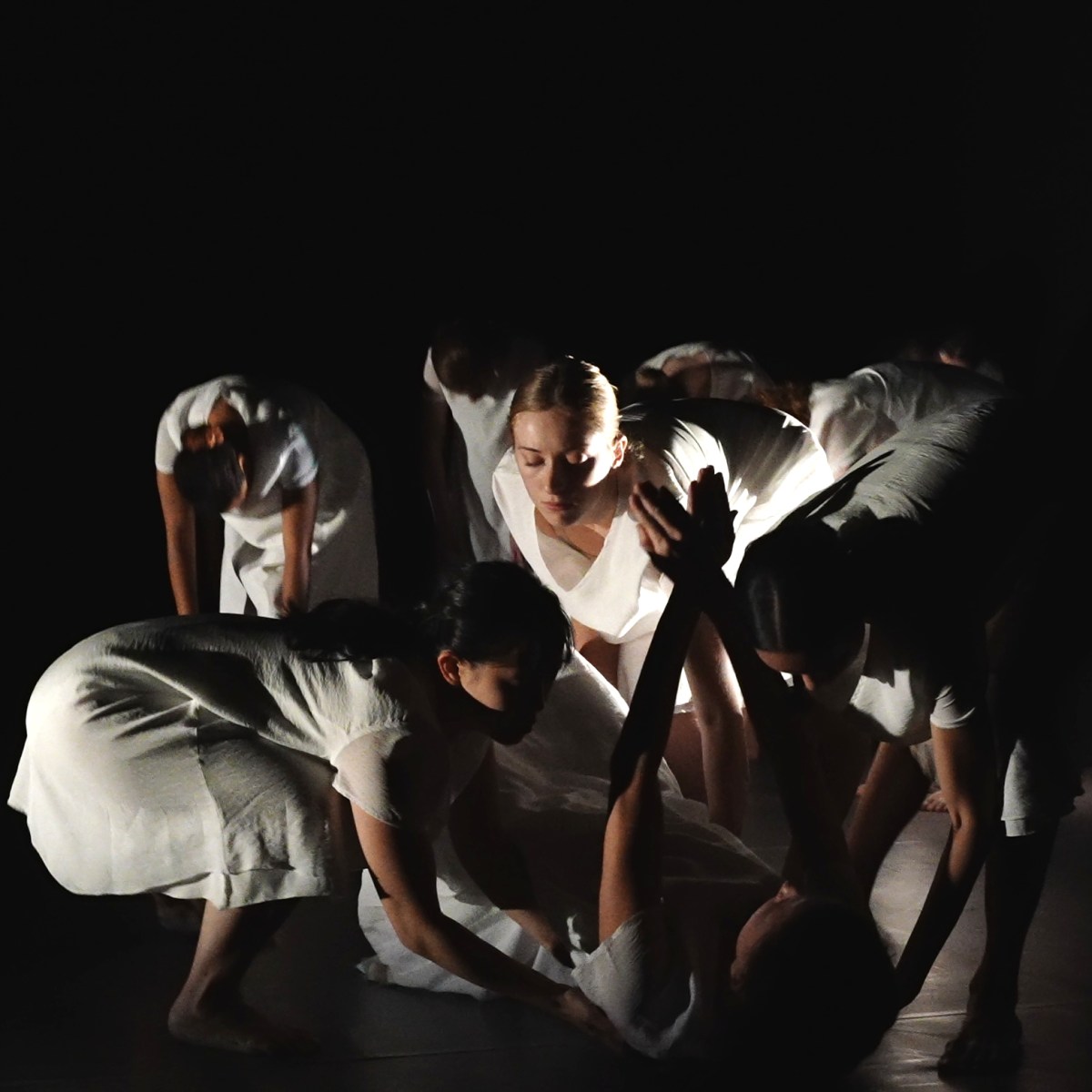
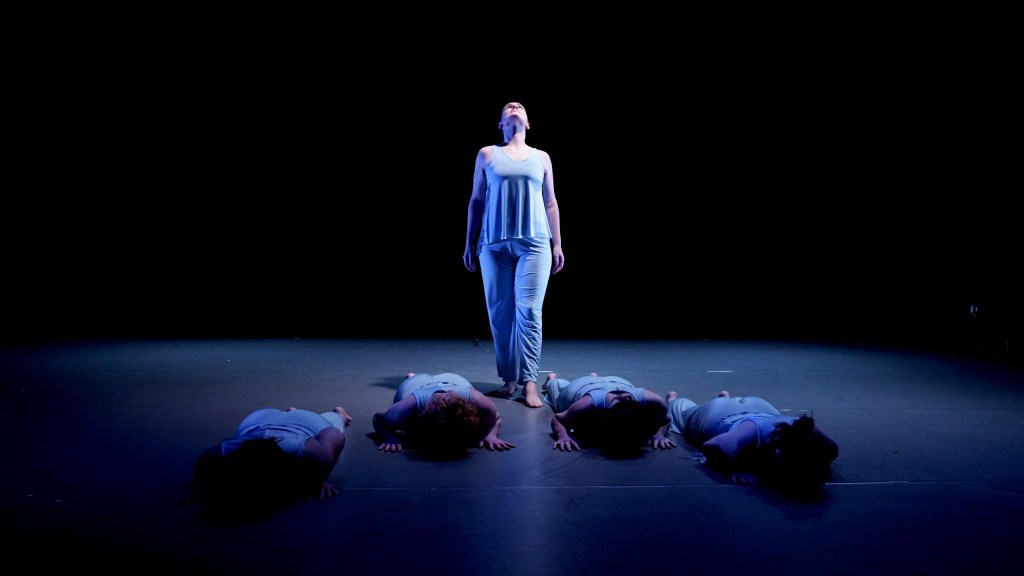
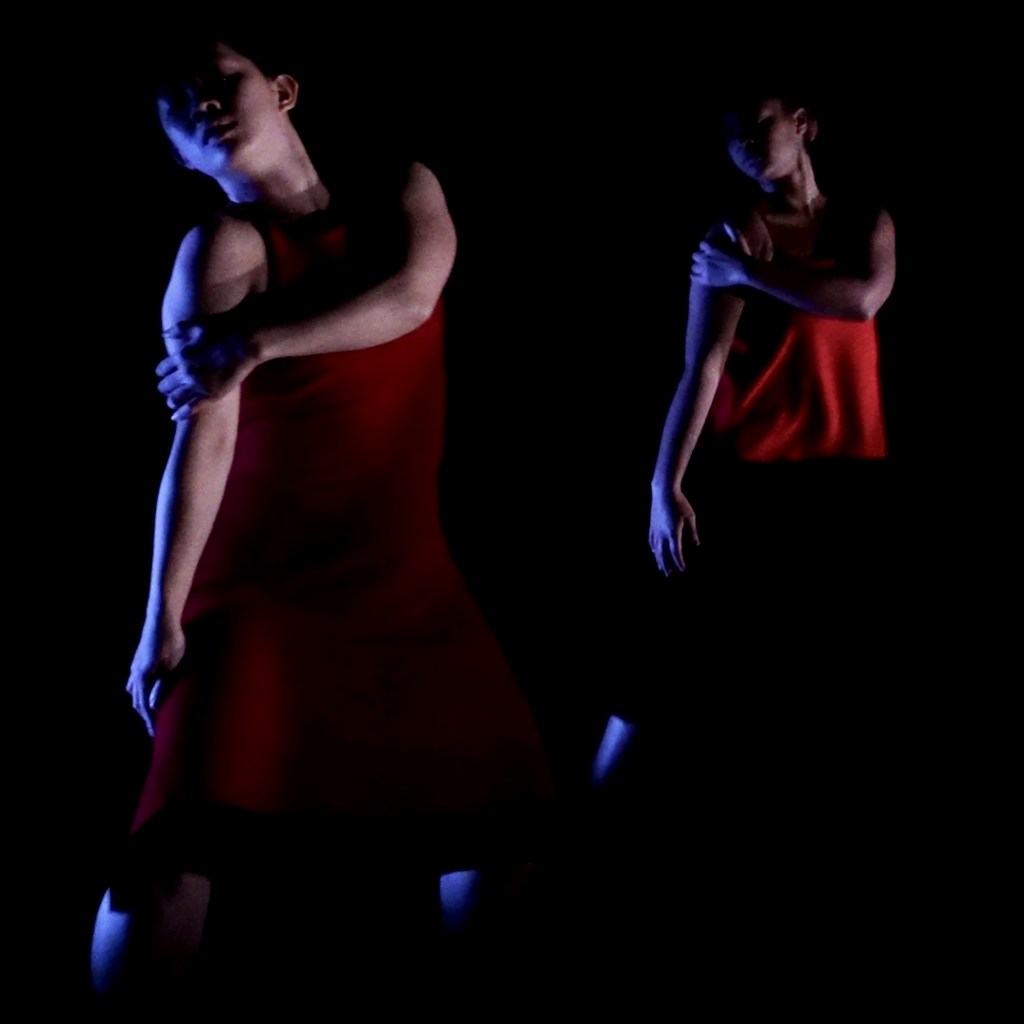
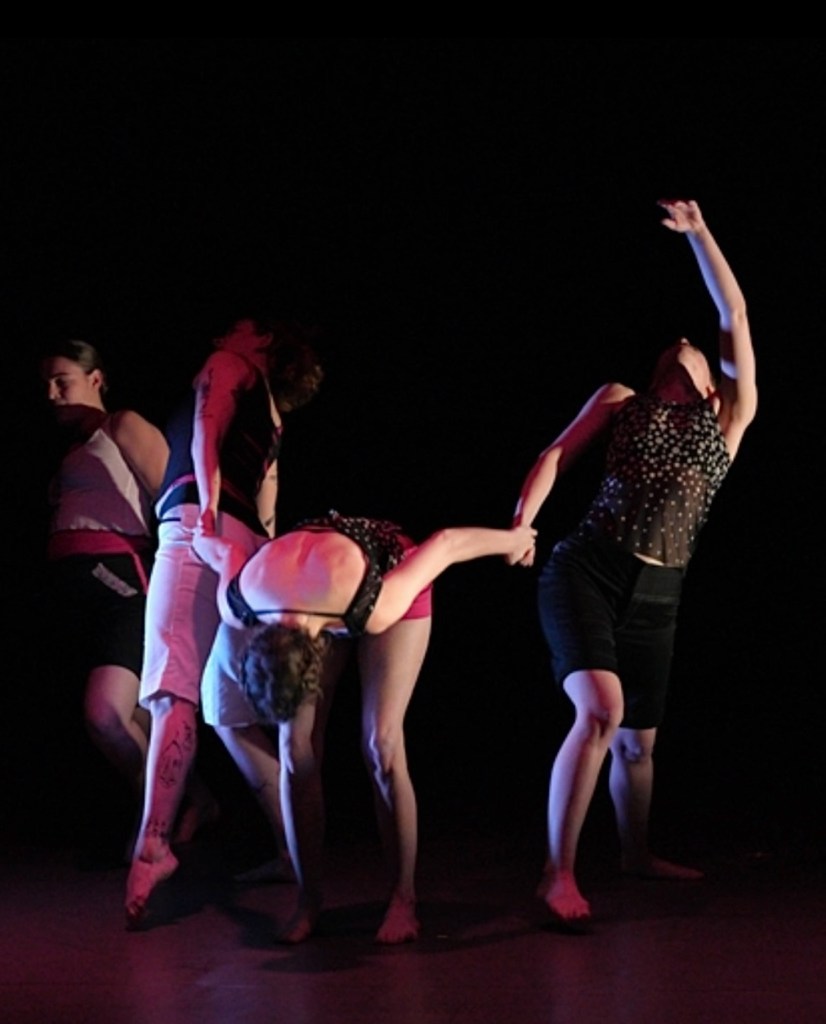
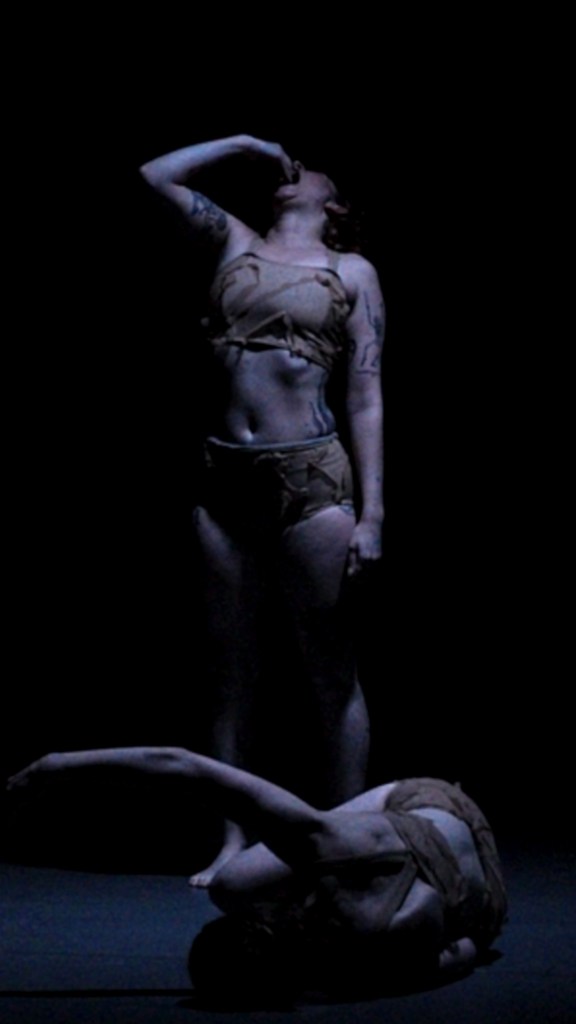
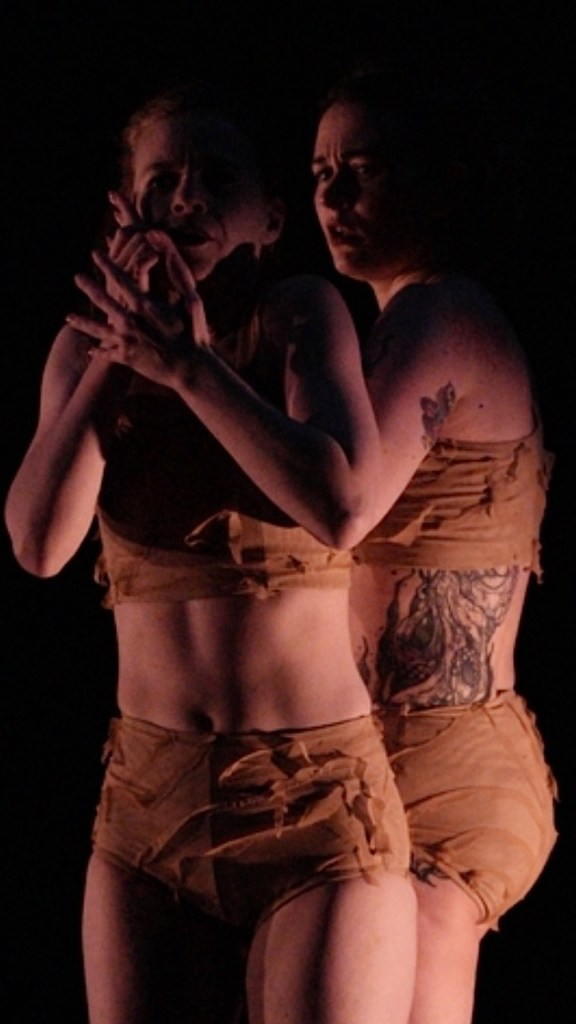
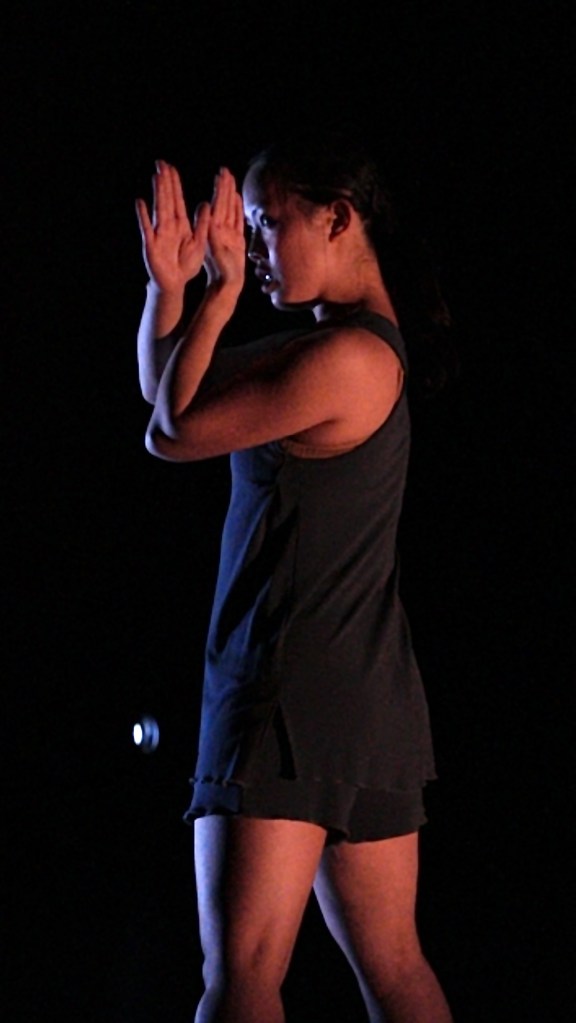
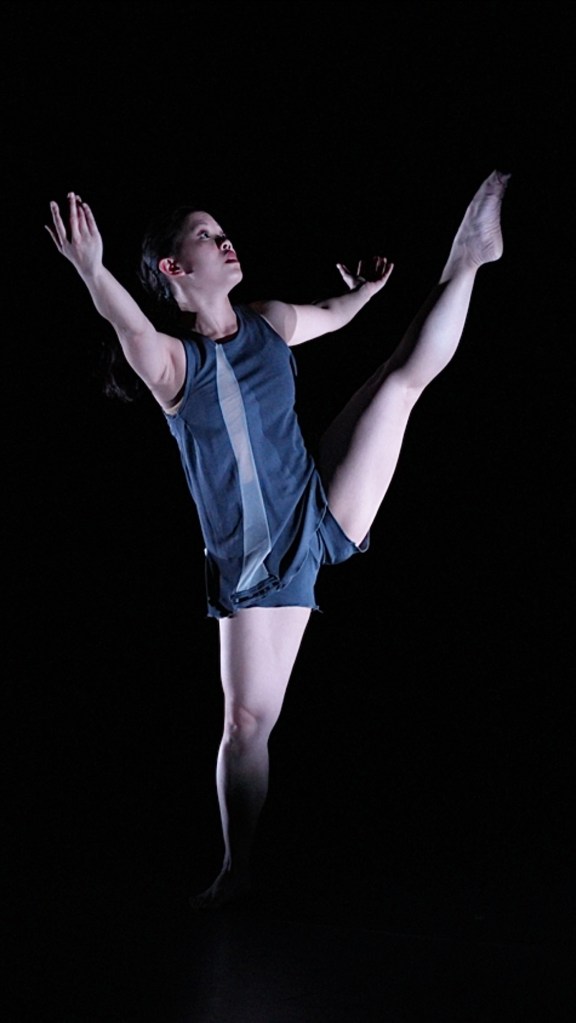
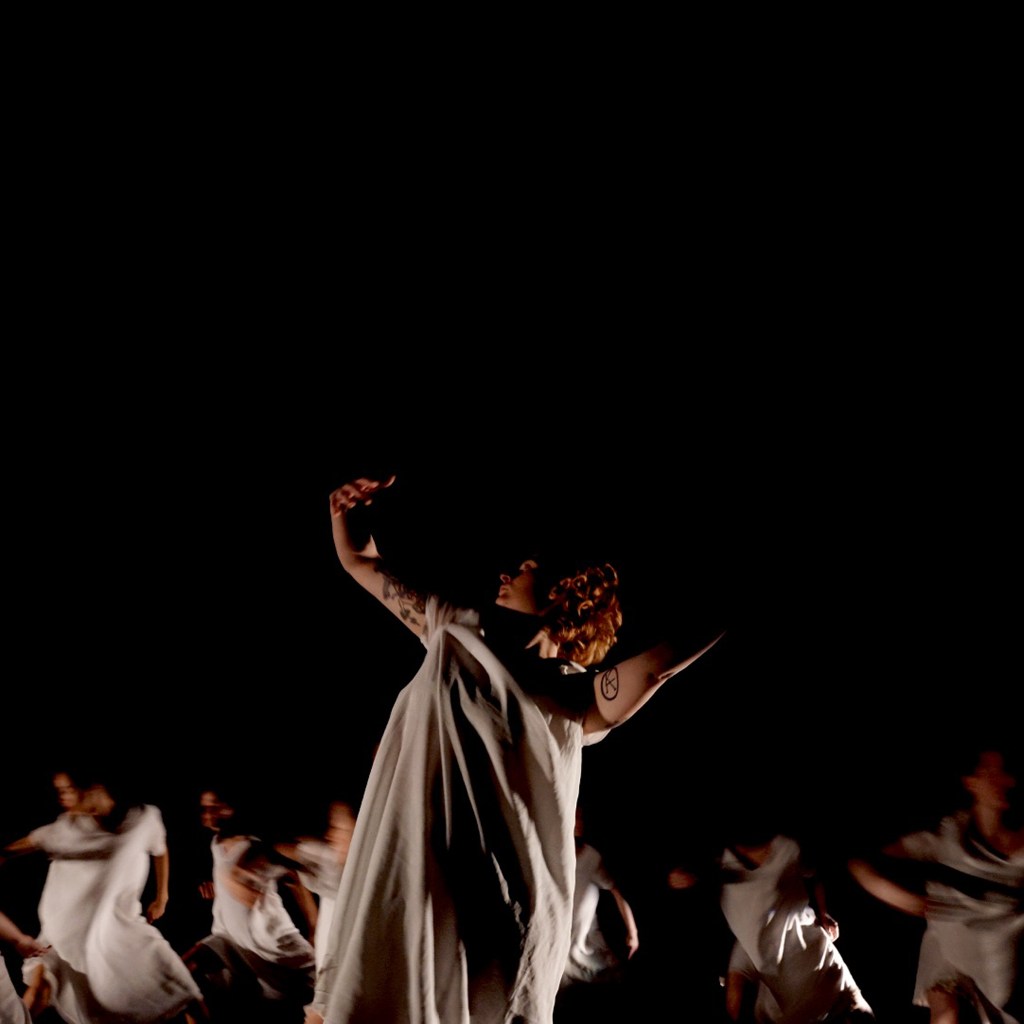

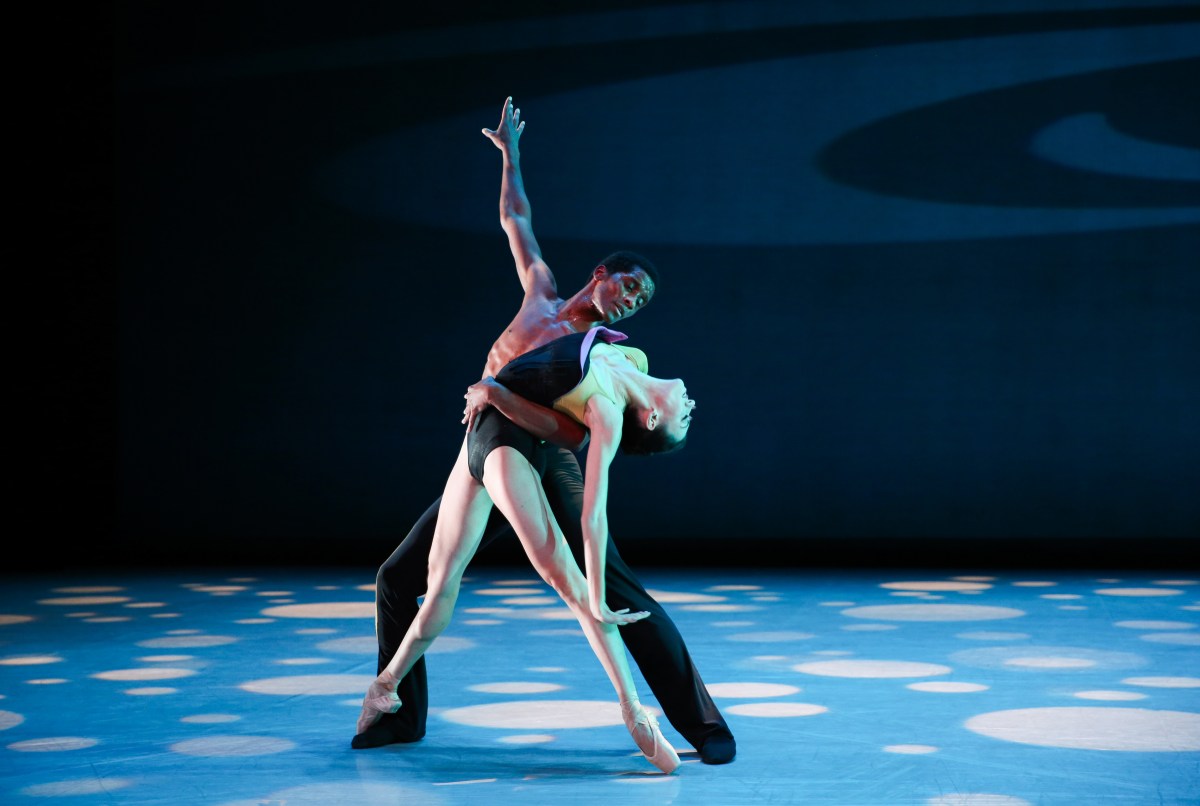
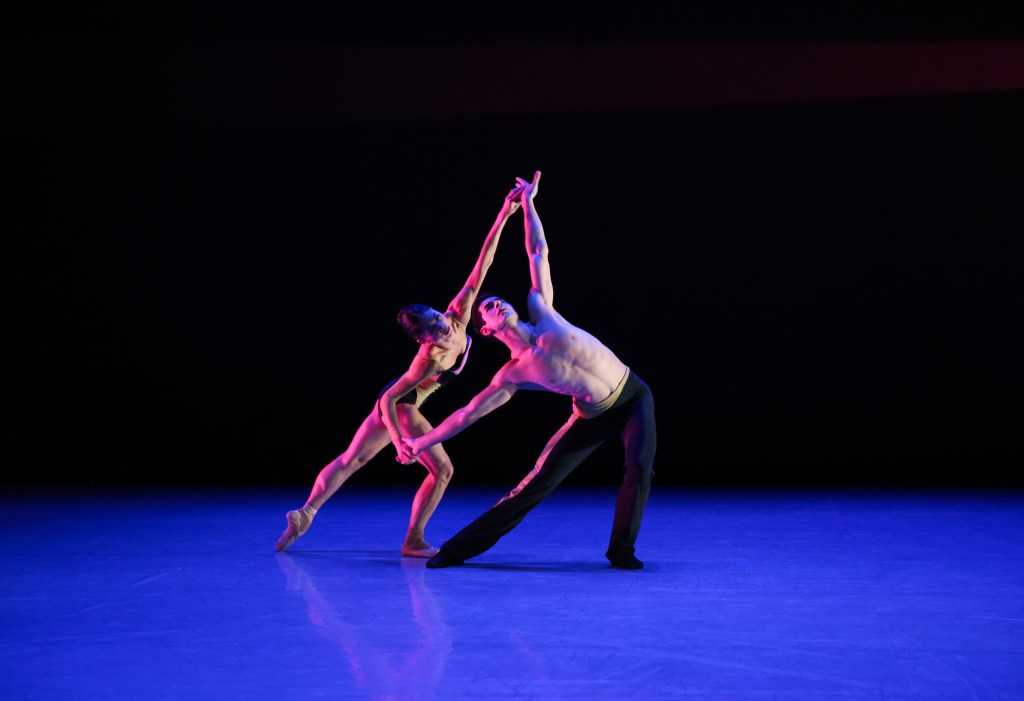
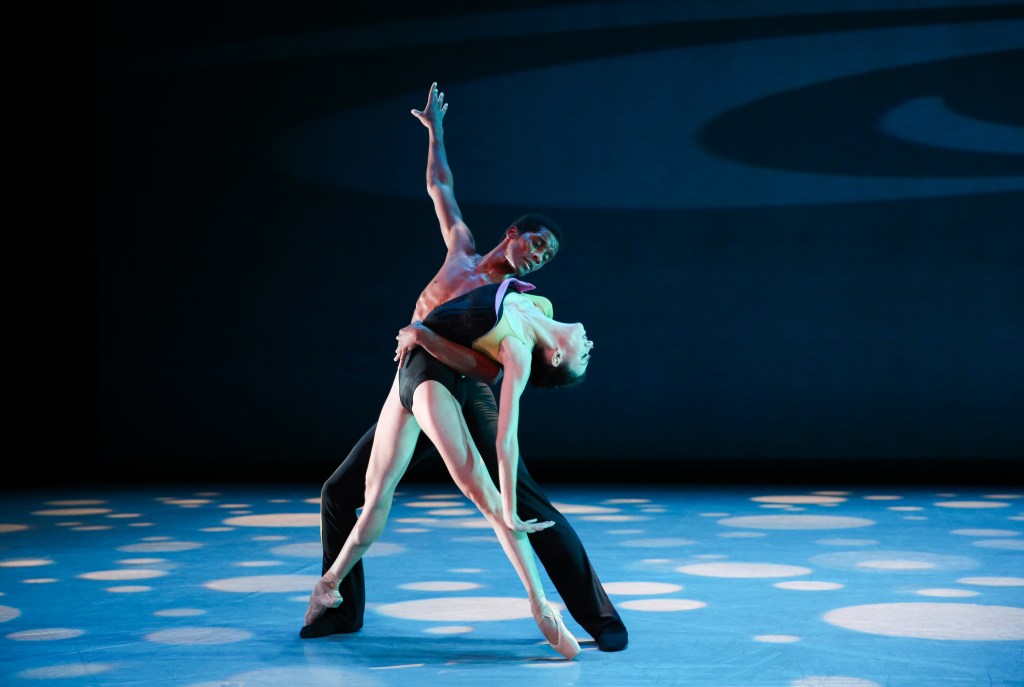
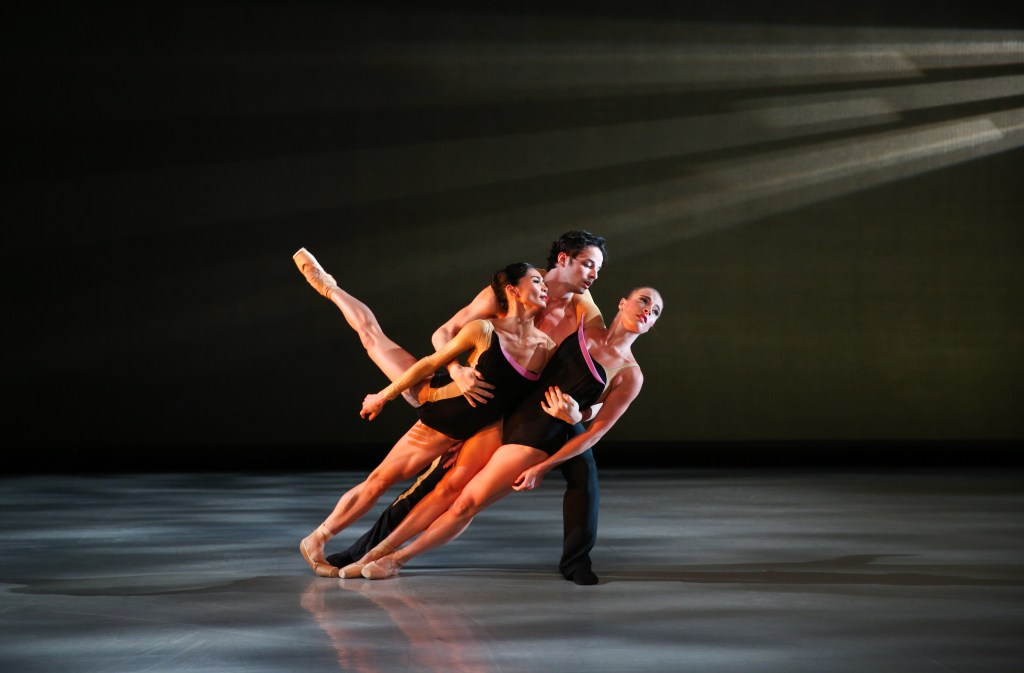
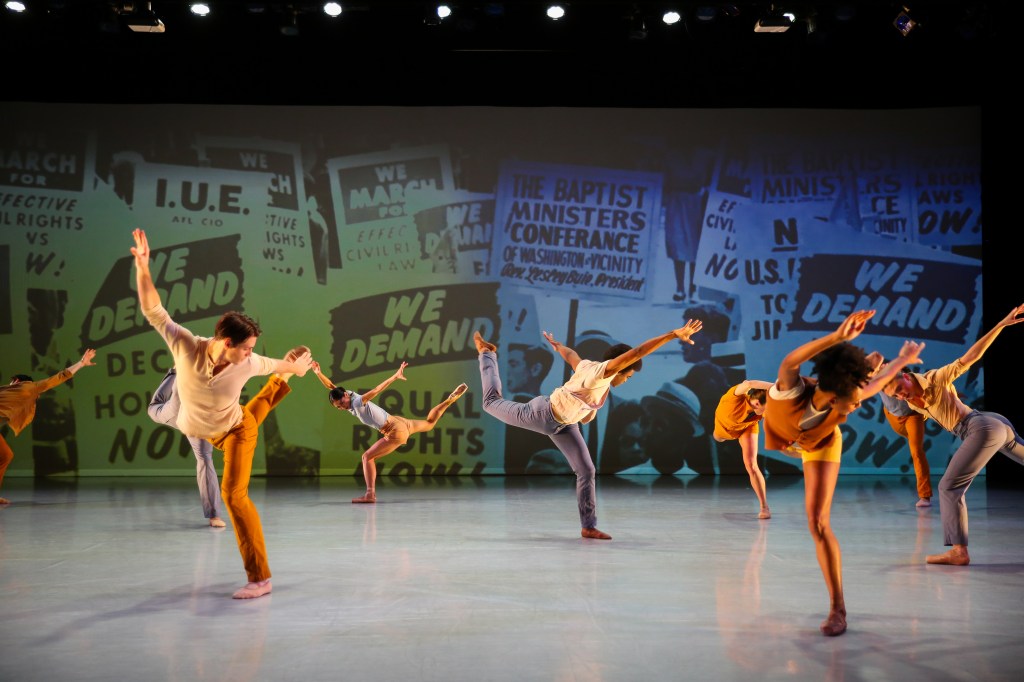
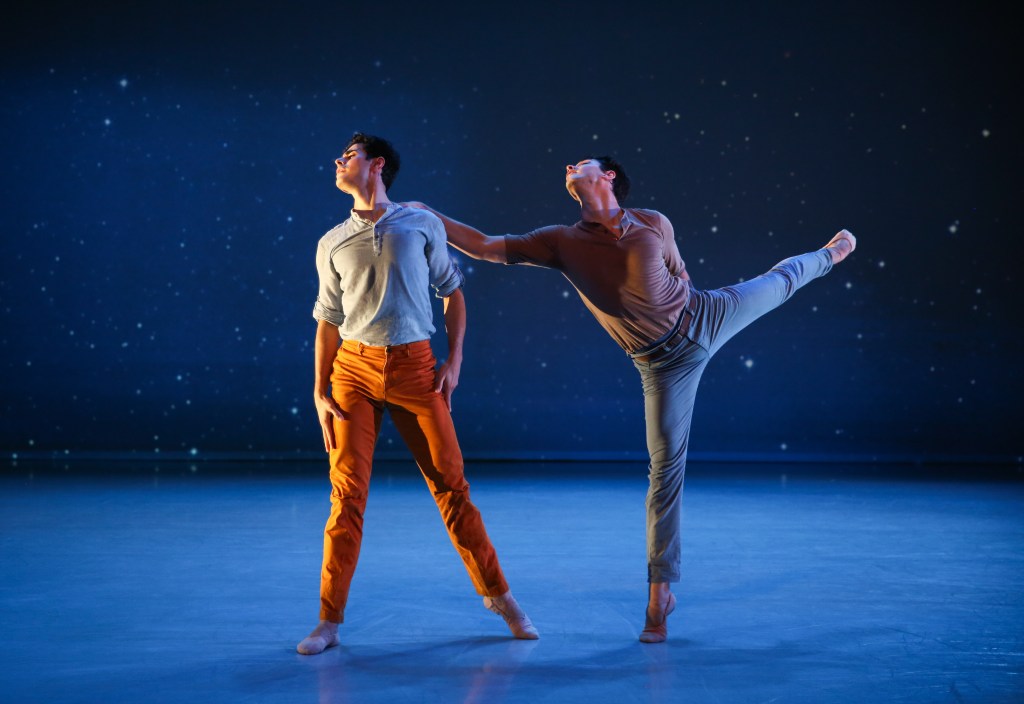
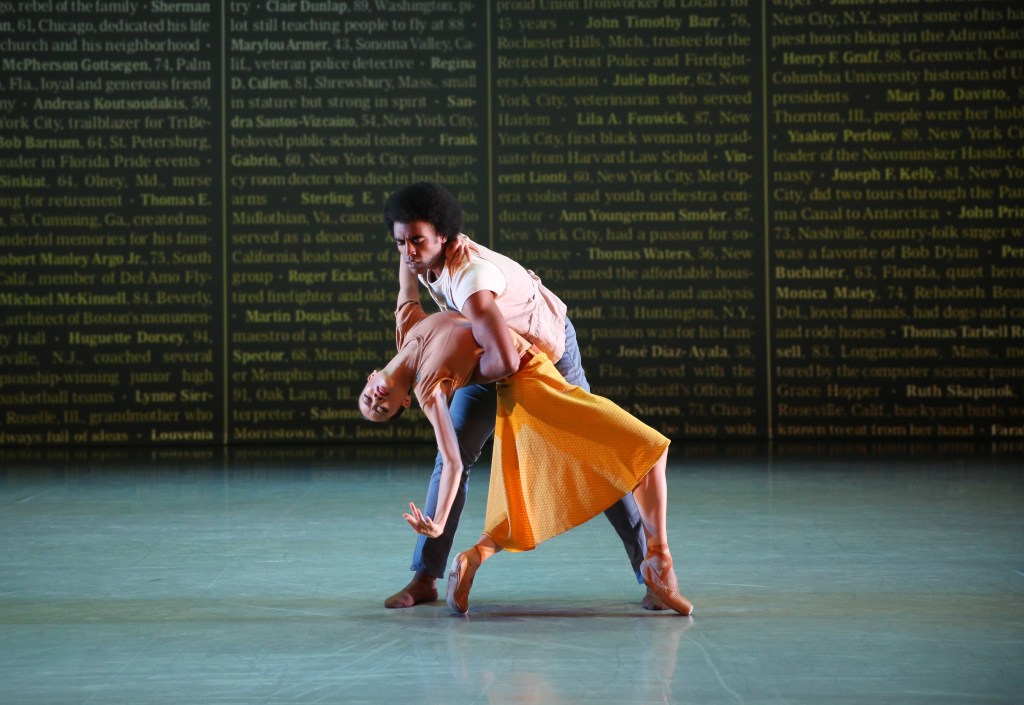
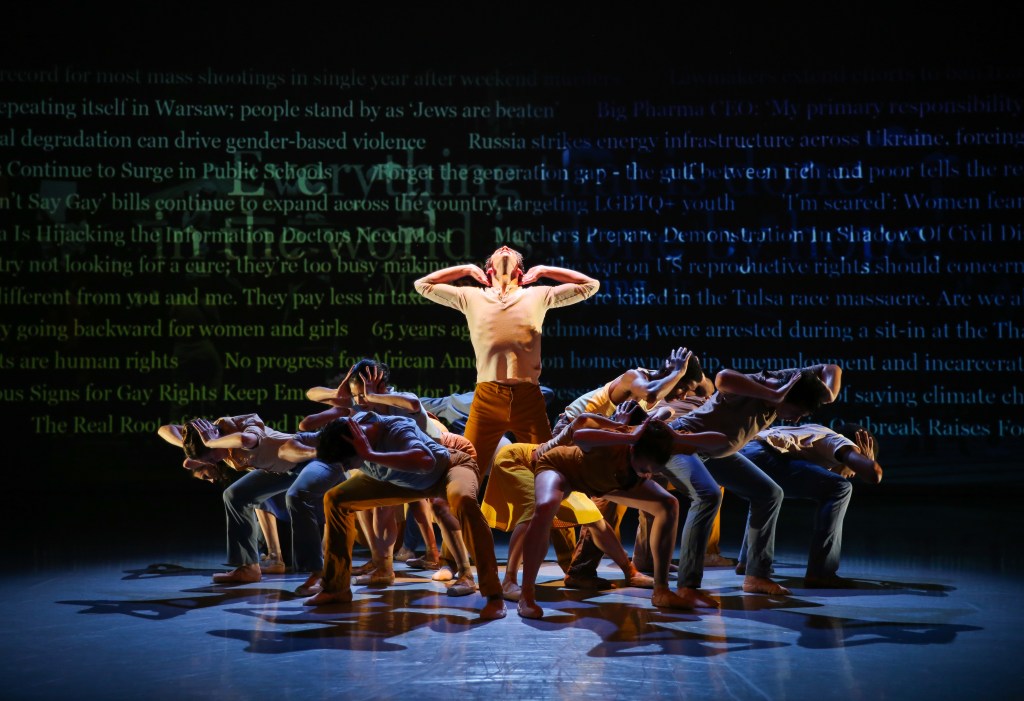


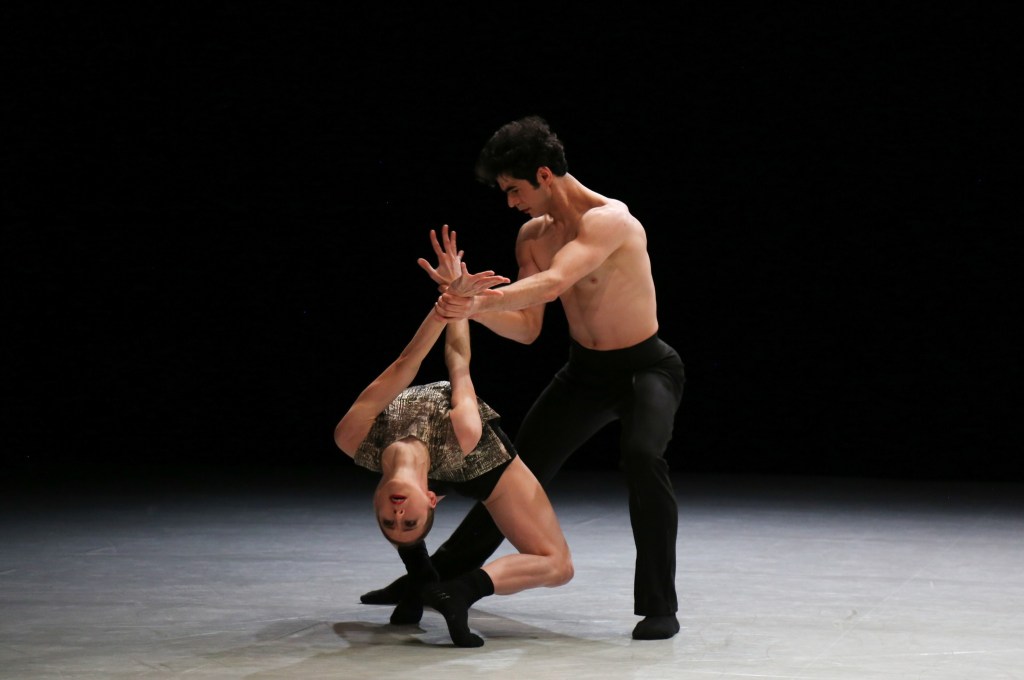

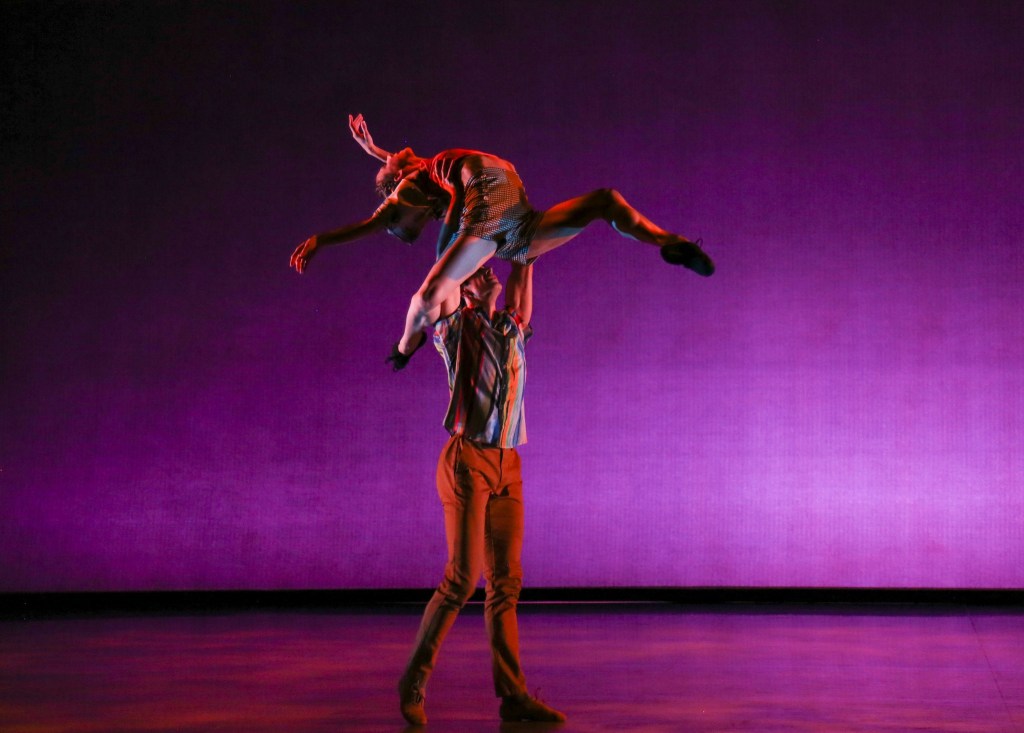
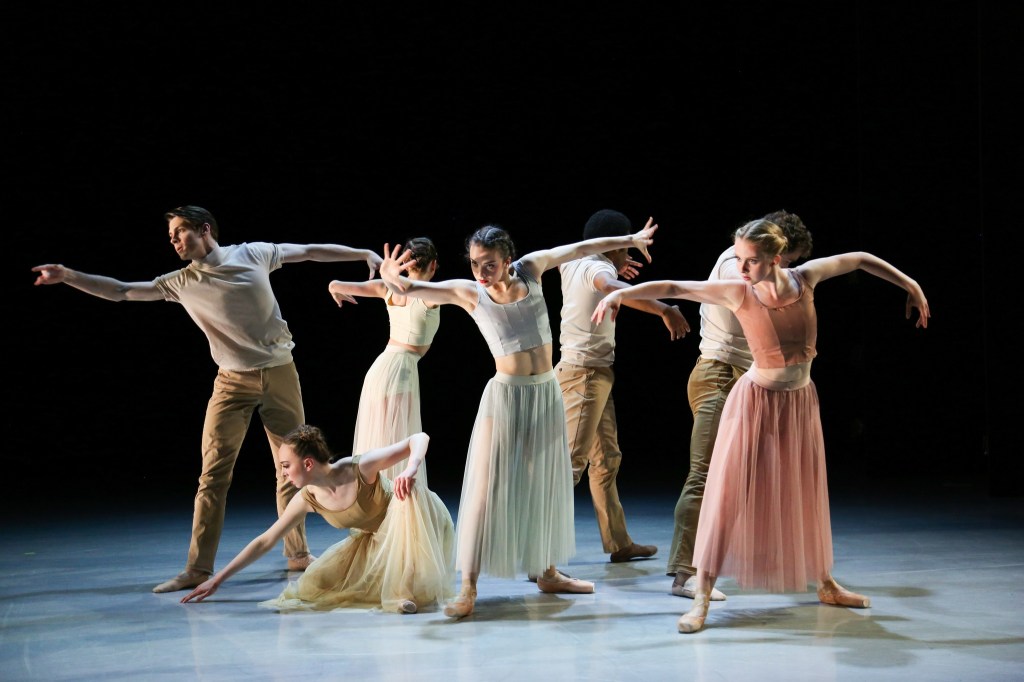
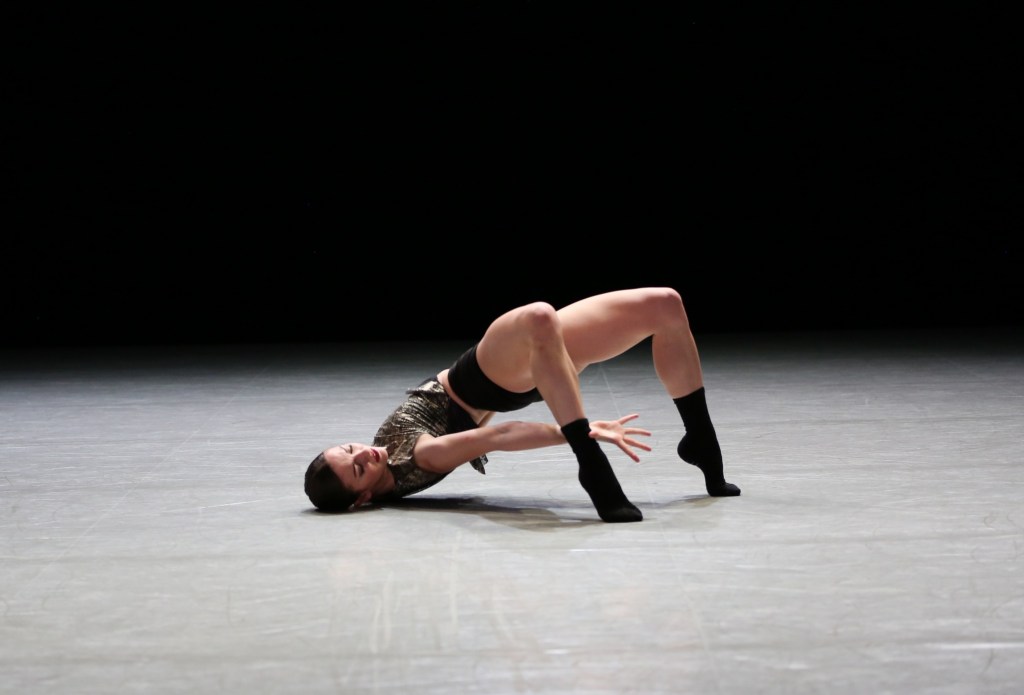
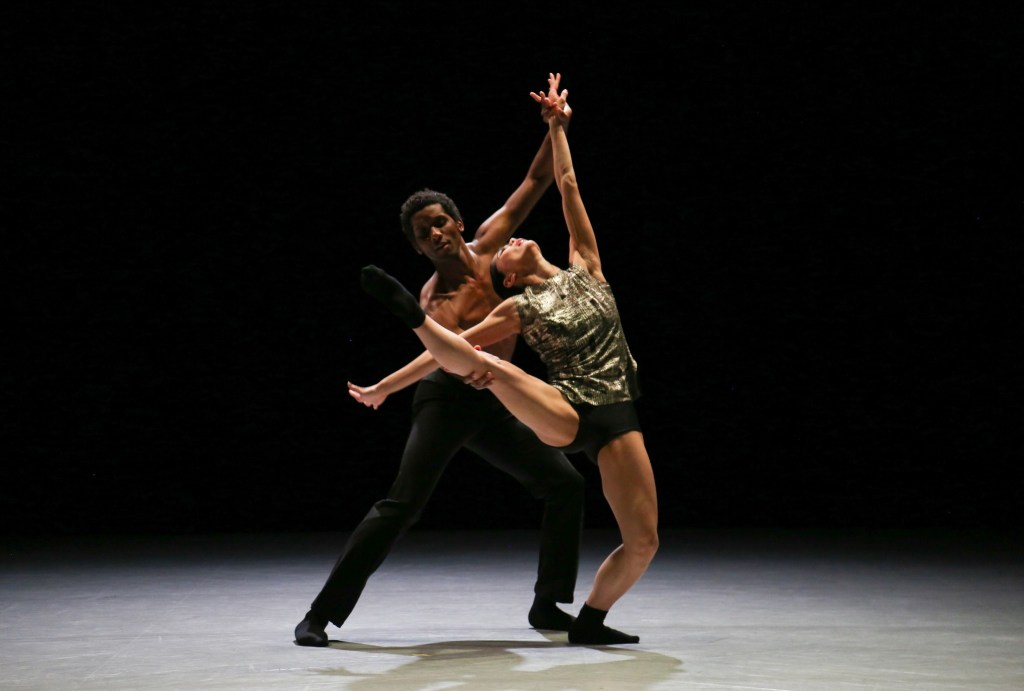
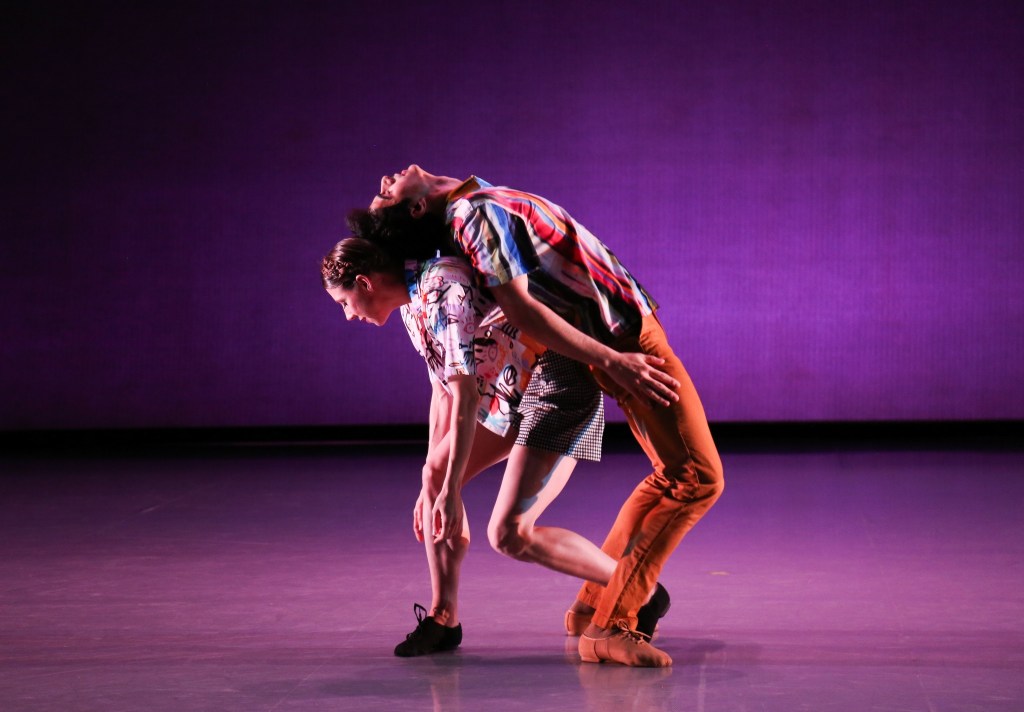
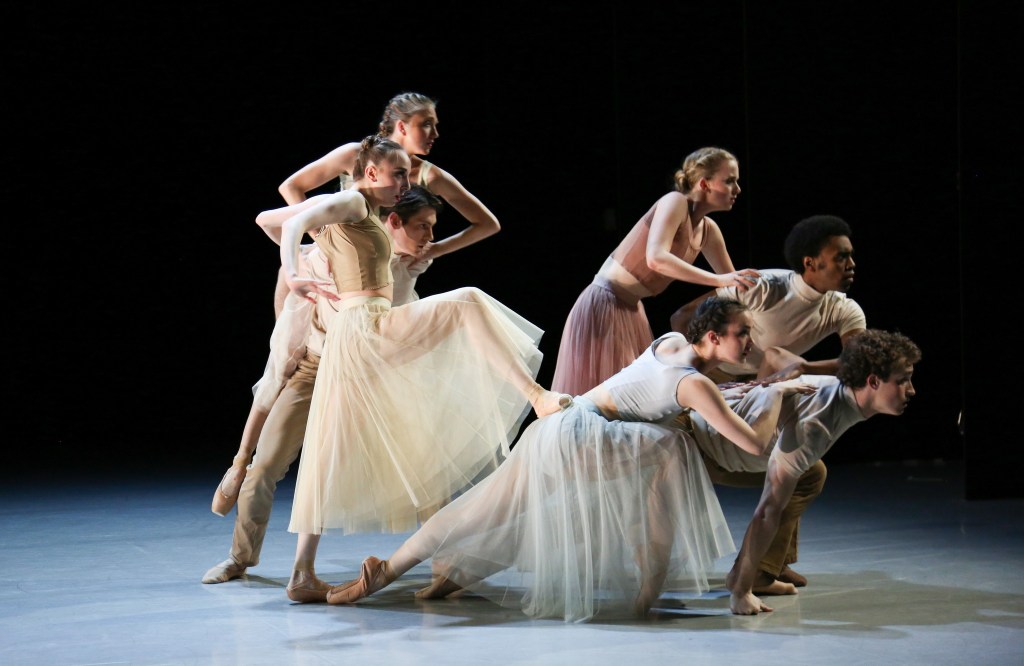
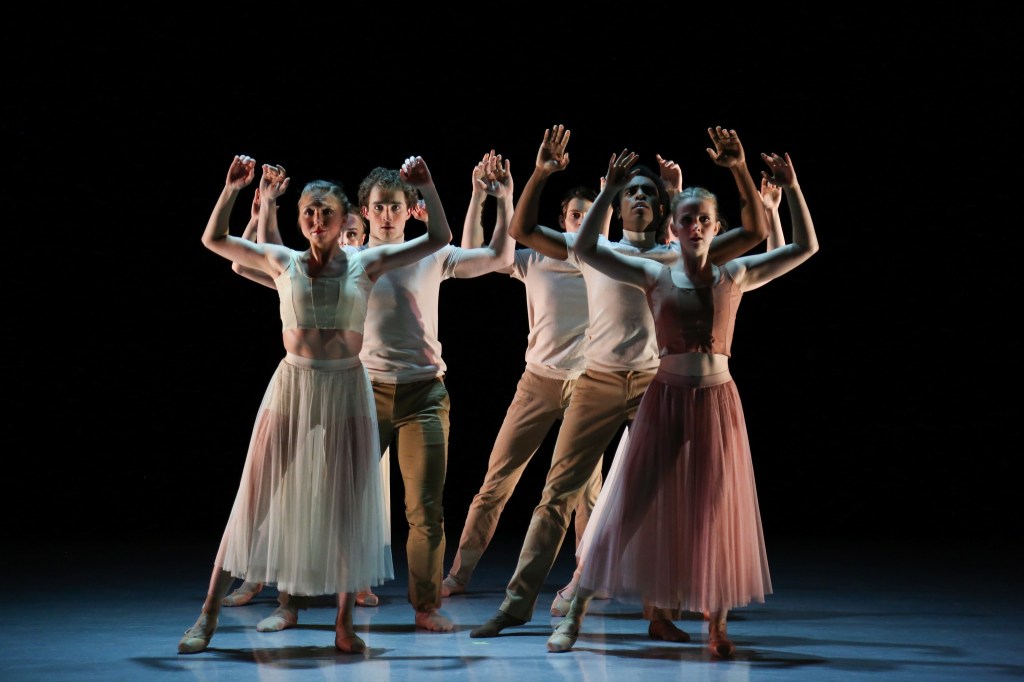

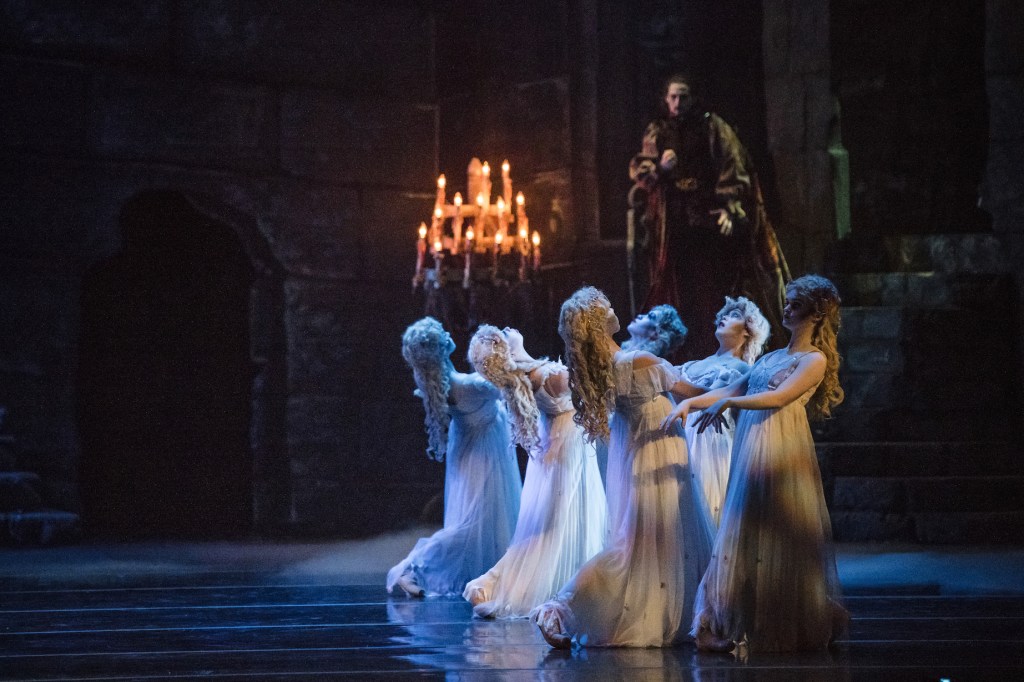
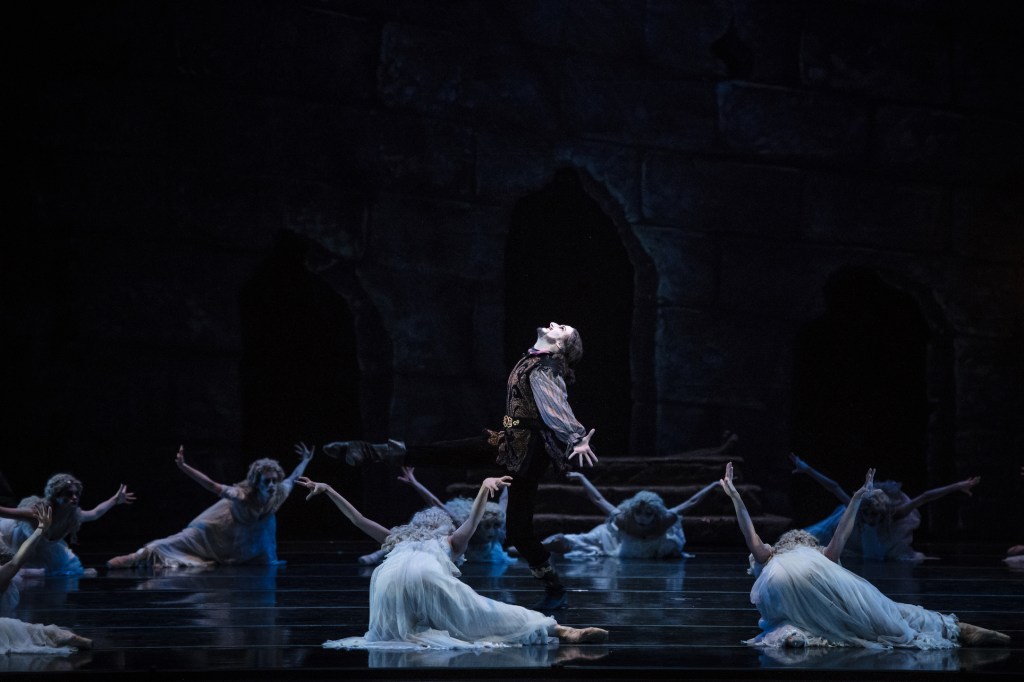
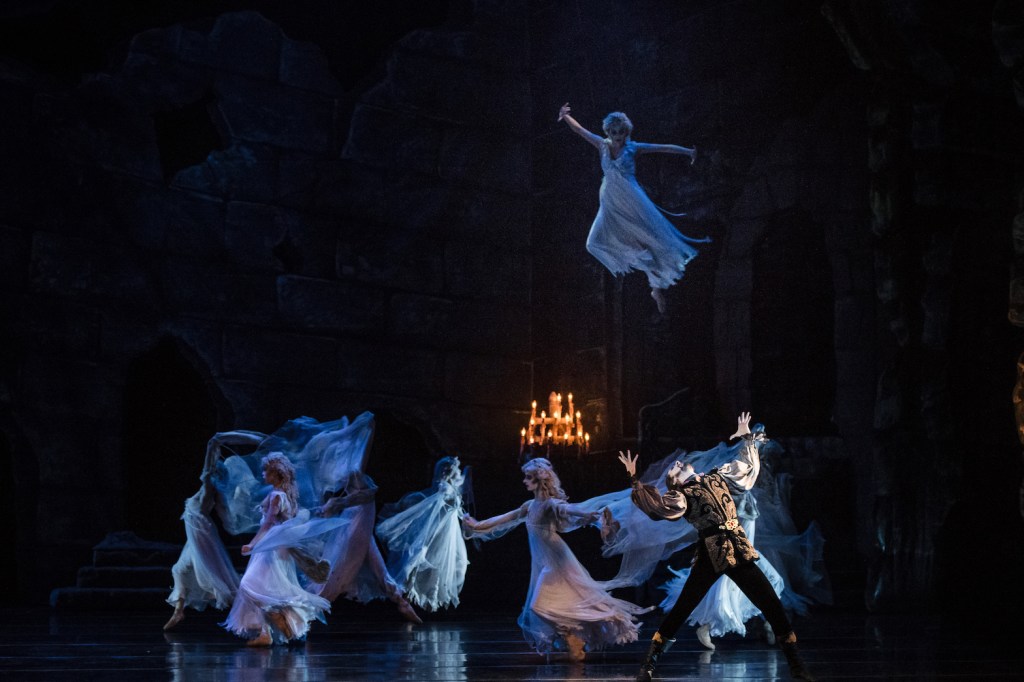
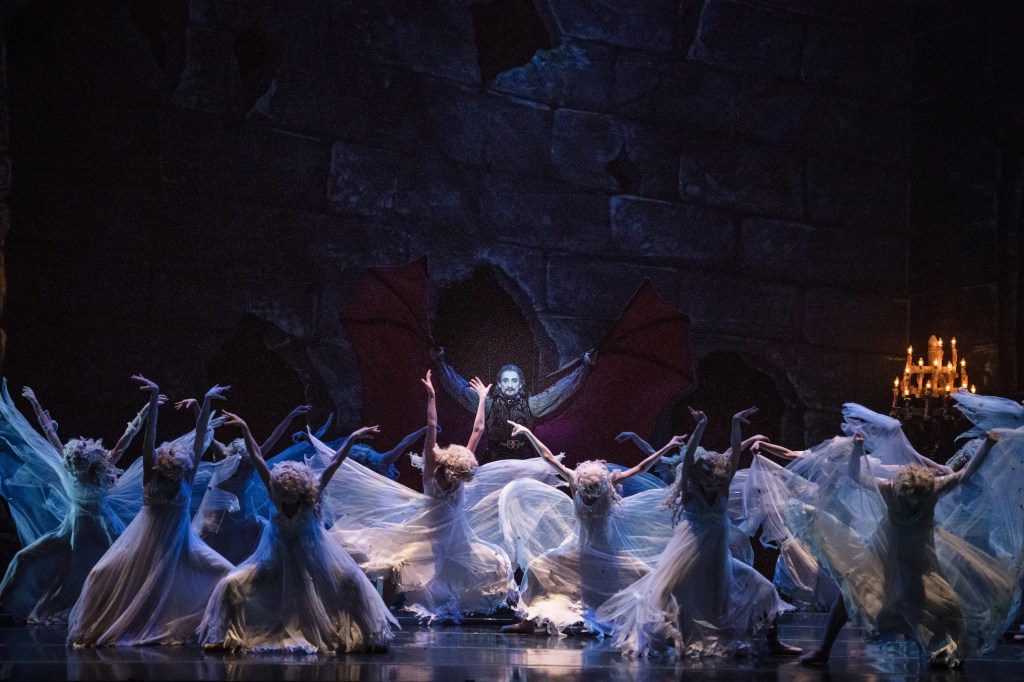
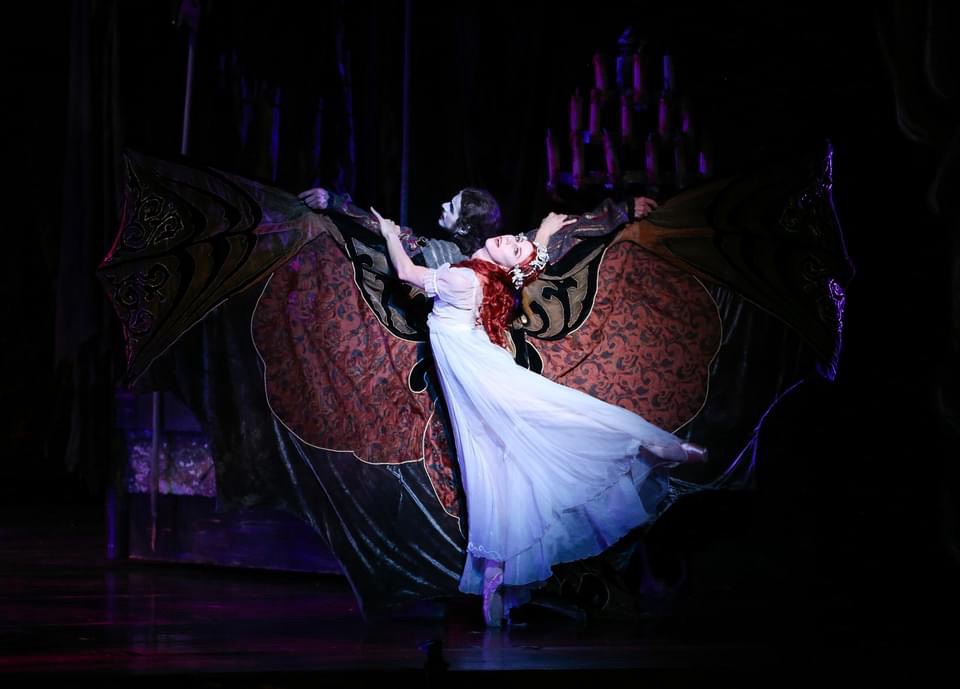
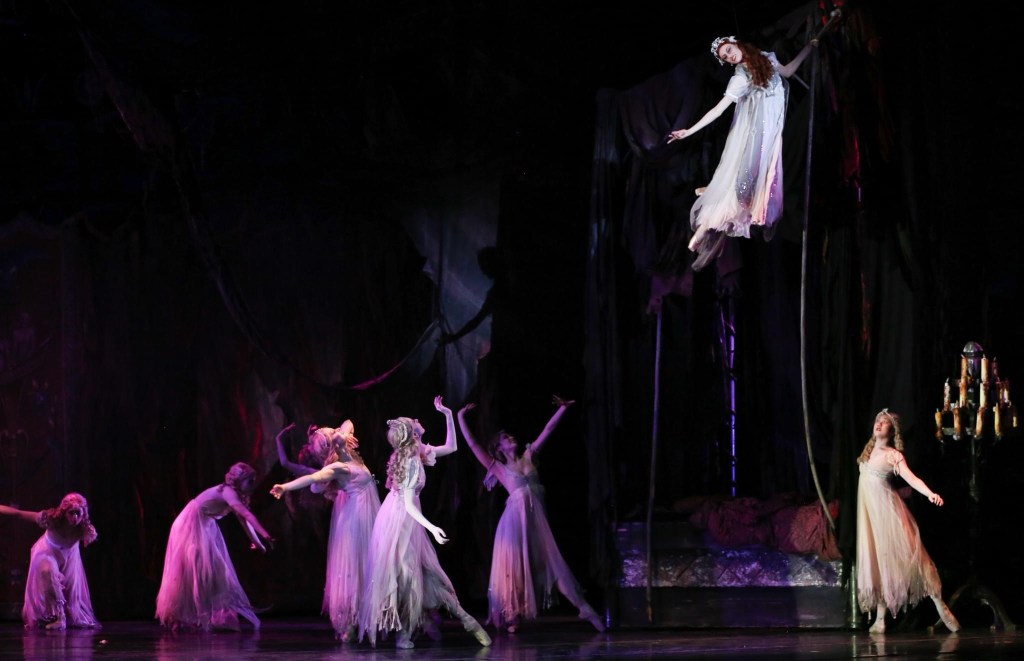
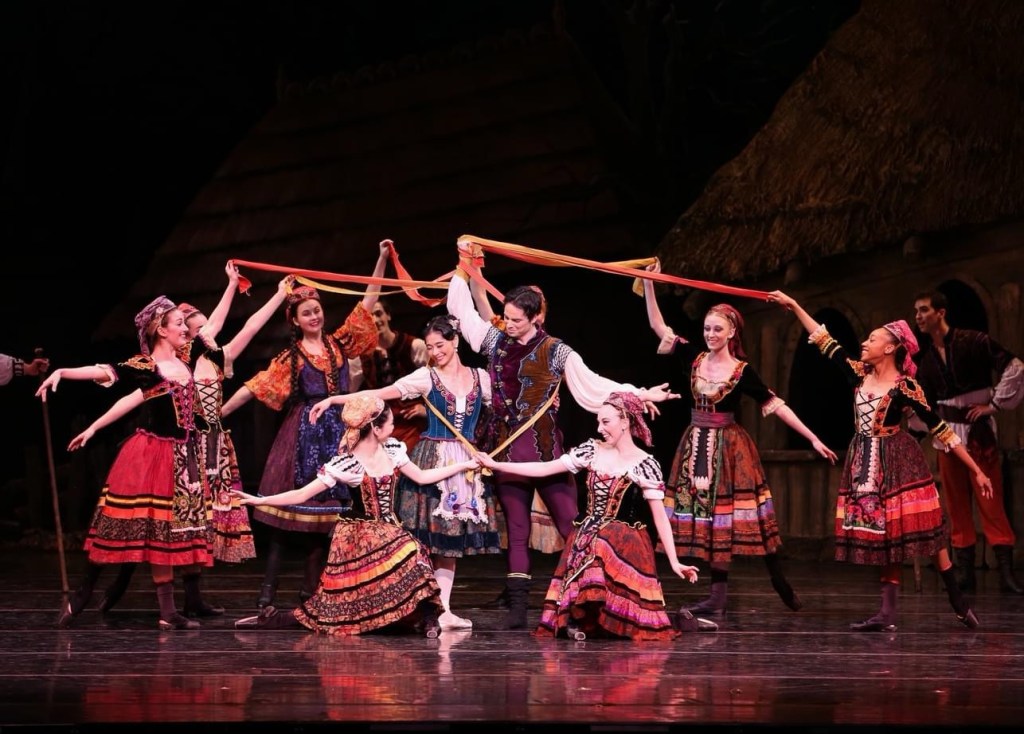
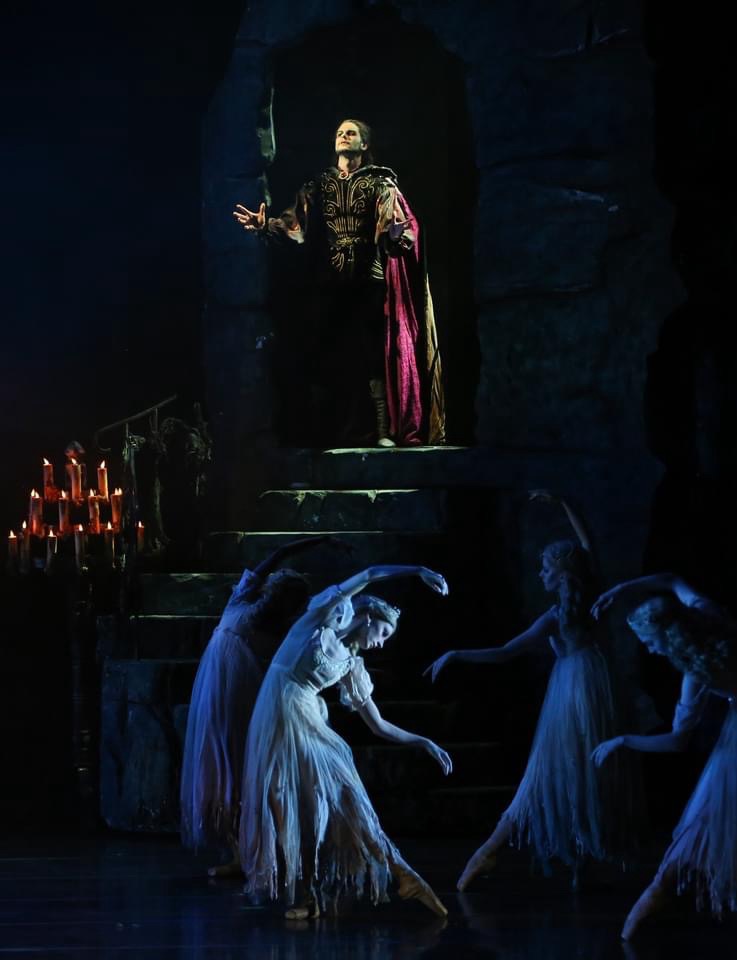

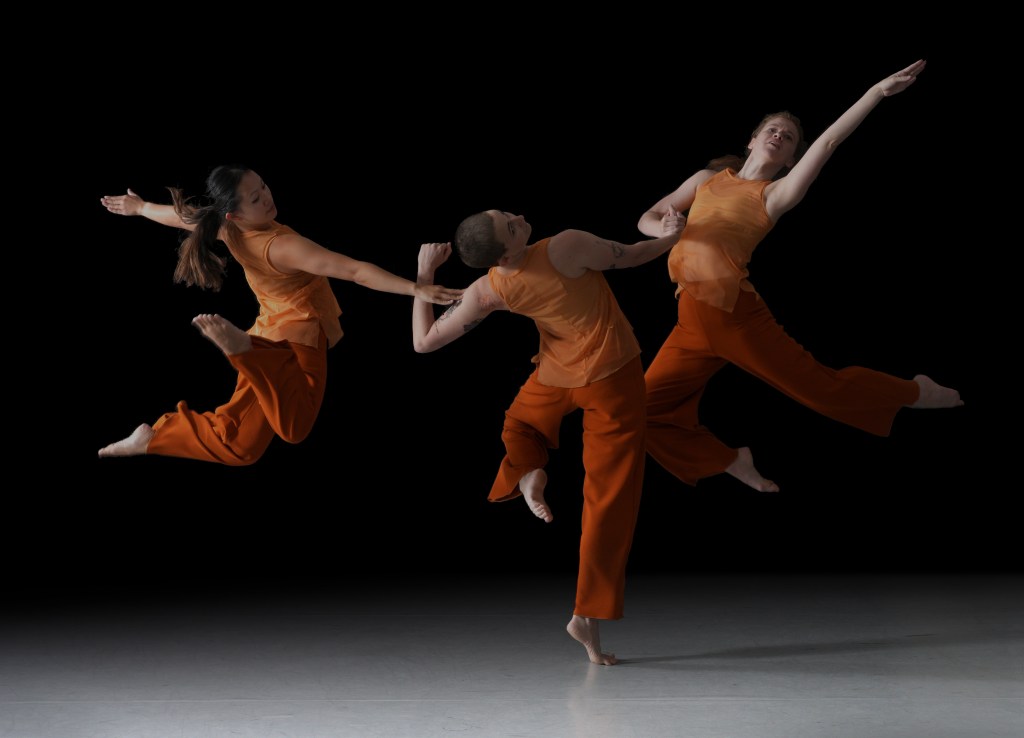
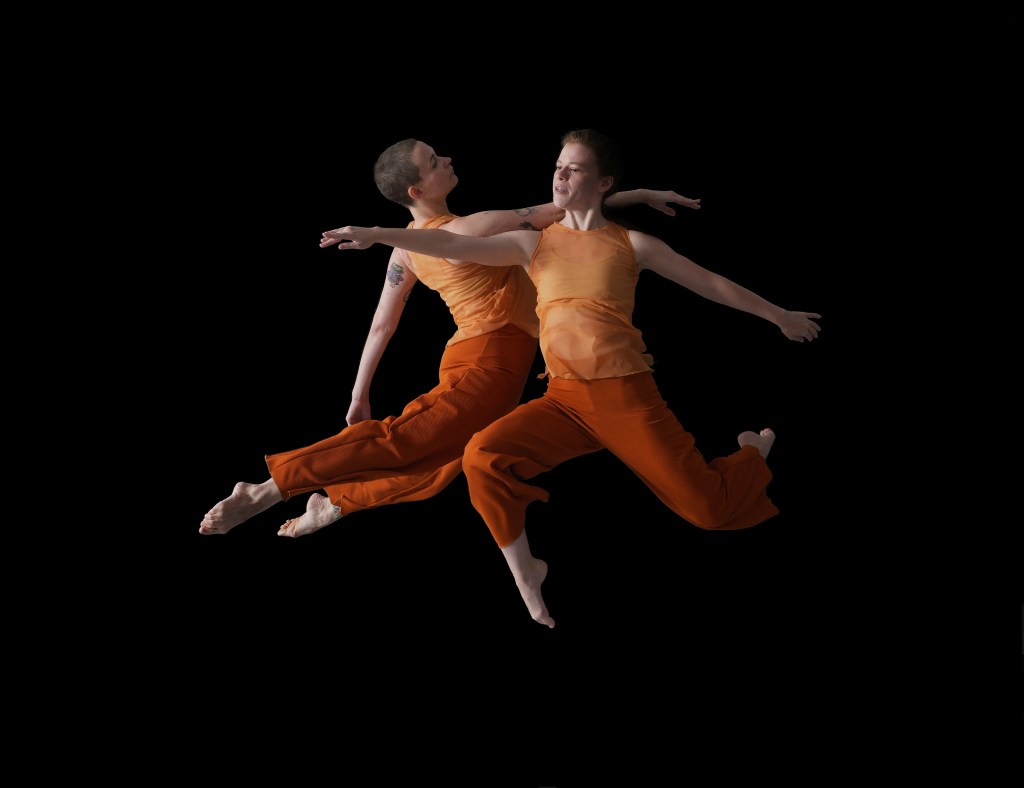
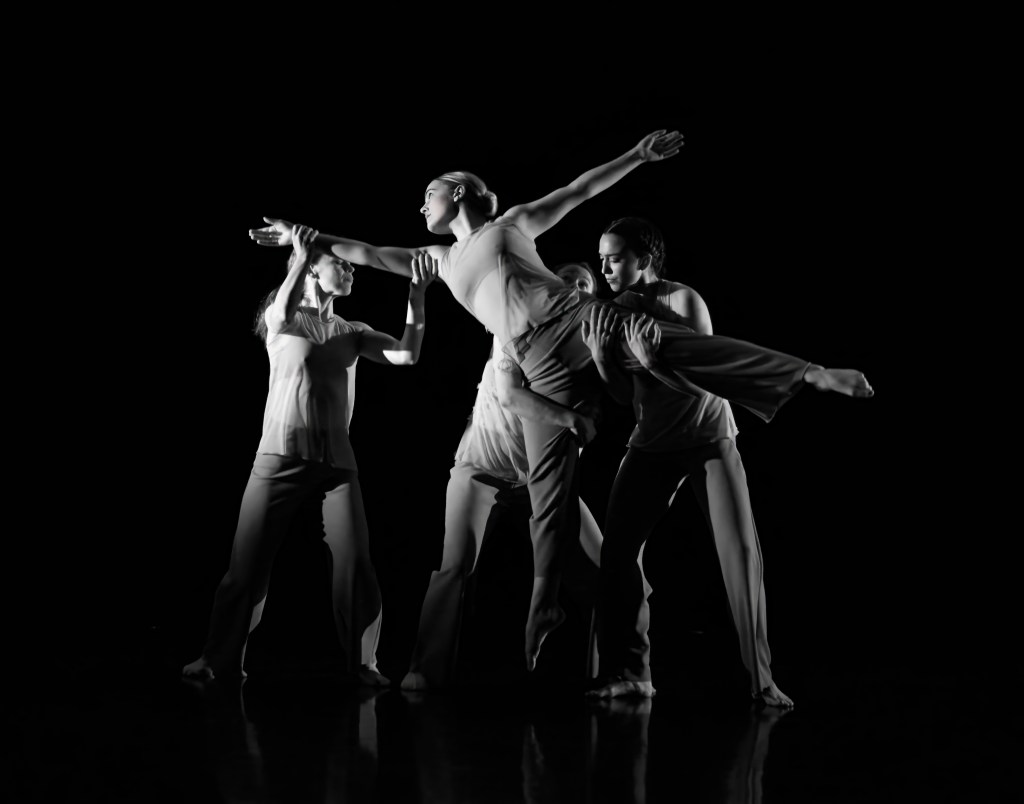

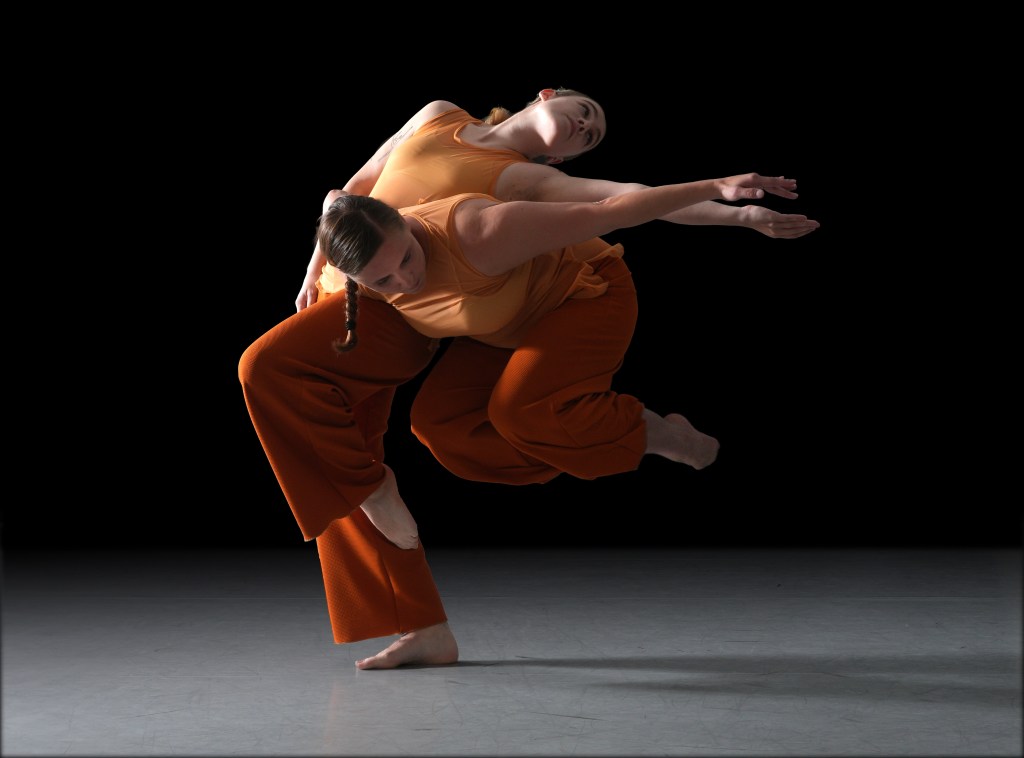
 RVArt Review