A STRANGE LOOP

Or, How to be a Big, Black, Queer-Ass Broadway Musical

Presented by: Richmond Triangle Players in Partnership with Firehouse Theatre

At: Richmond Triangle Players at the Robert B. Moss Theatre, 1300 Altamont Avenue,  RVA 23220

Performances: June 20 – August 9, 2025

Ticket Prices: $55

Info: (804) 346-8113 or rtriangle.org

A Reflection on Theater and Things Relative by Julinda D. Lewis

———-

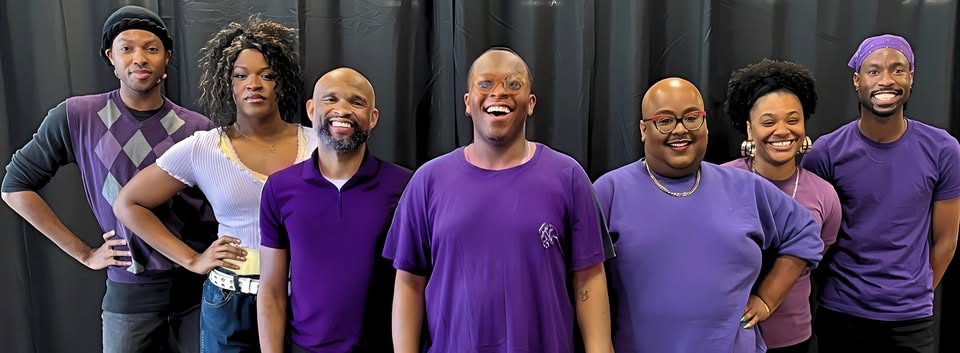
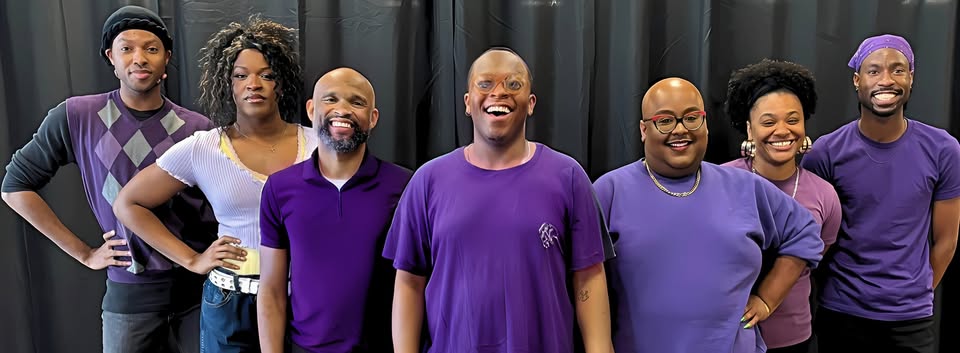
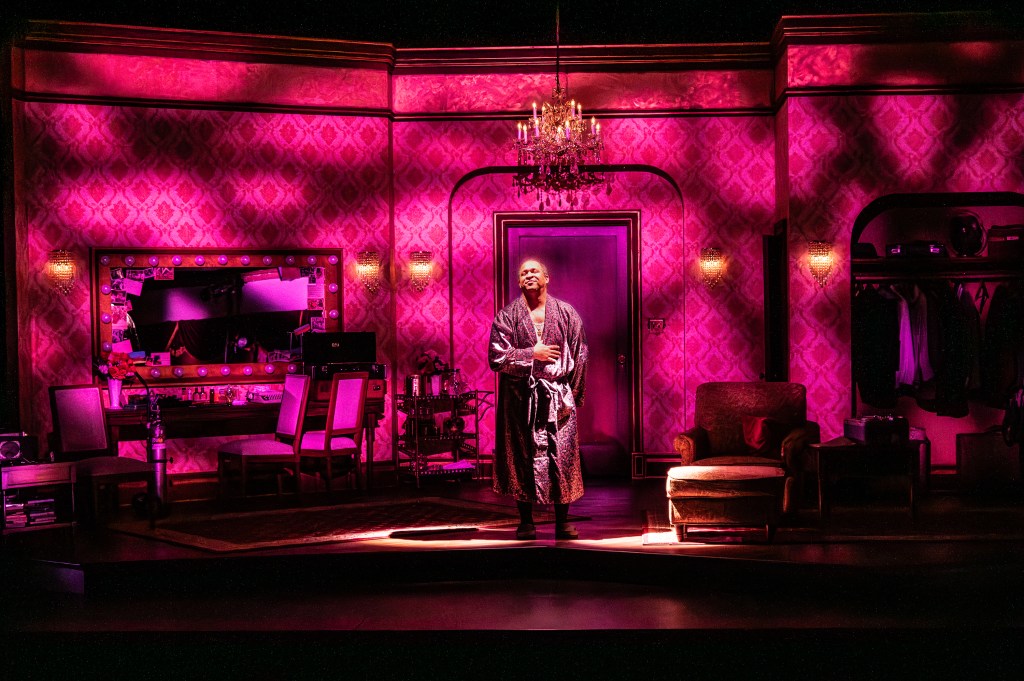
Michael R. Jackson’s Pulitzer Prize-winning musical, A Strange Loop (2019) follows the life of Usher – no, not that Usher – a Black, queer writer who works as an usher in theaters while writing his own musical about a Black queer usher who is writing a musical…about a Black queer usher who is writing a musical…

“Who knew slavery, police violence, and intersectionality could be so lucrative.”

A Strange Loop is at once as new as the latest dance craze and as old as the theater itself. The chorus of six nameless characters referred to in the program as “Thoughts” draws on the ancient Greek chorus. The Thoughts personify Usher’s inner struggles with identity and purpose. At times they represent social issues and personal demons, and at other times they represent people in Usher’s life. Come to think of it, Usher is not so much the lead character’s name as his occupation; he works as a Disney usher while struggling to overcome his writer’s block. Sometimes, the people are the issues, and sometimes the issues are the people. And since Usher is a young Black queer individual, these inner struggles encompass issues of racism, identity, homophobia, and self-doubt. Since Usher is a writer, A Strange Loop is also an exploration of the mind of creatives.

In science and technology, “a strange loop” is a concept proposed by Pulitzer prize-winning cognitive scientist and author Douglas Richard Hofstadter in his book I Am A Strange Loop (2007). In this book, Hofstadter (the son of Nobel Prize-winning physicist Richard Hofstadter) explores the sense of “I” or what is a “self” through the lens of self-referential systems. While these systems have different meanings in different fields, they most often are represented by a loop.

Playwright Jackson uses the term to refer to a self-referential thought structure or loop, in which an individual may find themselves trapped in a loop of thoughts – all too often negative thoughts – that keeps returning to the same point. For our protagonist, Usher, the loop circles around the themes of identify, self-doubt, and the writing process. Each theme in complete in itself, but in A Strange Loop the thoughts are compounded and complex, forming a never-ending loop that feeds on his insecurities which are, in turn, reinforced by social and familial pressures.

In a 2022 interview for Outreach: An LGBTQ Catholic Resource, Jackson said, “It’s very simple. The ideology is so intact that when you have that filter or that loop in yourself, nothing will break it until you break it or until your perception shifts.”  [https://outreach.faith/2022/06/interview-a-strange-loop-playwright-michael-r-jackson-talks-faith-compassion-and-sexuality/] A Strange Loop is a musical journey towards breakthrough and perception shift.

And yes, all this background may sound like technical, scientific mumbo jumbo to some, but it is key to understanding this play and this character. Who among us has not been affected by negative self-talk? And this play, this big, complex musical wonder, has been recognized many times over for its heartfelt message. A Strange Loop won the 2022 Tony Award for Best Musical and Best Book of a Musical. It also won the 2020 Pulitzer Prize for Drama even before its Broadway run.  The Pulitzer committee recognized Jackson’s work as “a metafictional musical that tracks the creative process of an artist transforming issues of identity, race, and sexuality that once pushed him to the margins of the cultural mainstream” while acknowledging the universality of human fears and insecurities. There were other awards, too – Drama Desk, New York Drama Critics’ Circle, and numerous nominations in multiple categories. You can be intellectual and artistic at the same time. A Strange Loop is a lot of things, all at once, and probably deserves more than one viewing.

This Richmond production, under the masterful direction of the multi-talented Katrinah Carol Lewis, with musical direction by Ben Miller and choreography by Deandra Clarke boasts a stellar cast headed up by Marcus Antonio. Antonio was most recently seen at the Firehouse/TP production of Fat Ham [https://jdldancesrva.com/2025/04/17/fat-ham/] where he gave an alternately sly, philosophical, and just generally endearing performance as the main character Juicy, modeled after Hamlet. In A Stange Loop, you forget Antonio is acting. He embodies the character of Usher with authenticity, but also with grace – and I’m not just talking about the physical kind of grace, but the spiritual kind of grace as well. And did I mention he can sing his butt off? You need to see and hear it for yourself.

Each and every one of the “Thoughts,” deserves special mention, but I know I would omit something or someone important. At one point they form a parade of past heroes including Harriet Tubman, Marcus Garvey, James Baldwin, Whitney Houston, Zora Neal Hurston. When Zakiyyah Jackson/Thought #1 takes on the persona of an older Black woman who shares her wisdom and advice with Usher, she reminds me of the fabulous Phylicia Rashaad. Her last appearance on the RTP stage was, in fact, in a production of How Black Mothers Say I Love You [https://www.facebook.com/share/v/19WrqXMdBi/ ] TeDarryl Perry/Thought #4 and the understudy for Usher simply nails it as Usher’s mother. The red dress, the mannerisms, the attitude that flips without notice from, “The bible says homosexuality is worse than murder” or “Why do you hate me; you’re selfish” to love reminds me of people in my own extended family. I’m sure we all know at least one like her, or him.

I couldn’t believe that Anthony Cosby Jr., most recently seen in last season’s Yes, And! Production of Pass Overand known for his fabulous Prince tribute shows, was just now making his RTP debut as Thought #5. Likewise, it was awesome to watch Keaton Hillman/Thought #6 add to his growing repertoire of memorable characters. I haven’t seen Todd Patterson/Thought #3 sing and dance this much since BootyCandy (2022) [https://jdldancesrva.com/2022/06/17/bootycandy/]. I am not yet familiar with the beautiful Nesziah Dennis/Thought #2 but thoroughly enjoyed her performance and look forward to seeing more of them in the future.

With all the trauma in A Strange Loop, there is no deficit of humor. The parents’ names are Serabi and Mufasa, and the granddaughter is Nyla. Besides paying homage to The Lion King, it seems a bit of an inside joke that they are also the King and Queen of the Pridelands.

There are plenty of biblical references as well, from things people think are in the bible but actually aren’t (e.g., AIDS is God’s punishment for not living right) to actual bible quotes (e.g., But these, like natural brute beasts made to be caught and destroyed, speak evil of the things they do not understand, and will utterly perish in their own corruption – 2 Peter 2:12 NKJV).

Production-wise, A Strange Loop utilizes the space at RTP so well that the stage seemed wider and deeper than it actually is – in other words, bigger than life. Frank Foster’s scenic design consisted of strands of light, in curving bands like a roller coaster or strands of DNA, and 18 slim poles. Michael Jarett’s lighting was evocative, simple, and dramatic in turn.

This is a musical, so I would be derelict not to mention the music, which encompasses multiple genres including R&B and gospel – sometimes with full choir robes. The songs were fully integrated into the book, with lyrics that seamlessly expanded the storytelling aspects of the show. One of the most memorable, near the end, was “Memory Song,” a work that kind of summarizes the intent and direction of the entire work, touching on Usher’s childhood memories and relationships, his sexuality, and his faith. [See the lyrics to “Memory Song” below.] In his bio, TeDarryl Perry wrote that this performance is dedicated to “all those Black, gay boys who chose to go on back to the Lord.”

In the end, A Strange Loop, while frequently referred to by participants as “a big, black, and queer ass American Broadway show,” is not just a niche show. It is for Black, queer people. It is for people who are exploring their sexuality or identity. It is for people who care abut mental health and identity. It is for anyone who has ever experiences self-doubt or self-hate. It is for people who have been bullied and people who have bullied others. It is for people who love a good story. It is for people who care about other people. It is for people who care. A loop is never-ending. The only way out is to break through.

Here’s a link to a preview of A Strange Loop: https://www.facebook.com/share/v/19WrqXMdBi/

Here are the lyrics to “Memory Song”:

Five foot four, high school gym
Sneaking a cupcake
These are my memories

Shooting hoops off the rim
Slow on the uptake
These are my memories

After gym, the locker room
My eyes photographing
Naked me measures in at four and a half inches
These are my memories

Of one lone, Black, gay boy I knew
Who chose to turn his back on the Lord
One lone, Black, gay boy I knew
Who chose to turn his back on the Lord

Guild and shame
Jesus’ name
Church every Sunday
These are my memories

Eat his body
Drink his blood
Communion buffet
These are my memories
Sweet, sour memories

After church we’re driving home to radio crackle
Jazz music or Motown blues
And skin is a shackle
For one lone, Black, gay boy I knew
Who chose to turn his back on the Lord
One lone, Black, gay boy I knew
Who chose to turn his back on the Lord

These are my memories
Sweet, sour memories
This is my history
This is my mystery

Mom is napping on the couch
And dad cuts the grass
While I watch TV all day long
Young & the Restless
Like one lone, black, gay boy I knew
Who chose to turn his back on the Lord
One lone, black, gay boy I knew
Who chose to turn his back on the Lord

Dad is drunk and on the couch
While mom eats a porkchop
Daily bread mill
Daily treadmill won’t ever stop
One lone, Black, gay boy I knew
Who chose to turn his back on the Lord
One lone, Black, gay boy I knew
Who chose to turn his back on the Lord

I am lying on the couch
I dream that I’m flying
Flapping both my wings so hard
To keep me from dying
With a crown of godforsaken thorns on my head
Like all those black, gay boys I knew
Who chose to go on
Back to the Lord (like all those black, gay boys you knew who chose to go on back to the Lord)

All those Black, gay boys I knew
Who chose to go on
Back to the Lord (all those Black, gay boys you knew who chose to go on back to the Lord)
All those Black, gay boys I knew
Who chose to go on
Back to the Lord! (all those Black, gay boys you knew who chose to go on back to the Lord)
And one lone, Black, gay boy I knew
Who chose to turn his back-
On the Lord- (chose to turn his back on, chose to turn his back on the Lord)
Instead

Source: Musixmatch |Songwriters: Michael Jackson | Memory Song lyrics © Kobalt Music Services America Inc.

———-

Julinda D. Lewis is a dancer, minister of dance, teacher, and writer who was born in Brooklyn, NY and currently resides in Eastern Henrico County. When not writing about theater, she teaches dance history at VCU and low impact dance fitness classes to seasoned movers like herself and occasionally performs.

———-

A STRANGE LOOP

Book, Music, & Lyrics by Michael R. Jackson

Directed by Katrinah Carol Lewis

Cast

Marcus Antonio ….. Usher

Zakkiyah Jackson ….. Thought #1

Nesziah Dennis ….. Thought #2

Todd Patterson ….. Thought #3

TeDarryl Perry ….. Thought #4 & U/S Usher

Anthony Cosby Jr ….. Thought #5

Keaton Hillman ….. Thought #6

Understudies

Nia Frazier ….. Thoughts

Sydnee S. Graves ….. Thoughts

A Strange Loop Band

Conductor/Keyboard ….. Ben Miller

Guitar ….. Lake Stiles

Drums ….. Joe Lubman

Reeds ….. Jalen Wise

Creative Team

Scenic Design ….. Frank Foster

Lighting Design ….. Michael Jarett

Costume, Hair, & Makeup Design ….. Margarette Joyner

Sound Design …. Grace Brown LaBelle

Props Design ….. Tim Moehring

Production Stage Manager ….. Lauren Langston

Choreography ….. Deandra Clarke

Music Direction ….. Ben Miller

For This Production

Assistant Stage Managers ….. Christopher R. Smith, Finn Thomason

Intimacy Director ….. Nora Ogunleye

Gender Consultant ….. August Hundley

Technical Director ….. Emily Vial

Master Electrician ….. Griffin Hardy

Sound Assistant ….. Julie Vo

Set Construction ….. David Allan Ballas, Grace Brown Labelle, Todd Labelle, Emily Vial, Patrick Rooney

World Premiere by Playwrights Horizons, Inc. in association with Page 73 Productions in New York City in 2019.

Performance Schedule

June 20 – August 9, 2025

Sundays at 4:00PM

Wednesdays at 8:00PM

Thursdays at 8:00PM

Fridays at 8:00PM

Saturdays at 8:00PM, closing August 9

Tickets

Ticket Prices: $55

Run Time

About 2 hours with no intermission

Setting

A loop within a loop within a loop inside a perception of one man’s reality.

Photos from the RTP Facebook page

One-Time
Monthly
Yearly

Make a one-time, monthly, or annual donation to show your love for rvart review

Make a monthly donation

Make a yearly donation

Choose an amount

$5.00
$15.00
$100.00
$5.00
$15.00
$100.00
$5.00
$15.00
$100.00

Or enter a custom amount – no amount is too small ($1.00) or too large (the sky’s the limit)!

$

Your contribution is appreciated.

Your contribution is appreciated.

Your contribution is appreciated.

DonateDonate monthlyDonate yearly
RICHMOND BALLET: MOVING ART ONE

Ballet Celebrates First Program on the New VMFA Stage

A Dance Review

Performance By: The Richmond Ballet

At: Virginia Museum of Fine Arts, Leslie Cheek Theater, Richmond Ballet Stage, 200 N. Arthur Ashe Boulevard, RVA 23220

Performance Dates: March 20-30, 2025

Ticket Prices: $25 – $85 ($85 – $125 on opening night)

Info: (804) 344-0906, etix.com, or richmondballet.com

THE PROGRAM

PENTAPTYCH

Choreography by Ma Cong

Music by Ryan Lott

Costume Design by Emma Kingsbury

Lighting Design by Les Dickert

Visual Artist: Eric Sall

World Premiere: September 14, 2018, Tulsa Ballet, Tulsa Ballet’s Studio K Theatre, Tulsa, OK. Richmond Ballet Premiere: March 20, 2025, Leslie Cheek Theater, Virginia Museum of Fine Arts, Richmond, VA

AFTER THE RAIN Pas de Deux

Choreography by Christopher Wheeldon, OBE

Music by Arvo Pärt

Staged by Jason Fowler and Craig Hall

Costume Design by Holly Hynes

Lighting Design by Les Dickert after Original Design by Mark Stanley

Pianist: Dr. Douglas-Jayd Burn

Violinist: Karen Johnson

World Premiere: January 22, 2005, New York City Ballet, New York State Theater, New York, NY. Richmond Ballet Premiere: March 20, 2025, Leslie Cheek Theater, Virginia Museum of Fine Arts, Richmond, VA

LAMBARENA

Choreography by Val Caniparoli

Music by Johann Sebastian Bach and traditional African (as arranged by Pierre Akendengué and Hughes de Courson)

African Dance Consultants: Dr. Zakarya Diouf, Naomi Johnson-Diouf, Ibrahima O. Diouf

Scenic and Costume Design by Lisa J. Pinkham, Recreated by Les Dickert

Staged by Maiqui Manosa

World Premiere: March 28, 1995, San Francisco Ballet, War Memorial Opera House, San Francisco, CA. Richmond Ballet Premiere: March 20, 2025, Leslie Cheek Theater, Virginia Museum of Fine Arts, Richmond, VA

—–

In celebration of the very first performance of the Richmond Ballet’s new Moving Art series – replacing the long-time, popular Studio Series – current Artistic Director Ma Cong, Founding Artistic Director Stoner Winslett, and VMFA Director and CEO Alex Nyerges shared the stage on Thursday evening, March 20, for an enthusiastic pre-show welcome. There was a full house for this gala event, and all performances of the March 20-30 program were already sold out.

Moving Art One marks the return of the Richmond Ballet to the VMFA  after last performing there in the 1990s and the first major renovation of the Leslie Cheek Theater stage since it was built some 70 years ago. The renovations include widening the stage to better accommodate ballet, new lighting for the house and the stage, and upgraded A-V equipment. A press release indicates that the performers’ dressing rooms and restrooms and the green room have also been upgraded. The theater seats 472 audience members, and the seating has reportedly been refurbished but in my opinion the seats are still a bit too tight and would probably not be comfortable for all audience members, and the raking does not allow for an unobstructed view if you are vertically challenged, or if a tall person sits in front of you. But that’s just my two cents.

As with the Studio Series performances, the Moving Art series consists of a program of three works and features both classical and contemporary ballets produced in an intimate setting (as compared to, say, the 1,800-seat Carpenter Theatre where large works such as The Nutcracker Ballet or Cinderella are performed).

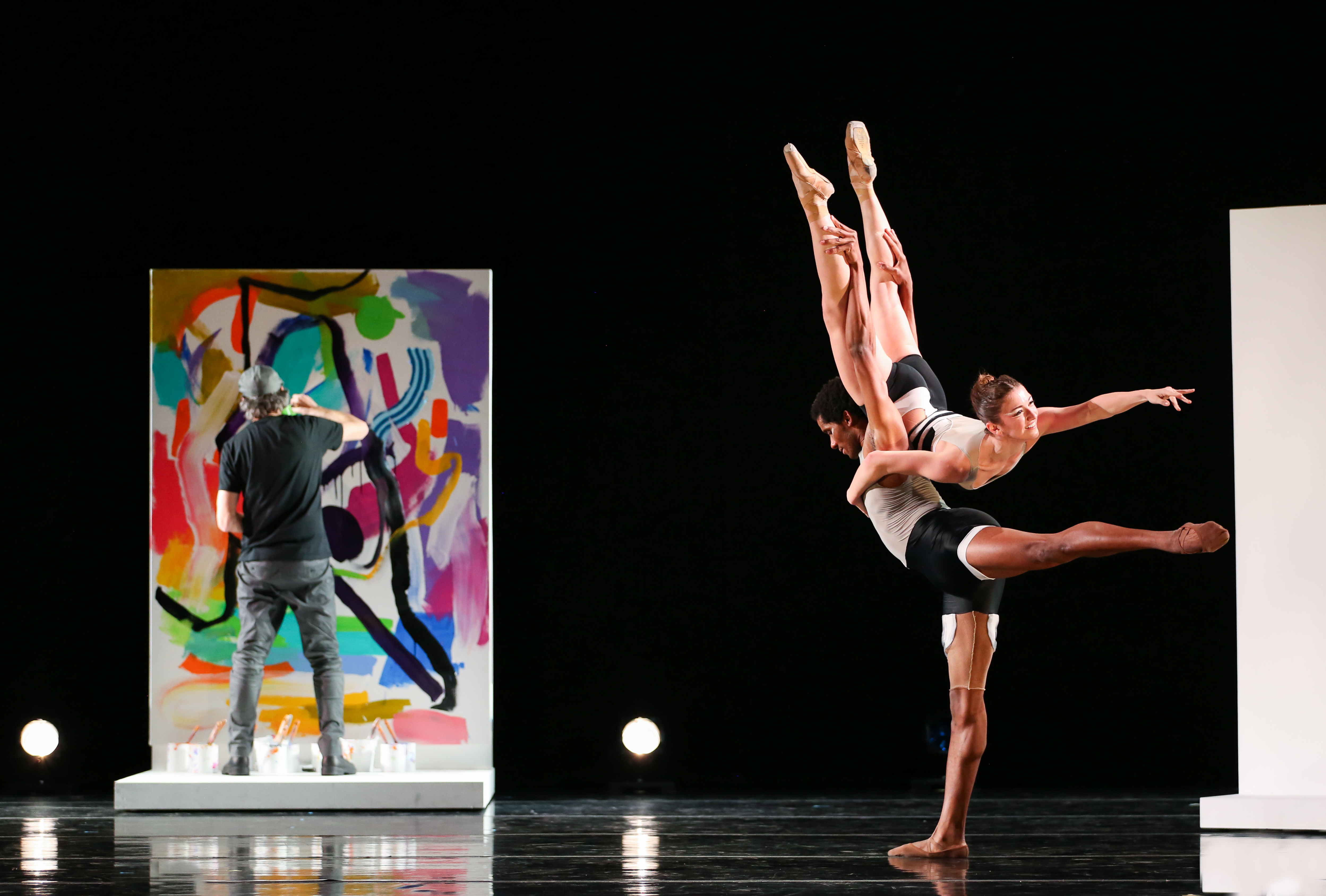
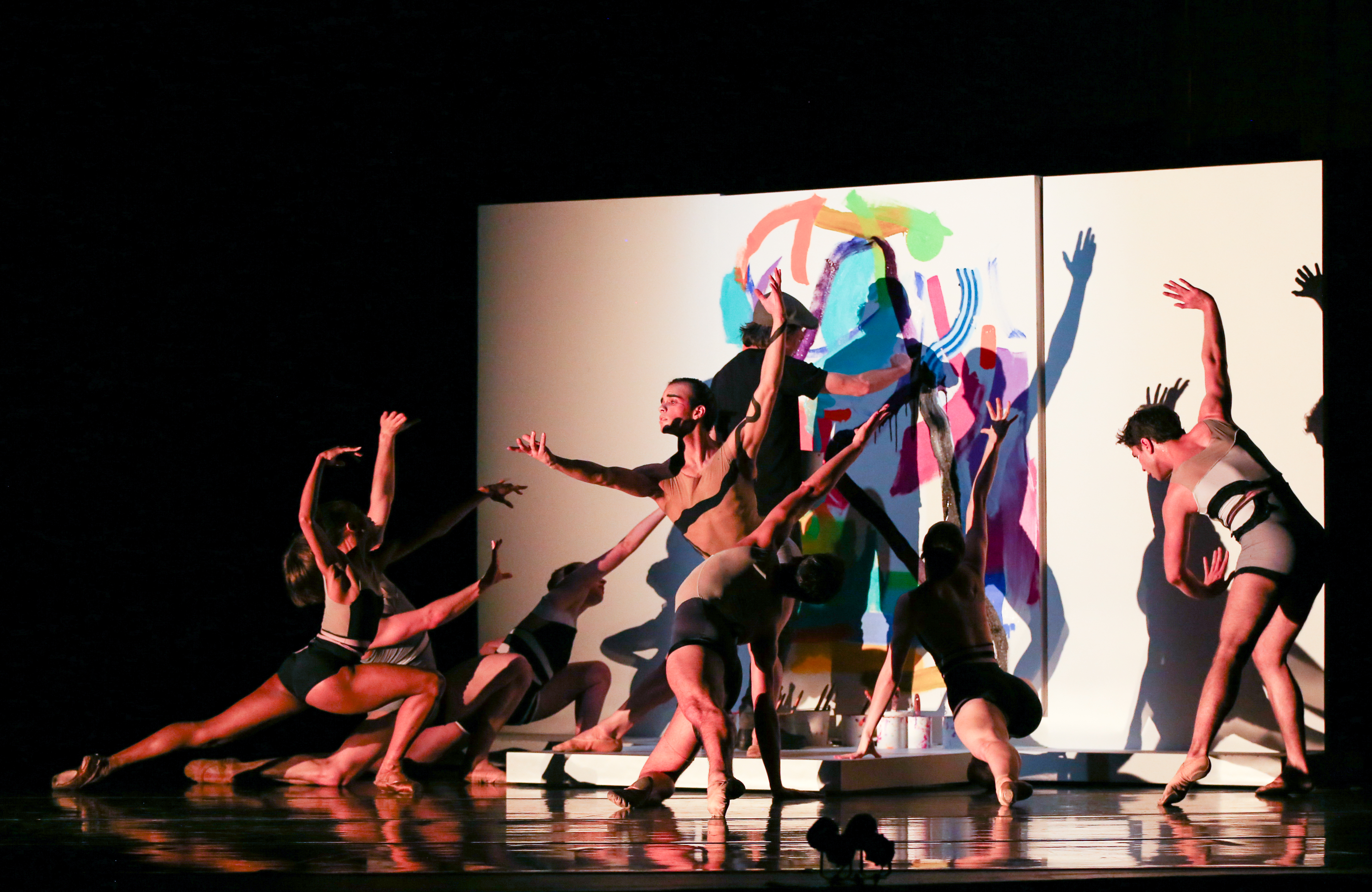
Moving Art One opened with the world premiere of Ma Cong’s Pentaptych (def., a work of art consisting of five panels or sections). There is a live artist onstage, Eric Sall, who interacts with the dancers and creates a large, colorful abstract painting. The bold brushstrokes are a stark contrast to the black, white, and gray costumes worn by the dancers – except for one dancer whose costume appears to be a part of or an inspiration for the painting. The ballet is of the contemporary genre, and the dancers’ monochrome costumes, paired with the abstract, ethereal, and sometimes athletic stretching motions and the original score by Ryan Lott, for a moment I had a flashback of sitting in Merce Cunningham’s Westbeth studio in Manhattan’s artists’ community, watching his company perform. (For those not familiar with Cunningham’s work – this is a positive comparison, and you should look him up!) The finished painting, by the way, is available for purchase via an online auction. The proceeds are to benefit the Richmond Ballet.

The classical portion of the program was provided by Eri Nishihara and Jack Miller, performing the pas de deux from Christopher Wheeldon’s After the Rain. Commissioned for a New York City Ballet program in honor of George Balanchine’s birthday, the ballet is in two parts. The first part is a dance for three couples, and the second part, the pas de deux, is often performed separately, as it was here on the new Richmond Ballet Stage. The dance is set to music by Arvo Pärt, played live by Dr. Douglas-Jayd Burn and Karen Johnson, and is notable for placing the ballerina in flat shoes instead of en pointe.

It is a stunningly beautiful and tender ballet in which the male dancer, Miller, sometimes lifts his partner is the most unexpected ways – for example, frozen into a position that I can only describe rather awkwardly as table-like. Another moment, Nishihara gently caresses her partner’s face while he stands strong and unmoving, or she perches delicately on his extended thigh. Burn’s piano and Johnson’s violin emit gentle, almost ambient sounds, like, yes, like raindrops. The piece ends with a silent embrace and the partners gently melt into one another.

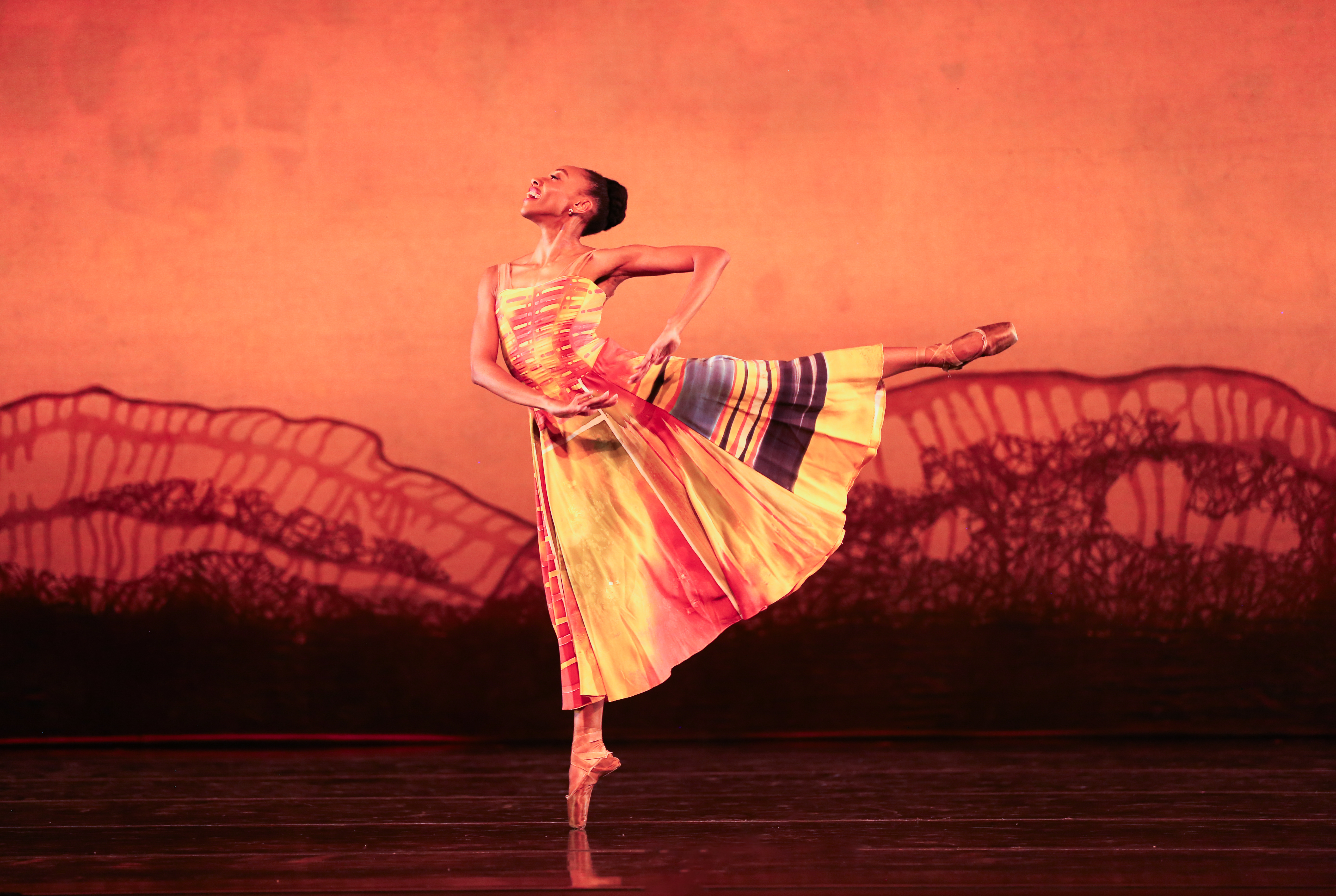
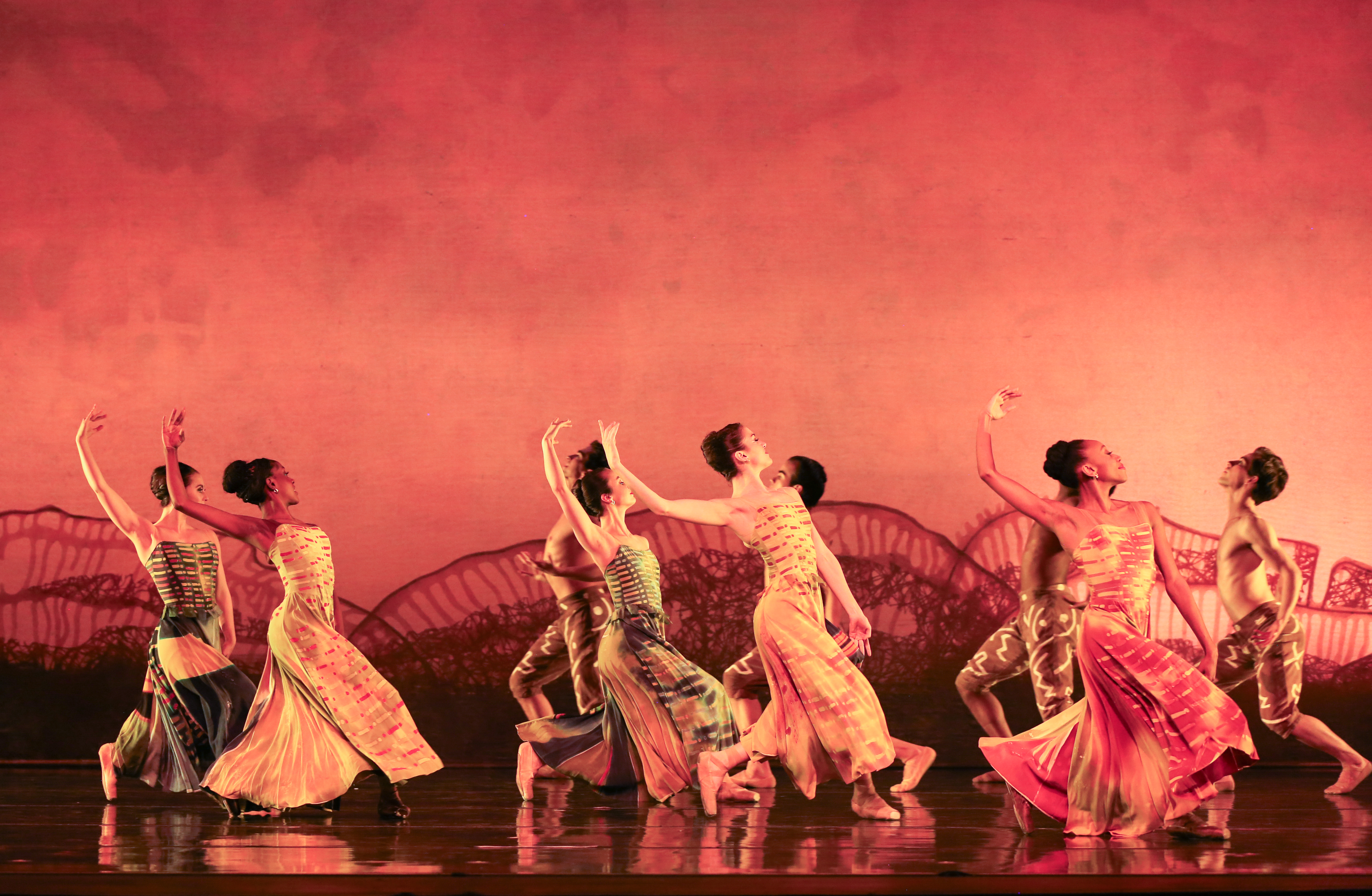
Val Caniparoli’s Lambarena is much more difficult to write about, not because it was not beautifully performed, but because I am not sure what to think of it. Colorful, energetic, and fun, the work is performed to a rather unique blend of music by Johann Sebastian Bach and traditional African (what part of Africa?) music arranged by Pierre Akendengué and Hughes de Courson.

Performed by the full company, the work serves as a showcase for dancer Naomi Robinson who leads the women in leaping lightly like gazelles over the savanna. (This brought back another memory, that of seeing a herd of gazelles dashing through the grasslands of Kenya.) In a later section, they held their arms back and arched, reminding me of ostriches – and the beautiful solo Awassa Astrige created by Asadata Dafora (1932). The men, at times, reminded me of giraffes – also common to Kenya and other parts of East Africa. There was lots of light footwork and hip action unlike anything one usually sees in a traditional ballet. Sometimes I heard strains of a stringed instrument that reminded me of a berimbau – a one-stringed instrument I’m familiar with from Brazilian dance and capoeira (a Brazilian martial art/dance). I believe the berimbau originated in Angola, in southwestern Africa. The music also incorporated choral sections and clapping.

Overall, the work is sassy and joyous, and performed with extraordinary energy. My dilemma, perhaps, comes from recent discussions I have been having with my dance history students at VCU, where we have been mulling over the differences between cultural appreciation and cultural appropriation. The program lists African Dance Consultants – Dr. Zakarya Diouf, Naomi Johnson-Diouf, and Ibrahima O. Diouf – and the company hosted a Community Dance Class with local dance organization Ezibu Muntu on March 16, shortly before the opening of the Moving Art One program.

Still, I felt a certain uneasiness as I watched – and enjoyed – Lambarena, and watched others enjoying it, too. I appreciated it, but there does seem to be more than a little cultural appropriation – context? accreditation? intent? Acknowledgement – beyond the generic designation of “African” – or at least an appearance thereof. I need to look more deeply into Caniparoli’s inspiration and motivation before making a final decision on this work.

In the meantime, while I’m rummaging around in the stack of dance history, if you can’t get to see Moving Art One, there will be a Moving Art Two, running from May 8 – 18. That program will include Joshua L. Peugh’s Slump, a ballet about modern courtship, Stoner Winslett’s Echoing Past (set to a score by Fanny Mendelssohn-Hensel), and Yury Yanowsky’s newly completed Fading Creatures, a work-in-progress he introduced at Richmond Ballet’s 2023 New Works Festival. It draws inspiration from the melting clocks of Salvador Dalí’s popular painting The Persistence of Memory.

—–

Julinda D. Lewis is a dancer, teacher, and writer who was born in Brooklyn, NY and now lives in Eastern Henrico County. When not writing about theater and dance, she teaches dance history at VCU and low impact dance fitness classes to seasoned movers like herself and occasionally performs.

One-Time
Monthly
Yearly

Make a one-time, monthly or annual donation to show how much you love rvart review

Make a monthly donation

Make a yearly donation

Choose an amount

$5.00
$15.00
$100.00
$5.00
$15.00
$100.00
$5.00
$15.00
$100.00

Or enter a custom amount

$

Your contribution is appreciated.

Your contribution is appreciated.

Your contribution is appreciated.

DonateDonate monthlyDonate yearly
COMING OF AGE

Gyn Phyzz Heyr of the Dogg(y) and All That Jazz

KDance, a Company-in-Residence at Firehouse Theatre on the Carol Piersol Stage

A Theatrical Dance-Music Collaboration Review by Julinda D. Lewis

At: The Firehouse 1609 West Broad St., Richmond, RVA 23220

Performances: October 8 & 9, 2024

Ticket Prices: $10-$25

Info: (804) 355-2001 or firehousetheatre.org

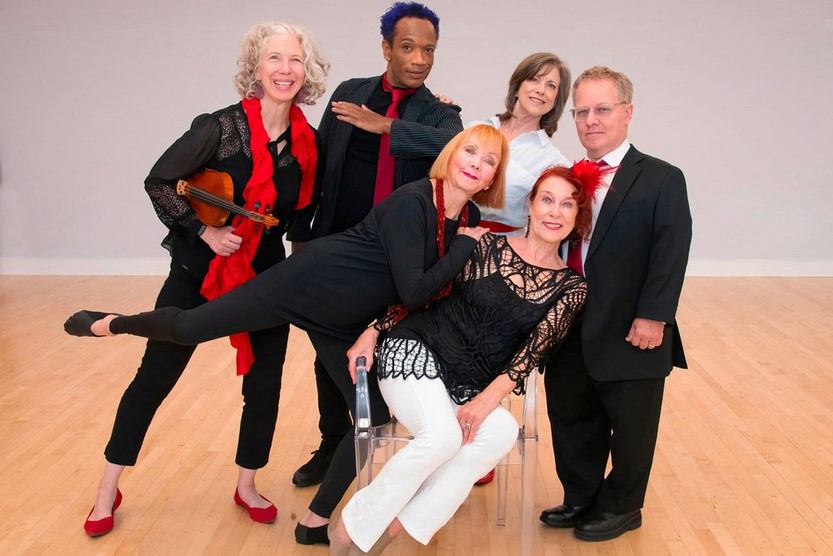
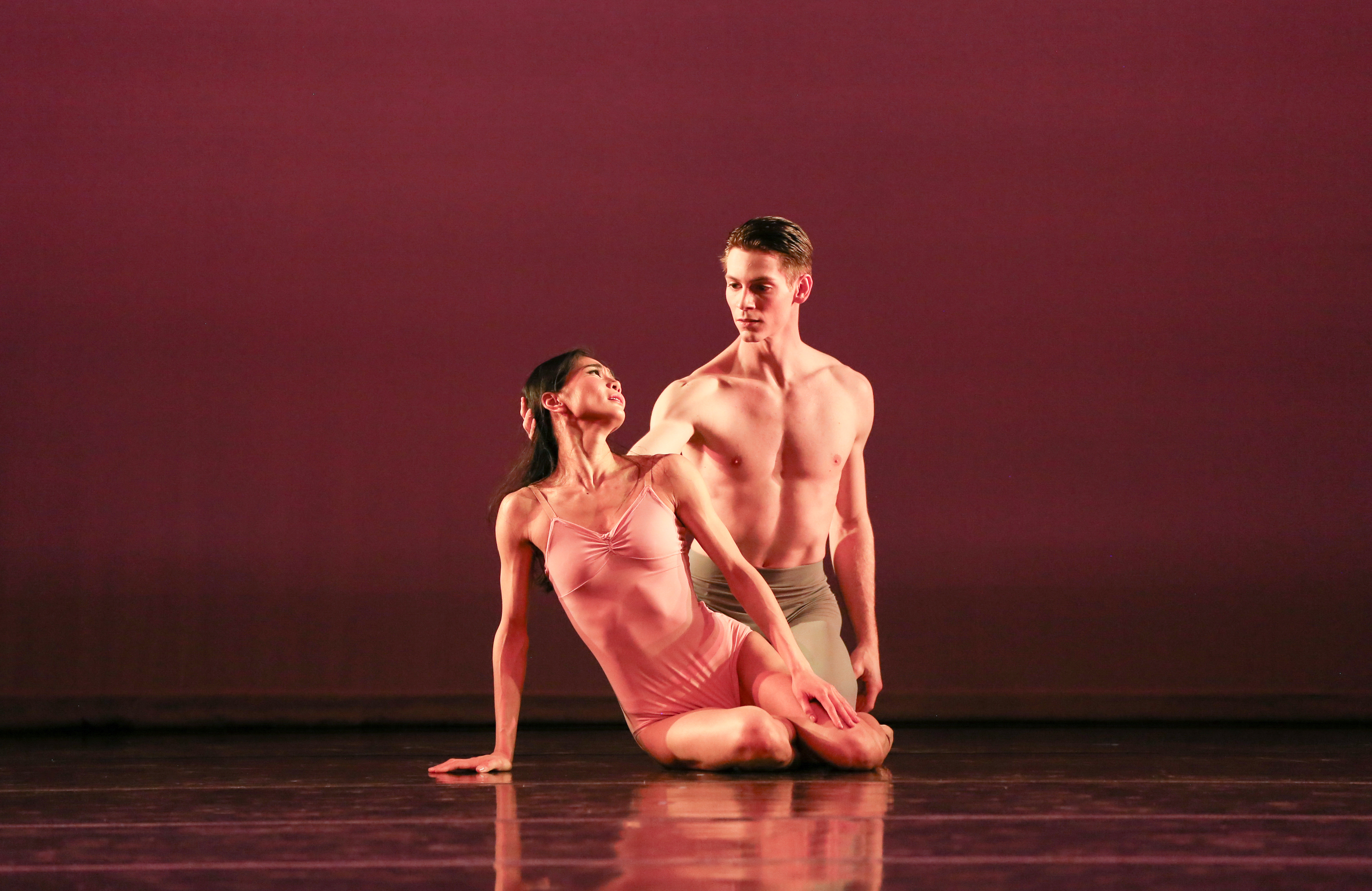
Sublime! This new work by KDance – a collaboration between choreographer Kaye Weinstein Gary, composer John Winn, and the string ensemble Trio 826 is a perfect gem combining Gary’s deliciously peculiar brand of movement exploration with spoken word – in this case, quotes about aging – and live music that speaks all the unspoken words. Ahhhh.

The trio is placed downstage right (the audience’s left) so we can really see their interactions – the violinist glances at the viola player, the cellist smiles at the violinist. The only problem is that from some seats, the musicians partially obscure the dancers. (Maybe if they sat a bit farther back, or at an angle?)

The four dancers enter dressed in wigs and hats, sweaters and shawls that indicate advanced age, but quickly toss off all the restricting accoutrements to reveal their agile, flexible, energetic, enthusiastic mature selves. Yes, this is a dance about aging, and it is done with thoughtfulness, humor, elegance, inspiration, and hope.

They cavort in folk-type dances in lines and circles. They play ball, jump lightly off the edge of the (low) stage and bow towards the musicians before making an exit – leaving the musicians to play for a lusciously long interlude. The music is contemplative, meditative, playful, stately, elegant, harmonious, and discordant. It is all the things it needs to be to tell this story. You can hear the violin talking, bubbling over at a party. You can see and hear the playfulness of the pizzicato section.

Two dancers wrap themselves in a single shawl while the other two share a sweater, each putting an arm in a sleeve. They play musical chairs with only two chairs, striking poses when they freeze. And it all ends with a nostalgic sing-along with the audience. The lyrics to John Lennon and Yoko Ono’s “Imagine” are printed on the back of the program. Coming of Age is short and sweet – like just the right amount of a tasty, rich dessert.

———-

Julinda D. Lewis is a dancer, teacher, and writer who was born in Brooklyn, NY and now lives in Eastern Henrico County. When not writing about theater, she teaches dance history at VCU and low impact dance fitness classes to seasoned movers like herself, and occasionally performs. Her most recent (ad)venture was the premiere of a solo work, The Waters of Babylon or Psalm 137 Revisited: a Post-Exodus Reflection in Movement Choreographed From Collective Memories for the debut of the Critical Race Theatre Project, right here at RTP in August 2024.

———-

COMING OF AGE

A music and dance collaboration between K Dance, John Winn, and Trio 826

TRIO 826

Susanna Klein           …………………….   Violin

Julia Bullard              …………………….   Viola

Stephanie Barrett    …………………….   Cello

DANCERS

Andrew Etheredge

Gina Maria McKenzie

Melanie Richards

Kaye Weinstein Gary

DIRECTOR/CHOREOGRAPHER …….   Kaye Weinstein Gary

Hat/Wig Consultant            ……….           Heidi Rugg

Lighting Designer                ……….           Gretta Daughtrey

Stage Manager                     ……….           Jake Buccella

Production Assistants       ……….           Todd LaBelle, Grade LaBelle, Emily Vial

Photo Credits                        ……….           Jason Collins Photography

RUN TIME

About 40 minutes; there is no intermission

PERFORMANCE SCHEDULE

Tuesday, October 8, 2024, 7:30PM

Wednesday, October 9, 2024, 7:30PM

TICKETS $10-$25

Photos by Tom Topinka

One-Time
Monthly
Yearly

Make a one-time or monthly donation to support this publication – rvart review | we publish more reviews than any other local publication and our only support comes from you, the reader.

Make a monthly donation

Make a yearly donation

Choose an amount

$5.00
$15.00
$100.00
$5.00
$15.00
$100.00
$5.00
$15.00
$100.00

Or enter a custom amount

$

Your contribution is appreciated.

Your contribution is appreciated.

Your contribution is appreciated.

DonateDonate monthlyDonate yearly
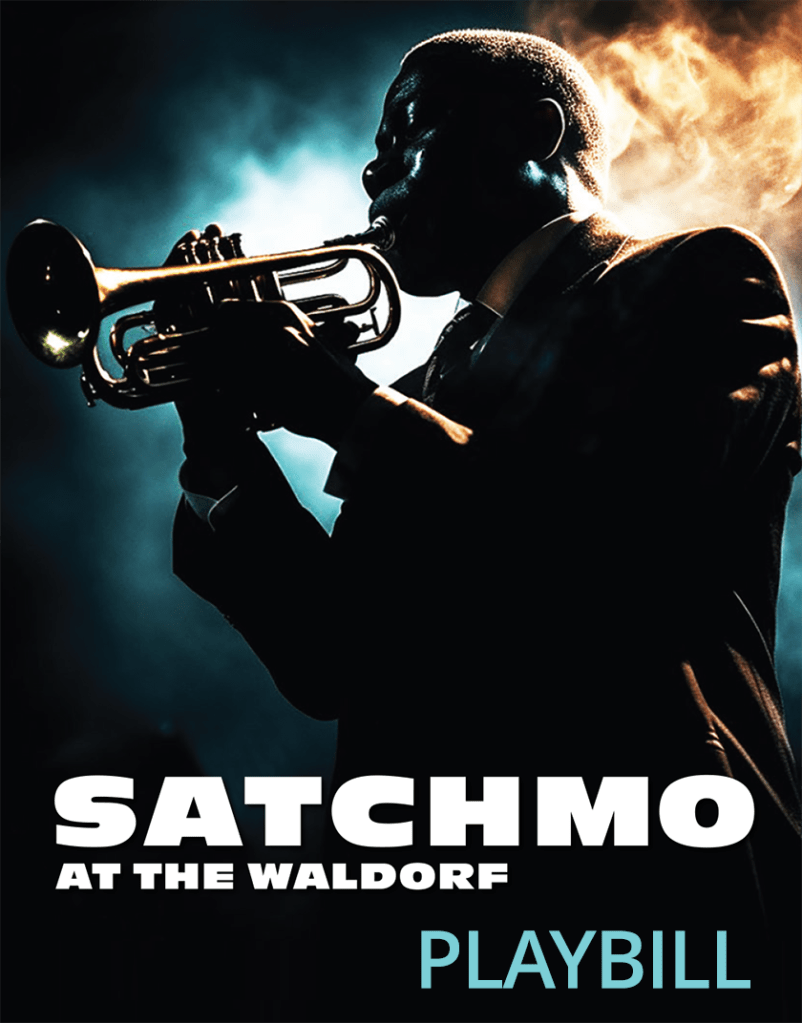
SATCHMO AT THE WALDORF

“I Smile for the People ‘Cause I Like to See Them Smiling Back”

and I Think to Myself, What a  Wonderful World*

A Theater Review by Julinda D. Lewis

By: Virginia Repertory Theatre (Virginia Rep)

At: The Sara Belle and Neil November Theatre | Marjorie Arenstein Stage

When: March 1 – April 7, 2024

Ticket Prices: $39-$59.

Info: (804) 282-2620 or www.virginiarep.org

I see trees of green
Red roses too
I see them bloom
For me and you
And I think to myself
What a wonderful world

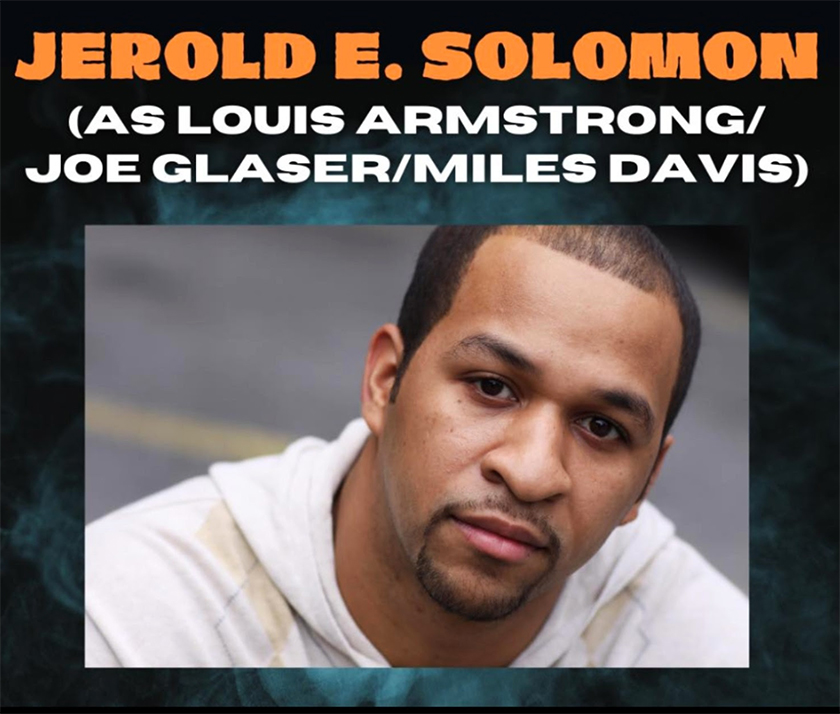
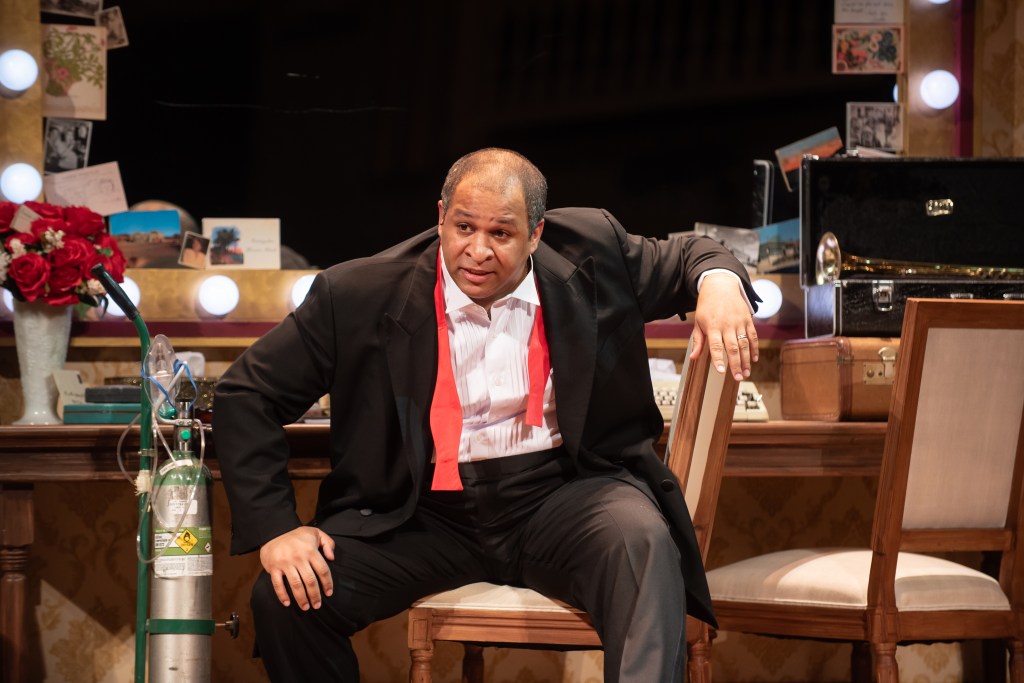
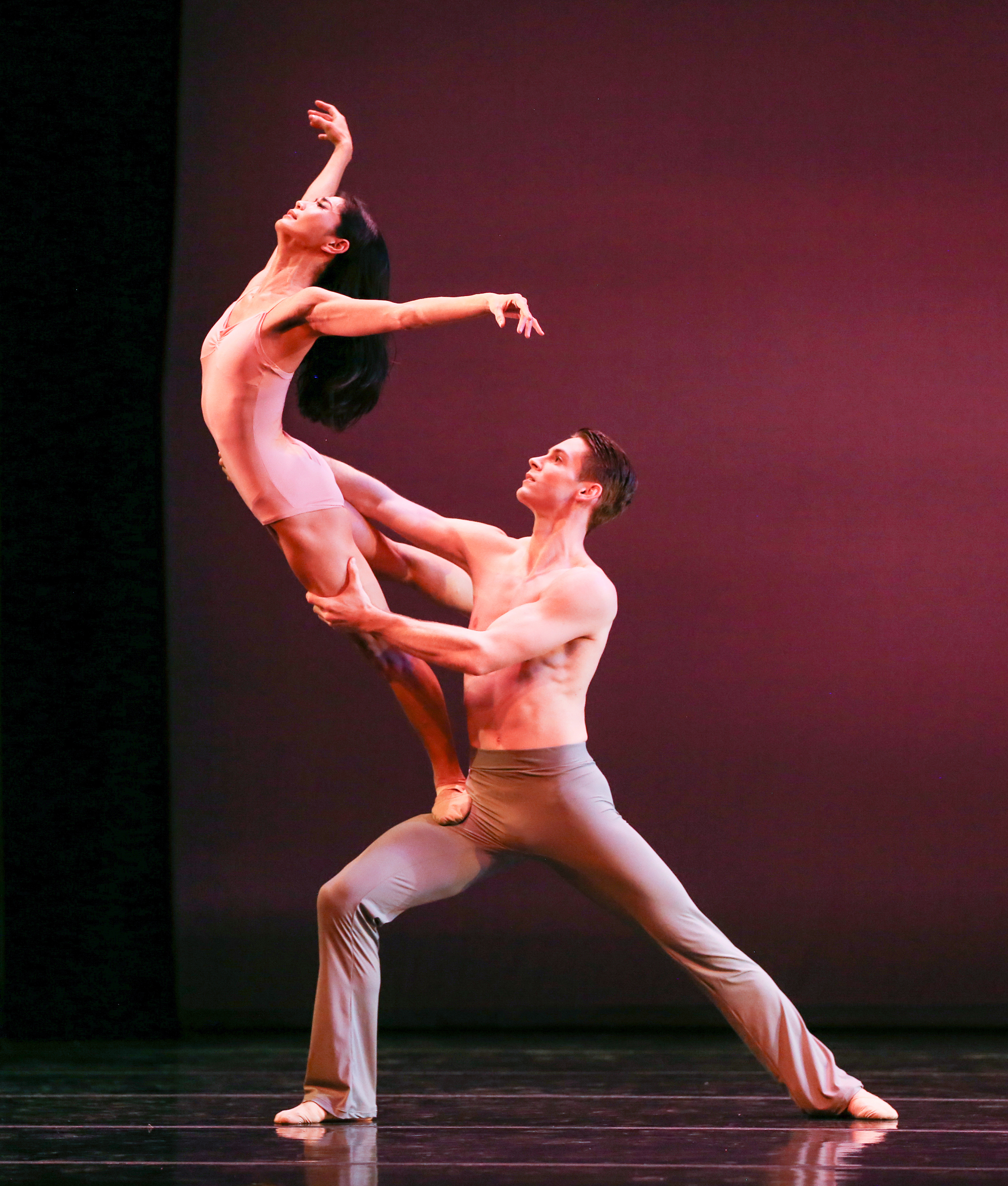
American trumpeter, vocalist, and jazz innovator Louis Armstrong died in New York City, July 6, 1971 at age 69 of a heart attack. Terry Teachout’s one-man play, SATCHMO AT THE WALDORF (2012),is a work of historical fiction set in a comfortably appointed dressing room at the Waldorf Astoria’s Empire Room a few months before Armstrong’s death. The VaRep production features Jerold E. Solomon, who catches us off-guard in the first 30 seconds of the play by (a) stumbling into the dressing room and heading straight for an oxygen tank, (b) speaking in an amazingly accurate approximation of Armstrong’s gravelly voice, and (c) immediately announcing, “I shit my pants.”

Although it is a work of fiction, SATCHMO AT THE WALDORF has so much historical truth that it is an educational experience. We learn of Armstrong’s four wives and how he finally got it right with his fourth wife, Lucille – the first dark-skinned Black woman hired by Harlem’s Cotton Club. We share the outrage when he talks about traveling in the south during the era of Jim Crow segregation when even internationally known starts like Armstrong could not stay in a hotel or eat in a restaurant. We hear about Armstrong’s long-tern symbiotic relationship with his manager, Joe Glaser, and the heartache the followed when all Glaser left him on his death – his best friend and client/business partner – was a “tip.” There was a time spent working for the notorious crime boss Al Capone. He had beef with jazz trumpeter and bandleader Dizzie Gillespie and unpleasant rivalry with the influential jazz trumpeter and bandleader Miles Davis, who called him an Uncle Tom. We learn of Armstrong’s wide-ranging and eclectic interest in multiple music genres, including classical, opera, and country.

I see skies of blue
And clouds of white
The bright blessed day
The dark sacred night
And I think to myself
What a wonderful world

Solomon arrives onstage carrying a trumpet, which he immediately places in its case. He does not attempt to play or portray trumpet playing, nor does he sing, although he does toss off a little scatting. Solomon’s depiction of Armstrong’s voice is unwavering and I kept wondering if it was painful. But wait, that’s not all. When portraying Glaser, Solomon seamlessly shifts to a stereotypical New York Jewish accent without missing a beat. The portrayals of the outspoken Davis are less outstanding – although I think the reason lies less with Solomon than with the script. For someone known to be so outspoken and independent, Davis is written as a flat, uni-dimensional.

The colors of the rainbow
So pretty in the sky
Are also on the faces
Of people going by
I see friends shaking hands
Saying, “How do you do?”
They’re really saying
I love you

Mercedes Schaum’s set is sturdy and well appointed with a makeup area, a lounge area, two carpets, a wardrobe, an offstage bathroom and all the amenities one would expect from an exclusive venue located in a five-star hotel. Joe Doran’s lighting is mostly non-descript, but occasionally reaches for some noteworthy effects. I was surprised by the short audience on a Saturday night, the second night of the run. I’m not sure if this was due to a lack of interest in the subject matter or to the political activity occurring in the nearby downtown area, or to the 7PM curtain, or the fact that this play is a one-hander (rare for a VaRep mainstage production), or a combination of factors. Granted, Louis Armstrong may not be everyone’s cup of tea, and – as I found out shortly after the show – not everyone knows that Satchmo, a contraction of Satchel Mouth, was one Armstrong’s nicknames.

I hear babies cry
I watch them grow
They’ll learn much more
Than I’ll ever know
And I think to myself
What a wonderful world
Yes, I think to myself
What a wonderful world
Ooh, yes

I, for one, thoroughly enjoyed Solomon’s performance and the impromptu history lesson of Satchmo at the Waldorf – it appealed to my artsy side and my nerdy side. What a wonderful combination.

———-

Julinda D. Lewis is a dancer, teacher, and writer who recently had both knees replaced due to a manufacturer’s recall. Born in Brooklyn, NY, she now lives in Eastern Henrico County where she can be found kicking up her heels as best she can any day of the week.

———-

SATCHMO AT THE WALDORF

Written by Terry Teachout

Directed by Rick Hammerly

Cast

Louis Armstrong/Joe Glaser/Miles Davis             ……….         Jerold E. Solomon

u/s Louis Armstrong/Joe Glaser/Miles Davis ……….       David Watkins

Direction & Design

Direction ………………………….             Rick Hammerly

Scenic Design ……………………             Mercedes Schaum

Costume Design …………………             Sue Griffin

Lighting Design …………..………            Joe Doran

Sound Design ……………………..           Jonathan Pratt

Stage Management ………….…..          Donna Warfield

Ticket Information

Box Office: (804) 282-2620

www.virginiarep.org

Tickets range from $39 – $59

Run Time

The play runs for approximately 95 minutes; there is no intermission.

Lyrics to “It’s a Wonderful World”

Source: LyricFind

Songwriters: George David Weiss & Robert Thiele

“What a Wonderful World” lyrics © BMG Rights Management, Concord Music Publishing LLC

Photo Credits: Aaron Sutten

One-Time
Monthly
Yearly

Make a donation
TO SUPPORT rvaRT rEVIEW

Make a monthly donation

Make a yearly donation

Choose an amount

$5.00
$15.00
$100.00
$5.00
$15.00
$100.00
$5.00
$15.00
$100.00

Or enter a custom amount

$

Your contribution is appreciated.

Your contribution is appreciated.

Your contribution is appreciated.

DonateDonate monthlyDonate yearly