
Family Dysfunction as Fine Art
A Theater Reflection by Julinda D Lewis
Presented by: Cadence Theatre
At: Firehouse Theatre on the Carol Piersol Stage, 1609 W Broad St., RVA 23220
Performances: September 26 – October 11, 2025
Ticket Prices: $5-$40
Info: (804) 233-4894 or (804) 355-2001 or firehousetheatre.org
Where to begin?
Eugene O’Neill’s Long Day’s Journey into Night stands out as a hauntingly authentic exploration of family bonds, dysfunction, addiction, and shadows from the past. From the very first moments, the play immerses the audience in a poignant portrayal of the Tyrone family, using the power of simplicity. Taking place over the course of a single summer day at the Tyrone family’s Connecticut summer home, O’Neill reveals the family’s struggles with personal demons and the inescapable grip of regret. He also reveals these things about his own family as the Tyrone family finds parallels in O’Neill’s own parents, himself and his older brother. Whereas most authors advise that the names do not reflect real people, O’Neill has borrowed freely from his own family tree – shifting and borrowing, but using real names, nonetheless.
Messiness aside, O’Neill’s masterful use of language and his rich character development invites viewers to immerse themselves into the complexities of love and despair, presenting a work that is simultaneously unsettling and profoundly relatable. Each character feels like a reflection of O’Neill’s own experiences – because they are. This personal history adds layers of authenticity to a narrative that is both a personal tragedy and a universal commentary on the human condition.
Long Day’s Journey into Night was written 1939-1941 but was published posthumously and first performed in February of 1956, more than two years after O’Neill’s death (October 16, 1888 – November 27, 1953). It is considered by many to be the author’s master work and earned a Tony award for Best Play and a Pulitzer Prize for Drama.
The title, though? Some believe it refers to the setting of play, taking place over the course of a single summer day. The play opens just after the Tyrone family has completed breakfast and concludes in the evening, after dinner. Others say the title refers to the literal passage of time, from morning to evening. Summer days are longer than others, as far as hours of daylight. Then, of course, there is the metaphorical meaning that says the title refers to the family’s descent into the darkness of despair. This explanation focuses on the symbolism of the family’s journey through addiction, regret, and blame, moving from a false sense of hope in the morning to a bleak, unresolved midnight. This explanation also suggests the characters’ individual and collective journeys back in time as they resurrect past hurts and relive their failures, making the day seem to stretch out in a cyclical fashion, like a vintage Groundhog Day. There is also the long day for the audience, as the play runs approximately four hours, including two ten-minute intermissions.
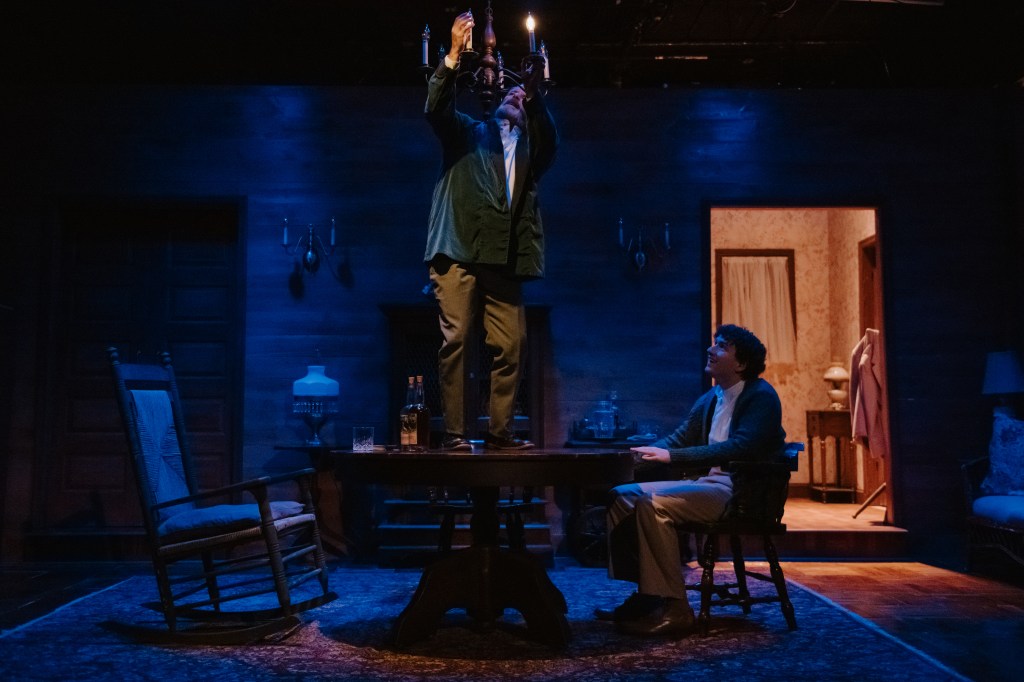
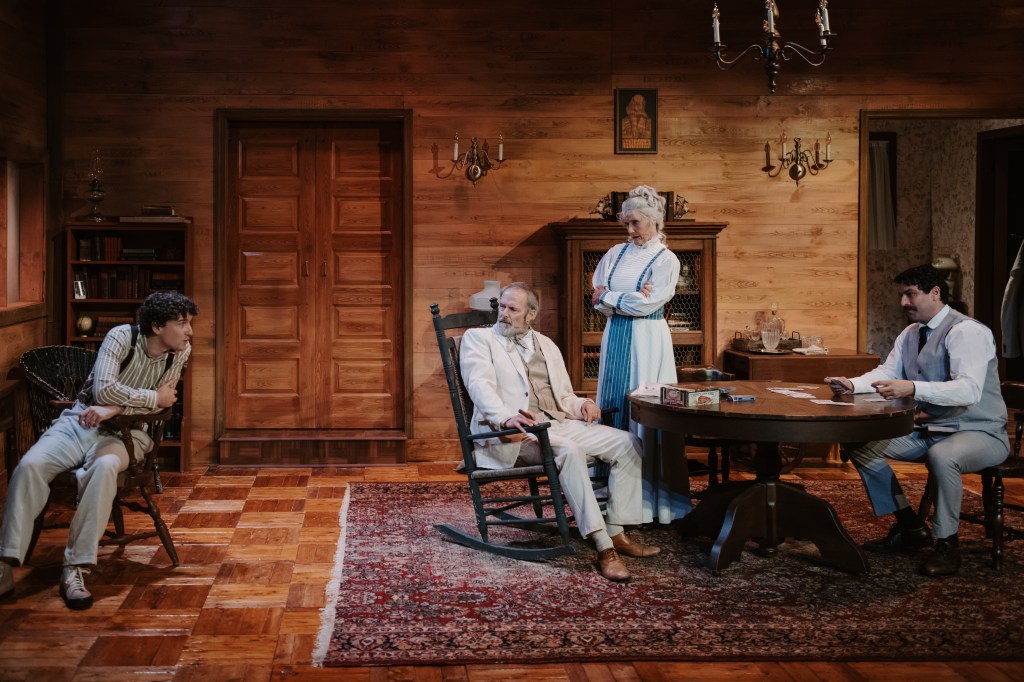
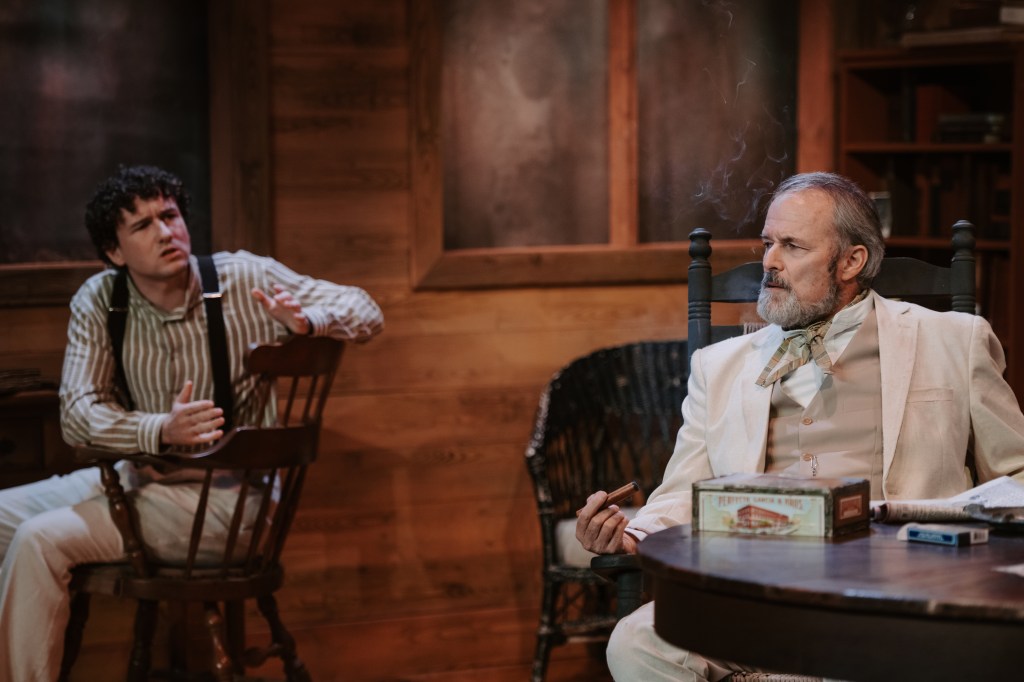
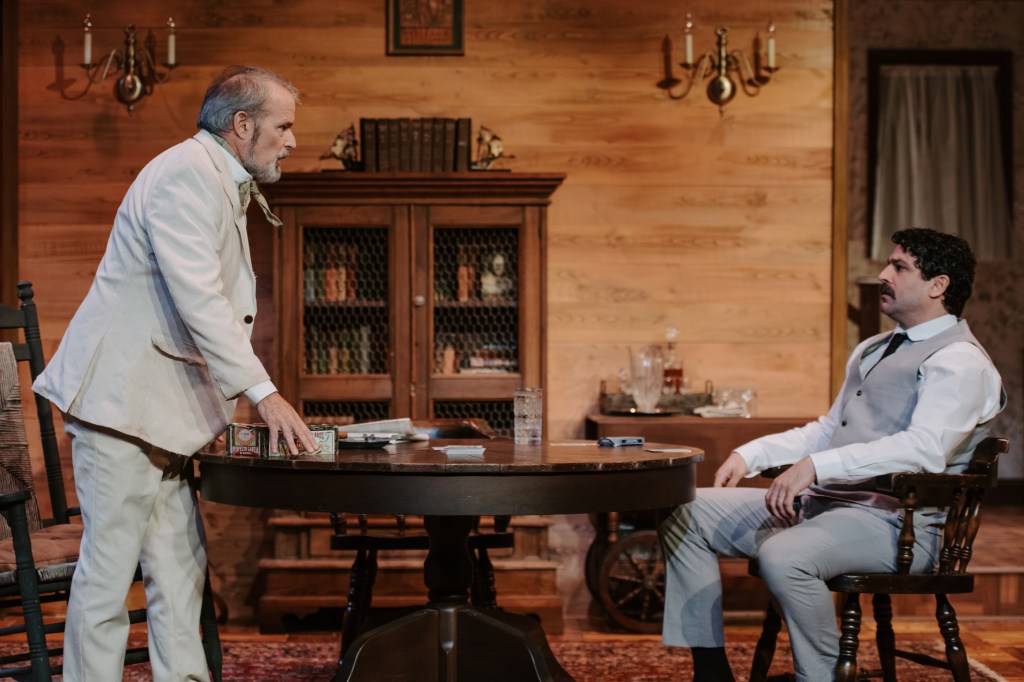
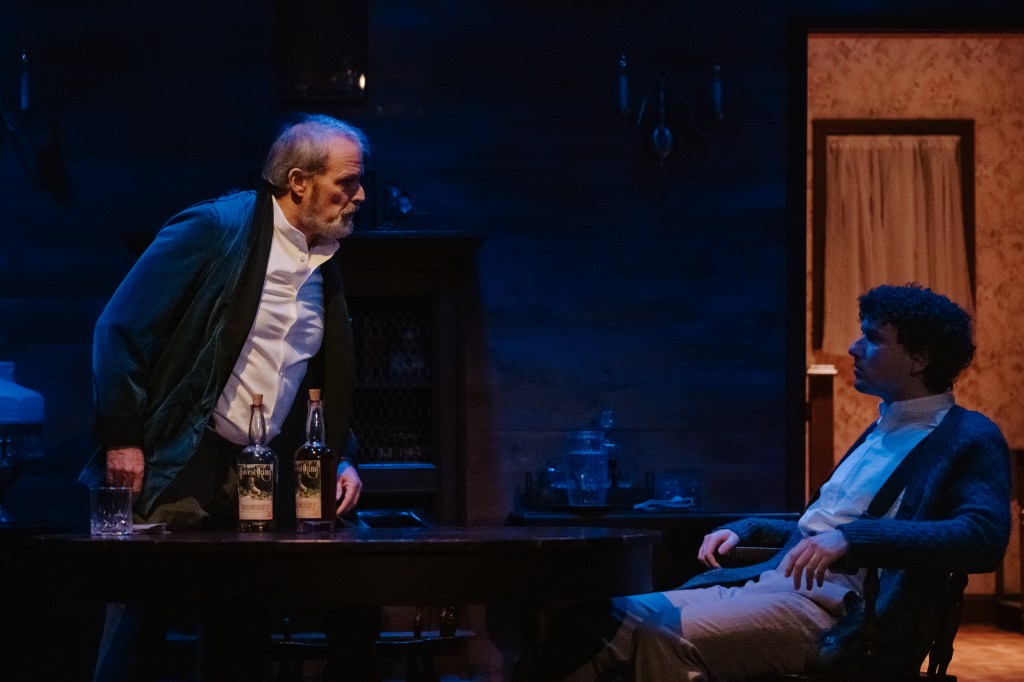
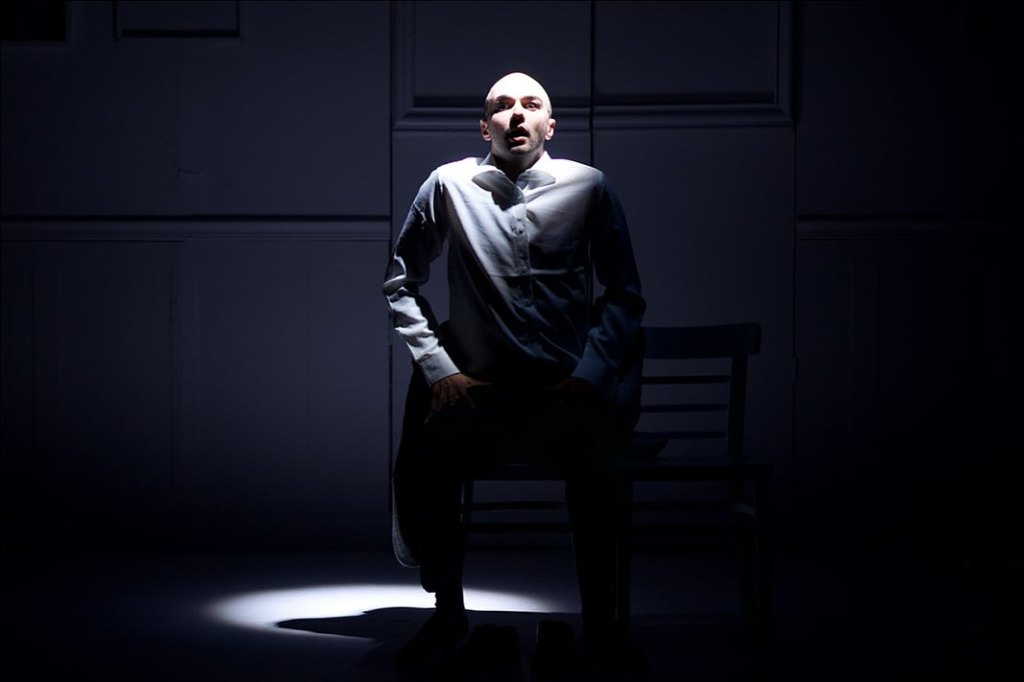
Long Day’s Journey into Night is difficult to watch – and not just because it’s long. There is the subject matter, which might be triggering for some. The father, James Tyrone, was a successful but now fading Irish-American actor who dabbles in real estate investment, drinks too much, and is somewhat of a miser. In one hilarious scene he climbs atop a table to twist on the bulbs of a chandelier because his son complained about his miserly ways. He had been sitting under the light of a single bulb to save money. (In retrospect, I wonder if he rotated the lit bulb, so they would burn out evenly…) Another humorous moment occurs when James suddenly becomes aware that his sons have been watering down his prized whiskey. Matt Radford Davies plays the domineering, frayed at the seams actor with apparent ease and reveals the positive and negative aspects of James’ personality is a way that paints him as neither all villain nor all hero. It feels as if Davies has walked in Tyrone’s/O’Neill’s’ shoes, or at least tried them on long enough to absorb their essence.
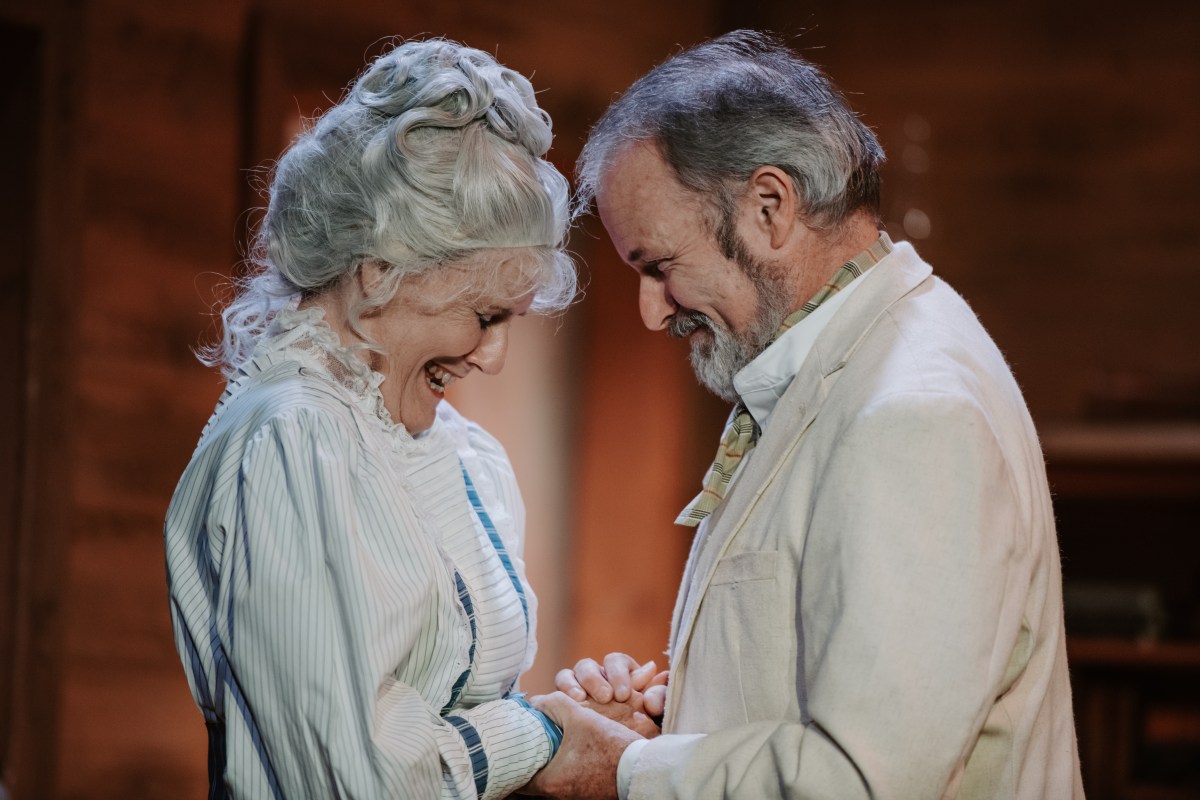
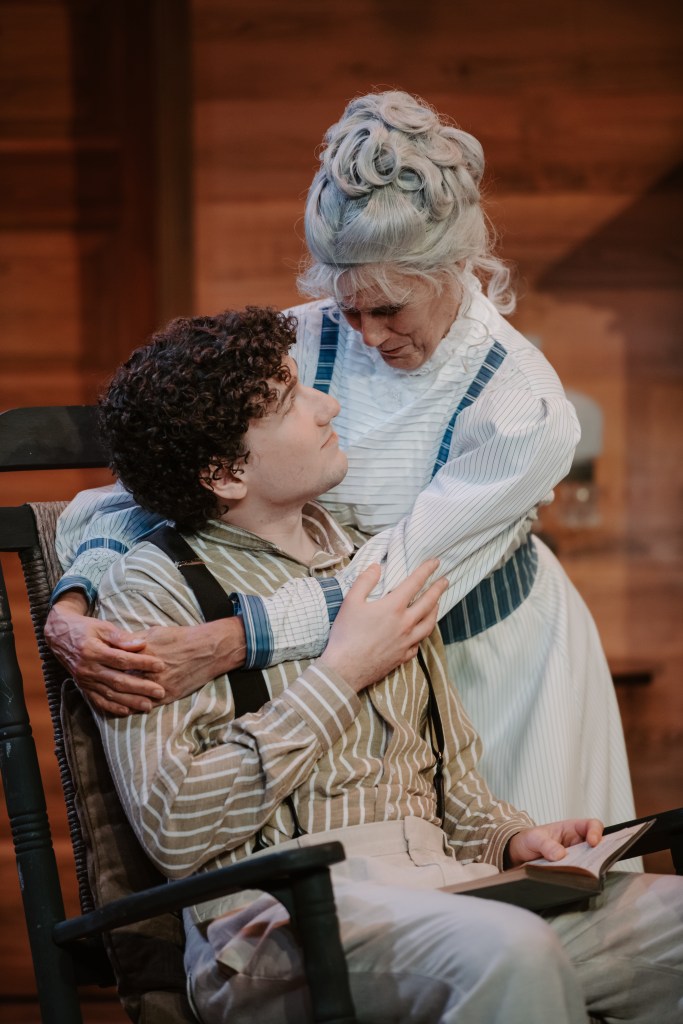
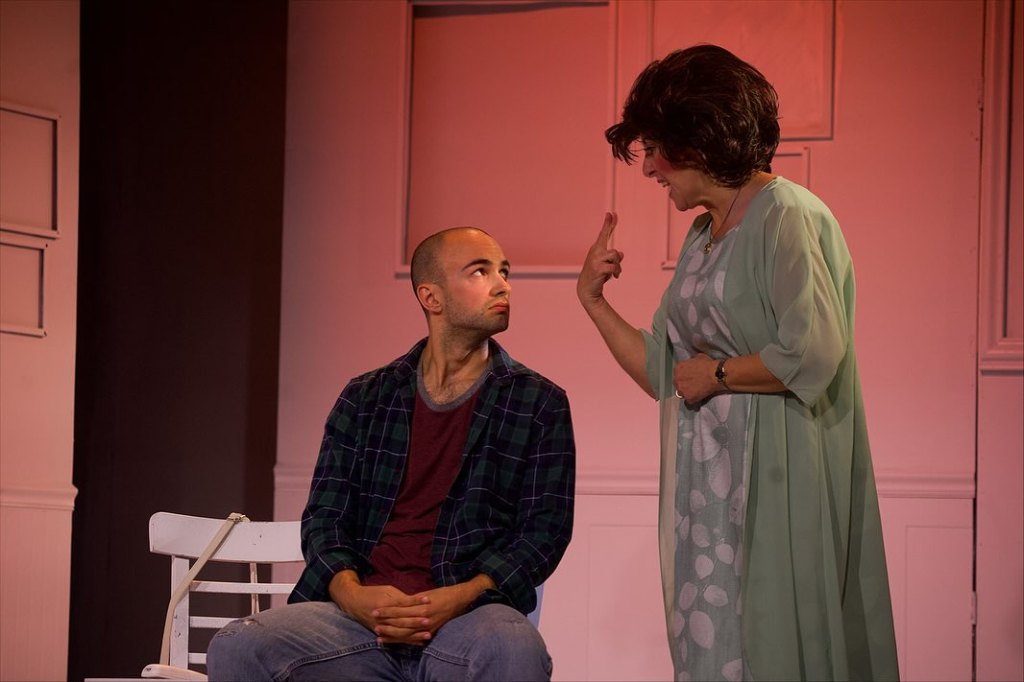
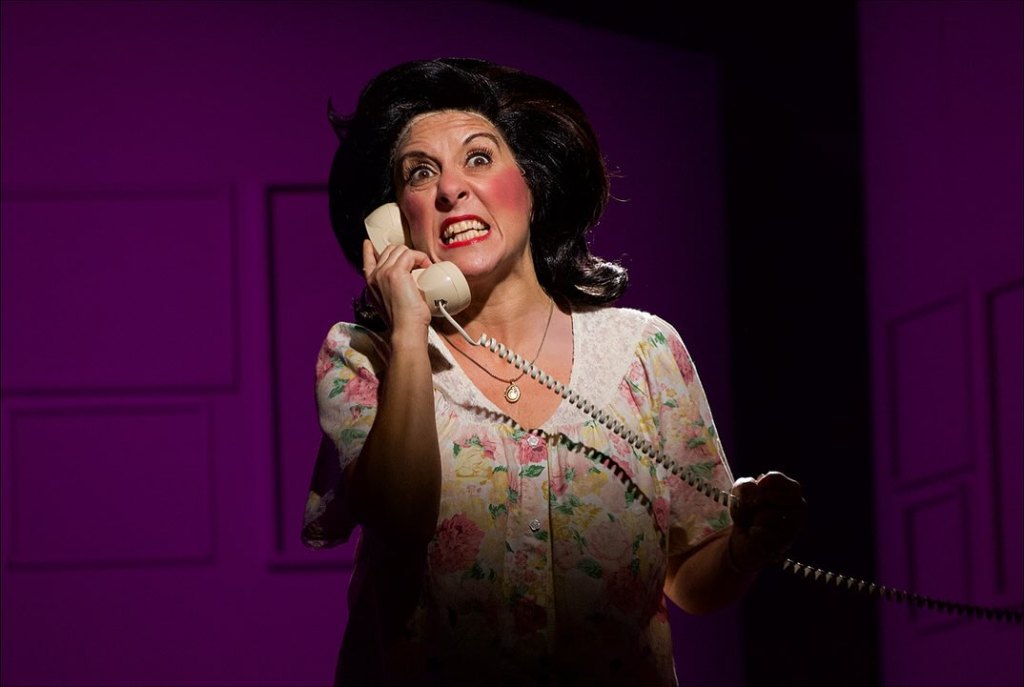
Mary, the mother, has a mysterious illness that is alluded to throughout the first act but never confirmed until about the midpoint of the play. This brings up another triggering idea – the medical negligence of women, especially pregnant women – as well as the prevalence of addiction to prescription pain killers. Yes, even in 1912, when this play was set. Robin Arthur’s erratic movements, her repetitious dialogue, her fixation with her hair, her obsessiveness in regard to her younger son, and her aggressively mysterious demeanor make sense as the source of her pain is revealed.
“I know you still love me in spite of everything.” – Mary
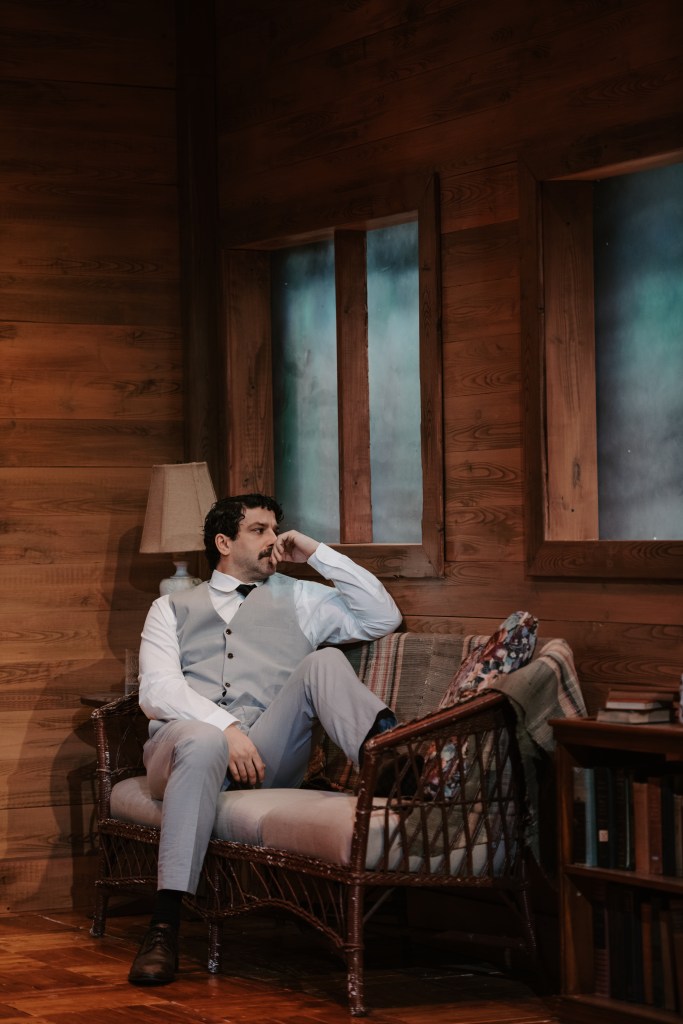
Jamie Tyrone, the elder son, is an actor, like his father. He drinks too much, like his father. But unlike his father, he lacks ambition and a sense of purpose. Axel Burtness is well cast in this role, and shines best in a scene where Jamie warns his younger brother that, as much as he loves him, he will try to sabotage him and wreck any success or happiness that may come his way.
Edmund, the younger son, has a double burden. Unknowingly, he was a replacement baby, conceived to replace a baby who died of measles that may have been intentionally passed on to him. It was this birth that triggered Mary’s constant pain and need for medication. To make matters worse, Edmund has contracted consumption – another name for tuberculosis. (It was called consumption because the illness sometimes seemed to consume the individual who had it.) This, of course, makes Mary even more depressed. Trace Coles brings just the right balance of innocence and defiance.
“Who wants to see life as it is if you can help it?” – Edmund
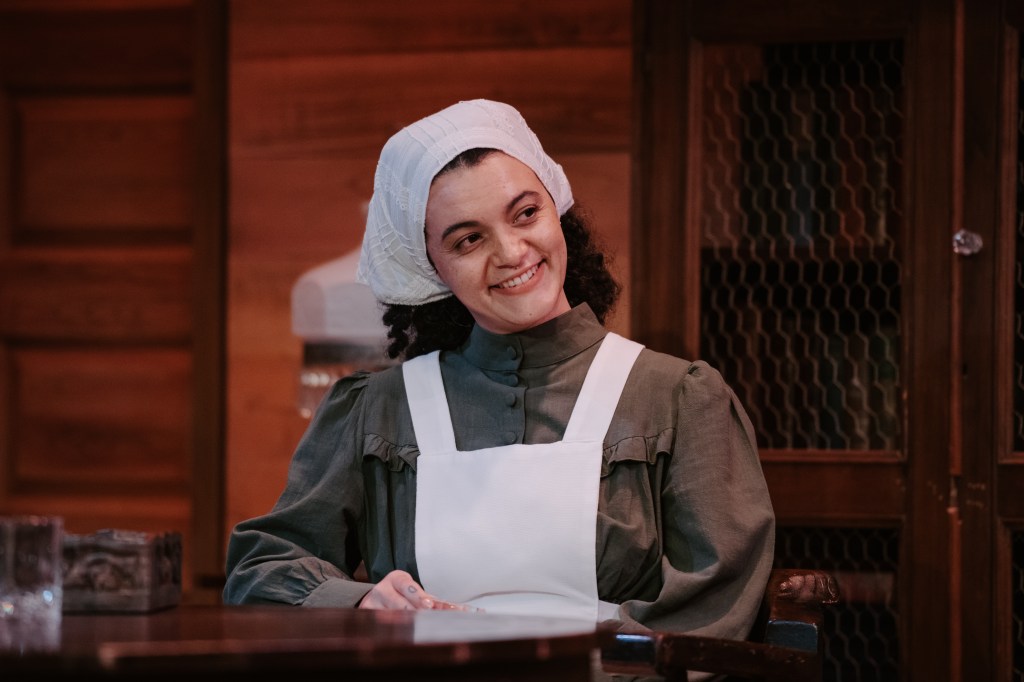
While several other characters are mentioned, no others make an appearance onstage other than Cathleen the maid. Ruby Joy Garcia’s role seemed headed in the direction of stereotypical household help, until the day Mary invites her to sit and keep her company – and have a drink. The elevates Garcia’s role (i.e., status) both literally and figuratively and brings more depth to her character. The moment when the whiskey emboldens her to talk back is a priceless gem.
Both sons, given enough to drink, are prone to spouting poetry and lines from Shakespeare – or Baudelaire, or Ernest Dowson, or Algernon Charles Swinberg.
“Be drunk with wine, with poetry, with virtue.” Charles Baudelaire
Long Day’s Journey into Night is a deeply impactful play, and like any work of art, it reveals both positive and negative aspects. On the plus side, O’Neill has given us rich, complex, multi-dimensional characters that resonate with many audience members. The play masterfully explores themes of addiction, illness, and family dysfunction. Allowing his audiences to connect with the characters on a personal level. Then there is the frequent use of beautiful and poignant poetic language. This elevates the dialogue and the overall experience. The play’s universal themes of regret, love, and the search for redemption all speak to fundamental human experiences, making it a timeless work that continues to resonate with new generations. A long with that, the infusion of O’Neill’s personal experiences adds depth and authenticity, providing a unique perspective on the struggles of addiction and family dynamics.
On the other hand, the subject matter is extraordinarily heavy. The play’s themes can be quite dark and may make the play emotionally challenging for some viewers, particularly those who have experienced similar issues in their own lives. Then there is the matter of the four-hour runtime and a slower pace may not engage all audiences, potentially making the play feel lengthy, especially for those unfamiliar with dramatic theater. I would not bring someone to see this play as their introduction to live theater.
Finally, the overall atmosphere of the play is often somber, which may leave some viewers feeling overwhelmed or despondent rather than uplifted. The intricate exploration of relationships and personal struggles requires careful attention and may lead to reflection or revelations, which could be challenging for some audience members – and perhaps to the actors as well. While it’s a vital aspect of the narrative, the portrayal of addiction might be unsettling for some, as it reflects painful realities that all too many face in reality.
So, while Long Day’s Journey into Night is a masterful exploration of complex themes and relationships, that is beautifully acted and well directed by Rusty Wilson, it also presents its audience with challenges due to its heavy emotional weight and slow pacing – and it’s not that the pace is too slow, the pacing is an accurate depiction of real time, a time, perhaps, when people were not as rushed because they didn’t have or expect near instantaneous results to their queries and problems as we have come to expect due to technology.
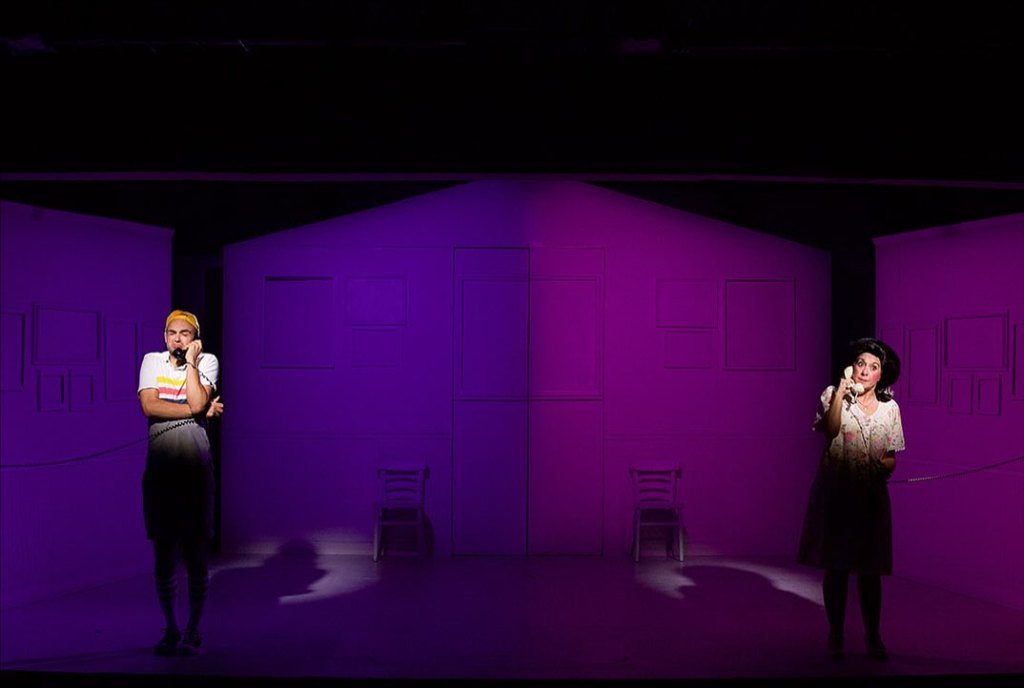
Long play, long reflection. Bottom line, if you’ve never seen it, put it on your bucket list. I’m a theater nerd, a theater junkie, so I was excited to take in the author’s language, Daniel Allen’s shabby-genteel set, and Nancy Coles’ period costumes. But on the other hand, I did not tell my husband ahead of time exactly how long it was going to be…
—–
Julinda D. Lewis is a dancer, teacher, and writer who was born in Brooklyn, NY and now lives in Eastern Henrico County. When not writing about theater, she teaches dance history at VCU and low impact dance fitness classes to seasoned movers like herself and occasionally performs. Julinda was recently awarded the Dean’s Distinguished Adjunct Faculty Award 2023-24 Academic Year by VCU School of the Arts and the 2025 Pioneer Award in Dance Ministry by Transformation International Worship Ministries, Newport News, VA.
—–
LONG DAY’S JOURNEY INTO NIGHT
Written by Eugene O’Neill
Directed by Rusty Wilson
CAST
James Tyrone – Matt Radford Davies
Mary Cavan Tyrone – Robin Arthur
Jamie Tyrone – Axle Burtness
Edmund Tyrone – Trace Coles
Cathleen – Ruby Joy Garcia
PRODUCTION TEAM & CREW
Director – Rusty Wilson
Stage Manager – Joshua Kreis McTiernan
Assistant Stage Manager – Natalie Masaitis
Scenic Designer – Daniel Allen
Scenic Painter – Emily Hake Massie
Costume Designer – Nancy Coles
Lighting Designer – Steve Koehler
Sound Designer – Justice Craig
Sound Associate – Julie Vo
Fight Director – Aaron Orensky
Dialect Coach – Erica Hughes
Dramaturg – Alana Wiljanen
Set Decorator – Michael Maddix
Composer/Musician – Daniel Clarke
Director of Production – Todd LaBelle
Technical Director – Emily Vial
A/V Supervisor – Grace LaBelle
Running Crew – Terra Comer, Natalie Masaitis
Production Assistant – Terra Comer
Board Operator – Joshua Kreis McTiernan
Performance Schedule: Thursdays, Fridays, Saturdays @7:00PM and Sundays @2:00PM
Run Time: 4 hours with two10-minute intermissions
Setting: A summer day in August 1912 at the Tyrone family summer home in Connecticut.
Premiere: The play officially premiered at the Royal Dramatic Theatre in Stockholm, Sweden, February 10, 1956. O’Neill had wanted it to remain unpublished for 25 years after his death, but his widow overrode his wishes. The play opened on Broadway at the Helen Hayes Theatre on November 7, 1956.
Photos: Jason Collins Photography,Courtesy of Anna Senechal Johnson
Make a one-time, Monthly, or annual donation to support Julinda & RVART Review
Make a monthly donation
Make a yearly donation
Choose an amount
Or enter a custom amount
Your contribution no matter how small or how large is appreciated. Thank you.
Your contribution is appreciated.
Your contribution is appreciated.
DonateDonate monthlyDonate yearly

 RVArt Review