
Ballet Celebrates First Program on the New VMFA Stage
A Dance Review
Performance By: The Richmond Ballet
At: Virginia Museum of Fine Arts, Leslie Cheek Theater, Richmond Ballet Stage, 200 N. Arthur Ashe Boulevard, RVA 23220
Performance Dates: March 20-30, 2025
Ticket Prices: $25 – $85 ($85 – $125 on opening night)
Info: (804) 344-0906, etix.com, or richmondballet.com
THE PROGRAM
PENTAPTYCH
Choreography by Ma Cong
Music by Ryan Lott
Costume Design by Emma Kingsbury
Lighting Design by Les Dickert
Visual Artist: Eric Sall
World Premiere: September 14, 2018, Tulsa Ballet, Tulsa Ballet’s Studio K Theatre, Tulsa, OK. Richmond Ballet Premiere: March 20, 2025, Leslie Cheek Theater, Virginia Museum of Fine Arts, Richmond, VA
AFTER THE RAIN Pas de Deux
Choreography by Christopher Wheeldon, OBE
Music by Arvo Pärt
Staged by Jason Fowler and Craig Hall
Costume Design by Holly Hynes
Lighting Design by Les Dickert after Original Design by Mark Stanley
Pianist: Dr. Douglas-Jayd Burn
Violinist: Karen Johnson
World Premiere: January 22, 2005, New York City Ballet, New York State Theater, New York, NY. Richmond Ballet Premiere: March 20, 2025, Leslie Cheek Theater, Virginia Museum of Fine Arts, Richmond, VA
LAMBARENA
Choreography by Val Caniparoli
Music by Johann Sebastian Bach and traditional African (as arranged by Pierre Akendengué and Hughes de Courson)
African Dance Consultants: Dr. Zakarya Diouf, Naomi Johnson-Diouf, Ibrahima O. Diouf
Scenic and Costume Design by Lisa J. Pinkham, Recreated by Les Dickert
Staged by Maiqui Manosa
World Premiere: March 28, 1995, San Francisco Ballet, War Memorial Opera House, San Francisco, CA. Richmond Ballet Premiere: March 20, 2025, Leslie Cheek Theater, Virginia Museum of Fine Arts, Richmond, VA
—–
In celebration of the very first performance of the Richmond Ballet’s new Moving Art series – replacing the long-time, popular Studio Series – current Artistic Director Ma Cong, Founding Artistic Director Stoner Winslett, and VMFA Director and CEO Alex Nyerges shared the stage on Thursday evening, March 20, for an enthusiastic pre-show welcome. There was a full house for this gala event, and all performances of the March 20-30 program were already sold out.
Moving Art One marks the return of the Richmond Ballet to the VMFA after last performing there in the 1990s and the first major renovation of the Leslie Cheek Theater stage since it was built some 70 years ago. The renovations include widening the stage to better accommodate ballet, new lighting for the house and the stage, and upgraded A-V equipment. A press release indicates that the performers’ dressing rooms and restrooms and the green room have also been upgraded. The theater seats 472 audience members, and the seating has reportedly been refurbished but in my opinion the seats are still a bit too tight and would probably not be comfortable for all audience members, and the raking does not allow for an unobstructed view if you are vertically challenged, or if a tall person sits in front of you. But that’s just my two cents.
As with the Studio Series performances, the Moving Art series consists of a program of three works and features both classical and contemporary ballets produced in an intimate setting (as compared to, say, the 1,800-seat Carpenter Theatre where large works such as The Nutcracker Ballet or Cinderella are performed).
Moving Art One opened with the world premiere of Ma Cong’s Pentaptych (def., a work of art consisting of five panels or sections). There is a live artist onstage, Eric Sall, who interacts with the dancers and creates a large, colorful abstract painting. The bold brushstrokes are a stark contrast to the black, white, and gray costumes worn by the dancers – except for one dancer whose costume appears to be a part of or an inspiration for the painting. The ballet is of the contemporary genre, and the dancers’ monochrome costumes, paired with the abstract, ethereal, and sometimes athletic stretching motions and the original score by Ryan Lott, for a moment I had a flashback of sitting in Merce Cunningham’s Westbeth studio in Manhattan’s artists’ community, watching his company perform. (For those not familiar with Cunningham’s work – this is a positive comparison, and you should look him up!) The finished painting, by the way, is available for purchase via an online auction. The proceeds are to benefit the Richmond Ballet.
The classical portion of the program was provided by Eri Nishihara and Jack Miller, performing the pas de deux from Christopher Wheeldon’s After the Rain. Commissioned for a New York City Ballet program in honor of George Balanchine’s birthday, the ballet is in two parts. The first part is a dance for three couples, and the second part, the pas de deux, is often performed separately, as it was here on the new Richmond Ballet Stage. The dance is set to music by Arvo Pärt, played live by Dr. Douglas-Jayd Burn and Karen Johnson, and is notable for placing the ballerina in flat shoes instead of en pointe.
It is a stunningly beautiful and tender ballet in which the male dancer, Miller, sometimes lifts his partner is the most unexpected ways – for example, frozen into a position that I can only describe rather awkwardly as table-like. Another moment, Nishihara gently caresses her partner’s face while he stands strong and unmoving, or she perches delicately on his extended thigh. Burn’s piano and Johnson’s violin emit gentle, almost ambient sounds, like, yes, like raindrops. The piece ends with a silent embrace and the partners gently melt into one another.
Val Caniparoli’s Lambarena is much more difficult to write about, not because it was not beautifully performed, but because I am not sure what to think of it. Colorful, energetic, and fun, the work is performed to a rather unique blend of music by Johann Sebastian Bach and traditional African (what part of Africa?) music arranged by Pierre Akendengué and Hughes de Courson.
Performed by the full company, the work serves as a showcase for dancer Naomi Robinson who leads the women in leaping lightly like gazelles over the savanna. (This brought back another memory, that of seeing a herd of gazelles dashing through the grasslands of Kenya.) In a later section, they held their arms back and arched, reminding me of ostriches – and the beautiful solo Awassa Astrige created by Asadata Dafora (1932). The men, at times, reminded me of giraffes – also common to Kenya and other parts of East Africa. There was lots of light footwork and hip action unlike anything one usually sees in a traditional ballet. Sometimes I heard strains of a stringed instrument that reminded me of a berimbau – a one-stringed instrument I’m familiar with from Brazilian dance and capoeira (a Brazilian martial art/dance). I believe the berimbau originated in Angola, in southwestern Africa. The music also incorporated choral sections and clapping.
Overall, the work is sassy and joyous, and performed with extraordinary energy. My dilemma, perhaps, comes from recent discussions I have been having with my dance history students at VCU, where we have been mulling over the differences between cultural appreciation and cultural appropriation. The program lists African Dance Consultants – Dr. Zakarya Diouf, Naomi Johnson-Diouf, and Ibrahima O. Diouf – and the company hosted a Community Dance Class with local dance organization Ezibu Muntu on March 16, shortly before the opening of the Moving Art One program.
Still, I felt a certain uneasiness as I watched – and enjoyed – Lambarena, and watched others enjoying it, too. I appreciated it, but there does seem to be more than a little cultural appropriation – context? accreditation? intent? Acknowledgement – beyond the generic designation of “African” – or at least an appearance thereof. I need to look more deeply into Caniparoli’s inspiration and motivation before making a final decision on this work.
In the meantime, while I’m rummaging around in the stack of dance history, if you can’t get to see Moving Art One, there will be a Moving Art Two, running from May 8 – 18. That program will include Joshua L. Peugh’s Slump, a ballet about modern courtship, Stoner Winslett’s Echoing Past (set to a score by Fanny Mendelssohn-Hensel), and Yury Yanowsky’s newly completed Fading Creatures, a work-in-progress he introduced at Richmond Ballet’s 2023 New Works Festival. It draws inspiration from the melting clocks of Salvador Dalí’s popular painting The Persistence of Memory.
—–
Julinda D. Lewis is a dancer, teacher, and writer who was born in Brooklyn, NY and now lives in Eastern Henrico County. When not writing about theater and dance, she teaches dance history at VCU and low impact dance fitness classes to seasoned movers like herself and occasionally performs.
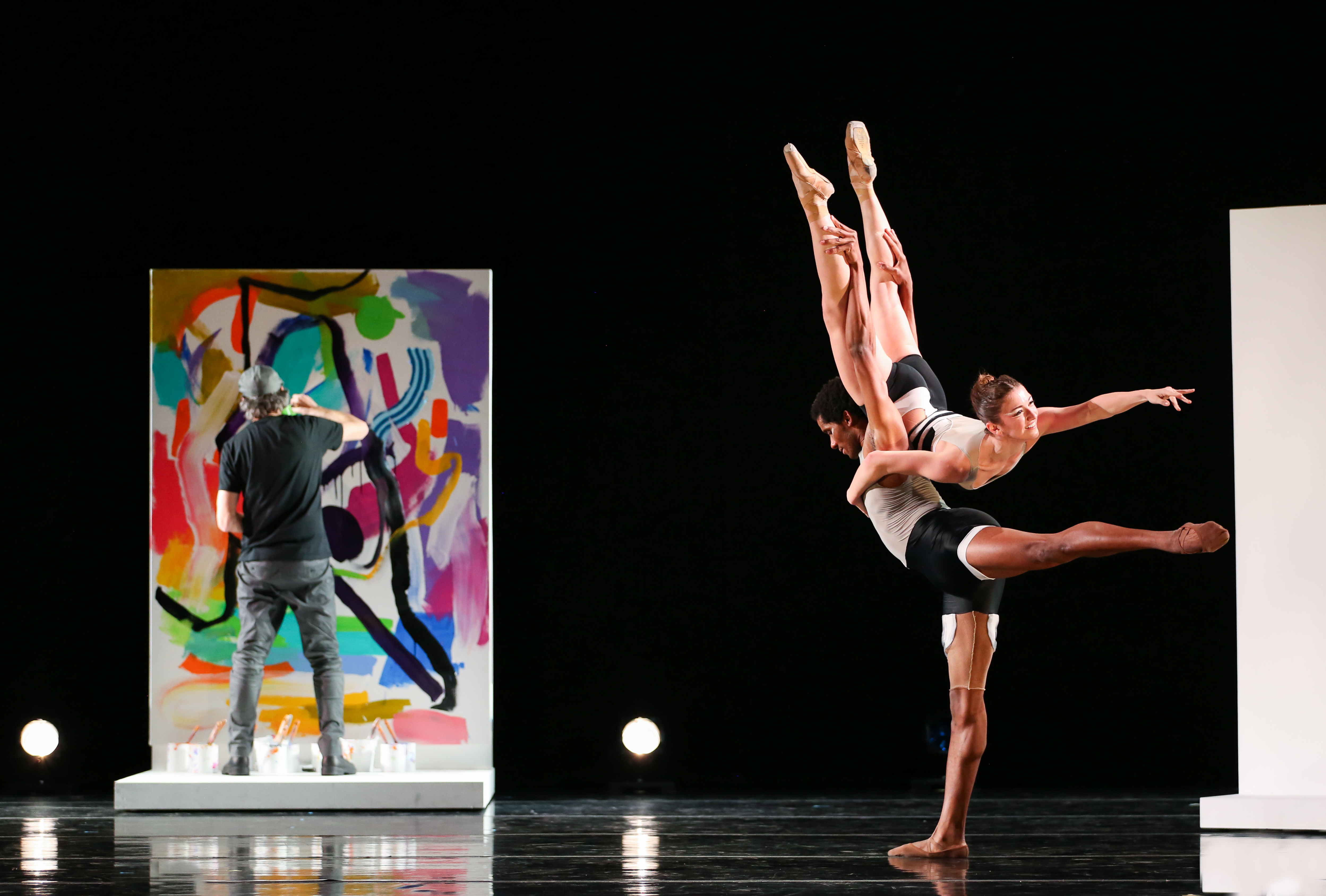
Richmond Ballet dancers in Pentapych by Ma Cong. Photo by Sarah Ferguson. 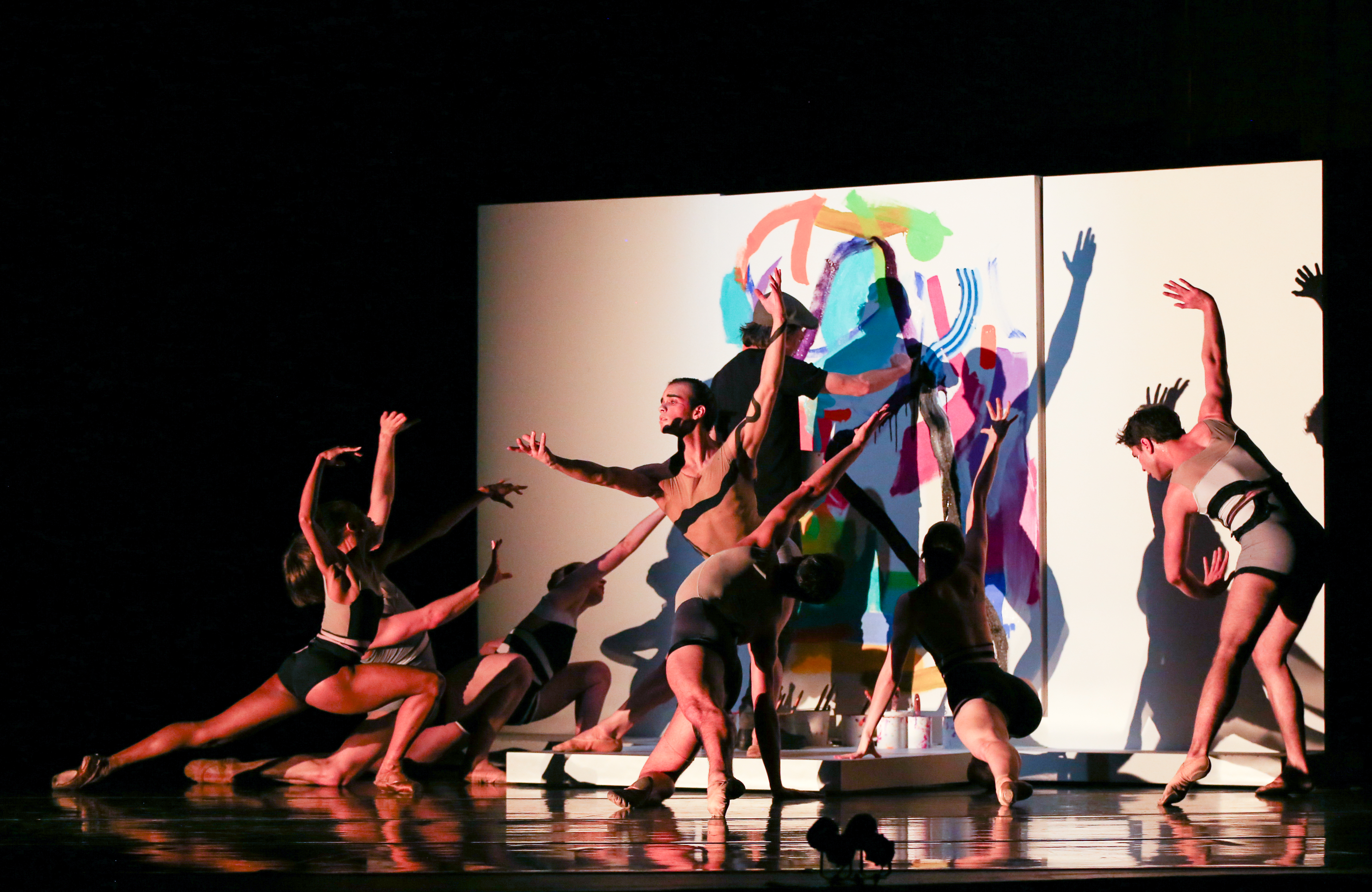
Richmond Ballet dancers in Pentaptych by Ma Cong. Photo by Sarah Ferguson. 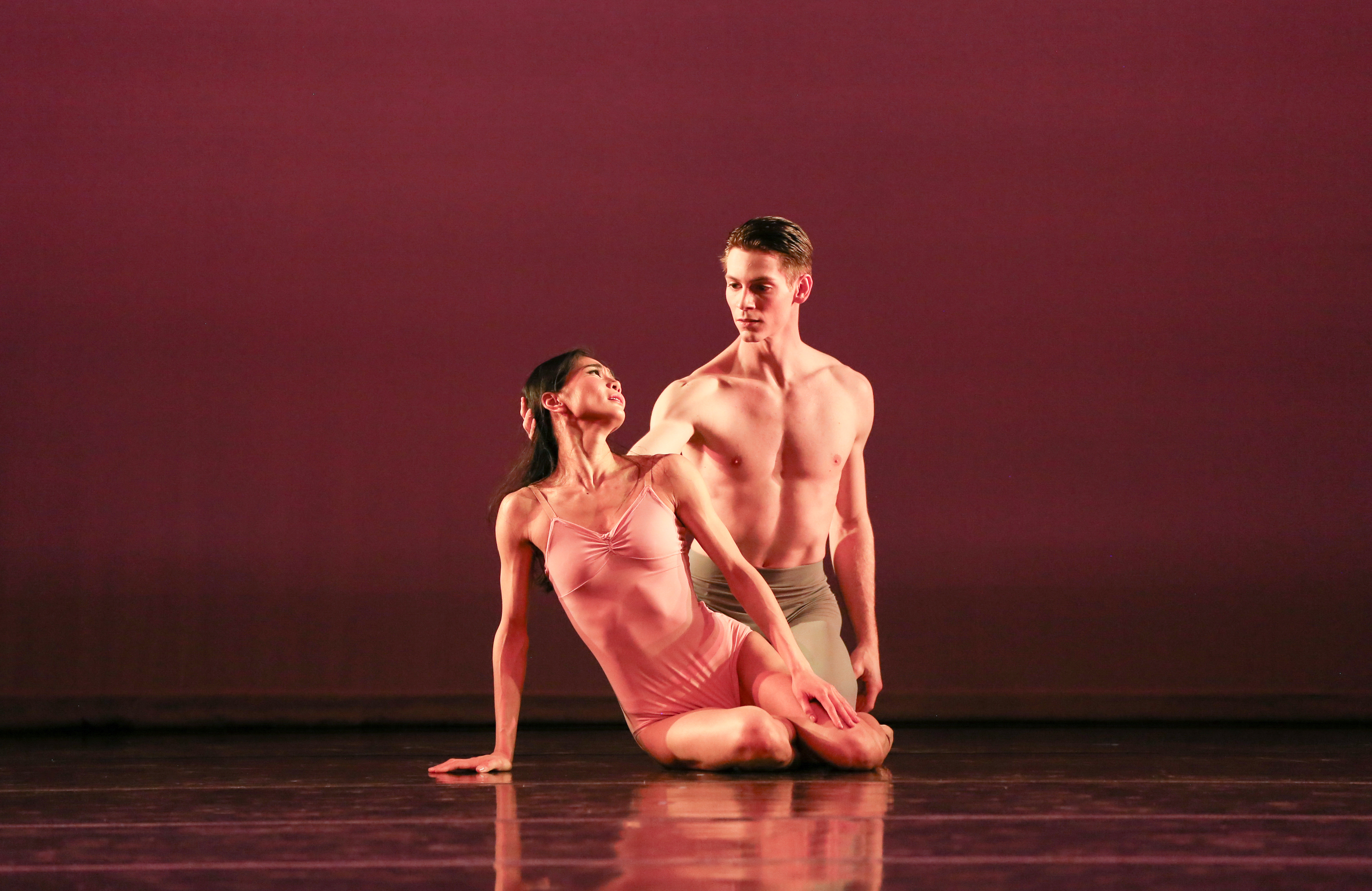
Eri Nishihara and Jack Miller in the pas de deux from After the Rain by Christopher Wheeldon. Photo by Sarah Ferguson. 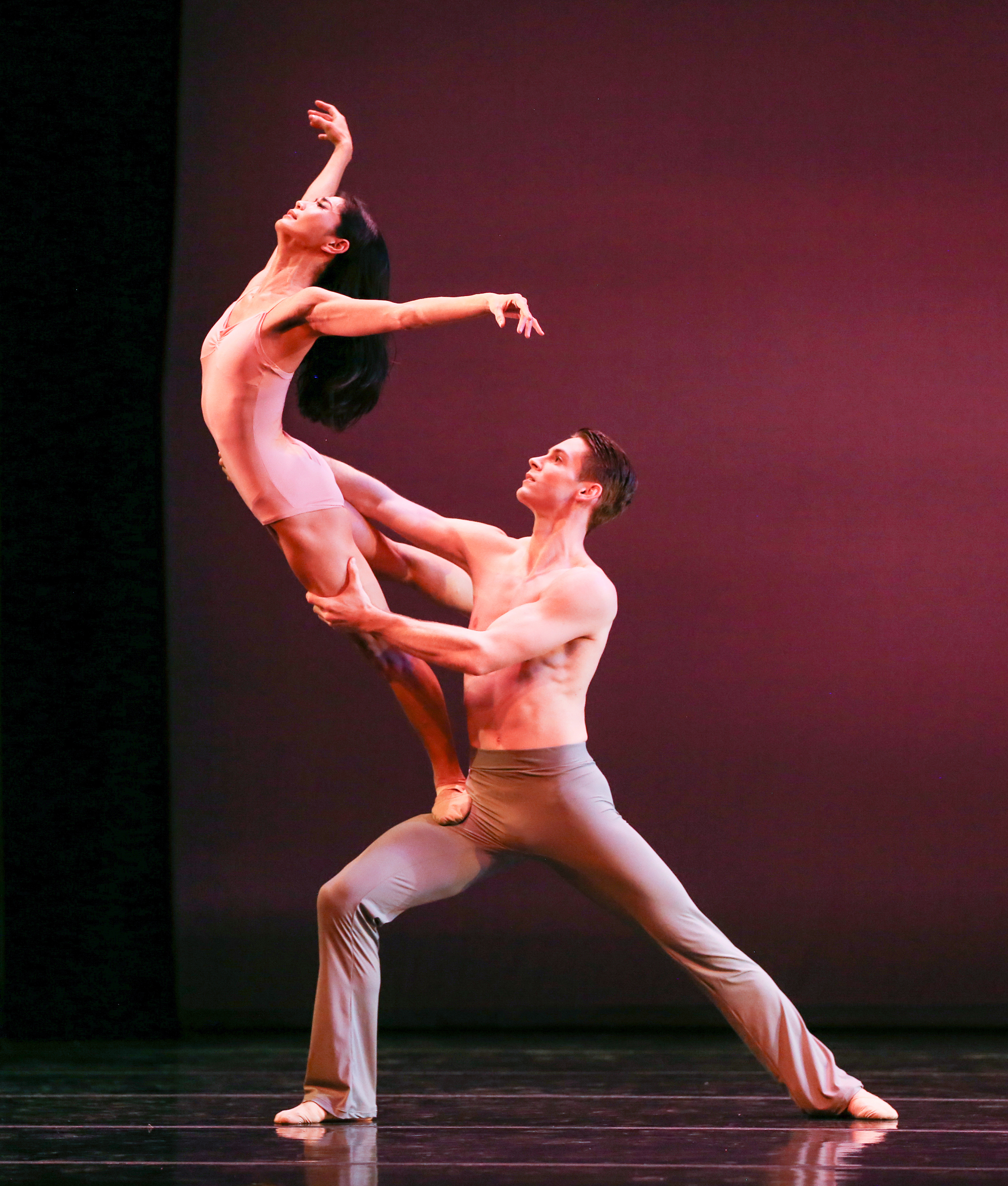
Eri Nishihara and Jack Miller in the pas de deux from After the Rain by Christopher Wheeldon. Photo by Sarah Ferguson. 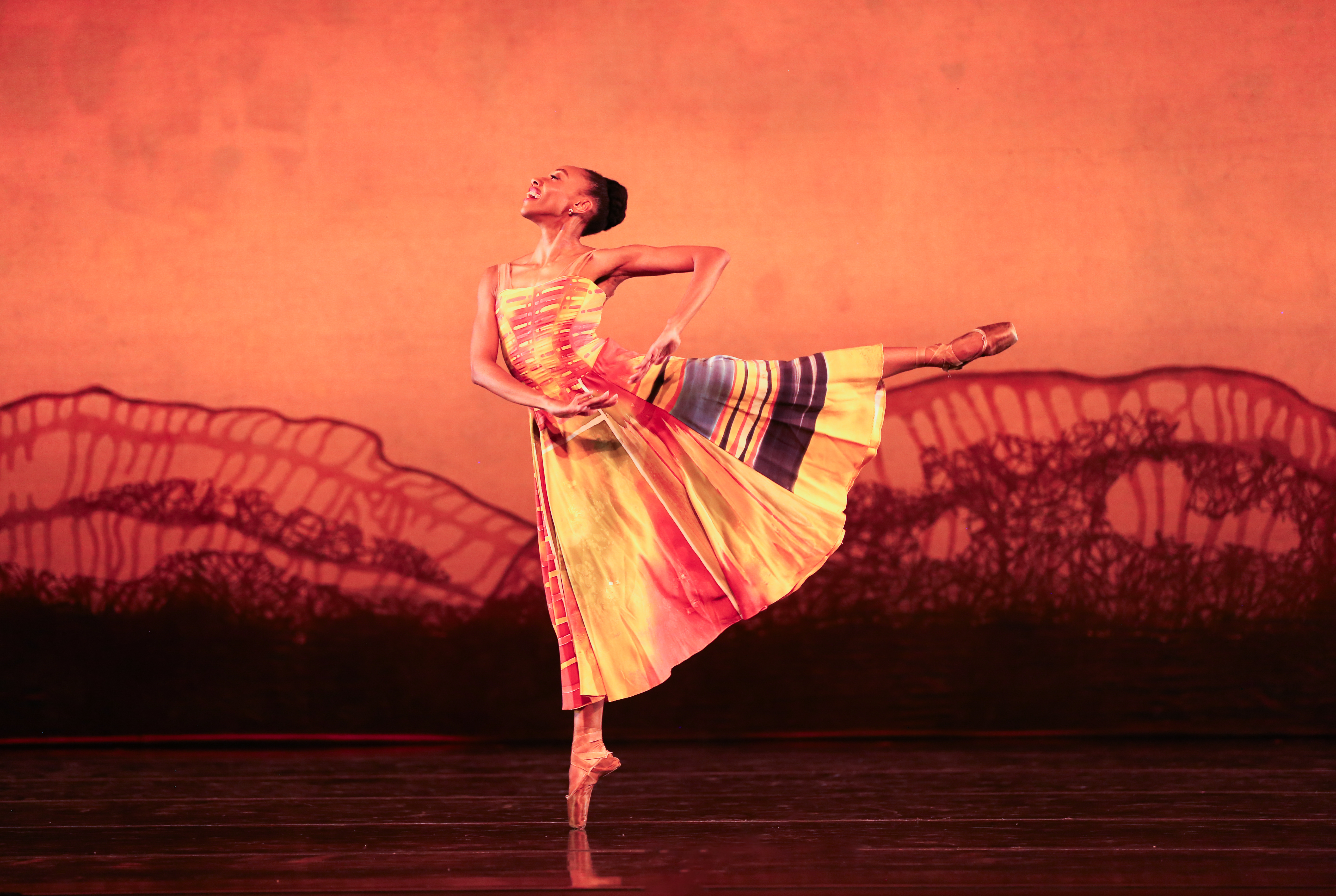
Naomi Robinson in Lambarena by Val Caniparoli. Photo by Sarah Ferguson. 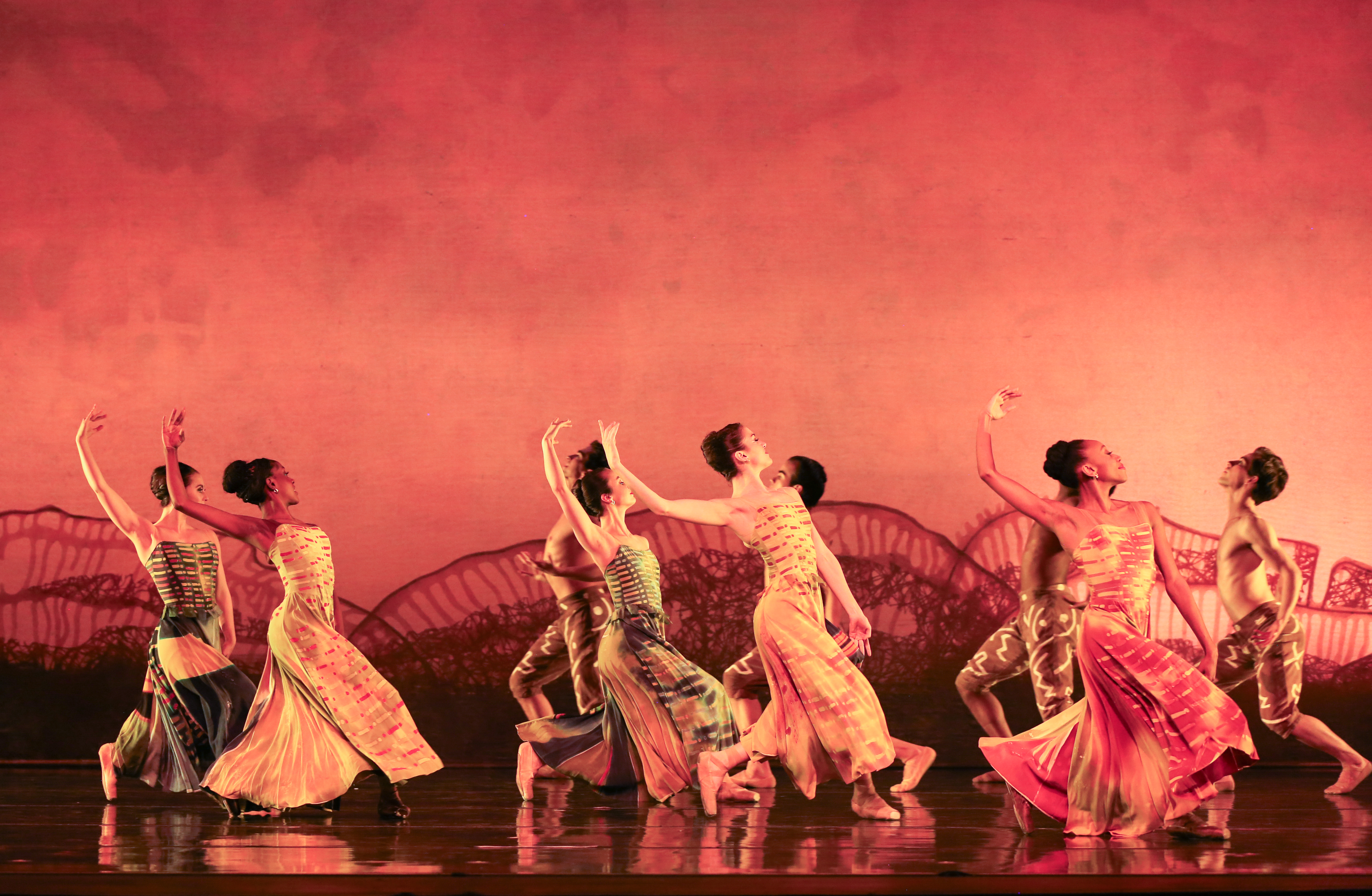
Richmond Ballet dancers in Lambarena by Val Caniparoli. Photo by Sarah Ferguson.
Make a one-time, monthly or annual donation to show how much you love rvart review
Make a monthly donation
Make a yearly donation
Choose an amount
Or enter a custom amount
Your contribution is appreciated.
Your contribution is appreciated.
Your contribution is appreciated.
DonateDonate monthlyDonate yearly
 RVArt Review